

Once the electric wagons were on the crowded British streets; Beach docks attracted the population of the passengers, and vibrant shipbuilding factories set up a thriving industry. An amazing archives have been collected in the UK a century ago, depicting each city in the aftermath of World War I and the beginning of the economic prosperity of the 1980s.
London, England; The beating heart of the country
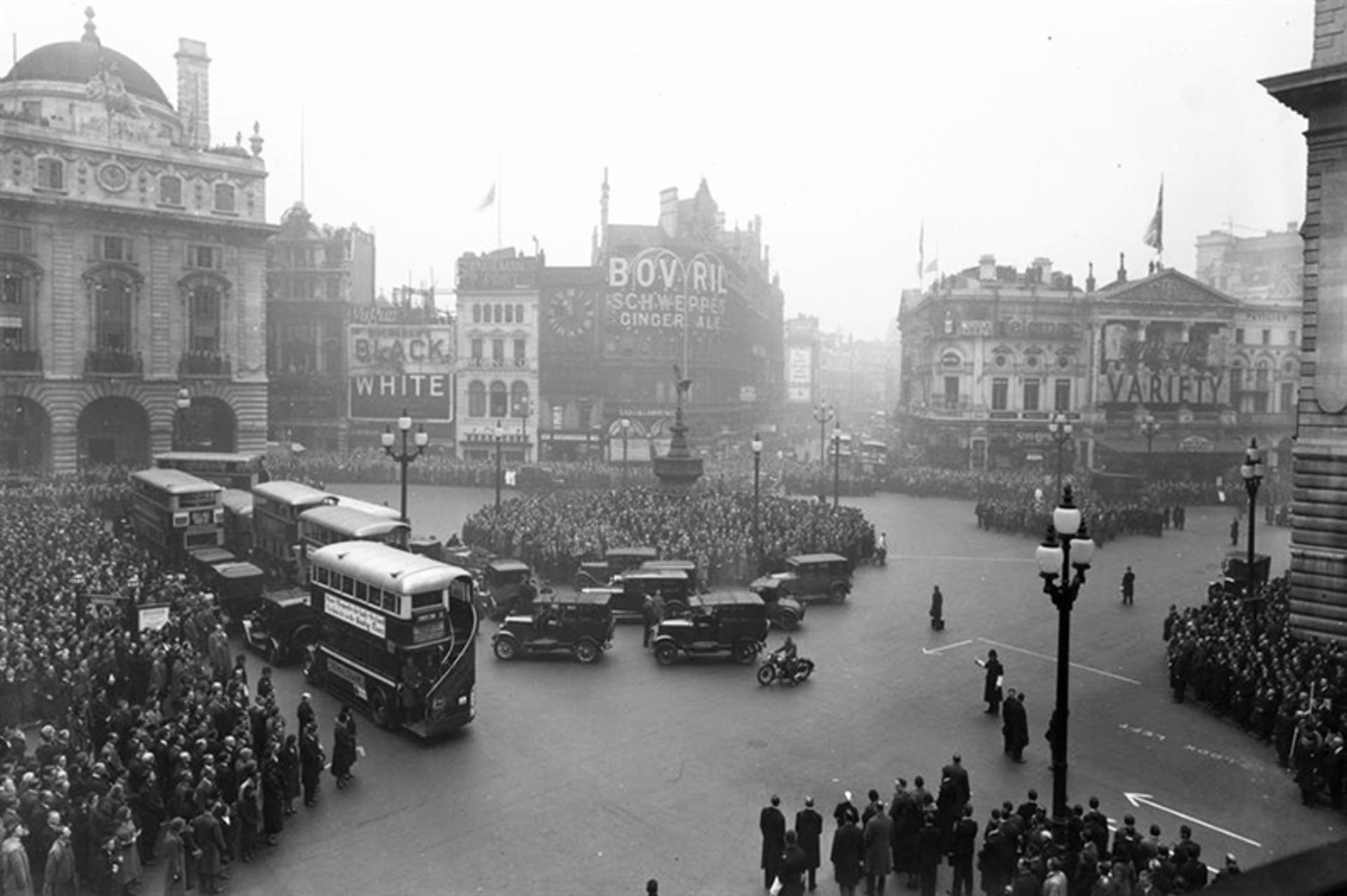
On the day of World War I Memorial, the Picadilly Circus Square in London, for two minutes, was silenced to commemorate the deaths of World War I. London continued to be the British political, cultural and economic heart; The brave city that sought new energy for life and movement among the bitter memories of war.
Photographer: Unknown / LoveExploring
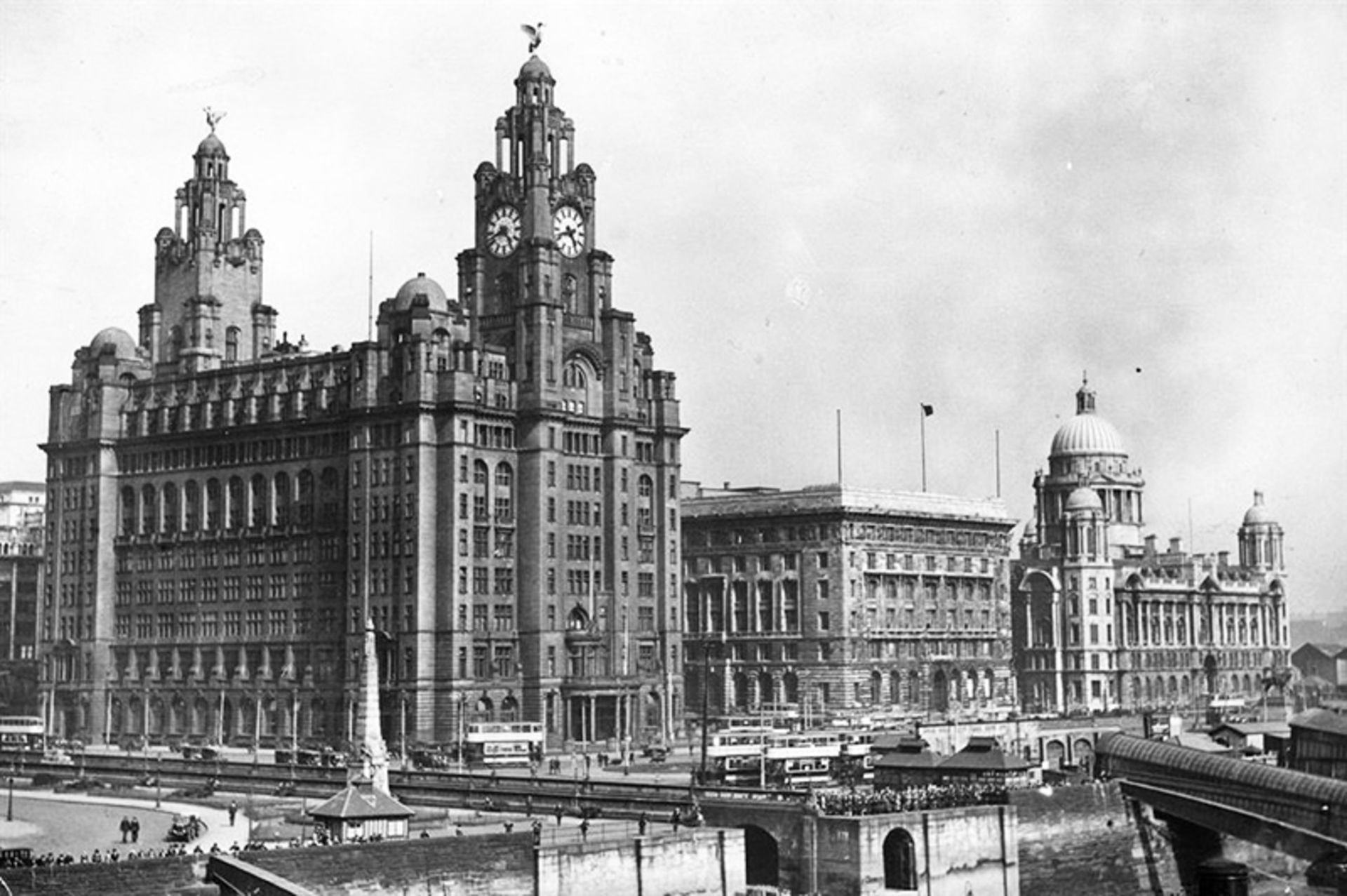
Liverpool, England; British marine power symbol
The Liver Buildings buildings on the coast of Liverpool were recognized as a symbol of the busy port in the year 9. The buildings of the Three Graces also showcase the maritime and commercial power of the city; While post -war world trade patterns were changing. Despite these transformations, passenger ships, freight, and the joy of the docks continued to keep Liverpool an important gateway to the world.
Photographer: Unknown / LoveExploring
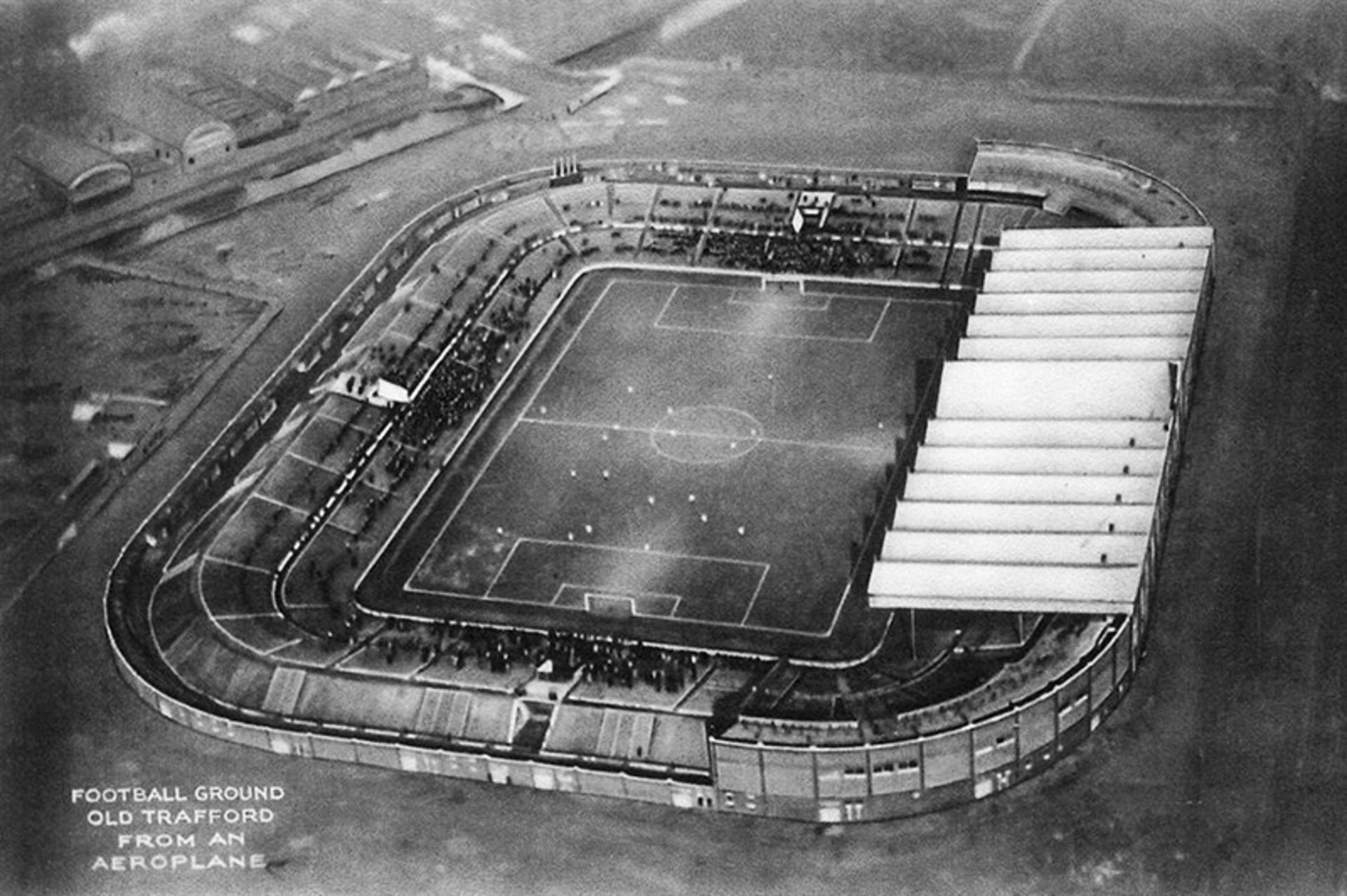
Manchester, England; Football city
Aerial view of the Old Traffic Stadium in the 1980s showed the growing popularity of football in Manchester. The industry that once was the main base of the city was still flowing; But leisure time and entertainment had also gained a stronger place. The Manchester United team brings together a large crowd and gives a hard -working, exciting city.
Photographer: Unknown / LoveExploring
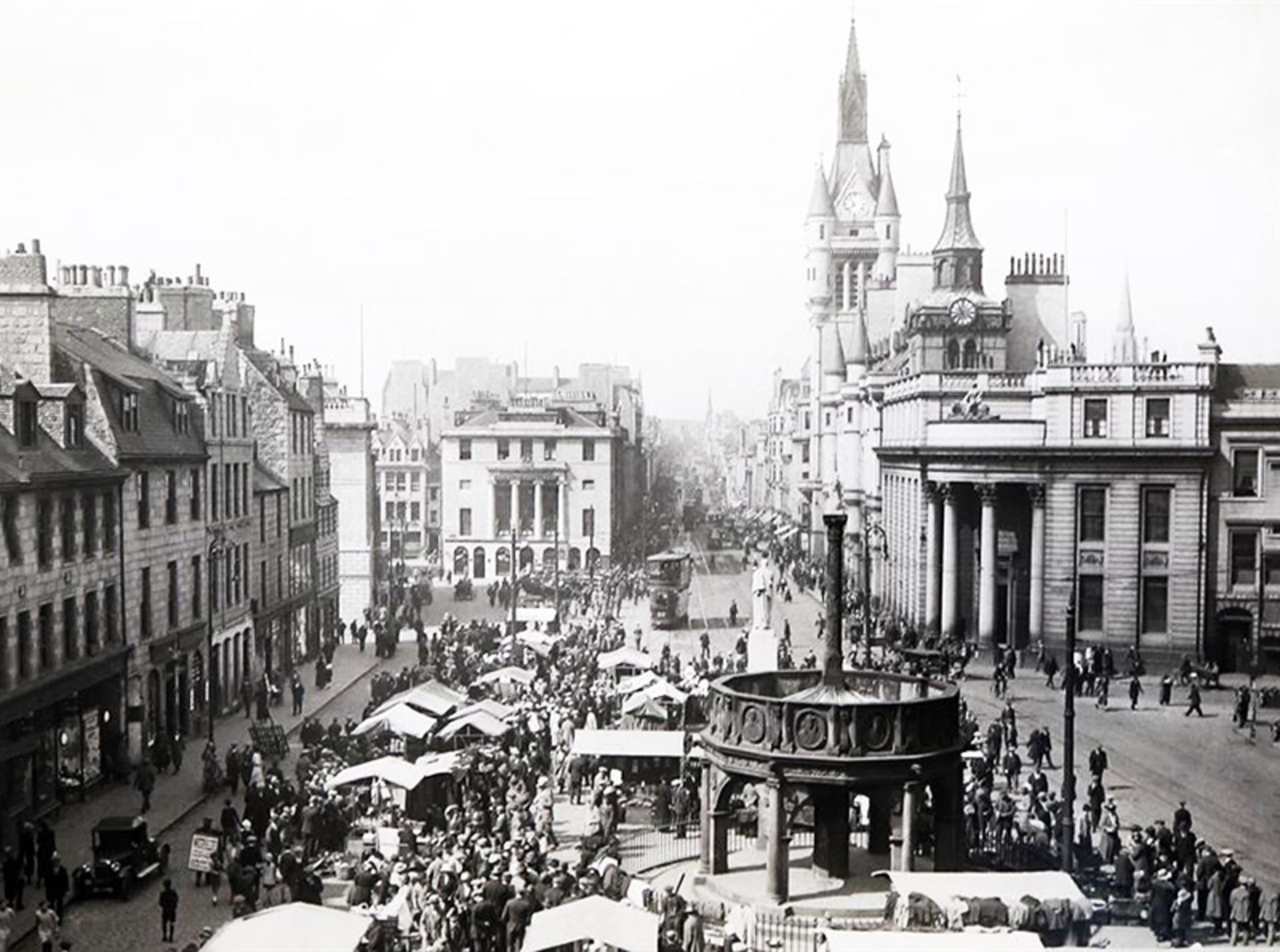
Abidine, Scotland; Important Marine Center
In the 1980s, Union Street in Aberdeen with its granite buildings was a busy area full of electric stores and wagons. The economy of “Abroin” was based on fishing, shipbuilding and textile industries, and its high -profile port had a critical connection with the North Sea trade. Years before the oil changed the face of the city, Abrodine had flourished as an important maritime center.
Photographer: Unknown / LoveExploring
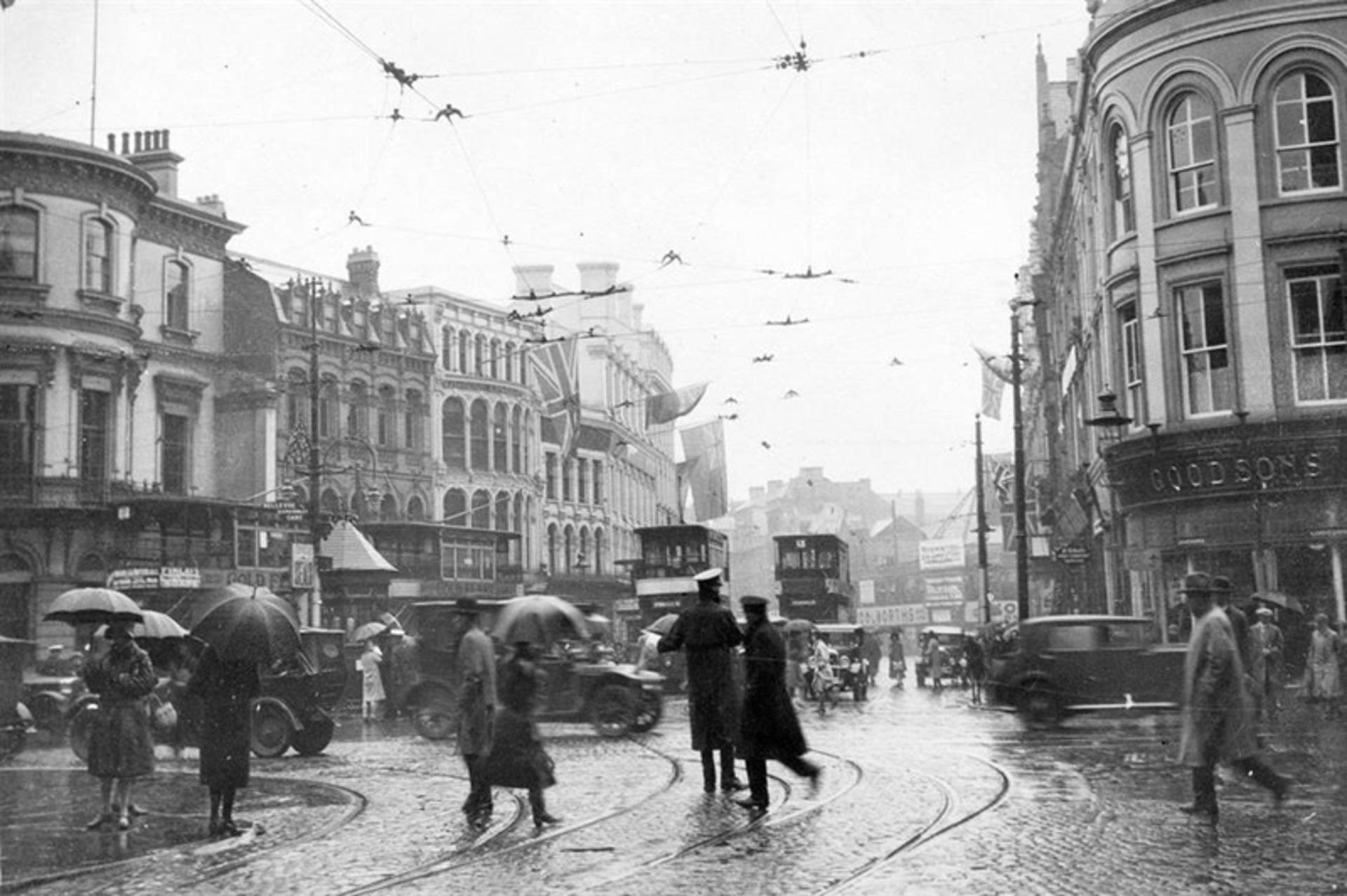
Belfast, Northern Ireland; Titanic’s birthplace
Belfast became one of the world’s industrial giants in the 1980s with shipping workshops, flax fabrics and engineering workshops. While the Harland & Wolff Shipping Workshop was still known in the world after the Titanic ship was built. The era between two World War I was for Belfast, accompanied by political growth and change; After the division of Ireland in the year 6, the city became the new capital of Northern Ireland.
Photographer: Unknown / LoveExploring
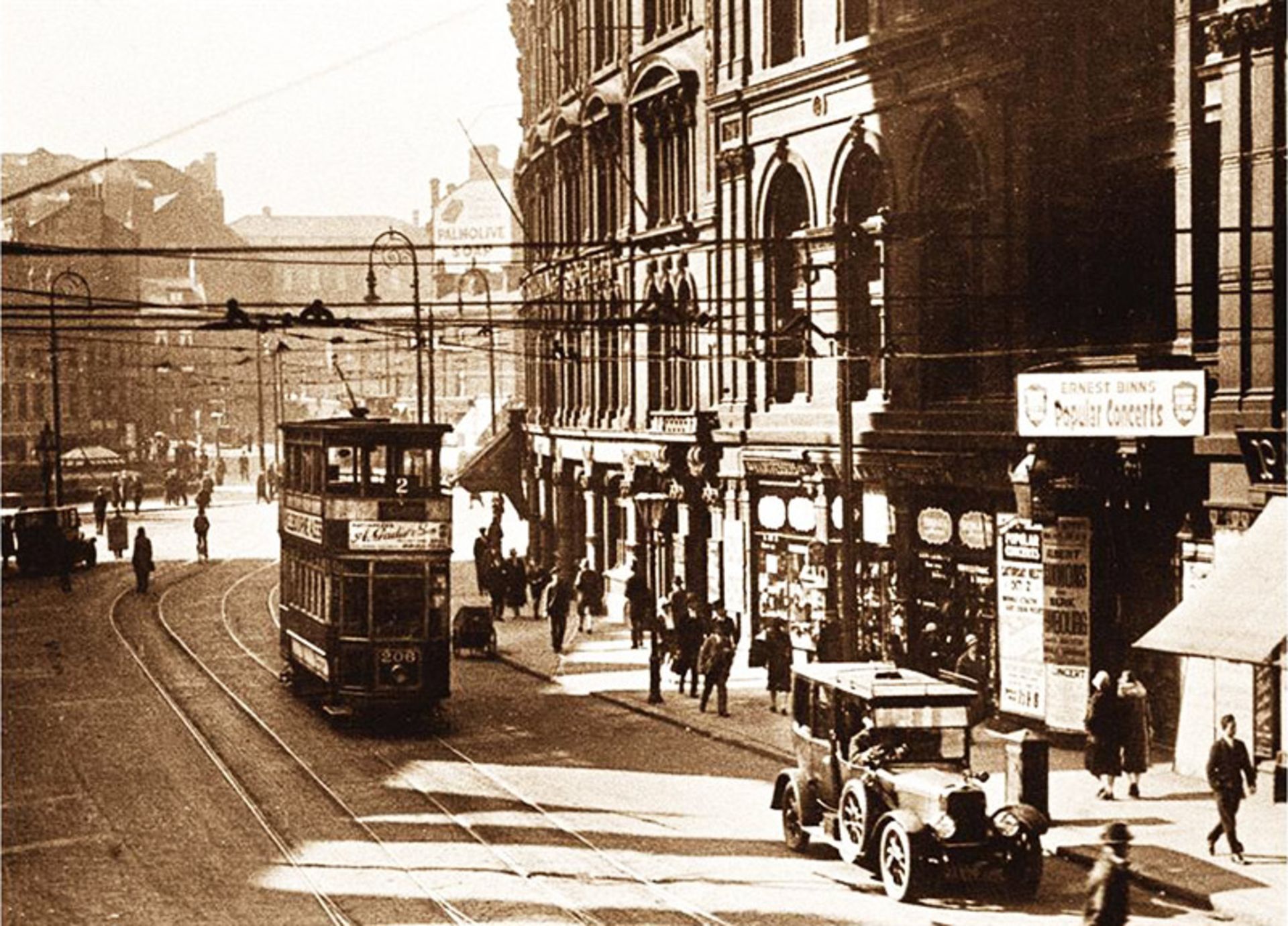
Bradford, England; Pioneer
Bridge Street in Bradford in Bradford in the 1980s was full of electric carriages and buyers coming to make fabrics. The textile industry was still the beating heart and identity of the city. Despite the increase in foreign competition, Bradford was still one of the world leaders in the production of wool fabrics. The magnificent urban buildings were a reflection of the wealth and glory that took place during the nineteenth -century wool industry.
Photographer: Unknown / LoveExploring
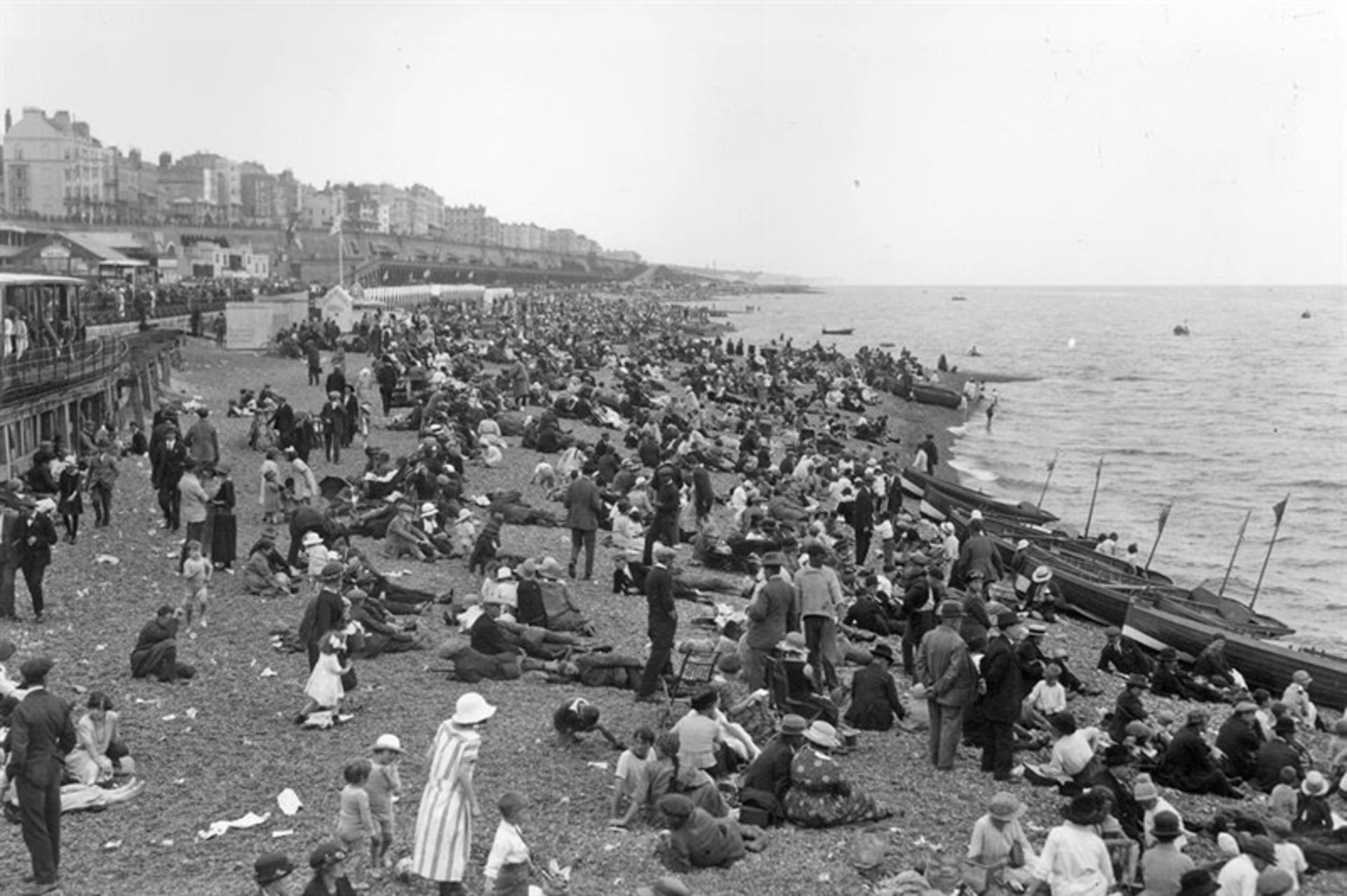
Brighton, England; Popular beachfront destination
In the year 9, Brighton’s beach was full of tourists. The development of rail lines drives one -day passengers and families coming to the city to spend the weekend, and folding chairs and wooden huts made a symbolic image of that era. The years between the two World War I consolidate the position of “Brighton” as a coastal destination available to the general public; Where the elegance of the Georgian architecture was intertwined with mass tourism.
Photographer: Unknown / LoveExploring
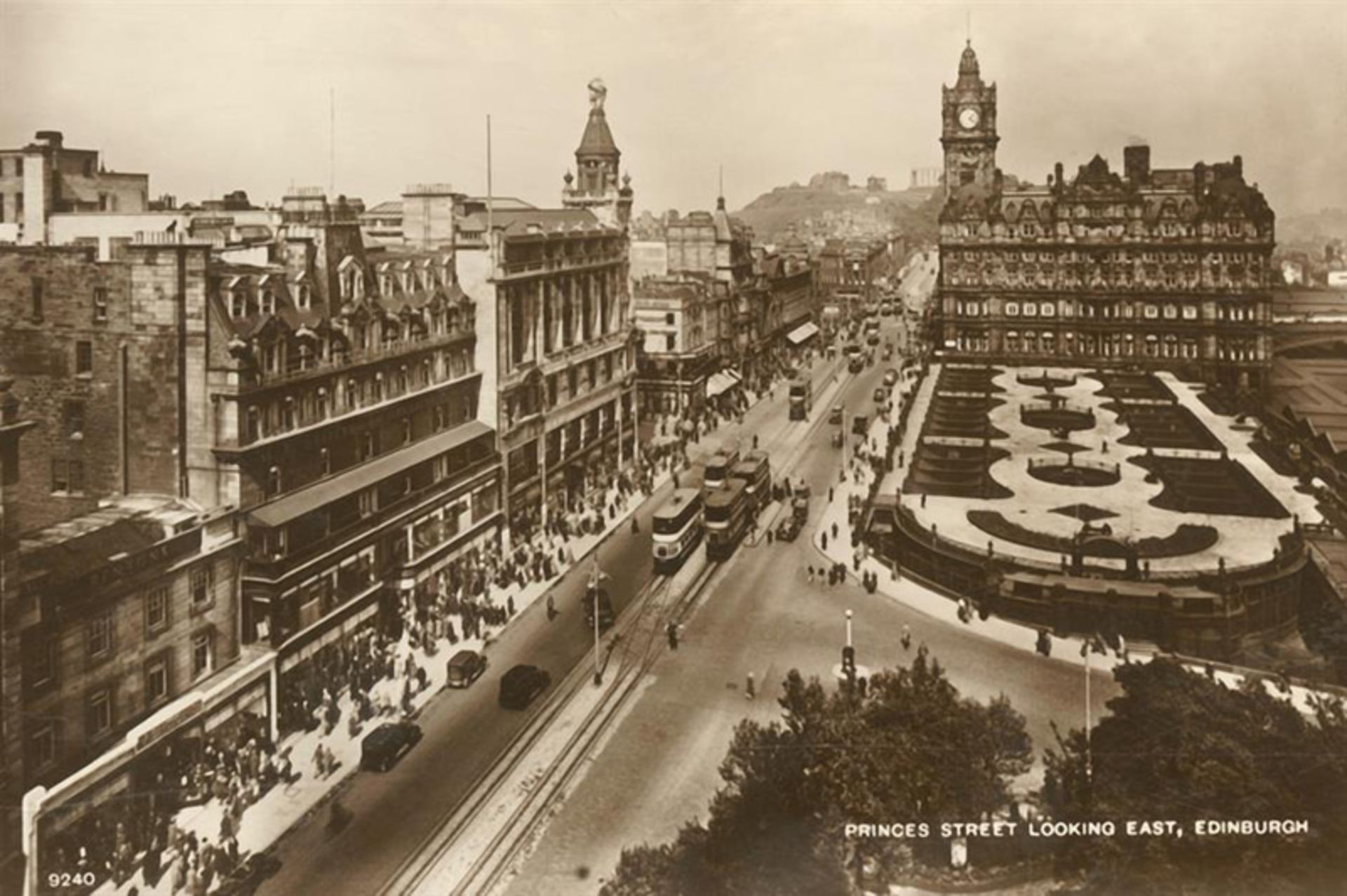
Edinbro, Scotland; The country’s cultural and political capital
Princes Street in the 1980s, with a view of the East, to the Scott Monument, which is either sides of stylish stores and hotels, offers an attractive image of Edinbro 5 years ago. As the cultural and political capital of Scotland, it was prosperous, and the tram network and its high -end streets linked historical glory with modern convenience. Also, tourism, urban management and education defined the identity of this leading city.
Photographer: Unknown / LoveExploring
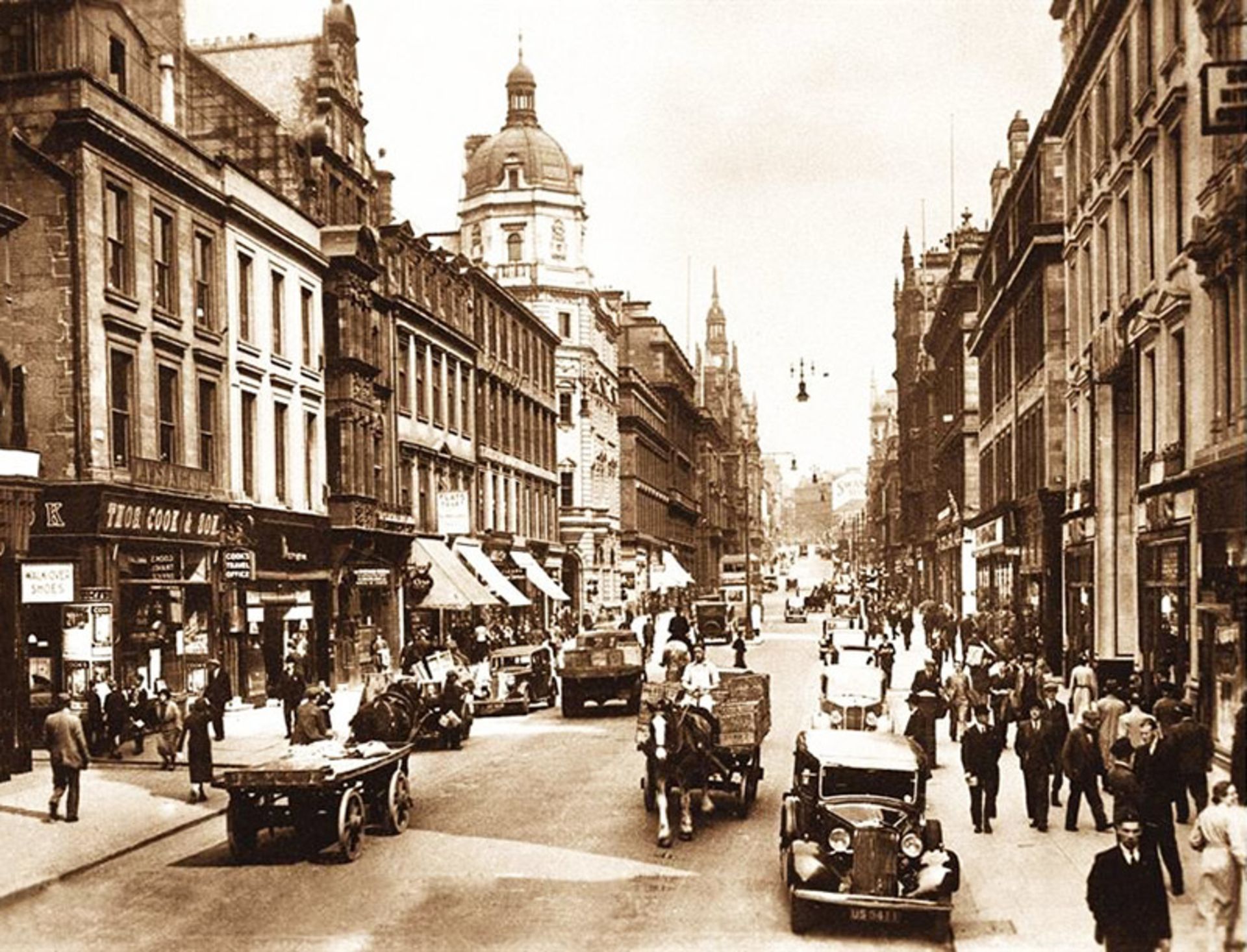
Glasgow, Scotland; The second city of the empire
In the 1980s, Buchanan Street in Glasgow was full of crowds, trams, and life. Shipping, engineering and textile factories kept the city’s economy powerful, and besides, theaters, magnificent stores and magnificent buildings gave the city a special look. Despite the post -war challenges, the “Second City of the Empire” maintained its energy and position on the River Clyde.
Photographer: Unknown / LoveExploring
Portsmouth, England; Important naval base
The Claarence Pier dock of Portsmouth in the 1980s attracted a large crowd for entertainment and hiking. Navy Shipping Workshop remains the center of city identity; But coastal attractions have made Portsmouth a destination for tourists. The marine tradition and coastal recreation in the city intertwined in a special and British way. During World War II, the dock was completely destroyed in the bombings and then rebuilt and opened in the year 6.
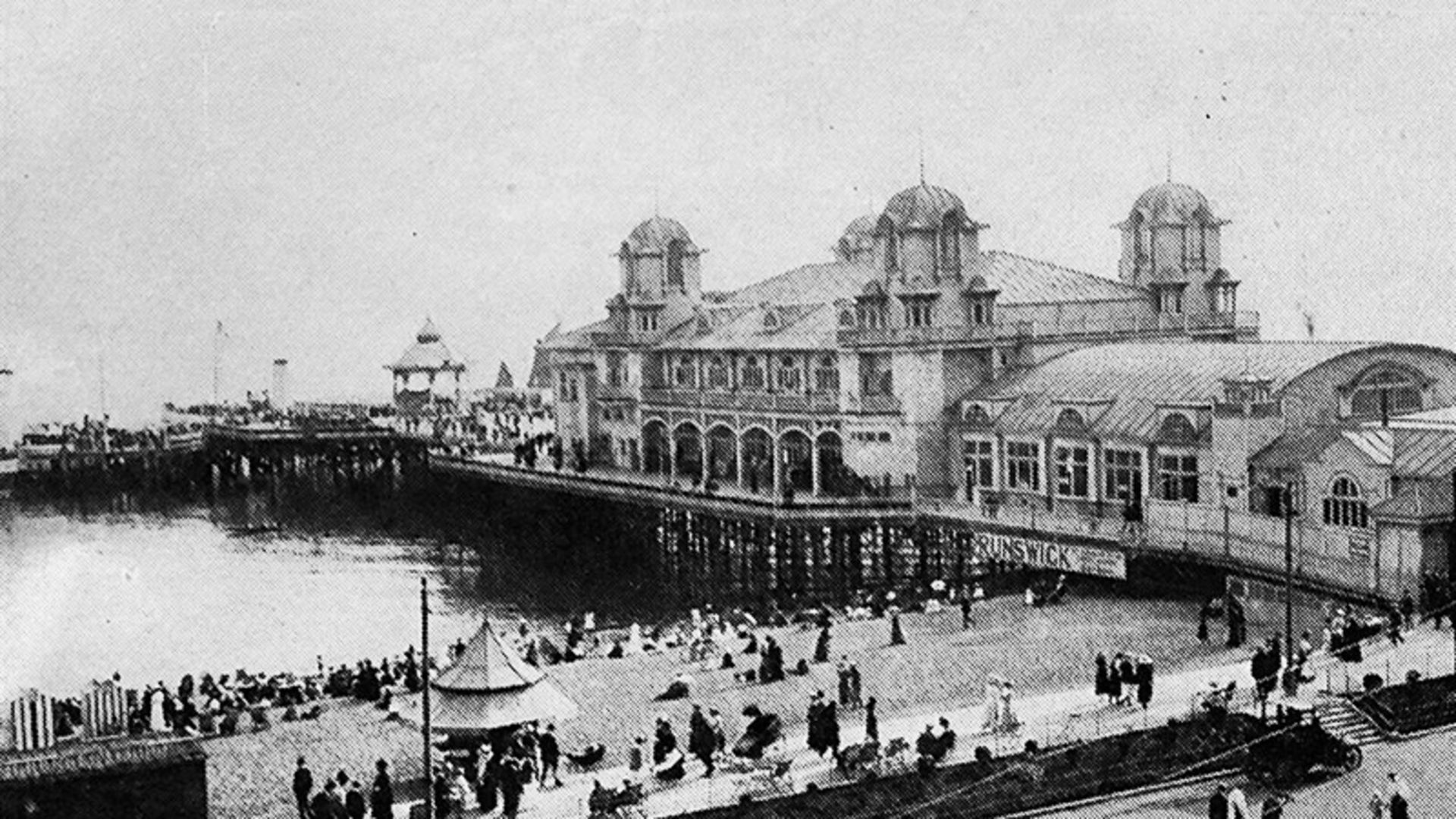
Photographer: Unknown / LoveExploring
Which city did you think the most changed compared to today? If you could travel to one of these cities in the past, which would you choose? Please share your valuable look and opinion with Kajaro and its companions.
Photo Cover: London Bridge and Thames River; Photo Source: English Heritage, Photographer Name: Unknown
RCO NEWS