

November 30, 1404 at 11:57
The spokesman of the Ministry of Industry, Mines and Trade, while denying the liberalization of the import of household appliances, stated that the regulations in this area have not changed.
Following the spread of widespread rumors in cyberspace about the possibility of limited importation of household appliances to the country, the spokesperson of the Ministry of Industry, Mines and Trade reacted quickly and announced the ministry’s clear position. According to the latest domestic news, Ezzatullah Zarei emphasized that the Ministry of Security’s approaches and support to domestic manufacturers of household appliances are still the same as the previous policies and no new changes have been made in the rules and regulations related to the import of these goods.
The ban on the import of household appliances is still in place
Following the widespread publication of numerous reports and speculations in cyberspace regarding the possibility of limited importation of various household appliances to the country, the authorities quickly reacted to these rumors. In this regard, the spokesperson of the Ministry of Industry, Mines and Trade, as well as the head of the National Union of Household Appliances Sellers, both denied any news about the extensive facilitation of imports, emphasizing that there will be no change in the existing policies.
These statements are mentioned in the context that previously, based on Article 16 of the “Law on Maximum Use of Production and Service Capacity of the Country and Protection of Iranian Goods” which was approved in 2018, it was prohibited to import any foreign consumables and consumer durables that are similar to domestic production. The noteworthy point here is that the validity of this law was predicted until the end of the 6th five-year development plan of the country, and it was not explicitly mentioned in the draft or approvals of the 7th development plan. However, the ban on the import of household appliances remains in force and has not been officially canceled.
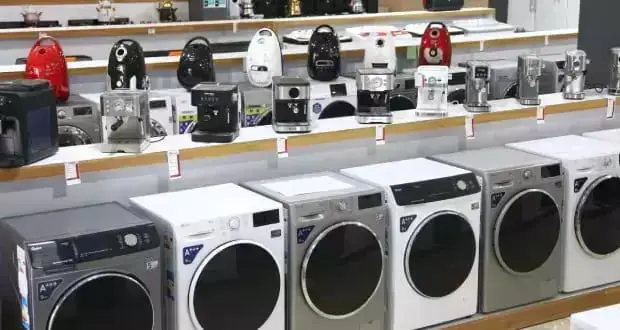
In the same context, Ezzatullah Zarei, the spokesperson of the Ministry of Industry, Mines and Trade, in response to the questions raised about the latest implementation status of the law banning the import of household appliances, announced that the policies of this ministry regarding imports follow the same previous procedures and no major changes have occurred in the related regulations. He further added that the discussions that have recently been raised regarding the issue of importing household appliances are actually related to the framework of the “Bag Bagging and Crossing the Border Law” and should not be confused with the general liberalization of imports.
Zarei further explained that based on the “New Border Import Law” it has been approved to issue a license for the import of goods by bagging and sailor methods, which will include a share between 3 and 7 percent of the country’s trade balance. He also pointed out that a specialized working group in the Trade Development Organization is responsible for monitoring and organizing this type of import, and goods that are officially imported through border crossing and sailors are allowed to be transferred to other provinces of the country.
Home appliances, backpacks and underwear are coded
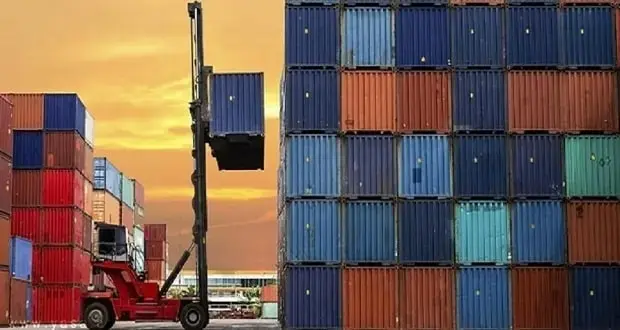
Akbar Pazuki, the head of Tehran Household Appliances Sellers’ Union, continued the previous explanations of the officials of the Ministry of Security and announced that there has been no general liberalization in the import of household appliances. He emphasized that the issue raised regarding the entry of these goods is only limited to the previous plans related to the cooperatives of the border dwellers, the phenomenon of backpacking in the border areas and the entry of goods by sailors through dinghies.
Pazuki further explained that before, the goods that entered the country through these unofficial sources did not have any identification code and tracking code, which created many problems in monitoring and controlling the market. But now, based on the new measures taken, it has been decided that all the household appliances imported from the backpacking and backpacking routes are also required to receive an identification code and a tracking code.
The head of the Household Appliances Sellers Union pointed out that by having an identification code and a tracking code, any imported product will be recognized as a completely legal and official product by all relevant organizations and regulatory bodies, including the Central Headquarters for Combating Goods and Currency Smuggling, the National Standard Organization of Iran, the Customs Department of the Islamic Republic of Iran, the Inspection of Trade Unions and even the trade unions themselves.
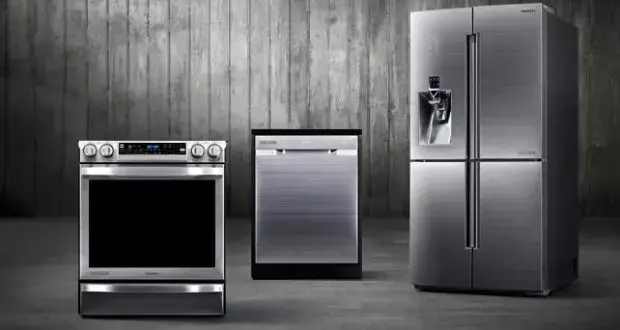
In order to increase the trust and awareness of consumers, he introduced a simple method to check the authenticity and details of goods with ID codes. According to Pazuki, every buyer can enter the system that displays the information about the product by dialing the command code #47777 through his mobile phone. In this system, it is possible to see the exact date of the goods’ arrival in the country, as well as its entry points and routes, which adds significant transparency to the purchase process.
It should be noted that the ban on the import of household appliances into the country has been fully implemented since 2017 and since then, most of the foreign goods that are seen in the Iranian market, unfortunately, have been imported through illegal means and in the form of smuggling. In recent years, this topic has led to many debates and controversies in various circles. So that many ministers in different governments have put forward proposals to remove this ban, but in the end, none of these efforts have reached a specific and effective result.
Supporting domestic production or fielding monopoly?
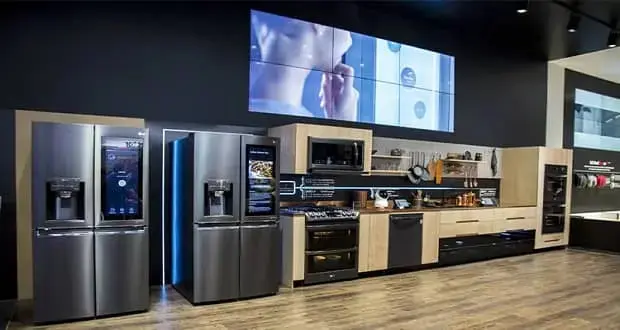
The issue of banning the import of household appliances has always had strong supporters and opponents. Proponents of import liberalization believe that these bans significantly limit consumers’ right to choose, and in fact, the basic right of citizens to access a diverse range of products with different qualities has been ignored. They also warn that the lack of effective and constructive competition between domestic manufacturers and foreign brands will lead to an undisputed monopoly in the home appliance industry in the near future.
On the other hand, the opponents of import liberalization have their own reasons. They argue that Iranian producers are still not in equal and fair conditions with their powerful foreign competitors, and for this reason, they are unable to compete directly with them. This group believes that in order to reach maturity and empower a nascent or developing industry, government support is necessary for at least several years, and these supports should continue until domestic production reaches a point of quality and productivity that can be competitive in the domestic and global markets.
Another point that the opponents of imports emphasize is reducing the depth of domestic production by importing finished products. They believe that imports should always be accompanied by the condition of transferring technology and technical knowledge in order to help upgrade and develop production infrastructure and local knowledge in the country.

RCO NEWS