

10 September 1404 21:39
In recent years, some manufacturers have made phones worse than before; But what about these wrong decisions that have caused users’ dissatisfaction?
Some people are keen to buy new phones. Whenever a new flagship model is introduced, some immediately seize the opportunity to upgrade their phone. But most of us usually use our phones as much as possible and only replace them when they lose their performance.
However, the main reason we do not look at the new model is that often there is no wonderful feature on new handsets that will encourage us to change us suddenly. In addition, the cost of mobile phones is very high and we don’t always want to pay hundreds of dollars for a new model. In fact, it is a more logical choice for us to hold a phone until it comes down.
5 Wrong decisions of phone manufacturers
Part of the reason for our resistance to upgrades goes back to the changes that the manufacturers have made and make the process of buying mobile phones more difficult. Undoubtedly, new phones can offer a lot of features; Like using artificial intelligence, the possibility of removing people from photos, or recording long videos. But some of the changes that manufacturers have made over the years have made the purchase process boring and sometimes overwhelming. In the following, we get to know 5 wrong decisions of handset makers.
1. The phones are no longer available with the charging adapter
We understand that many of these changes have been aimed at force consumers to buy by -products from the same manufacturers. But that does not mean that we should be happy with such an approach.
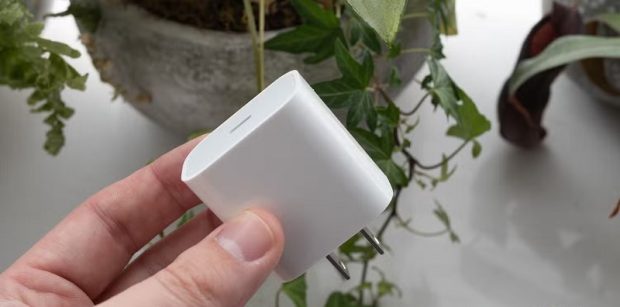
These days the creators assume you already have a charging adapter, so they only put one cable in the box. Most new devices support the USB-C port that makes it easier to do because you can connect to any adapter you have at home. But the problem is that not all devices follow this rule, and not all users do not necessarily have several extra adapters at home.
It is annoying when we open the new phone and find that we have ten similar cables in the home drawer, but there is not even a suitable adapter for connection. This does not seem to be accidental. Manufacturers prefer to buy your own official adapter than you go for a cheaper option than Amazon.
2. ESIM SIM cards have become standard
In the past you had a physical SIM card inside the phone that you could easily move from one phone to another. Of course, this method was not so safe, so the manufacturers went to the ESIM SIM cards; Digital SIM cards that allow the phone to activate without the need for a physical sample.
However, ESIMs are inherently more complex. For example, if your phone is broken and no longer turned on, you may not have access to the information available on ESIM. In addition, not all phones support ESIM, so if you want to migrate from an ESIM device to a handset without this feature, you will actually be unattractive.
If you need to convey your information in emergencies, there is almost no quick way, and ESIM transfer from one phone to another may take hours. You also need full support for the operator to launch it on the new device. Finally, all of these can only create more obstacles and boring complexities.
3. Many phones no longer have the headphone jack
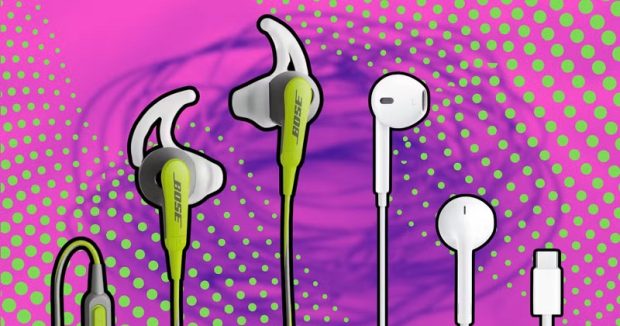
In the past, when we were buying a new handset, often headphones or airbags were also offered. Such packages can still be found under some circumstances, but this is no longer the case. In addition, it is now much more likely to come with wireless Airbod with the handset, as most modern phones are no longer a headphone jack.
Many devices were previously equipped with a 3.5mm port and wired headphones were connected to them without any problems. This feature made it possible to use different brand headphones and we can choose the best option based on our taste.
Most of us now have to use wireless airbags or rogue headphones. This means that we need to manage smaller parts and have an extra charger, as wireless headphones need to be charged.
In addition, such headphones are usually more expensive and long -term use may tire our ears. Many manufacturers have practically led users to buy their wireless airbags by removing the headphone jack. However, it is sometimes easier to connect only wired headphones to the phone without worrying about connection problems.
4. Most new phones do not allow the memory to increase memory
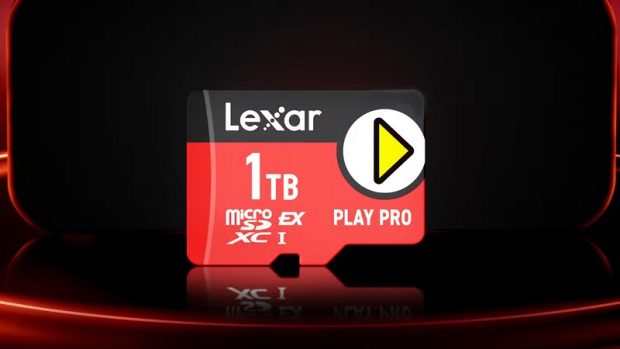
In recent years, when we were buying a new handset, the internal memory was usually not very important, as many phones had a microSD card slot, and it was possible to add more memory at a low cost. This economic option was very valuable for users who needed high storage space.
Today, most phones lack a microSD groove and have relatively large internal storage. However, the higher the storage capacity, the higher the price of the phone. In addition, a significant portion of storage has been transferred to cloud services, which makes us having to pay attention to both the cloud and the internal memory of the phone.
As we approach the memory ceiling, you can no longer add a memory card and the only way to delete existing files and data. So if we reach the maximum capacity of the phone, our only choice will be to erase content and no longer add new memory.
5. The movements of the phones have become more difficult
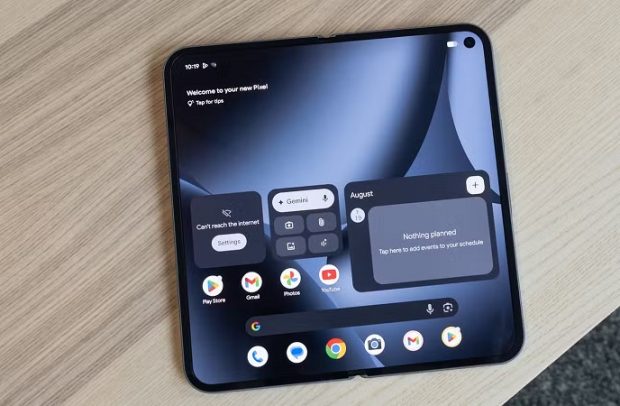
Nowadays, cell phones have been virtually transformed into small handheld computers. However, this does not mean that we need phones in a small computer. Many phones are thicker and heavier than ever.
The size of the display has its own advantages, as it allows us to view more and more quality content. But for those who are accustomed to keeping their phone in pocket throughout the day, this size and volume may feel a serious disturbance.
We don’t want to go back to the bottom of the old phones, but the reality is that many flagships are too big. Most users prefer to have phones that can be easily maintained and carried.
While we do not want to go back to the lower quality of the past, we still believe that the size of many flagship phones can be smaller and more user -friendly, as most people prefer devices that can be easily handled and easily portable. In your opinion, what was the wrong decision by the manufacturers of handsets?
(tagstotranslate) Mobile phone

RCO NEWS