

23 August 1404 at 12:19
Have you ever thought about how to prevent a plane crash despite thousands of simultaneous flights? What is the secret of this amazing order in the sky and its backdrop technologies?
If you only look at the live flight tracking map only once, you must be surprised by the number of planes running. This huge volume of air traffic raises the important question of how these giant machines go their way to each other without colliding. The answer lies in a complex and multilayer system of international law and advanced technologies that bring the possibility of aircraft crash to zero.
This stunning safety is by no means accidental. Each flight is under strict monitoring of laws developed by world organizations such as ICAO. These regulations are implemented in cooperation with the Air Traffic Control Centers in each country to make the sky a fully managed and safe environment.
How does vertical separation prevent aircraft crash?
One of the clever, yet simplest rules for managing the sky is vertical separation. According to this global standard, aircraft fly in different altitudes depending on their direction. This law is especially used in the height of the cruise or the altitude of the survey, which is the main part of the trip.
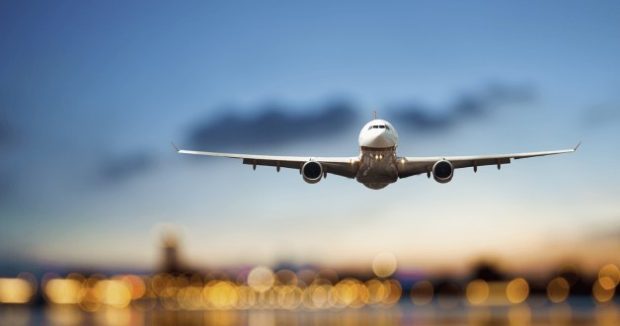
According to this rule, aircraft that move west should fly at the heights of the couple. For example, their height will be 1 or 2 feet. In contrast, planes that are east are located at individual heights such as 1 or 2 feet. This altitude separation ensures that even two planes will never collide in a horizontal route.
By year 3, the minimum vertical distance between the two planes was 2 feet. But with the introduction of the RVSM law, the gap was reduced to 5 feet. This change was possible thanks to very accurate altitude equipment in modern aircraft. RVSM dramatically increased the capacity of the airspace without endangering safety.
In addition, fixed rules should not forget the vital role of air traffic controllers (ATCs). These specialists monitor the height and speed of each aircraft using advanced radar systems. By issuing precise instructions to pilots, they guarantee safe routes and prevent any aircraft accident. Ultimately, flight safety is the result of the uninterrupted cooperation of new technologies and human supervision.
(tagstotranslate) plane

RCO NEWS