

The Pentagon issued an unprecedented ultimatum to Entropic, the only artificial intelligence company working on classified military systems, ordering its executives to give in to the military’s demands by the end of this week. Entropic, which insists on maintaining the safety limits of its technology, is now faced with the dilemma of accepting military requests or facing heavy sanctions from the US government.
According to the New York Times, the Pentagon has given Entropic until 5:01 p.m. local time on Friday to accept the military’s demands. A senior Pentagon official confirmed that US Secretary of War Pete Hegst had made two major threats against the company. The Trump administration plans to use the “Defense Production Act” to force the military to use the company’s models and at the same time label Entropic a “supply chain threat” and put all of its government contracts at risk.
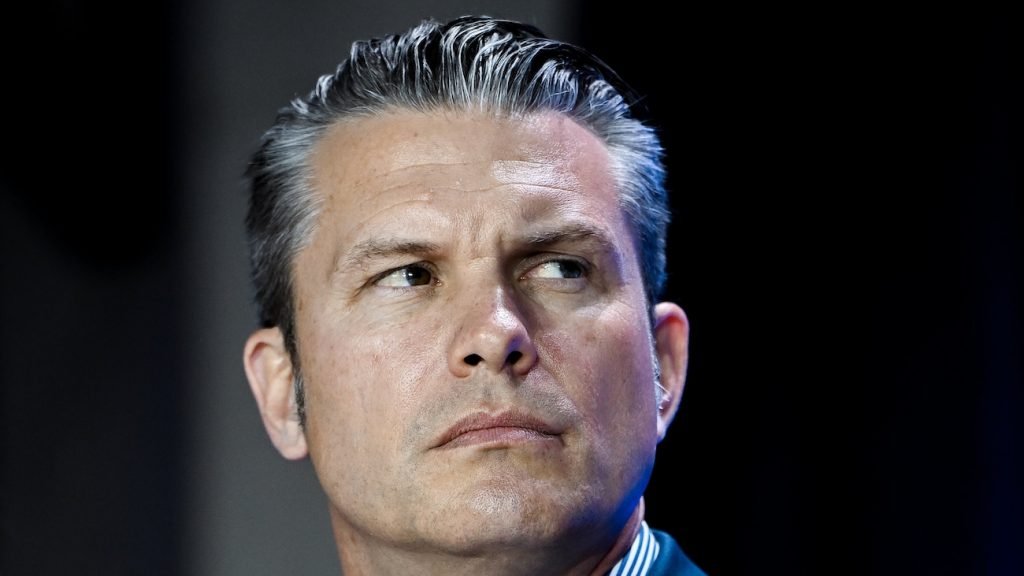
These two threats are basically in conflict with each other; One prohibits the government from using the company’s products and the other forces the company to provide its products to the government. However, these contradictory threats indicate the high level of anger among senior Pentagon officials about the Anthropic Resistance. “Jessica Tillipman”, the vice dean of the George Washington University School of Law, says about this:
“The Pentagon knows it is issuing an extreme threat. They use every button or lever they have. The bigger issue is that such actions lower the value of these security labels. “They are turning national security tools into leverage for commercial pressure.”
The Pentagon’s ultimatum to Entropic
Entropic CEO Dario Amodi was summoned to the Pentagon for a morning meeting on Tuesday. Reports indicate that the tone of the conversation was respectful, but when Anthropic did not agree to Heggst’s demands, the Secretary of War issued threats of his own.

An Anthropic spokesperson says the company is willing to support the government, but must ensure that its models are used responsibly and reliably. Entropic’s supporters also argue that the Pentagon is punishing the company because they were the first company to enter classified systems and built a special model called Claude Gov without common restrictions.
In contrast, senior Pentagon officials have rejected all requests for entropic safety. The War Department wants to stipulate in all AI contracts that the military has the right to use the models for any lawful purpose.
They emphasize that law enforcement is the responsibility of the military, and that contractors cannot set usage limits for the equipment they sell to the Pentagon. Legal experts believe that using the Defense Production Act (which usually applies to the industrial production sector) against a software company and forcing it to provide its products for free is considered a very unusual action.
The US military has also signed an agreement with Elon Musk’s xAI to bring the Grok model into classified systems, a senior Pentagon official has confirmed. However, integrating Grok into Palantir’s confidential cloud servers and software will take time. More importantly, the US military considers Cloud to be a far superior and more accurate product than GROC. Also, the army is very close to an agreement with Google to use the Gemina model, although this contract is not yet final.

RCO NEWS