

The year 2025 is coming to an end as it witnessed important events in the world of science and especially thanks to artificial intelligence, great advances were made in various fields of science and technology. In the past year, great strides have been made in the world of medicine, data analysis, astronomy, and physics-based technologies, the review of which can give a good perspective of the scientific outlook in the coming years.
Science 2025; A year of rapid changes and valuable milestones
The year 2025 can be considered one of the fastest years in the history of science. This year saw key advances in the fields of artificial intelligence, nuclear fusion, climate studies, astronomy and space, and biomedical research, each of which complicated and developed the path of research and technology applications.
artificial intelligence; The evolution of linguistic models and practical applications
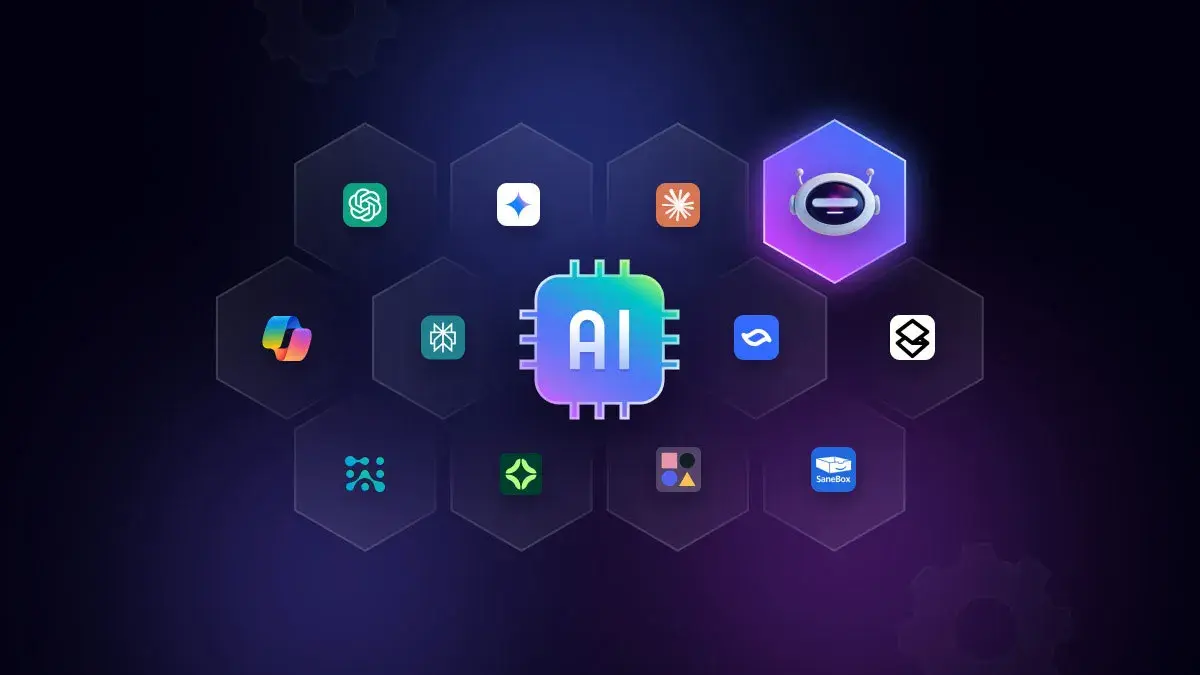
In 2025, there was intense competition between the big players in the field of artificial intelligence, and advanced versions of big language models were continuously released. One of the most significant of them was the introduction of Gemina 3 by Google, which created a great leap in artificial intelligence tools with a complete understanding of user demands and the possibility of multi-faceted interaction along with integration with other Google products.
Leading artificial intelligence platforms
Credit: Test Grid
This caused OpenAI, as the creator of ChatGPT, to release the GPT-5.2 version just a few months later, which has improved natural language processing capabilities, long text understanding, and complex problem solving capabilities. This new version focuses on practical applications such as generating business reports, content and automating multi-step tasks, and comes with major investments in the developer ecosystem.
nuclear fusion; Commercialization perspective
In 2025, research and investment in the field of nuclear fusion energy has intensified, and international projects such as ITER, as well as small and large private companies, have reported great leaps towards increasing plasma time, improving structural materials and reaching conditions close to “energy balance”.
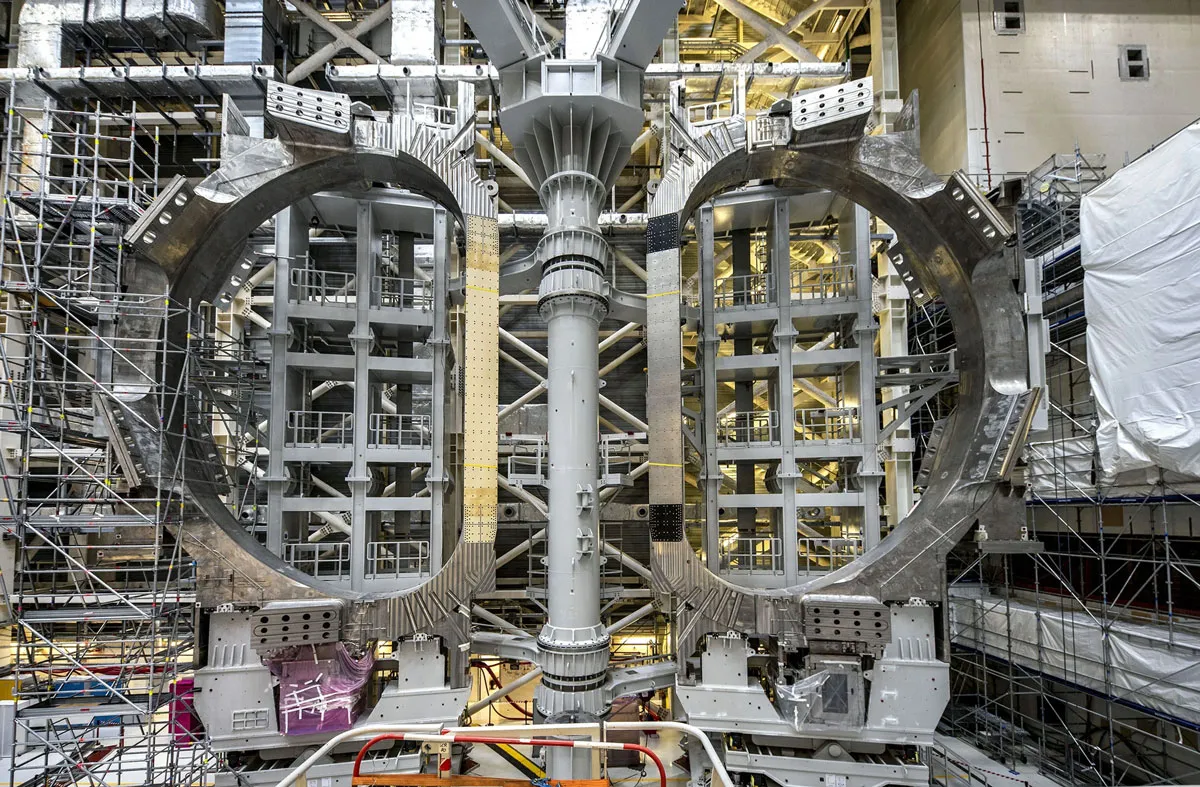
International experimental thermonuclear reactor structure
Credit: ITER
attitude towards climate change; Temperature records and warnings for communities
Perhaps one of the most bitter events related to science in 2025 can be called the recording of very high global temperatures and the warning of scientific institutions. Data from the Climatological Service shows that 2025 is likely to be one of the three warmest years in recorded global temperature history, with the global average temperature exceeding 1.5 degrees Celsius above pre-industrial levels for the first time in recent years.
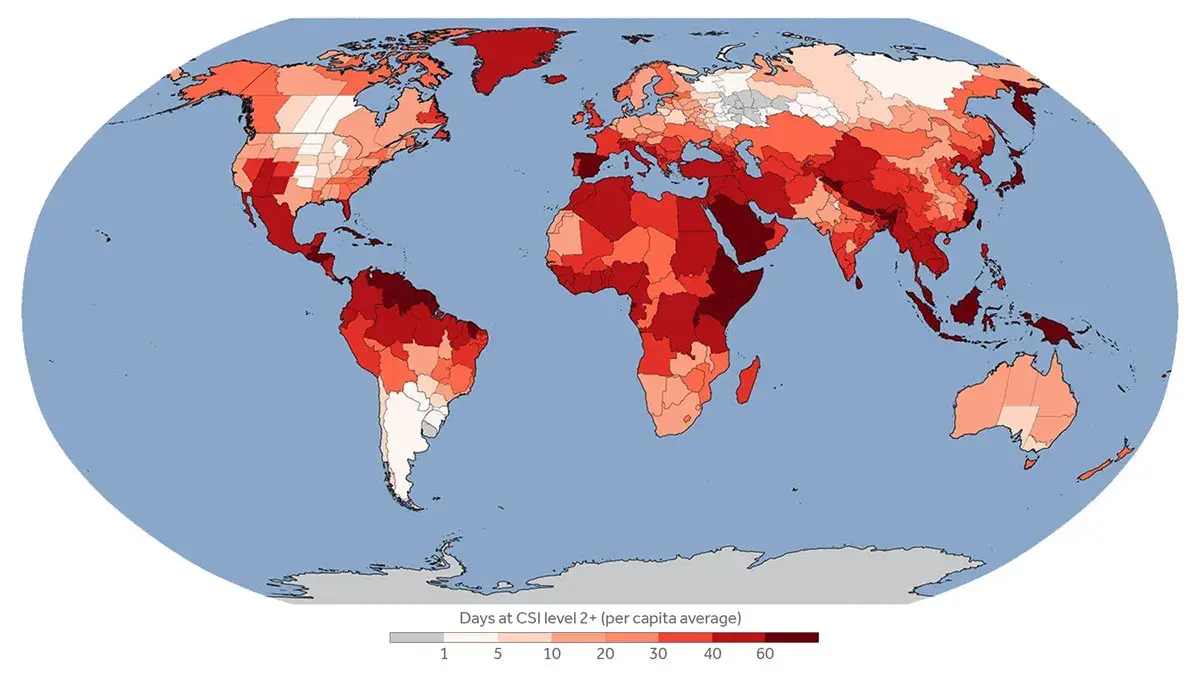
Global climate change index in the middle of 2025
Credit: Climate Central
In addition, annual reports such as the “State of the Climate 2025” (State of the Climate 2025), which examine the state of the Earth’s vital indicators, have described many other indicators at their highest or worst. From the concentration of greenhouse gases to extreme weather events and the loss of biodiversity in some areas, these are among the things that were emphasized in 2025. This fact carries a serious message for policymakers about accelerating greenhouse gas emission reduction and climate adaptation programs.
astronomy and space exploration; James Webb and the Deeper Exploration of Systems
Observations from the James Webb Space Telescope (JWST) and other observatories continued to make headlines in 2025. James Webb continued to make more detailed observations of exoplanets, comets, and interstellar objects, and some findings, including evidence of atmospheric escape on very hot planets with gaseous tail-like structures, challenged current models of planetary atmosphere evolution. This scientific instrument also made new observations of faint solar system objects and managed to discover new moons for the outer planets.
In 2025, America‘s flagship Vera C. Rubin observatory, with the world’s largest digital camera, will begin a 10-year survey of the night sky. This groundbreaking project is going to record the most accurate and dynamic map of the night sky. Every few nights, the observatory records a time-lapse of the entire sky to reveal billions of objects and record fast-changing events such as supernovae and near-Earth asteroids.
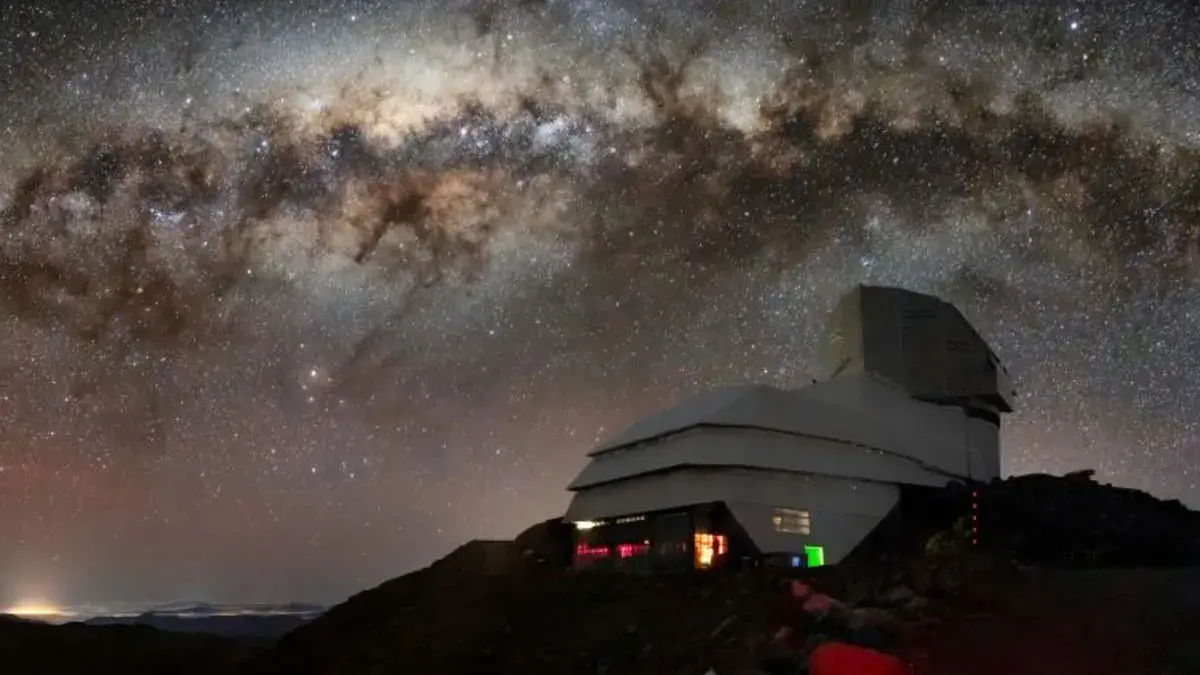
The start of the Vera Rubin Observatory was one of the most significant events in the world of science in 2025.
Credit: NSF-DOE Rubin Observatory/AURA/B. Quint
Its vast array of data will help scientists better understand dark matter, dark energy, and the structure of the universe, and improve the structure of planetary defenses. The telescope’s 3,200-megapixel camera is powerful enough to capture a clear image of a golf ball from 15 miles away. By making its data available, this observatory will open new doors for researchers, students and citizen-scientists around the world.
medicine and biotechnology; From Alzheimer’s treatment to precision biomedicine
In 2025, several important innovations in the treatment of neurological diseases and precision medicine took place. New imaging and biomarkers have helped refine diagnostic methods and monitor drug effectiveness. In the context of Alzheimer’s disease, reports have shown that monitoring imaging biomarkers can play an effective role in optimizing anti-amyloid therapies, and clinical debates surrounding the widespread use of new drugs and safety-efficacy criteria have continued.
Gene therapy has become a mainstay in the treatment of genetic diseases this year, with major regulatory approvals for drugs including Waskyra. Also, a new therapy based on “chimeric antigen receptor T cell” (CAR) was introduced for the treatment of solid tumor cancers. National Cancer Institute (NCI) scientists have developed a new chimeric antigen receptor to target the cell surface protein glypican-2 (GPC2). With promising results, this research can be introduced as a treatment for GPC-2 positive solid cancers in children and adults.

Graphic design of cancer cells in tumors
Credit: Mattie/Adobe Stock
Artificial intelligence also played a prominent role in the medicine of 2025. Among other things, researchers from the University of Notre Dame developed an artificial intelligence model called CRT, which enables faster and more diverse production of target molecules and increases the efficiency of drug discovery. Other important medical events of 2025 include major steps in regenerative medicine and the creation of a comprehensive atlas of the human body by performing more than one billion scans of 100,000 people. In total, the advances in medical science in 2025 once again showed the importance of synergy between basic research and clinical studies in medical science.
Innovation in gadgets and media industry
The world of technological gadgets and tools introduces new and impressive products every year, and 2025 was no exception to this trend. In the past year, Apple’s iPhone 17 flagship phones with a new design and Samsung Galaxy S26 series phones were introduced.
Samsung also introduced Micro RGB TV technology, which delivers vibrant colors and high brightness, creating a much sharper viewing experience compared to conventional OLED. Each sub-100 micron sub-100 micron RGB emitter works on its own, providing ultra-high brightness and contrast even at 115 inches and 4K resolution. With its deep blacks and saturated colors, this large display will change the look of home theater and, although it is expensive now, it will set the expectations for premium displays in the next decade.

Samsung Micro RGB TV
Credit: Samsung
Among other interesting tools in the technology world of 2025, we can mention Nike’s “Hyperboot”. While most compression boots that have become a popular recovery tool require immobility, the Electric Hyperboot offers a portable alternative. The shoe combines dynamic air compression with targeted heat therapy and can be effective while standing, walking, sitting or traveling. Air compression delivers heat deeper into the ankle tissue and Achilles tendon for better healing.
Scientific innovations in agriculture and nutrition
For the most significant achievements of agriculture and nutrition science in 2025, data-oriented, sustainability and biotechnology should be mentioned. Using satellite images, “Internet of Things” (IoT) sensors, artificial intelligence and robotics, precision agriculture succeeded in more efficient management of water, soil and inputs, thereby increasing productivity and reducing waste.
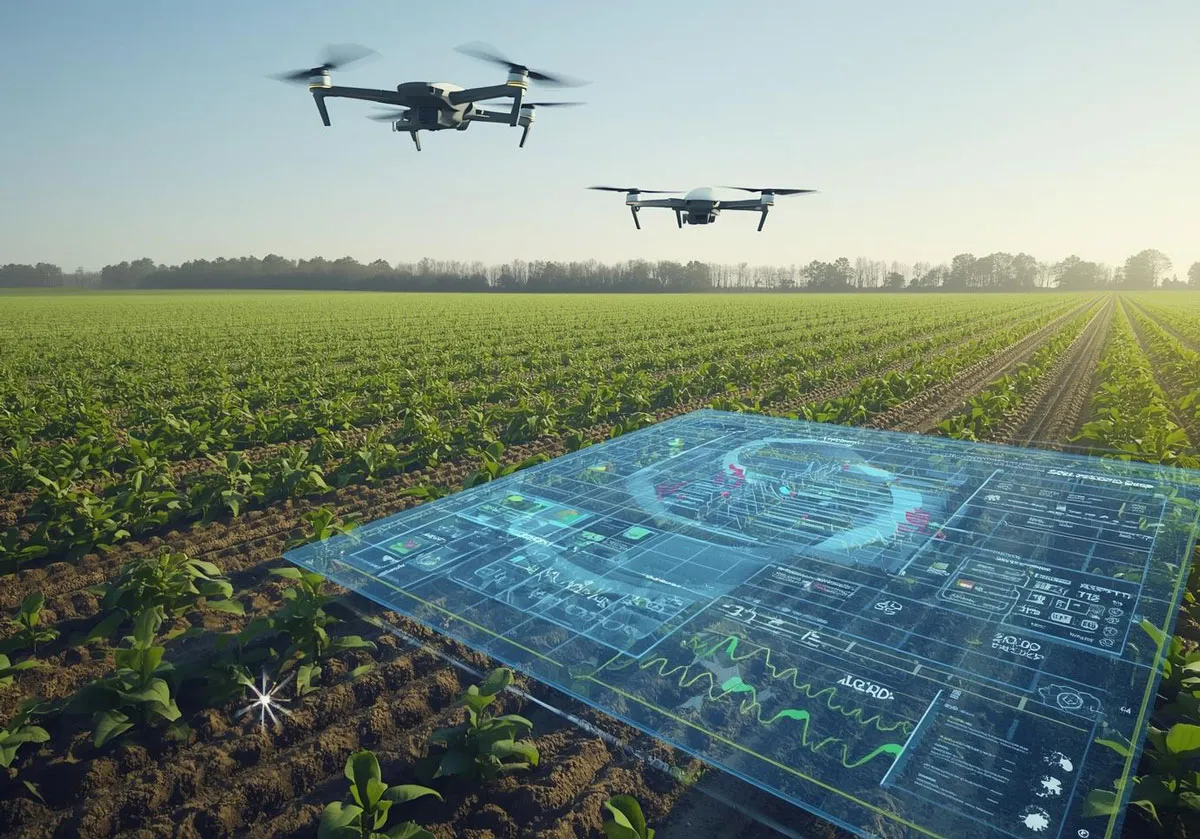
The use of Internet of Things tools, including drones, for better monitoring and management of resources in the agricultural industry
Credit: Techprithibi
Biotechnology and gene editing also helped to develop crops resistant to drought and disease, increasing nutritional value and reducing food waste. Urban agricultural innovations such as vertical cultivation and smart greenhouses also enabled production with much less water and land consumption and increased food security. It can be said that the scientific achievements of agriculture and nutrition in 2025 showed that the future of food depends on the convergence of advanced technologies with sustainable and nature-oriented approaches.
In addition, the production of bioplastics from agricultural wastes has increased the hope of using biodegradable resources. In 2025, a clear, strong and fully biodegradable plastic packaging material called Grasstic was introduced, which is derived from cereal stalk waste (such as straw) and offers a sustainable alternative to traditional plastics.

opens in new tab
outstanding scientific marks; Awards and evaluations of the year
The scientific awards given in 2025 also indicated important research directions. The 2025 Nobel laureates in chemistry and physics were dedicated to fundamental research in materials such as metal-organic frameworks (MOFs) and quantum physics and related technologies. In the field of medicine, researches in the field of environmental safety tolerance mechanism attracted attention. These awards show how long-term investment in basic science leads to practical achievements and innovation. In the world of mathematics 2025, the “Abel Prize” was awarded to fundamental activities in the field of algebraic analysis and representation theory.
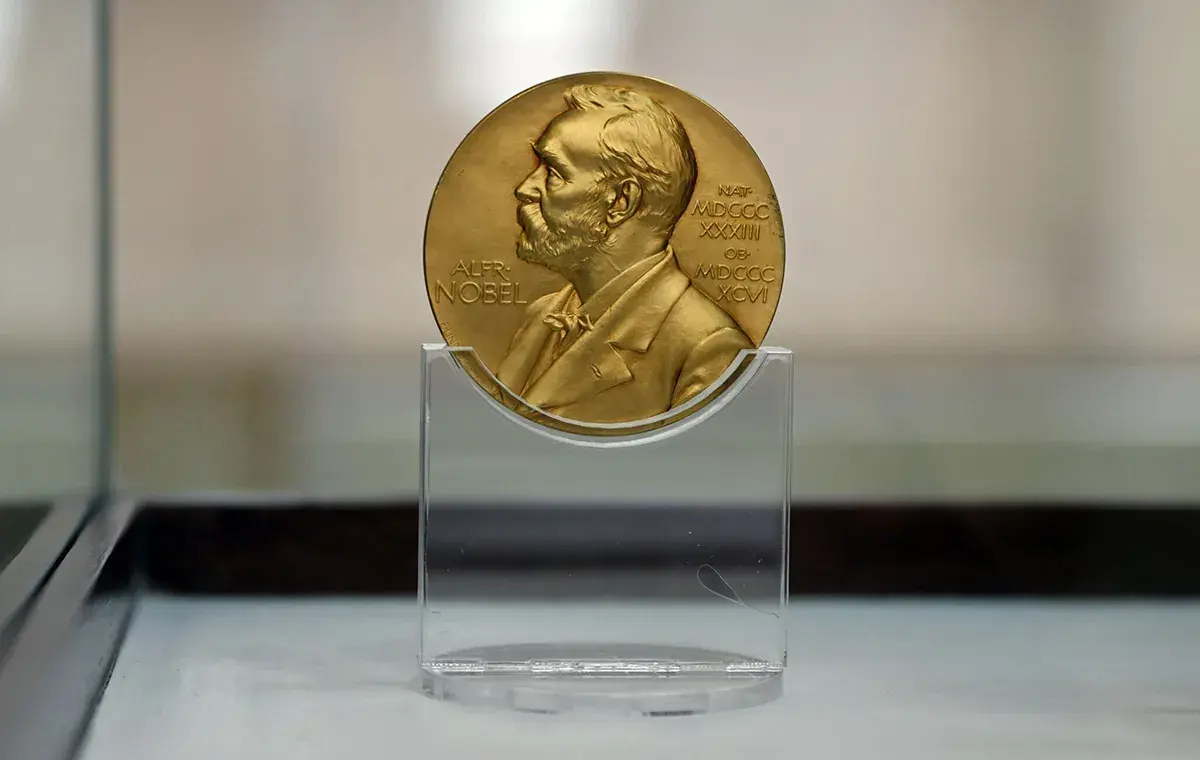
2025 years of interdisciplinary sciences
One of the important points of the world of science in 2025 was the convergence of different fields of knowledge, which played a prominent role in advancing the application of science in society, to the extent that in some scientific circles, this year is referred to as the year of “The Great Convergence”. However, some of these developments have simultaneously highlighted ethical concerns about privacy and algorithmic bias, suggesting that new technologies require more rigorous legal and ethical frameworks.
One of the most important areas of convergence should be the integration of artificial intelligence in science, especially the link between biology and artificial intelligence or Bio-AI; Where artificial intelligence has practically taken over the role of the driving engine of biology. As mentioned, a significant part of new preclinical drugs were designed with the help of artificial intelligence models, and systems such as AlphaFold 3 predicted complex molecular structures and interactions with high accuracy. Personalized medicine also took a big leap, and by combining genetic data and artificial intelligence, treatments were tailored to the individual characteristics of each patient more than ever before.
In 2025, neurotechnology reached real applications from the laboratory. “Brain-computer interfaces” (BCIs) have widely reached the clinical stages, allowing paralyzed patients to control digital devices and robotic arms and even experience signs of regaining their sense of touch. Besides, on the one hand, the development of quantum computers made it possible to solve some real problems of quantum chemistry and material science; From simulating new catalysts for batteries and fuel cells to finding low-consumption alternatives to the Haber-Bosch process, which is an important step on the way to sustainable agriculture and reducing global energy consumption.
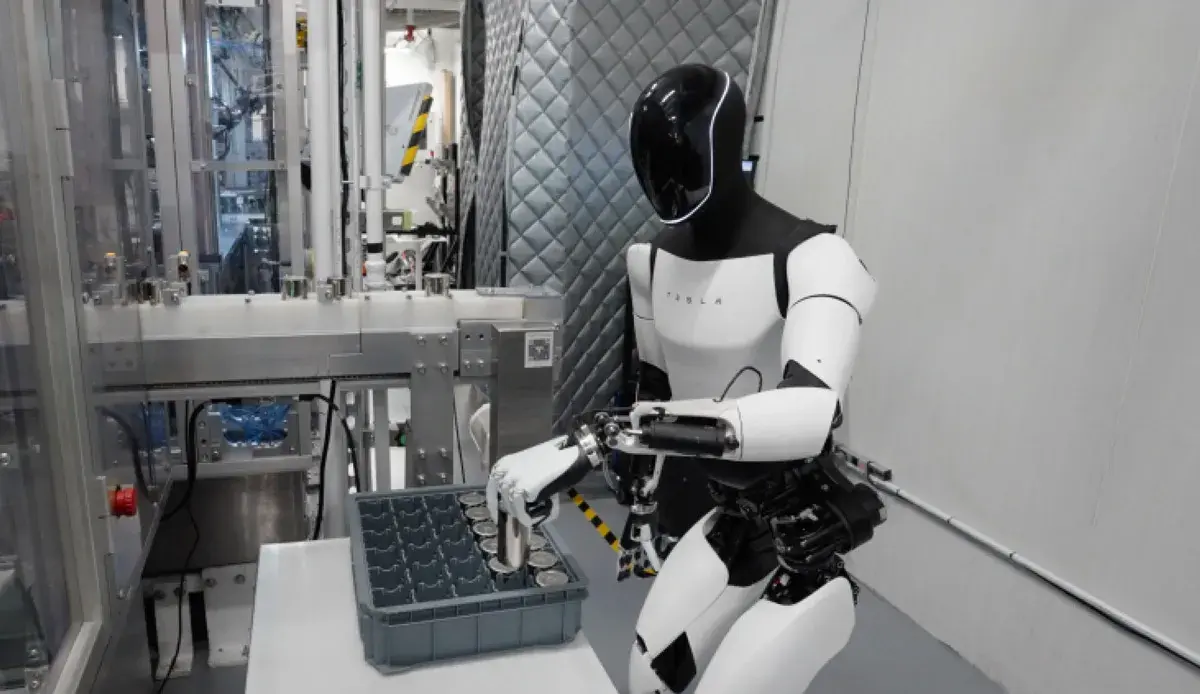
Optimus Tesla humanoid robot
Credit: Tesla
And of course, the real emergence of humanoid robotics should not be ignored. By equipping robots with reproductive artificial intelligence, the concept of artificial intelligence has now become a body, and robots are no longer limited to executing predetermined commands, but can understand vague human commands and act autonomously in complex environments. Especially, in 2025, the significant reduction in production cost provided the basis for their entry into small industries and social applications such as elderly care, and initiated the transformation of advanced robotics into a real part of everyday life.
Significance of science events in 2025
At a glance, science in 2025 was a combination of rapid technological progress and environmental warnings. From very powerful language models and a practical step towards nuclear fusion energy to the recording of historical global temperatures and space observations that moved the boundaries of knowledge, they have a clear message that science accelerated not only the production of new knowledge, but also the creation of political and social imperatives. A scientific look at macro issues is important in the sense that decisions made in the coming years, especially in the field of artificial intelligence regulations, clean energy investment and climate adaptation, can have multi-decadal effects.
Sources: Space, National Geographic, IAEA, Edelman, Popular Science, Inpart

RCO NEWS