


As the autumn season begins and the cooling of the air, the sinusitis will be re -found. The nose and the inflamed sinuses take away many; From students to school with red nose and headaches to adults who have been struggling with this chronic disease for many years. Sinusitis can turn a simple cold into a long nightmare and keep the person tired and bored. In such circumstances, the question often arises as to what is the best antibiotics for sinusitis and how to get rid of sinus infections faster? To find the most powerful antibiotics for each person, check out the list we’ve mentioned below.
Types of chemicals for sinusitis
Before examining the list of the best antibiotics, it is best to examine the way and the role of each drug on sinus infection. Depending on the severity of the symptoms and the underlying agent, your doctor may take several medications to relieve and treat sinusitis. Types of chemical drugs effective in improving symptoms of sinusitis are:
Antiquities
Nasal anti -nasal anti -oxytazolin and phenylefin sprays help reduce clogging and opening the sinuses. These sprays should only be used in the short term (up to 2 days), as more consumption can cause a more severe return on nasal congestion.
Nose steroid
Topical corticosteroids such as fluticazone sprays, mommazone or triamcinolone help reduce inflammation and swelling of the sinuses. These sprays can be used for longer periods by prescribing a physician, as long -term use of them does not exacerbate symptoms.
Antihistamines
If the sinusitis is associated with allergies, antihistamine drugs such as styrizine or lratadine can be effective. By reducing allergic reactions, these drugs help improve secretion and congestion caused by allergic inflammation.
Painkillers and analgesics
Sinus infection is often associated with headaches, facial pain and fever. Consumption of painkillers such as acetaminophen or ibuprofen can help reduce pain and fever caused by sinusitis. Aspirin should not be used in children, of course.
Antibiotics
Antibiotics are the strongest sinusitis drug and are prescribed when the sinus infection is of bacterial origin. These drugs directly target and destroy the bacteria that cause the infection, thereby accelerating the recovery process. However, it should be noted that always the strongest antibiotics for sinusitis does not mean the best option; The choice of appropriate antibiotics depends on the type of bacteria and the patient’s condition. Arbitrary or over -consumption of antibiotics can also cause side effects (such as gastrointestinal problems and allergic reactions) and, more importantly, drug resistance in bacteria. As a result, the selection of the strongest antibiotics for sinusitis should only be done by a physician.
488,400
345,000
Toman
The best antibiotics for chronic sinusitis
In cases where sinusitis occurs chronic or severe in adults, it is usually time for antibiotics after failing to fail other methods such as nasal sprays and analgesics. The best antibiotics of adult sinusitis can vary depending on the severity of the infection, the type of bacteria and the medical history of the individual. Here are some of the most common and strongest antibiotics of chronic sinusitis in adults:
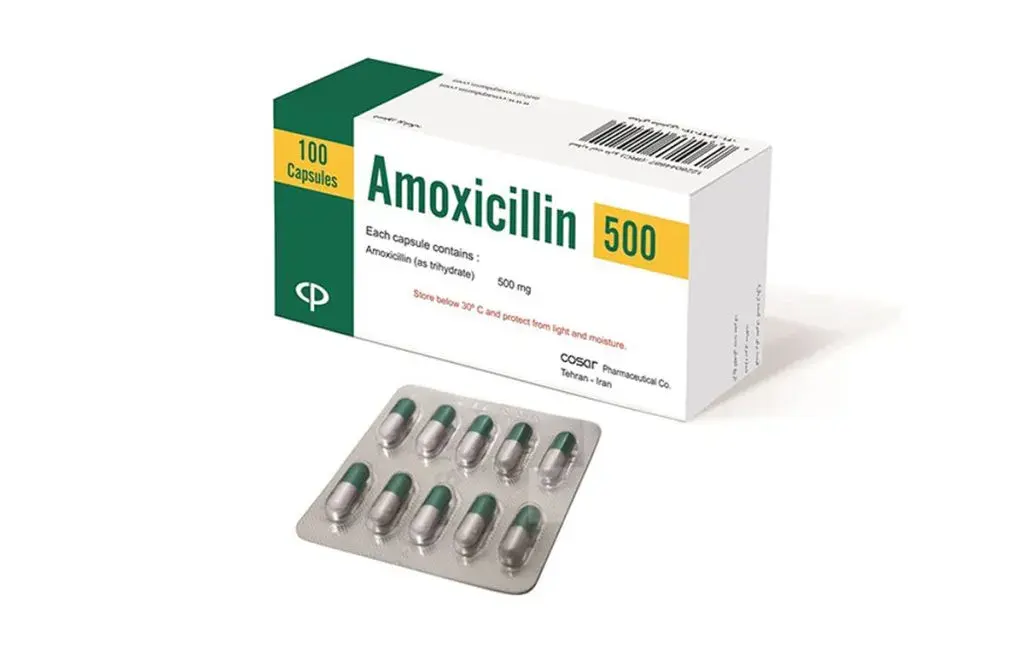
1. Amoxicillin
Amoxicillin is the most common antibiotic for the treatment of sinusitis, which is usually prescribed in a 1 to 2 -day period. Its advantage is good effectiveness and low complications (such as mild nausea or diarrhea), but if penicillin sensitivity should not be consumed and some bacteria may be resistant to it.
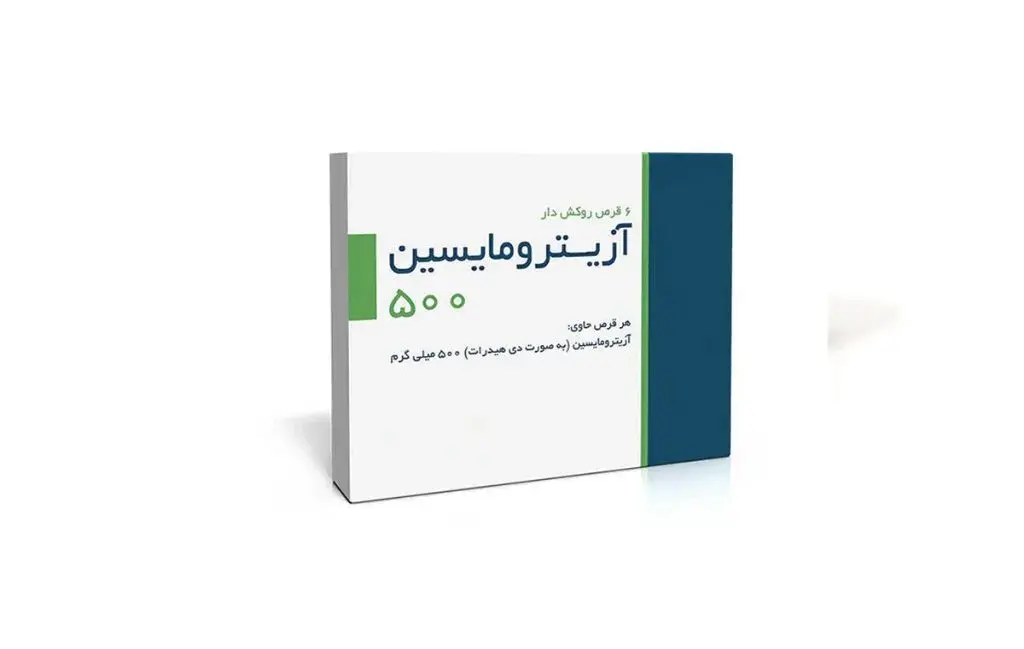
2. azithromycin
Azithromycin is a macrolide family and is prescribed when the patient is allergic to penicillin or other treatments are not effective. It has a shorter use period (often 2 days) and is easy to use daily. Gastrointestinal complications such as heartburn or diarrhea may occur, but are usually mild and temporary.
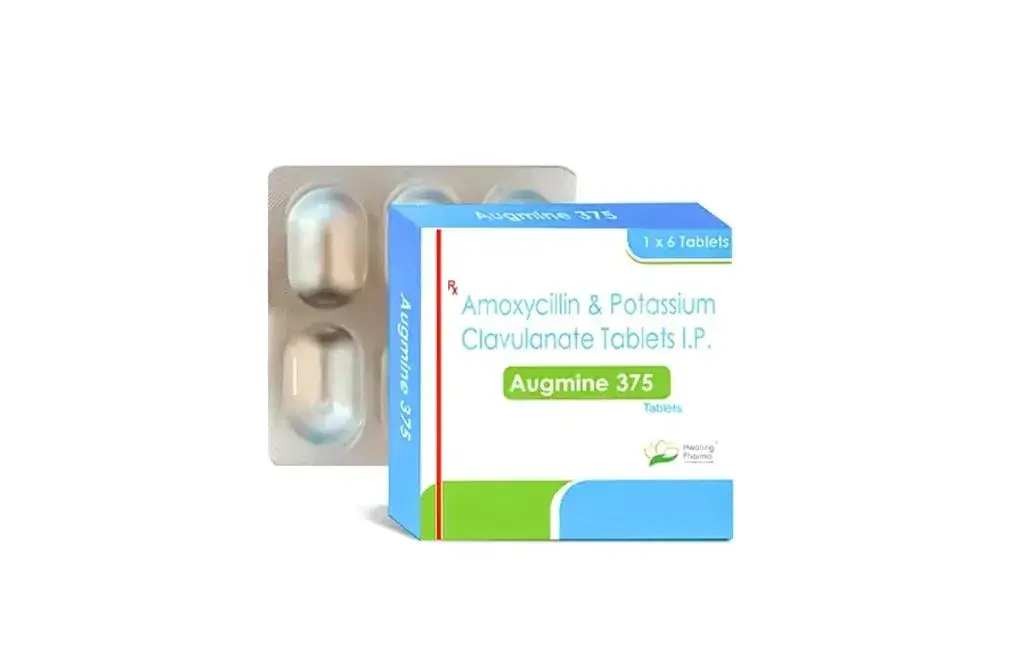
3. Coamoxyclave (amoxicillin/clavololanic acid)
Cumoxyclave (amoxicillin compound with clololanic acid) is a very strong antibiotic for severe sinusitis. This compound has more effectiveness than amoxicillin by neutralizing bacterial resistance enzymes. However, the risk of side effects such as diarrhea and stomach upset is slightly higher and it is recommended only by your doctor’s prescription.
4
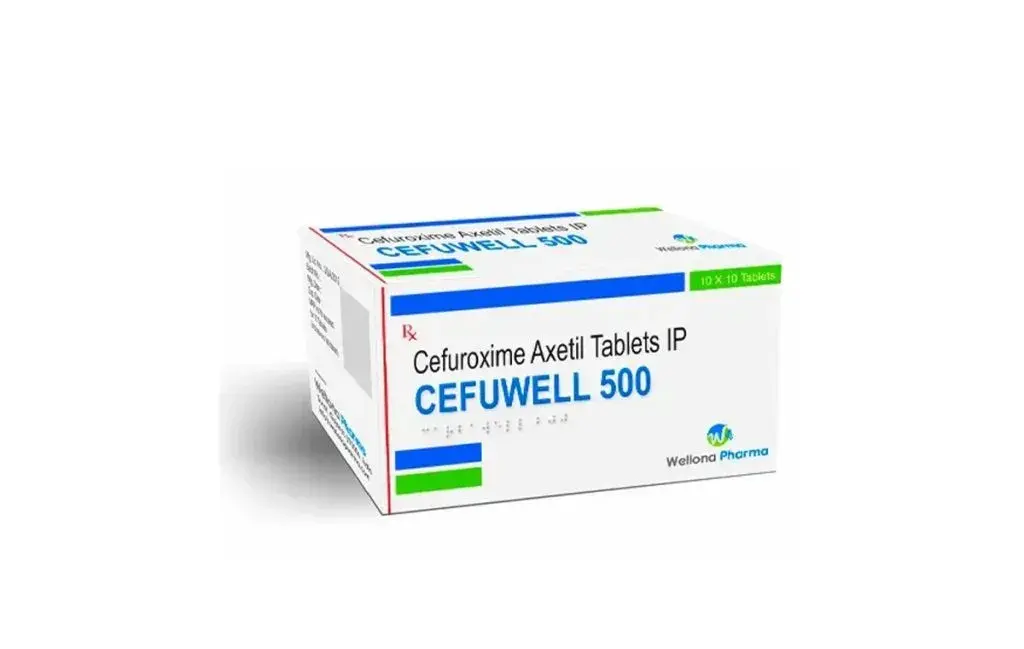
Cephalosporins (such as cefixime or syfiroxime) are antibiotics that are used if they are resistant or not responded to initial treatments. These drugs cover a wide range of bacteria and can cure stubborn sinus infections. It should be noted that people with severe sensitivity to penicillin may also respond to cephalosporins. The side effects of these drugs are usually mild.
5. Claritromycin
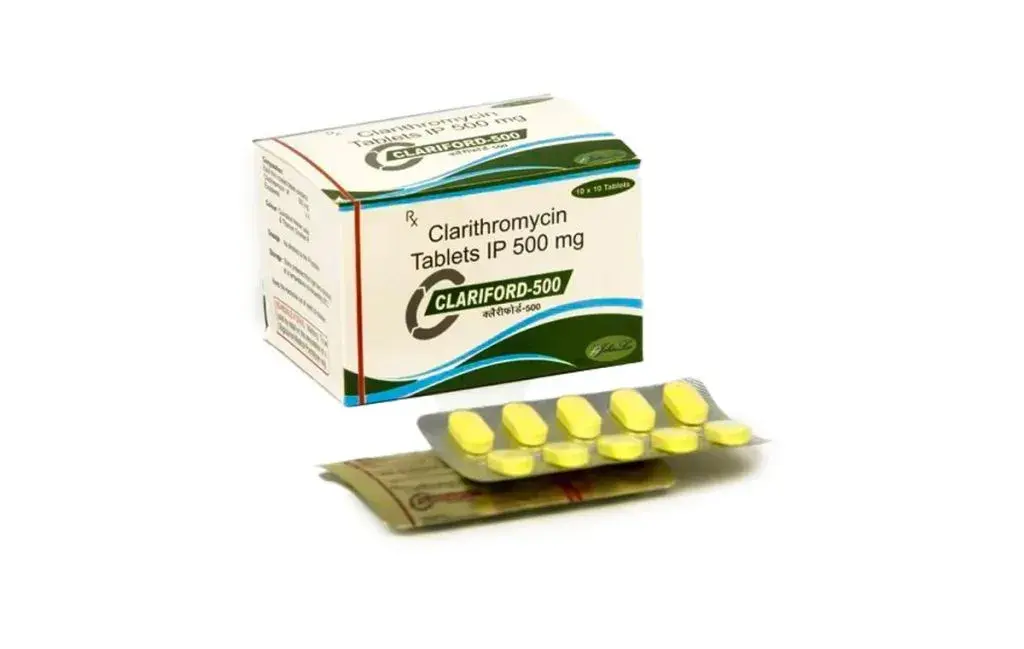
Claritromycin is also a macrolide and is similar to azithromycin in the treatment of sinusitis. It is usually taken twice a day and is a good option for people who cannot take penicillin. Claritromycin eliminates many sinusitis -operated bacteria and completion of its treatment period is essential for complete effectiveness. The side effects of this drug are similar to azithromycin and are limited to mild gastrointestinal problems.
6
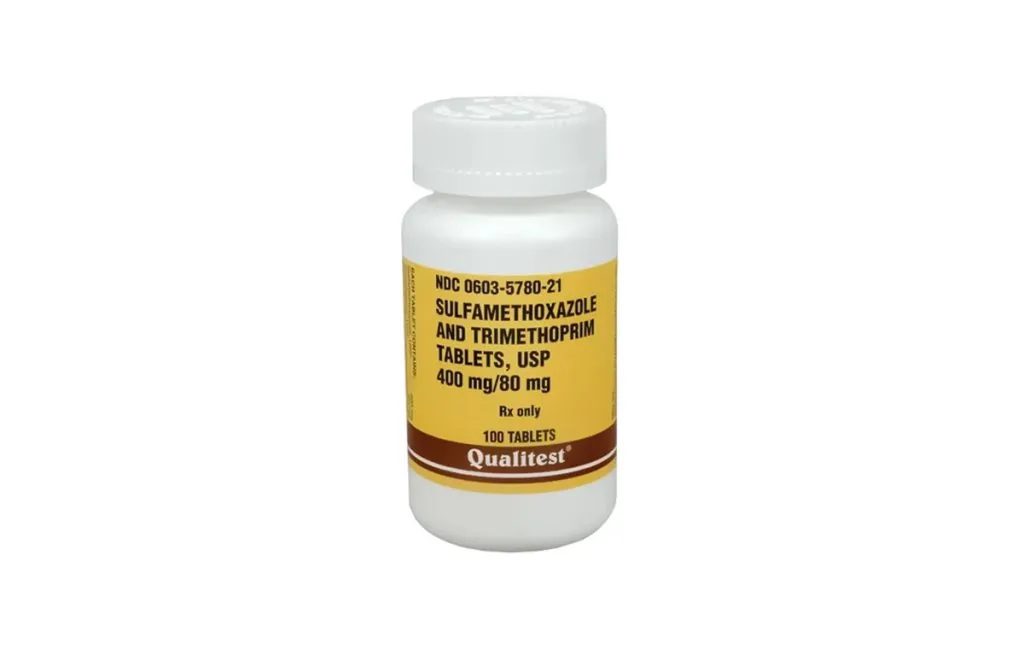
Sulfametocosazole (often in the combination of trimocolmol with triathtopperm) is an old antibiotic used if needed as an alternative. It is effective on a number of sinusitis bacteria, although its resistance is relatively common today. Since there is a possibility of sensitivity to sulfametocosazole, it should be used with caution. The most common complications are skin lesions and gastrointestinal discomfort.
7
Trymethopoprium is not widely used for sinusitis and is usually prescribed with sulfametocosmole (in the form of cotrimekazol) to complete the effect of both drugs.
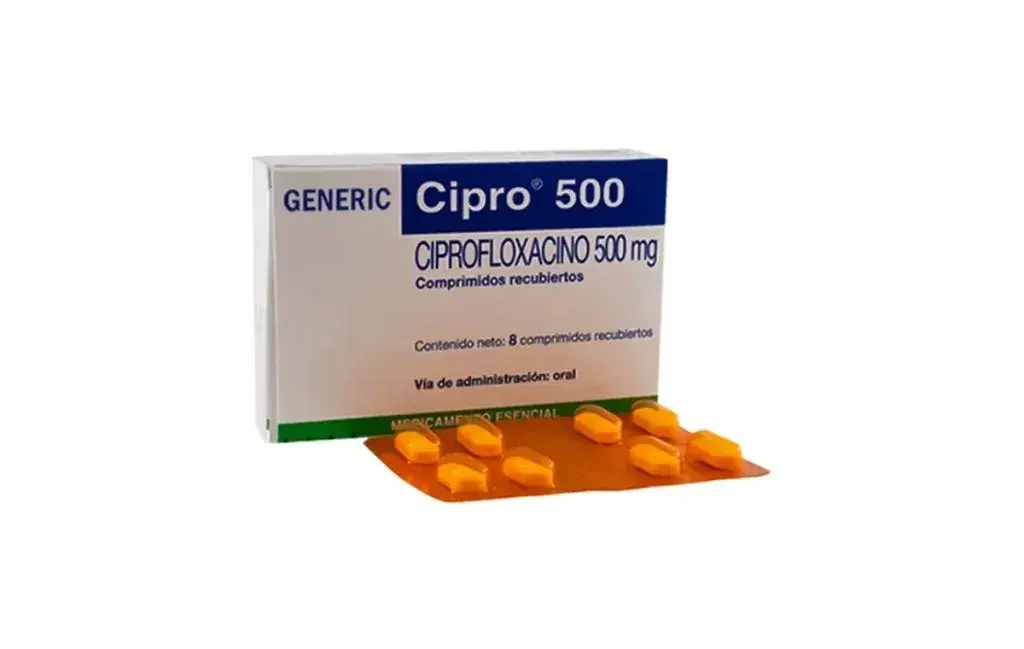
8. Ciprofluxxin
Ciprofloxacin is a very strong antibiotic (from the fluoroquinolone family) that is commonly used in complex or resistant sinusitis. It can destroy the stubborn bacteria, but due to the possibility of serious complications (such as tendon or nerve damage), it should only be taken if necessary and under the supervision of a physician. Ciprofloxacin is not recommended for children, and consumption in adults also requires careful observance of medical instructions.
The best antibiotics for children’s sinusitis
Treatment of sinusitis should be done under the supervision of a specialist physician; Arbitrary antibiotic use is dangerous in the child because the appropriate dose is regulated by weight and age, and inappropriate use can cause serious complications and microbial resistance in addition to being ineffective. The best antibiotics for infection of children’s sinusitis are also determined by the physician based on the weight, age and severity of the disease. Here are some groups of common antibiotics for the treatment of sinusitis:
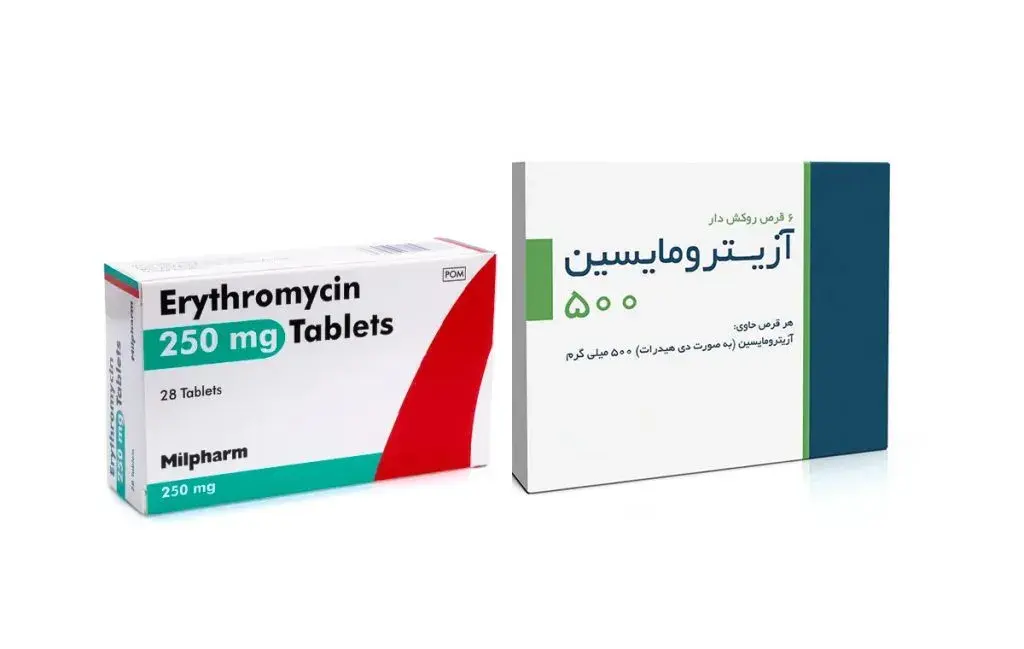
1. Macrolide antibiotics
Macromular antibiotics such as azithromycin and erythromycin are prescribed by a physician if the baby is allergic to penicillin or is needed for an alternative medication. These drugs also have syrup form, and some of their treatment (such as azithromycin) is shorter, which is more desirable for children. Possible side effects of macrolides are mild and are usually limited to pain or diarrhea.
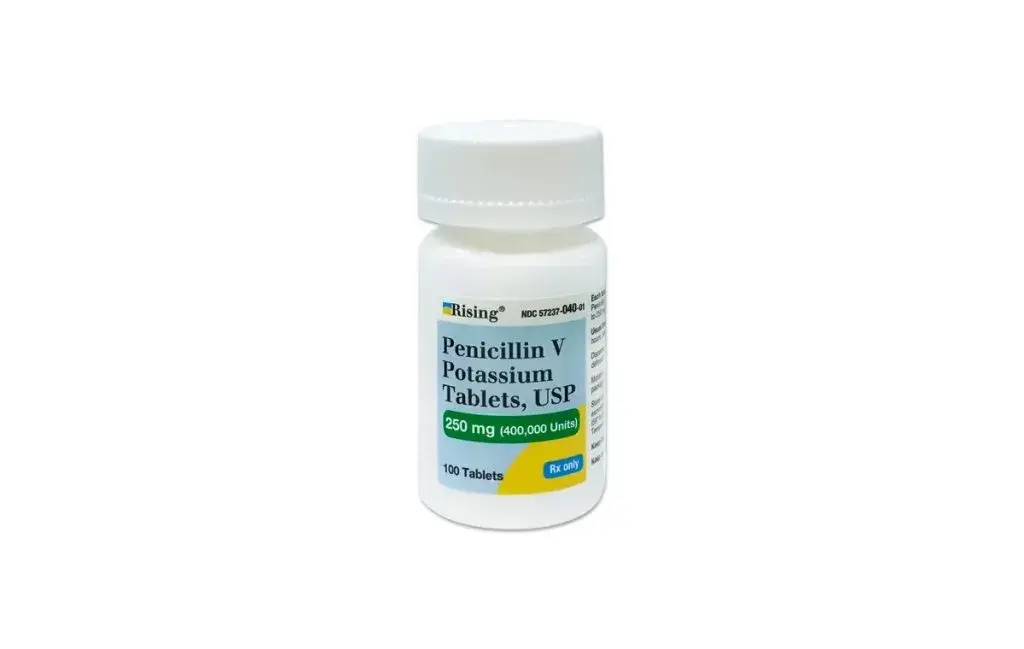
2. Penicillin antibiotics
Penicillins are the first choice for the treatment of children’s sinusitis. Proper dose amoxicillin is usually prescribed for 1 to 2 days and in most cases well relieves the baby’s sinus infection. If the infection is severe or the possibility of microbial resistance, your doctor may prescribe coamoxyclave. These antibiotics are usually tolerable to children. The most important drawback of penicillins is the possibility of sensitivity in some children, which is not very common.
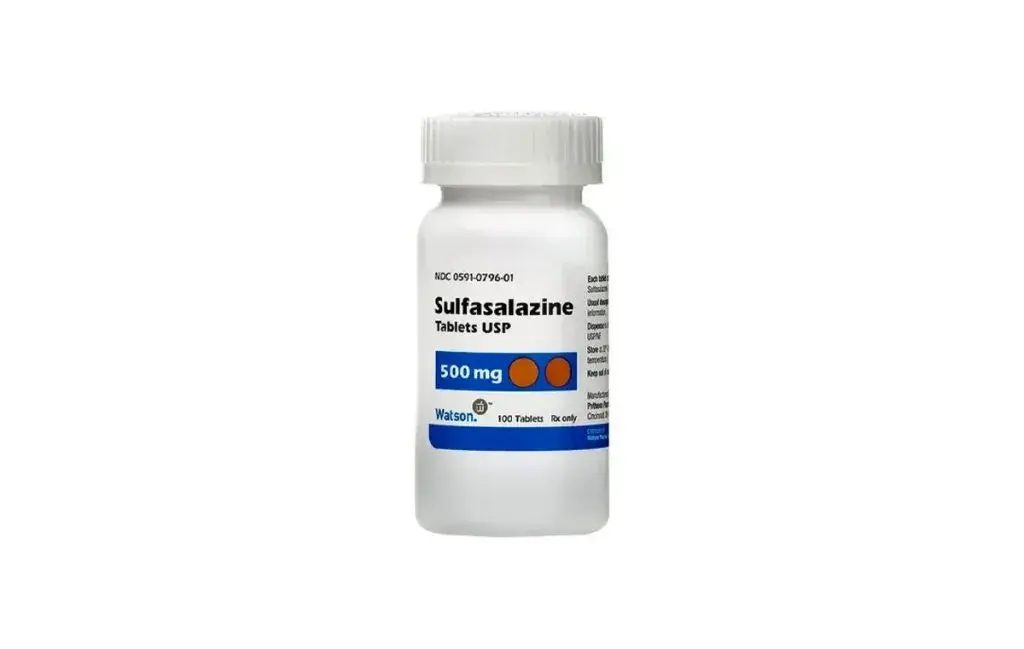
3. Sulfonamide antibiotics
Sulfonamides (such as cotrimekazol, which is a combination of triathtopperm/sulfametamedocol), are used in children when other antibiotics are not effective or usable. It can inhibit sinus bacteria, but because of the likelihood of high sensitivity (such as skin rashes and fever), it is less used as the first choice. Your doctor may prescribe this drug in certain cases, which must be completed. It is not recommended to use these drugs in infants.
Other methods of treatment of sinusitis
Sinusitis is time consuming and does not always require antibiotics. In cases of severe or severe obstruction, endoscopic sinus surgery is the ultimate solution to open ducts and reduce recurrence. In addition, home -made methods and traditional medicine such as incense (thyme, chamomile, eucalyptus) or ginger and honey help relieve inflammation and headaches. These procedures do not have the complications of chemical drugs, but do not replace medical treatment in severe infections. Finally, the best antibiotics for sinusitis infection should only be selected by a physician and can be prevented by recurring health and safety.


RCO NEWS