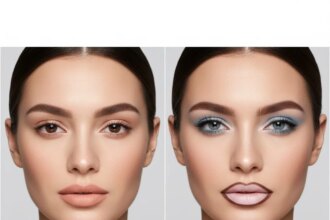


Inspired by the Rock music of the 1980s, Velvet Sundown was managed to reach more than a million monthly listeners in Spatifa just a month after its first album was released. But just when their fans were expecting a concert or television interview, no one is a real group member.
All sounds, songs, images and even members of the band have been produced with the help of advanced artificial intelligence algorithms.
The band’s first album, Floating on Echoes, was released on June 6, and with an anti -war song called Dust on the Wind, the top of the “Viral 2” table in the UK, Norway and Sweden.
But some users carefully identified the cover photos and images released on the group’s Facebook group: the boiling fingers of the guitar player, the microphone strap that disappears in the singer’s arm, and the overwhelming quality of the faces; Everyone was one of the common signs of artificial intelligence imagery.

In his latest spattery update, the group confessed: “Volute Sun Dawn is an artificial intelligence project that has been implemented and illustrated by human guidance using artificial intelligence technologies. This is not a trick; It is a mirror to think of the borders of the Creator, identity and the future of music in the AI. “
In fact, members of this imaginary group have released two complete albums within a month, and the third album is coming for mid -July; A rhythm that no living human can handle.
After the rumors rise, some profiteers even tried to abuse the Weeral atmosphere. A webmaster in Quebec, Canada, fake, Andrew Ferlon (meaning Red Bee!) As a group spokesman and gave the media fake information. But he soon admitted that he had just entered the game to “Troll”.
While it is not yet clear whether Spatifa and other platforms allow such projects to do so, YouTube has announced that it will stop making money from any artificial intelligence content since July 9.
Volute Sundaon is not just an imaginary music band; Rather, it symbolizes a great cultural change in the age of artificial intelligence. The change that challenges the boundary between authentic human art and algorithmic creativity. In a world where sound, image, personality, and emotions can be rebuilt artificial and high quality, perhaps the main question is: Where is real art?

RCO NEWS