

Video games are one of the most popular and influential forms of entertainment in the world today. The industry not only has a wide audience of all ages, but with a wide variety of genres and styles, it has been able to respond to different needs and interests of gamers. From exciting adventures in fantasy worlds to realistic experiences that immerse players in real environments, different genres of games each have their own characteristics and experiences to the players. A better understanding of these genres and the differences between them helps players to better understand games that fit their taste and interest and have a more enjoyable experience than games.
RPG is one of the most popular and extensive styles in the world of video game. In this genre, the player enters the story in the form of characters or characters, and his decisions can change the process. These games have taken their gameplay style from traditional desktop games such as black holes and dragons (Dungeons & Dragons). In most of these games, the player plays a character who grows in power and experience throughout the game. By overcoming the difficult challenges or defeating the monsters, the player obtains the experience of the XP, which represents the progress of the selected class such as the battle of Don or long -range spells, and after obtaining a certain amount of these privileges, the player can gain new abilities.
Many role -playing games have an open world that is usually filled with monsters and enables access to more important game locations such as cities, black holes and castles. Since the popularity of paper -and -pen games coincided with the advent of low -cost home computers, this style was one of the first genres of video game and still maintained its popularity. Elements of gameplay that are heavily related to role -playing games, such as the statistical progress of the character through experience gaining the score, have also widely reached other genres, such as adventure action games.
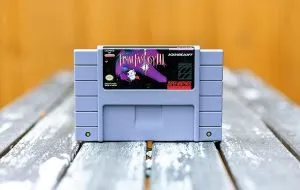
Although almost all of the early works of this style of playing games were, many modern role -playing games are moving simultaneously. As such, this style, like strategic games, has followed the process of moving from the struggle to the simultaneous struggle. This change began with the release of Final Fantasy; The game was the first HEVD to use the Active Time Battle. Subsequently, games with action role -playing elements such as Mana, Soul Blazer and Ultima VII were released. However, there are old -fashioned systems.
Classic Role (Classic RPG)
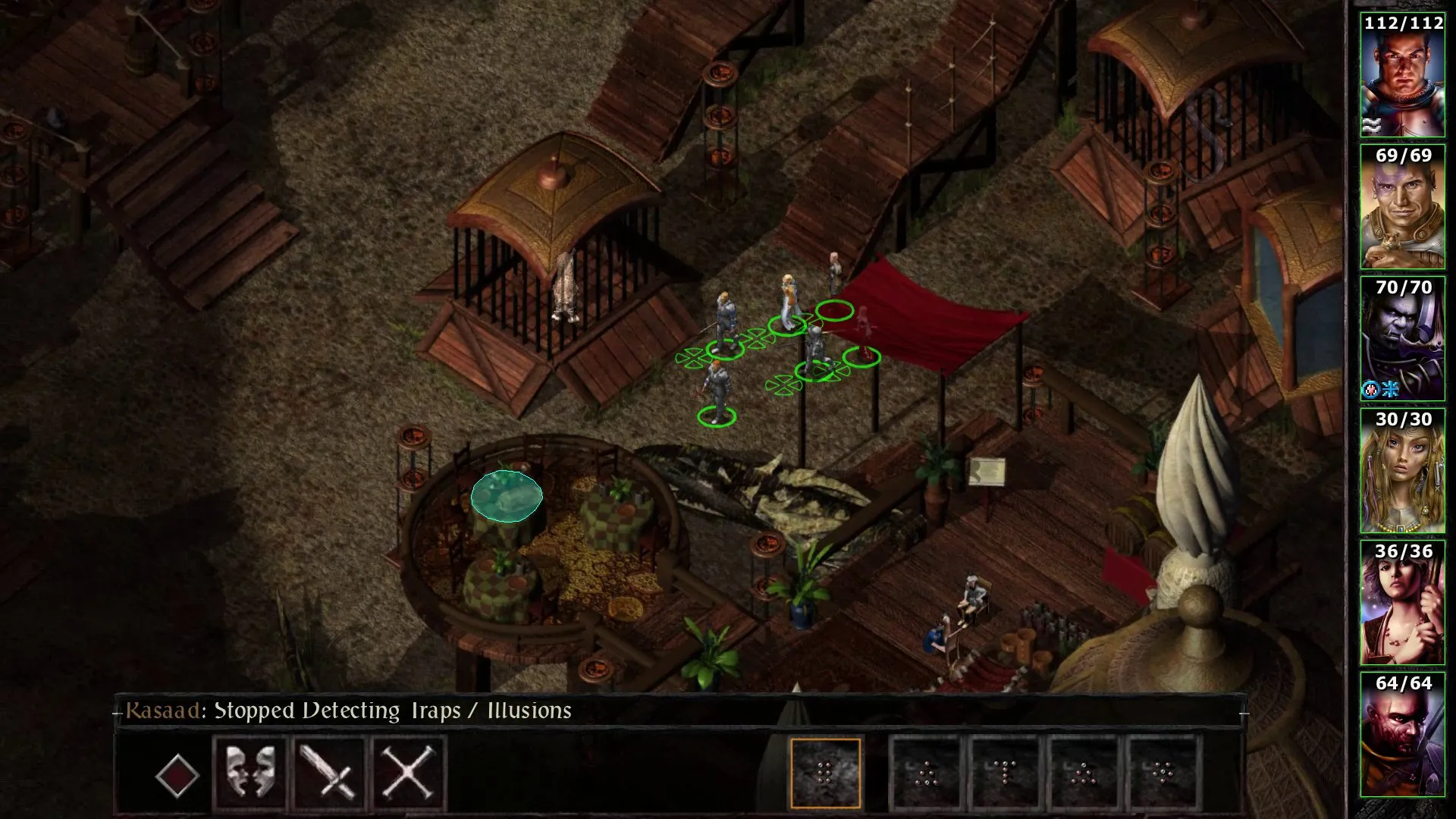
Baldur’s Gate: Enhanced Edition
The classic role -playing genre, commonly called Computer Role Playing Game, is rooted in desktop games such as D&D, and in the 1980s and 1980s, its digital form was consolidated with works such as Wizardry, Ultima and Baldos Gate in the video game world. In this genre, the player plays the role of one or more fictional characters, and through the exploration of widespread worlds, dialogue with unexpected characters and ethical decisions, a deep and story -oriented experience. The key features of classical role -playing include advanced personality systems, complex or simultaneous struggles, and a strong emphasis on fictional narrative. The Dungeon RPG style, which includes special role -playing games such as Damnation of Gods, in which the player directs a group of adventurers through a black hole or a labyrinth, and usually flows into a network -based or grid environment.
Classical role -playing games usually give players a lot of freedom of action; So that their choices throughout the game can have a direct impact on the process of storytelling and its ending. The genre has been admired for the depth of gameplay mechanics, skill upgrading systems, extensive sub -missions, and the creation of living and dynamic worlds. While more modern species of role -playing are common today, classic games still have a lot of fans and inspire many new works in this genre.
Japanese role -playing (JRPG)
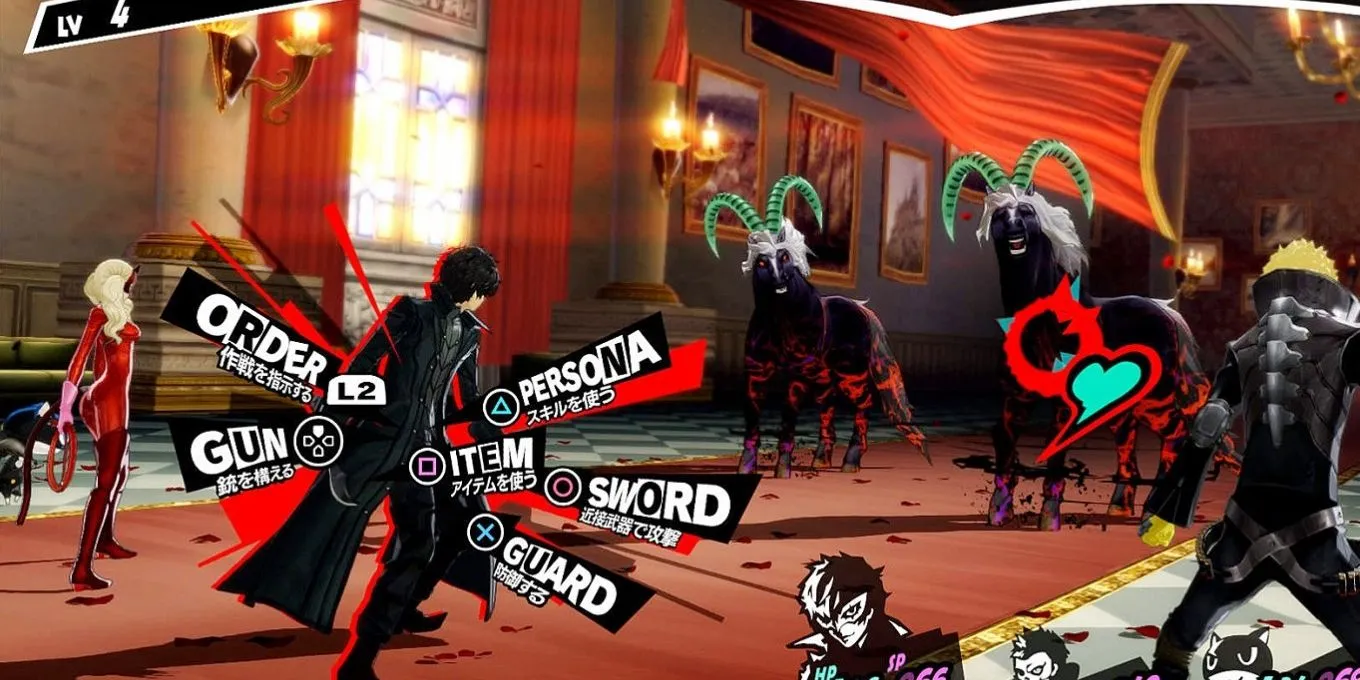
Persona 5 Royal
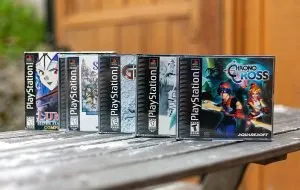
The Japanese role -playing genre is one of the popular subdivisions of the role -playing games rooted in Japanese gaming culture. This style is commonly known by a strong storytelling, pre -made characters, and a specific visual design that is often inspired by anime and manga. In these games, the player usually leads a group of heroes who go to fight against evil forces on an adventurous journey. The genre’s struggle system may be Nobetia Active Time, a feature that distinguishes it from Western styles.
Over the past decades, these games have had a huge impact on the video game industry, and works such as Final Fantasy, Dragon Quet and Persona have become the prominent works of this style. The genre usually focuses on story progress and personality development and uses emotional and philosophical themes, such as friendship, destiny, sacrifice and identity. In addition, the Japanese role -playing gameplay has traditionally included levels, experience gaining experience, resource management and exploration in fantasy worlds. However, the world of these games is usually more limited than classic role -playing works. The popularity of these games, including the Final Fantasy and Persona series, has expanded beyond Japan‘s borders today and has inspired new generations of gamers around the world.
Action Role (ARPG)

The Witcher 3: Wild Hunt
The role -playing genre is a combination of the elements of action and role -playing games that focuses on rapid gameplay and simultaneous struggles, while there are still role -playing features such as personality promotion, resource management and complex stories. In this style of games, the player usually controls a character in a broad and usually open world and has to fight enemies in different environments. In these types of games, unlike traditional role -playing games, the player must apply his individual skills while fighting and the struggles are played simultaneously. As a result, the player faces a variety of challenges as he enhances his personality level and capabilities that require rapid response and strategy in the moment.
The role -playing action games often borrow different elements of adventure action or action games. Some of the earliest action role -playing games were made in the 1980s by Nihon Falcom, such as Dragon Seller and YS. Later, games called the so -called Diablo Clone were also added to the genre. Action role -playing has gained a lot of fans due to the attractive gameplay of action and the depth of the role -playing systems and has become one of the most popular genres in the gaming industry.
Subsidiaries of this style include Soulzelic. Soulslak games refers to games inspired by the style and mechanisms of the Dark Souls series. These games are usually challenging and put players in difficult and complex situations that require accuracy, strategy and focus. The campaigns in these games are often slow and calculated and react strongly to small mistakes. Also, in the Soulslak games, death is part of the game process and is considered as a learning tool for the player. Many of these games design the game world open and non -linear, where exploring and discovering the vast world, hidden stories and stories form a large part of the game’s experience. This style of games, especially among the fans of challenging games, has gained popularity.
MMO role

World of Warcraft
Multiplayed online playing games (MMORPG) emerged in the mid -1980s as a commercial and graphic version of text games that existed in the 1970s. In general, MMORPG has the usual features of role -playing games such as missions and strengthen the player’s personality, but these games include hundreds of players who interact with each other in a big world. In these games, it is important to upload the avatar, and many players focus on their time to get out of the proud struggle. These games include Worldwide Warcraft and Final Fantasi 14. In these games, social interactions and collaboration between players play a very important role in the experience of playing, so that multiplayer teams must work together to carry out missions and deal with difficult challenges.

Tactical Role (Tactical RPG)
Tactics Ogre: Reborn
Tactical role -playing style mainly refers to games that use strategy gameplay as an alternative to traditional role -playing systems. Like standard role -playing games, the player controls a limited group and fights with a similar number of enemies, but the genre encompasses strategic gameplay elements such as tactical motion in an isometric network or limited movements. Players must design the best strategies and use the unique skills of each character, given their position and the enemy. This style of play usually includes complex and challenging decisions that require careful thinking and planning. Games like Fire Ambalm and Tactics Ogre are examples of this type of games.
Regardless of the aforementioned subsidiaries, there are some other things, such as monster-monster or monster-cacing. In the games of this style, the player hires monsters to fight or accompany them. Collected creatures can often be trained or nurtured to build stronger monsters or increase their capabilities in the fight. One of the examples of this style is the Pokémon series.

60,770,000
58,399,000
Toman



RCO NEWS