


Sony’s goals for entering the Live Service Games have been less and less, but there are still questions about Bungie and how much the general PlayStation strategy rely on these games.
In many ways, things are going well for Sony for now. The PlayStation 4 console has a very good sales and overall it has done a little better than the PlayStation 2 in the same period, with economic pressures that make the price high in retailers. Its original direct competitor, Microsoft, started the current generation with great hardware, but eventually departed from software monopoly policy for the console and is now one of the largest crisp publishers on the PlayStation platform. Sony, which has a remarkable collection of first -rate studios and IPs, is currently successful in cinema and television adaptations of its games and is lesserly to make a good business business out of its best -selling works, and of course, it will be a lot of sales next year.
Sony’s shaky strategy for live service games
Of course, it’s not that great. If we want to take a long -term look at the situation, it can be said that although the console market has remained in the past two decades, it seems that it has come to a roof that is close to the number of PlayStation 2 users, and the costs are increasing day by day. However, Sony did well in this context of the realities of the market, except for a specific part of the company that has shadowed a big question and has influenced much of its successes.
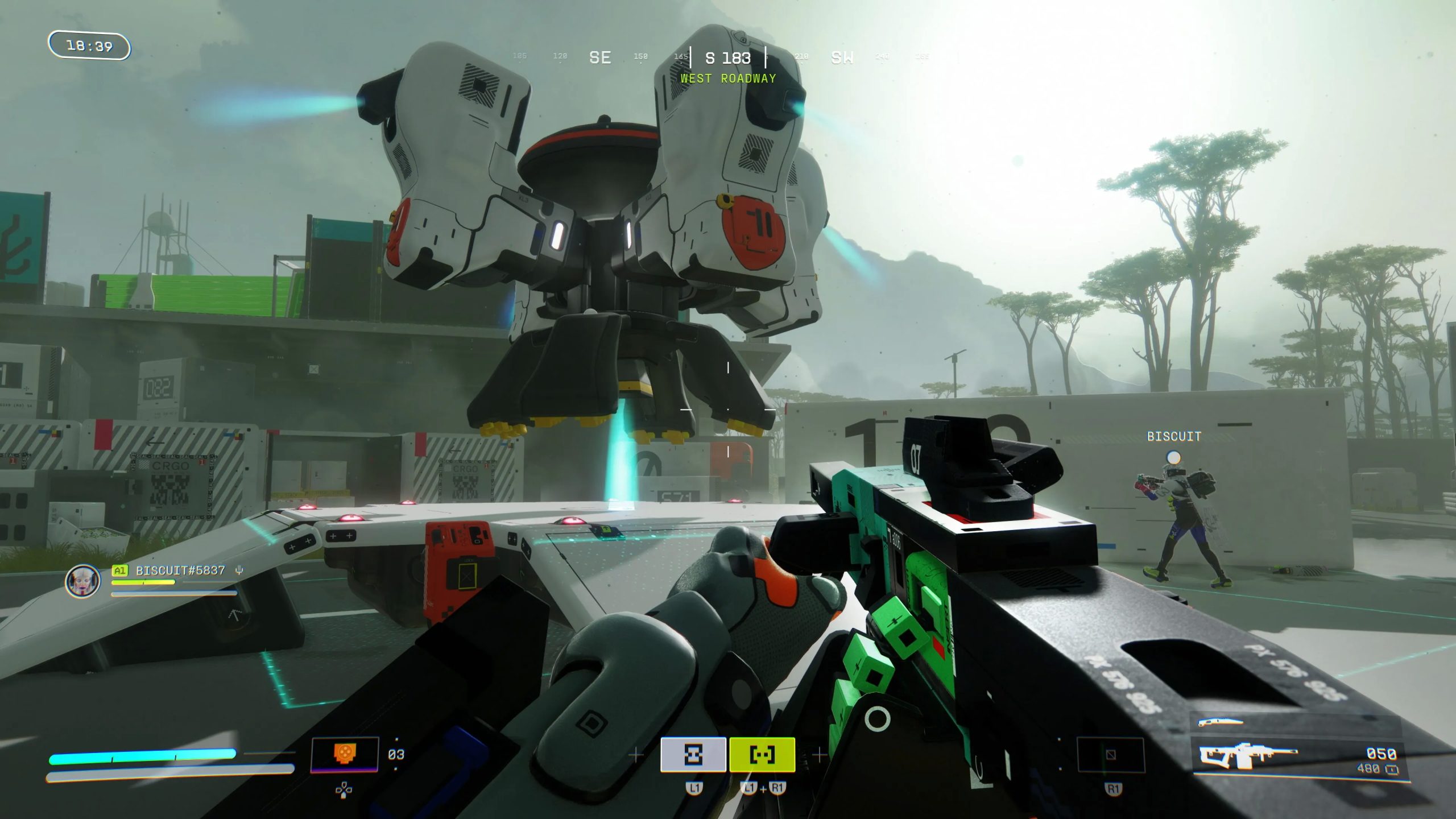
A picture of the marathon gameplay; The latest Live Service work planned for release in October this year.
This strategic puzzle is nothing but a Banji or better, the whole of the content strategy that was about to buy $ 1.5 billion in Banji a year. Although this figure was not a big figure compared to Microsoft’s wasting for the purchase of gaming companies in the same period, it was a very important investment for Sony; The investment aimed at the beginning of a major change in how the game was produced. Sony literally thought of the effects of Live Service seriously. Some influential people in the company believed that the way to achieve explosive growth that could not be achieved through success in hardware and money games was to find the next “Fortnite”.
With his experience in managing the Destiny series, and apparently with several unreadable live service games at the time, he was supposed to be the spine of this strategy, to build his own Live Service games and advise other Sony studios to build similar games based on their own IPs. But in the following years, the strategy was partly out of its main course, especially because the purchase of Banji, instead of being a jewel in the crown of Sony’s Live Service, became something that the company needs to be constantly resolved.
Although it is very difficult to access accurate information about how internal interaction between Banji management and its new owner, Sony, is very difficult, as most disclosures are associated with bias, but it is thought that there is a destructive and complex conflict between the two. What can be said with certainty is that hand -game revenues with the quality of the game and the players’ view of the player are strongly fluctuated, and this has raised doubts about the desire of other Sony studios to follow Banji strategies in the live service. There were also extensive dismissals that raised the question that if Sony’s goal of investing was to attract specialist and talented forces, then why has it left the same people now?

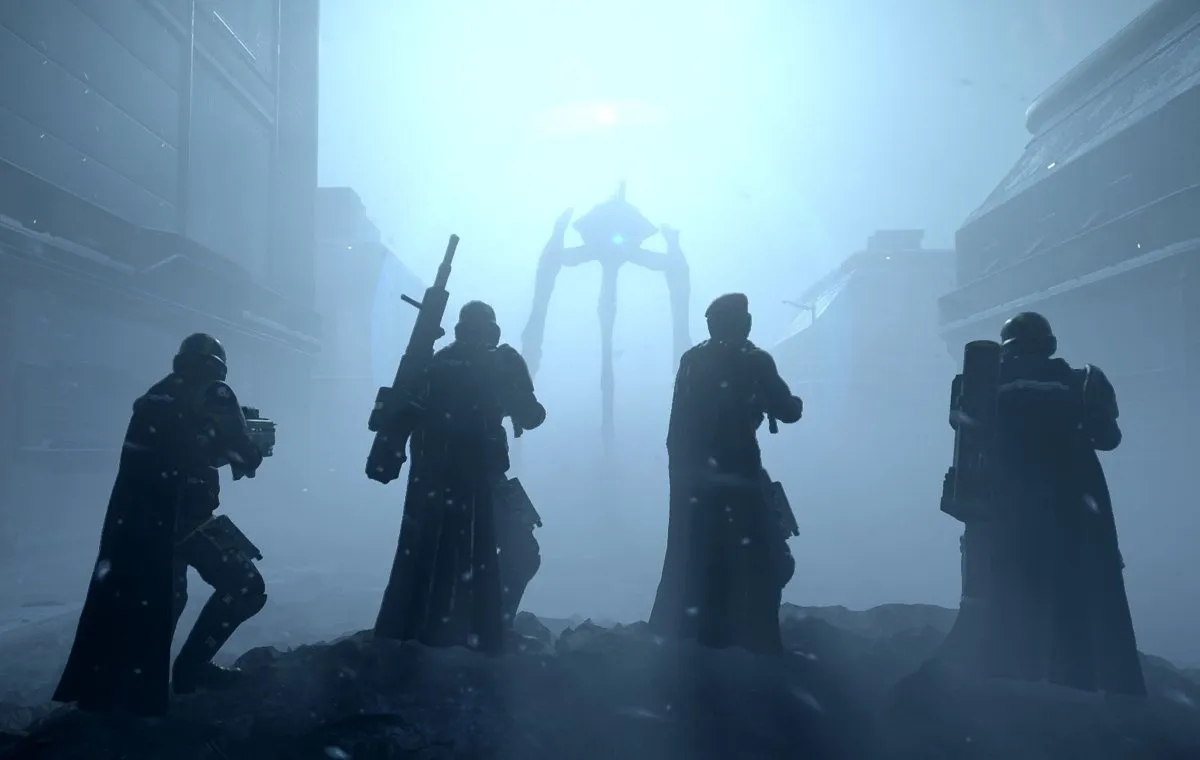
A picture of Helphreys 2; Sony’s Live Service’s most successful effect
Risk insistence
However, Sony’s determination to invest in the future based on live -service games (at least not impressive) has not been so shaken. Initially ambitious plans for the release of 12 live service games were reduced to six games two years ago. While you should keep in mind that games like the MLB The Show 25 are also a live service, although they may not belong to this category at first glance, it seems that even the half number seems to be realized; Especially given the complete failure and the quick closure of one of the few live service games released, Concord.
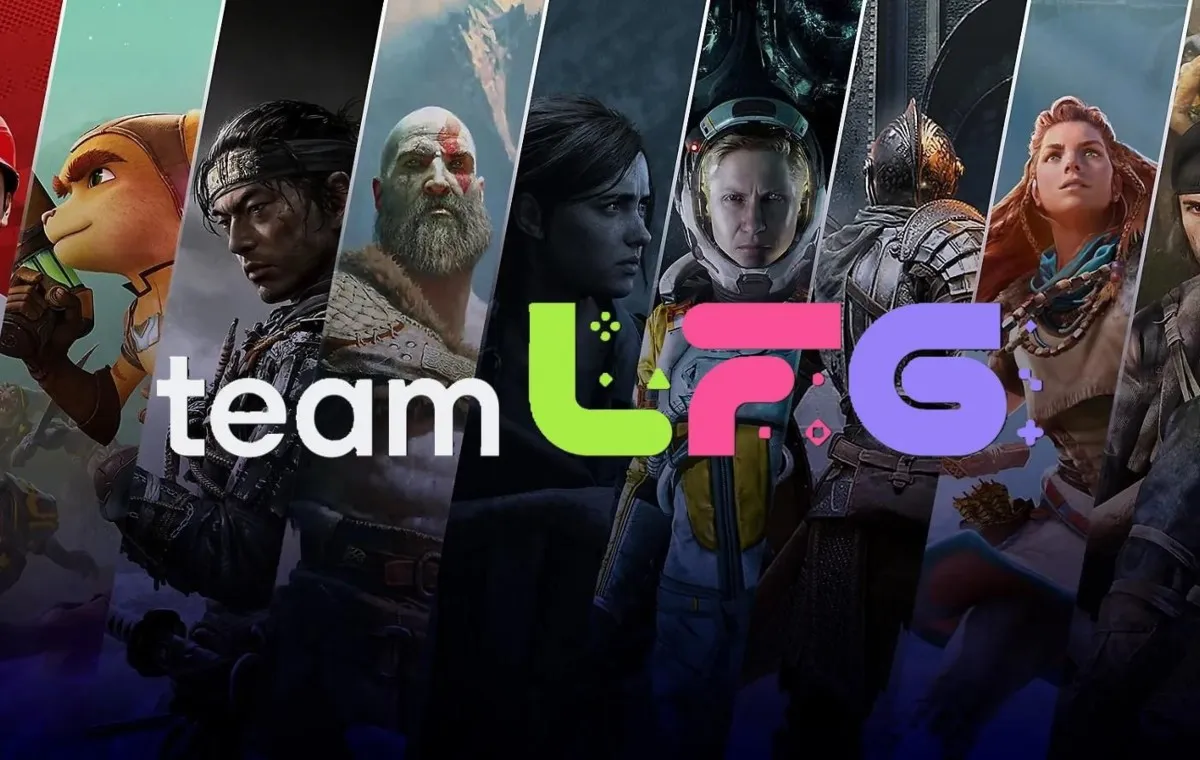
There have also been widespread speculation that former Sony Interacted CEO Jim Ryan’s retirement may be the basis for Sony’s slow retreat from commitment to Live games. However, the messages transmitted by Sony continue to focus on this area. Hermen Hulst, a Sony CEO, recently announced the establishment of a new studio focused on Live Service under the supervision of PlayStation Studios called Teamlfg.
In year 2, buying a Bangiji seemed logical. The public space around the Live Service Games was very positive; At that time we still didn’t see major and costly failures such as the catastrophic defeat of the Suicide Squad: Kill the Justice League from Warner or even Concord’s defeat. Sony had little expertise in this area, and the contract with Banji could fill this vacuum. However, this decision was a lot of risk, especially because it contradicted Sony’s long -standing politics; A policy that bought only studios that had been working deeply with successful work over the years. The same policy was the founder of the success of PlayStation Studios.
Sony intends to take advantage of service -based works in any way.
Today, the live service space has become very different, not only because of the failures mentioned, but also because of the significant rotation that seems to have been created in the eyes of consumers. However, Sony still has a multi -billion dollar studio that actually produces only live service games, which raises the question of how much such a situation is to depend on a definite path.
The new Teamlfg studio is a good example of the issue that seems to be a branch of the Banji, which means that the purchase continues to form Sony’s interaction with the entire live service market. It should be noted, however, that Sony had a little fortune in the field of Live Service, as its first real experience was the great and acclaimed Helphress 2 game. In risky gums, the chance to get at the beginning of the work can be more of a trap than a success. Someone who wins his first experience is usually tempted to experience that sense of victory again, and in this way he may lose much money and time. On the contrary, the person who loses at the same start often departs from the story without dependence. For this reason, the new chance of being a good sign of goodness is the beginning of a costly path.
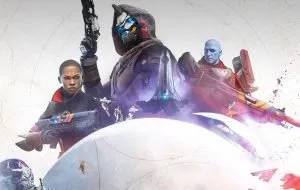
Success at the price of successive failures
Even if the main motivation for continuing to be in this field is not just the need to exploit Banji and the successful experience of Helshodiers 2, there is another logic that could be behind this live service; The logic that, despite the high risks of these types of games, is still leading Sony to this path. That logic is the logic of bold investment; The logic that, from the perspective of the ordinary investor, may seem crazy, but its basis is based on great risks and great rewards. Risk investors are usually not very interested in stable businesses with reasonable risks and good profit margins. They are looking for crazy and fast -growing businesses; Businesses that, despite the high probability of failure and destruction, can, if successful, make the initial capital 100 times, or even more. The logic of a risky investment is that if one of the 100 companies you have supported, it is still worth it, if it succeeds a hundredth company and brings a huge return.
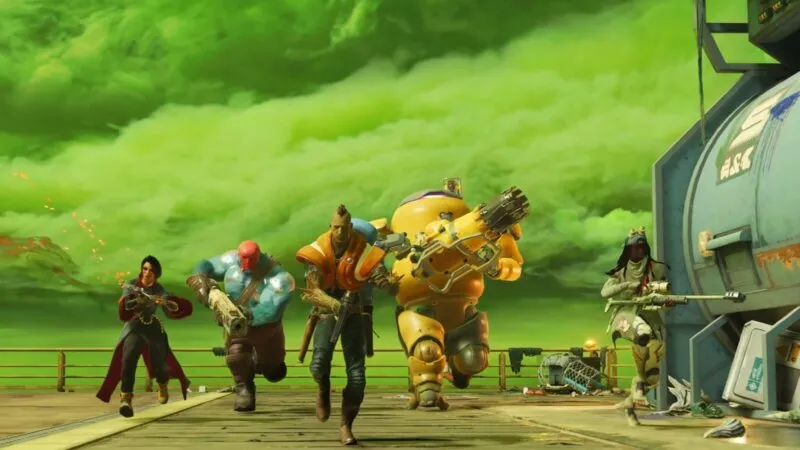
Awesome called Concord
Since video games usually do not have such returns, they are risky and almost no return on that scale except for specific cases. As a result, the risky investment model is not very suitable for this area, and this has made this type of investment activity in the game industry very limited over the years. But Live Service Games have completely transformed this rule. The likelihood of your game becomes a subsequent Fortnite is very low, but if so, it will have exactly the same kind of efficiency that risky investment funds are looking for.
This kind of look has been rooted in some parts of Sony, and what apparently to support several failures, if one of them as a new and sustainable game can become one of the pillars of income generation alone? In the coming years, we will see if this is really the same approach that Sony is going to pursue, whether more failure, or perhaps more likely, is a set of games that are commercially average and last for a couple of years and get out of reach, so that it may achieve great success. In any case, if so, this strategy will be a lot of risk for Sony, because while a venture capital fund can support dozens of failures without anyone realizing or causing it because it is part of the essence of this business, Sony’s customers will definitely fail if the company will disseminate dozens of games.
Money is just one of the parts that should be considered in this equation, and perhaps even the simplest to take risks because the credibility and reputation of the platform and brand are far more valuable, and if they fail, it will be much harder to restore.

Source: Gameindustry.biz


RCO NEWS