


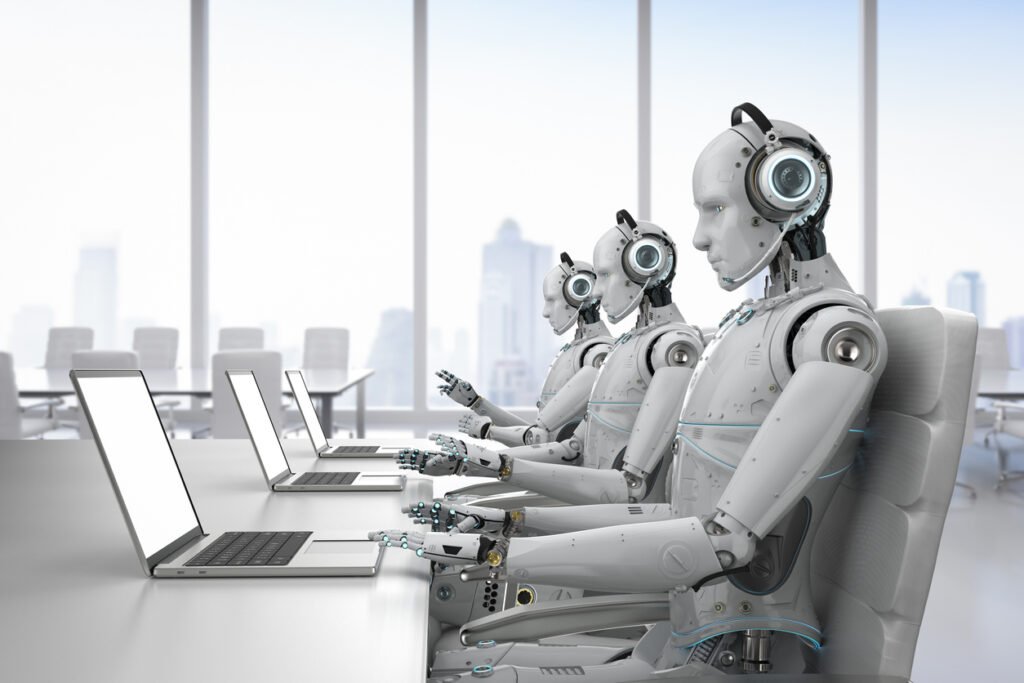
According to Jason Clinton, senior director of information security (Anthropic), the company expects virtual artificial intelligence -based employees to be on organizational networks within the next year and we need to prepare them for security.
The statements of the entropic manager are important because the management of artificial intelligence -based forces inevitably forces companies to review their cyber security strategies, otherwise they may be subject to serious security violations.
In a conversation with Axios, Clinton says virtual employees can become one of the hot areas of innovation in artificial intelligence. Unlike current automated factors that focus on specific tasks, these virtual identities of independent memory will have specific roles in the organization, accounts, and even a dedicated password. Their level of autonomy is far beyond today’s factors.
Clinton claims that there are many security challenges in this new world that we have not yet found a good solution. These challenges include how to secure the accounts of virtual employees, the proper access to the network, and the determination of their performance management.
Clinton explained that anthropic has the main responsibility in this direction: the first test of the Claude models to reinforce them against cyber attacks. Second, monitoring safety issues and reducing ways to abuse Claude models by destructive factors.
Anthropic warning about security threats in the world of virtual employees
Currently, network administrators are trying to control multiple accounts and deal with hackers that abuse passwords revealed in the web Dark. In these circumstances, the emergence of virtual employees creates new risks; For example, a virtual employee may penetrate sensitive systems such as testing systems and integration of the company code, without a specific person’s responsibility.
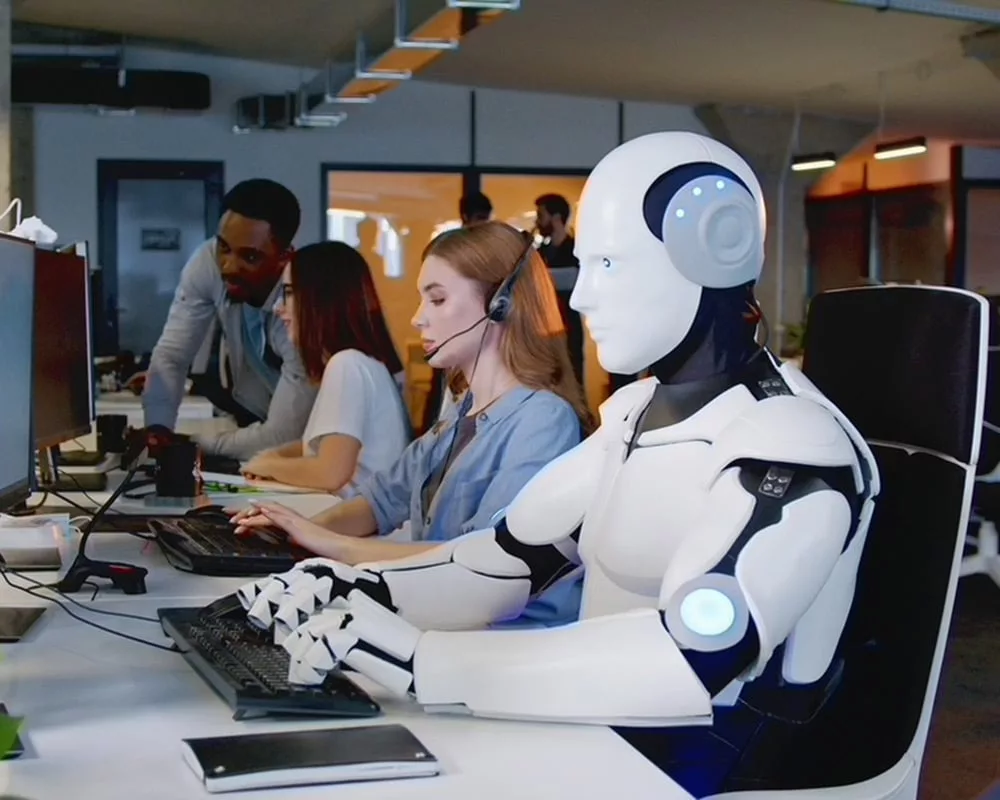
Clinton emphasizes that the security of virtual employees is one of the most important areas that artificial intelligence companies need to invest. In particular, he insisted on the importance of solutions that are more transparent about the performance of virtual accounts and provide a new categorization for these identities.
Several cyber security companies have already introduced new products to manage “inhumane identities”; In February, for example, OKTA launched an integrated control platform to protect these identities and monitor their behavior.

RCO NEWS