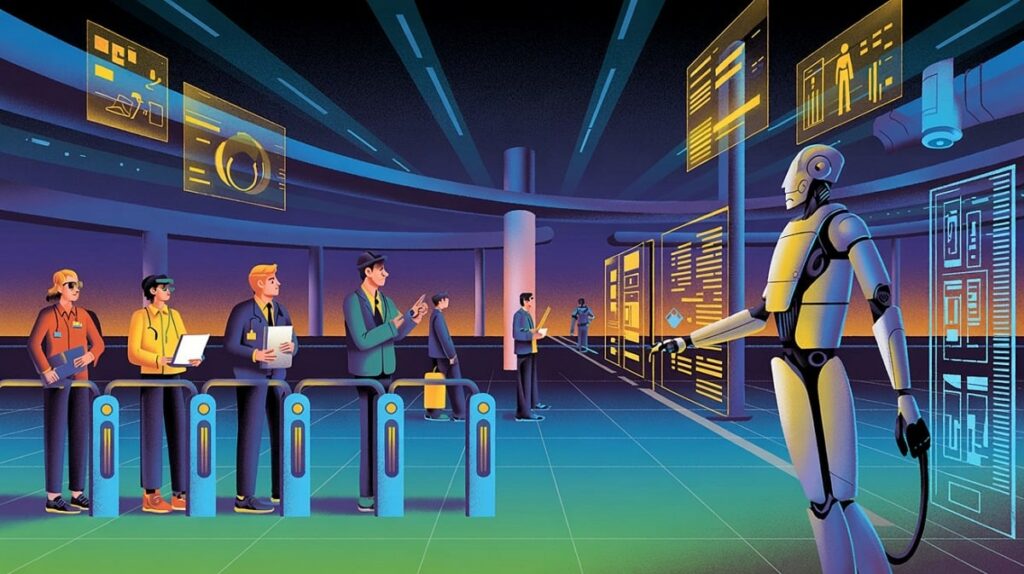
Many believe that the development of productive artificial intelligence by destroying thousands of jobs will affect the demand for human resources and immigrants. Massoud Zamani, a researcher at theoretical technology, has a completely different theoretical technology. He believes that the population aging crisis in developed countries and the increasing need for experts, especially in the Data Science, will not reduce immigration, but will form an unprecedented international competition to attract elites.
The emergence of artificial intelligence goes back to decades ago, but the unveiling of chats and video production and video production has played an important role in the influence of this technology into our daily lives. The same has also worried people about learning the General AI. Some see artificial intelligence as a major threat to the labor market, and some believe that this technology is a tool that helps increase productivity.
Concerns about the future of the labor market have also expanded to immigration. One of the main reasons for the migration of developed countries is the attraction of human capital; Therefore, some believe that with the replacement of artificial intelligence with humans, immigrants will also decline.
In some countries, some political events have intensified anti -immigrant policies and the people of these countries have welcomed it; In the US, Canada, and Germany, for example, politicians have become more concerned with such thinking.
Last January, at the conference on “Scientific Elite Migration in Iran Today, Challenges and Solutions announced only 16 % of Iranians do not think about immigration; Therefore, examining immigration trends is very important for young people to make a better decision for their future.
To answer the question of whether or not the migration process will change in the near future and influenced by artificial intelligence, we talked to Massoud Zamani, a technology researcher.
Before answering this question, he emphasized that a general ruling could be issued; Because there are several factors that are effective in migration, but there are certain patterns that can predict the future.
According to Zamani, countries with low and elderly population growth rates, such as Italy, Japan and South Korea, will be forced to attract specialist forces from other countries in the near future.
His remarks can be understood that in the future a war will be formed to attract talents, and even artificial intelligence will help better sieve for immigration applicants.

Mojtaba Astana – Digiato: Some believe that the progress of artificial intelligence will reduce the demand for labor and, of course, immigrants. You agree with this?
Massoud Zamani – Technology Researcher: I think we must first determine the task of several issues. First, does artificial intelligence lead to the loss of some jobs? The answer is simple: Yes. Every automation causes some jobs to be eliminated and some are created. Usually, the number of jobs (by automation) was more than the jobs that were destroyed.
I think the jobs that destroy artificial intelligence will be more than the jobs that will be created. These new jobs may also not have a key role in economic value creation; That is, it is more focused on entertainment and, for example, does not create a new job in agriculture or the automotive industry.
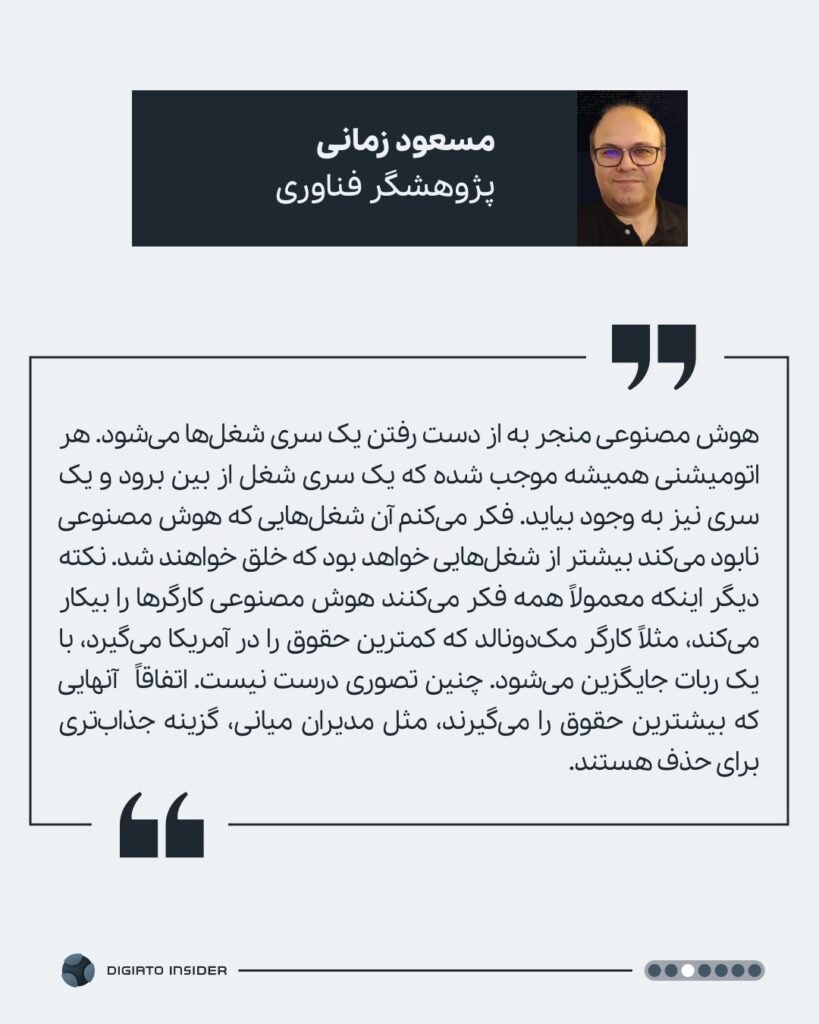
Another point is that everyone usually thinks that artificial intelligence makes workers unemployed, such as McDonald’s worker who receives the least salaries in America, with a robot replaced. This is not true. Incidentally, the center of cost is the most attractive option for automation; That is, those who get the most salaries, like middle managers, are a more attractive option to delete.
Another issue to consider is the precise and specific definition of “expert”. We have no data on a specialist and non -specialist composition in migrant populations to any country. This can vary depending on the immigration policies of each country; For example, countries with land borders with war -torn or crisis countries are likely to host more non -specialized immigrants. On the other hand, a country like England, the island, has a better control over the process of mass migration. Most of the illegal immigration to the United States is also carried out on the land borders of Mexico and Canada; Therefore, each country has different conditions in the discussion of immigration tailored to the ecosystem, geopolitical environment and developments around the countries around.
It is not possible to issue an overview of the change of migration of all countries. Should we specify about North America or Europe? Even immigration policies in European countries are different. If we consider the US, Canada, and a few European countries, I agree that artificial intelligence and robotics in the next few years will reduce the need for non -workers, but I believe it will increase the need for specialist force; Because there are other factors and we should not just look at the car. One of the most important factors is the world’s age pyramid. Sunni Pyramid most developed countries are being reversed; That is, some people die or get out of the job market, but on the other hand, they are not born or enter the job market; In other words, the population growth rate is below 2.1 and this is very dangerous. Countries like Italy, South Korea and Japan have reached a critical point; For example, the South Korean population is one -fourth for another 30 years. Preventing it is not simple and requires a 100 -year -old process; So countries will need a specialist force, and I think the immigration process in the world continues.
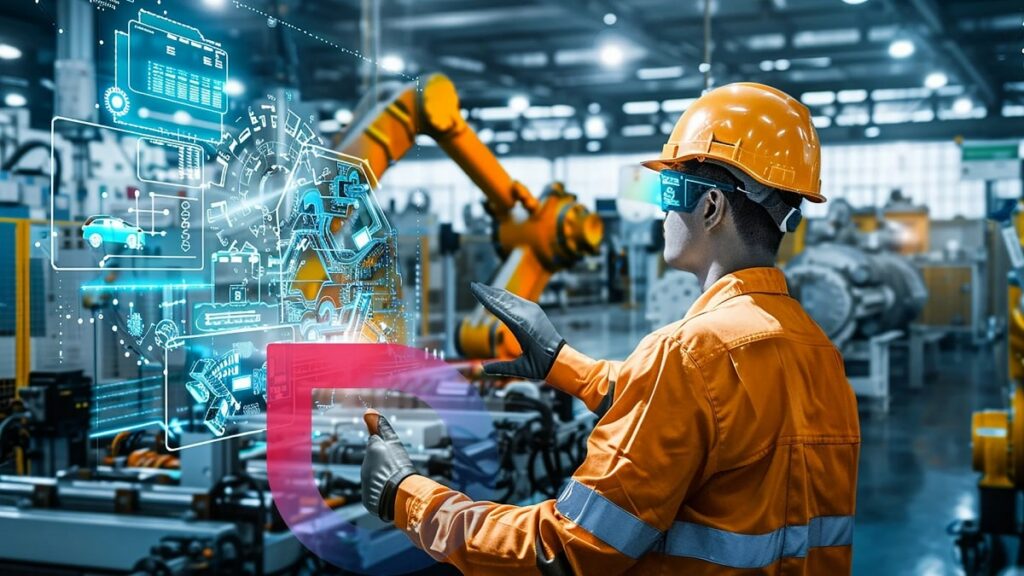
Another semi -misunderstanding of the automation debate is that production (especially Manufacturing) is also automated and no longer need workers. When the car comes, the level of production increases, but it is not like 20 robots in a factory, but it can be set up by the same automation 20 new factories that increase the capacity; So I don’t think there will be a serious challenge in this sector.
Regarding nationalism and the anti -immigration policies you mentioned, they are not opposed to attracting specialist forces, but they do not like the non -specialist forces to enter their country.
Another important parameter is the spending of immigrants in the destination country. When the country’s population is reduced, their GDP concept is also reduced and money turnover decreases; Like there is no one to buy shoes, go to the restaurant, and the industries are damaging.
Artificial intelligence will probably lead to better screening of applicants and stronger supervision so that people who do not have enough education are high age and have no children, not accepted; Because for them these people will be overwhelming.
An educated and specialized person in the right direction, many countries will seek him. Such a person can create both the creation and the turnover.
Digiato: We probably have to wait for the war to attract talent in the future? Artificial intelligence, as a tool, will help the applicants better.
Massoud Zamani: The US Congress in 2020 produced a report on artificial intelligence and US -China confrontation. One of the interesting points of the report was that the United States needs a million data philanthouse (data scientist) in order to stay out of China and remain the leader. Well America does not have that number and cannot supply such a capacity through research and university; So the best way to attract this force is from other countries.

When I was in Iran, I reviewed and came to the conclusion that Iran needed 40 to 50,000 Data Scientists a few years ago to reach a good position. It is a difficult task to grow so many power, it was easier to attract them from other countries. Therefore, demand for these people is increasing, and countries are trying to make the process of recruitment faster and more painless with the help of artificial intelligence.
It should be noted that we should not betray the word. For example, we call Lionel Messi (Argentine football star) and also tell the one who plays in the fourth -hand league; So we have to consider the middle, and for example, one who has worked with Python and several libraries is not scientist. Such a person should have good skills in math, linear algebra and statistics as well as 4-5 years of work experience; So to hear that artificial intelligence eliminates programmers, there are those that have not worked very deeply in this area.
What skills do you think is more important in the age of artificial intelligence?
The answer to this question is very difficult; Keeping also makes a mistake, but I have no doubt that soft skills will always be serious and need more in the future.
In the discussion of soft skills, what is a serious obstacle to the immigrant community is language. Problem solving and critical thinking are among the branches of soft skills in which the discussion of verbal skills is important.
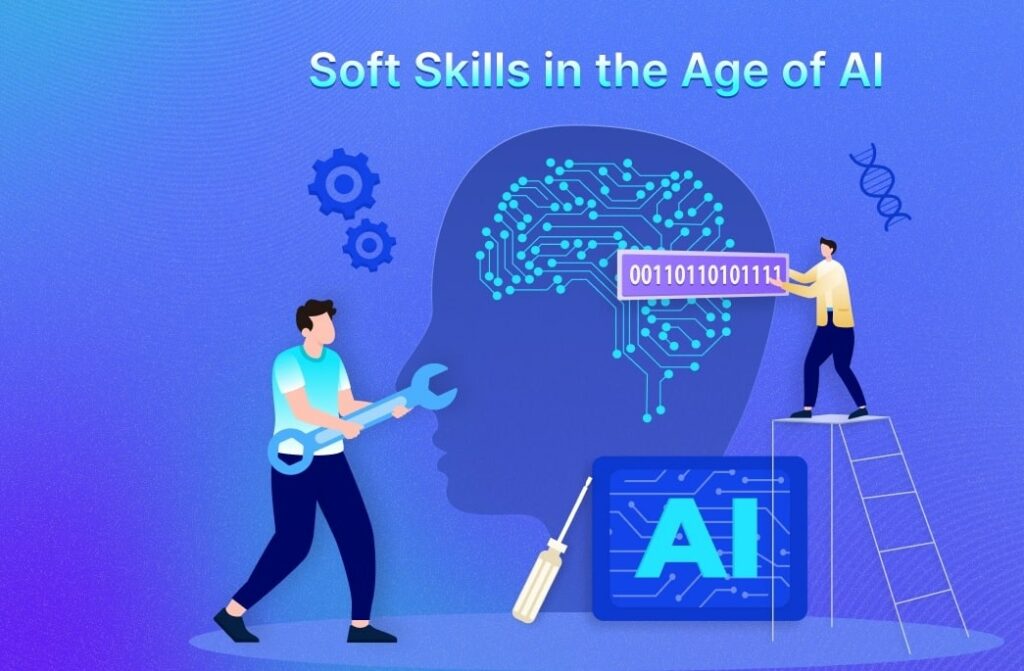
To someone who intends to experience their future in other countries, I suggest that it works more on speech skills, regardless of what a good specialty is. Why? Given the Trendy, all the answers are available, and now it is important to be able to ask the right question at the right time. In fact, the better, the more transparent and the more precise we can, the more the chance to find the answer and success; So I emphasize the verbal skills. People have to practice correct criticism and conversation as long as they can. Of course, it is possible for people to communicate through thought in the next few years, but until then, this skill is very important.
I also think there is a new section in computer science that is based on the knowledge that is going to work on artificial intelligence.
Another important point is the big chat between the relationship between industries and artificial intelligence. What is known as the Fourth Industrial Revolution requires multidisciplinary people. People who know the mining industry, for example, are well acquainted with artificial intelligence. These people can make tools. Creating this tool is not abstract, and we need the same verbal and conversation skill to solve the problem.
It is not true that not to study mining or metallurgy anymore, or a field like civilization is eliminated by learning artificial intelligence. These strings will not be eliminated, but will change depending on the conditions.
In your talk, you mentioned the need for 50,000 data in Iran until recent years that this need has not been met, and we only saw some dramatic moves such as the launch of the National Artificial Intelligence Agency. Given the gap between Iran and developed countries in the field of artificial intelligence, will immigration from Iran expand?
Unlike many countries where people can easily migrate, Iranians are facing linguistic and political barriers that complicate immigration. If we put this point aside, yes you are right.
If the market dimensions in Iran were wider and deeper, for example, we were a country with a dollar GDP, we could say that you were not right, but with these conditions Iran seems to me to be right.
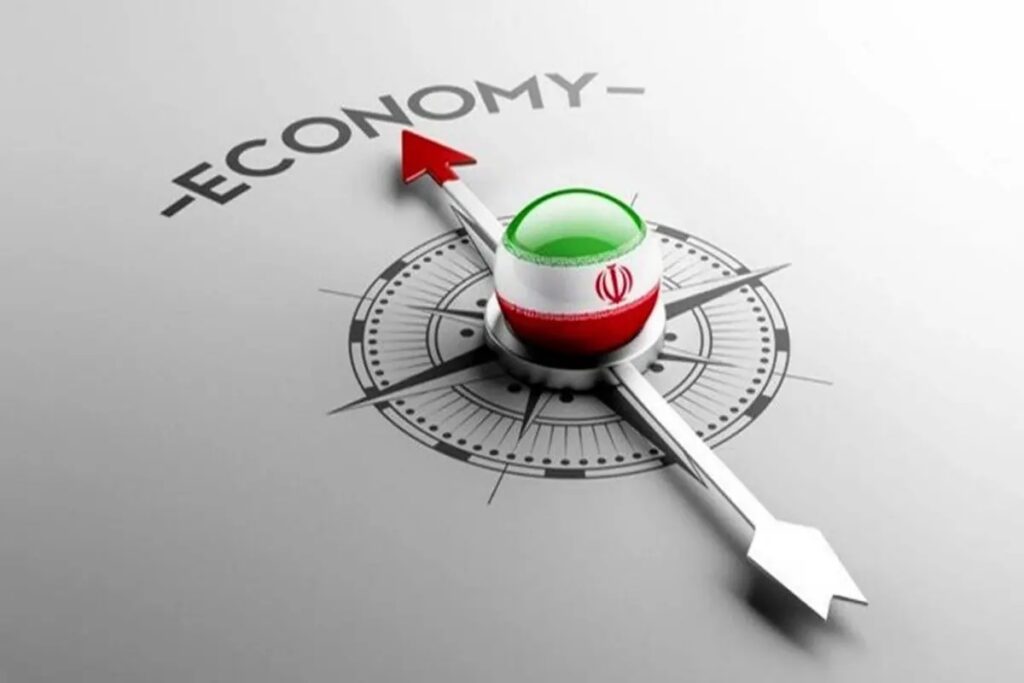
The suggestion that other countries give to experts is much more attractive. There is also no admirable demand in Iran to give a proposed specialist force to stay in Iran for years. In terms of income, intellectual security, and so on, there is no positive outlook.
Even in universities in the Persian Gulf, such as the UAE, hardware and processing capacities are available to students, we do not have the capacity in Iran. Well, this closes the hands and feet of scholars and interested people and no great thing is done. I have always believed that a good way to improve Iran’s conditions is to define large projects that overflow of projects can be poured into industry and university and that the private sector also matures.
It is no longer useful to assign a building to an artificial intelligence organization. It is useless when you do something late. It had to be done 10 years ago to give this area.

RCO NEWS