

Throughout human history, royal crowns have always symbolized the pinnacle of glory, power, and artistic achievement. These magnificent crowns, which are often decorated with the most precious precious stones in the world, not only show the authority of kings, but also create a tangible link with the cultural and historical heritage of various nations during the last few hundred years. Over the years, these amazing works have mesmerized audiences around the world with their extraordinary beauty and rich history.
The unique elegance of the design of the royal crowns and the unique precious stones that adorn them is the secret of their charm. The British Imperial State Crown, made in 1937, contains 2,868 diamonds, 17 sapphires, 11 emeralds, 269 pearls and 4 rubies. Among these stones, the famous Cullinan II diamond and the Black Prince’s Ruby have a special reputation and history. Also, the Habsburg-Lorraine Tiara, which is estimated to be worth about 80 million dollars, beautifully reflects the glory of the Austrian Empire with its flower-like designs and Colombian sapphires.
1. Sword of Offering
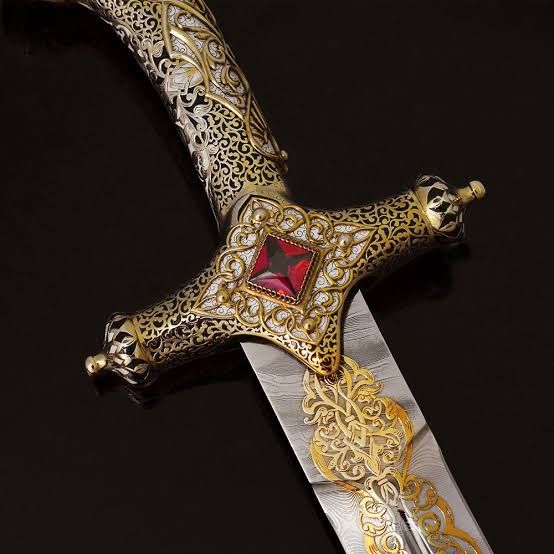
As part of British royal traditions, symbolic swords, including the Sword of Offering, are carried before the King as he enters Westminster Abbey, symbolizing the King’s official role as Commander-in-Chief of the British Armed Forces and Defender of the Faith. This sword was originally made to commemorate the coronation of King George IV and is engraved with the national emblems of England, Scotland and Ireland on both sides. The blade of the sword is made of Damascus steel and decorated with 1025 diamonds, 16 red rubies, 2 sapphires and 2 turquoise stones. In addition to the coronation ceremony, this sword is also carried before the king during the opening ceremony of the parliament. The value of this sword is estimated at 660 million dollars.
2. Sovereign’s Sceptre
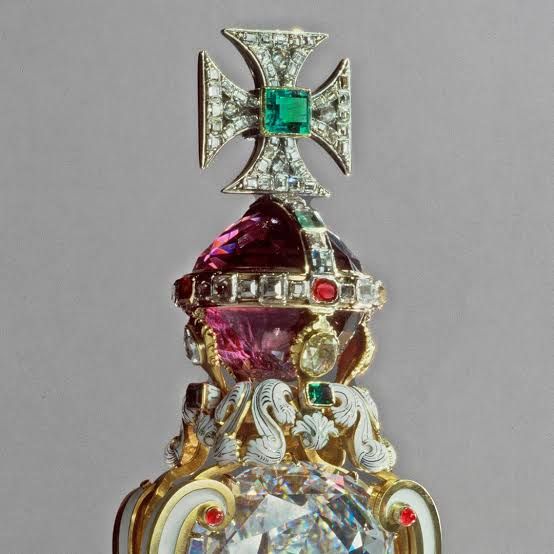
This scepter, which is a symbol of the earthly power of the king and his will, consists of a three-part golden rod. In its upper part, there is a jewel of the huge Cullinan I diamond weighing 530.2 carats, known as the Star of Africa. The total value of the cane, including its jewels, is estimated to be around 525 million dollars. This wand is decorated with 333 diamonds, 31 red rubies, 15 emeralds, 7 sapphires, 6 sapphires and 1 mixed amethyst.
3. Imperial State Crown
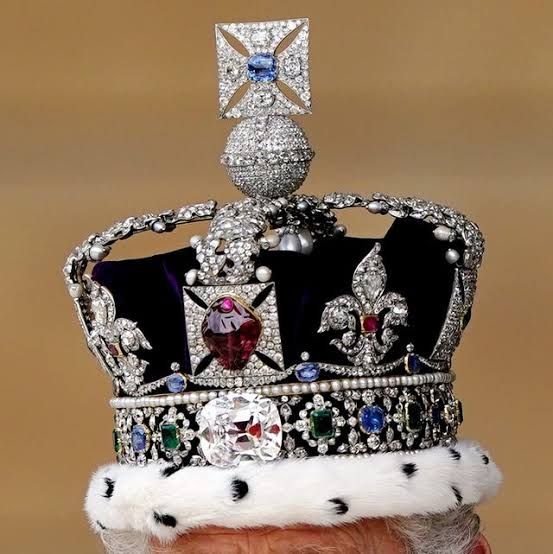
The roots of this crown go back to the 15th century AD and it has appeared in various forms throughout history. Its current version, made in 1937, is the crown that the king wears after the coronation ceremony and also uses it at the opening of parliament. This tiara, which was also worn by Queen Elizabeth II during the coronation ceremony, is decorated with 2,901 precious stones, including the Callinan II diamond, St. Edward’s sapphire, Stuart sapphire, and black prince’s ruby.
4. Queen Mary’s Crown
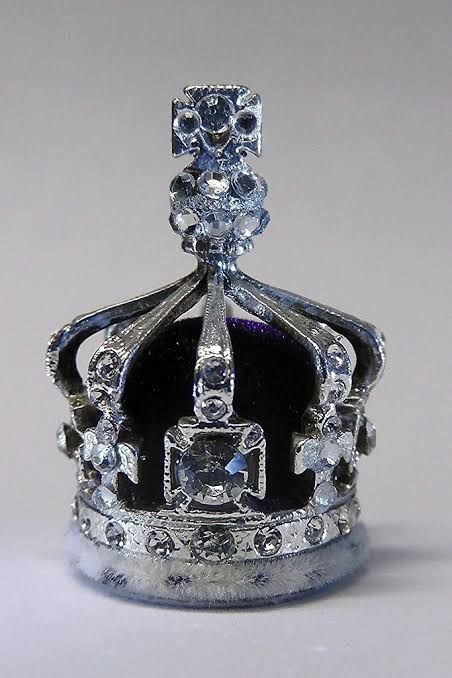
Queen Mary’s crown is a special crown for the king’s wife, which was made for Mary Tech in 1911. This crown, designed by Garrard & Co., has about 2,200 rose-cut diamonds and brilliants. In 1914, except for the three famous Koh-i-Noor diamonds weighing 105.6 carats, Callinan 3 weighing 94.4 carats and Callinan 4 weighing 63.6 carats, all other diamonds were replaced by crystal specimens. The crown arches are designed to be removable, so the crown can be worn as a ring or open. After the death of her husband, King George V in 1936, Queen Mary wore the crown in this ringed state.
5. St. Edward’s Crown
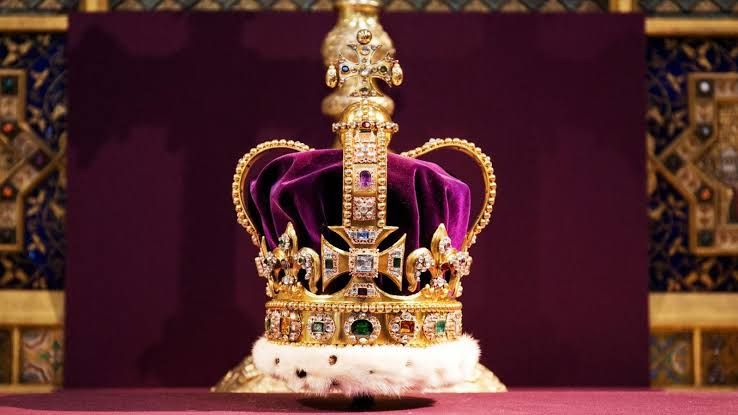
Known as the main crown of British royal jewels, this crown is named in honor of St. Edward the Confessor. The original tiara, which was kept as a holy relic in Westminster Abbey before the monarchy was temporarily extinguished in 1649, was melted down or sold at that time. The new tiara was made for King Charles II in 1661 and is made of pure gold, 30 cm high and weighing approximately 2.5 kg.
6. Mary Modena’s Crown of State
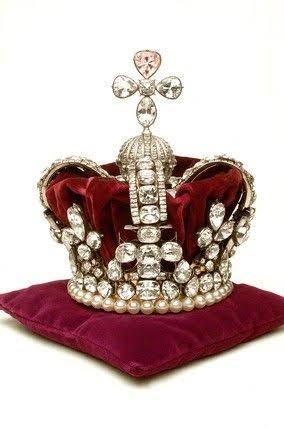
The crown of the royal consort, which was made in 1685 for Mary Madna, Queen of England, Scotland and Ireland, is also known as the State Crown of Mary Madna. Originally, the tiara contained 523 small diamonds, 38 large diamonds, and 129 large pearls, all of which were rental jewels. This crown was used by the wives of kings until the end of the 18th century. The crown, which is eight centimeters high and weighs about three hundred grams, has now been restored with artificial crystals and precious stones to be put on display at the House of Jewels in the Tower of London.
7. The Diamond Diadem
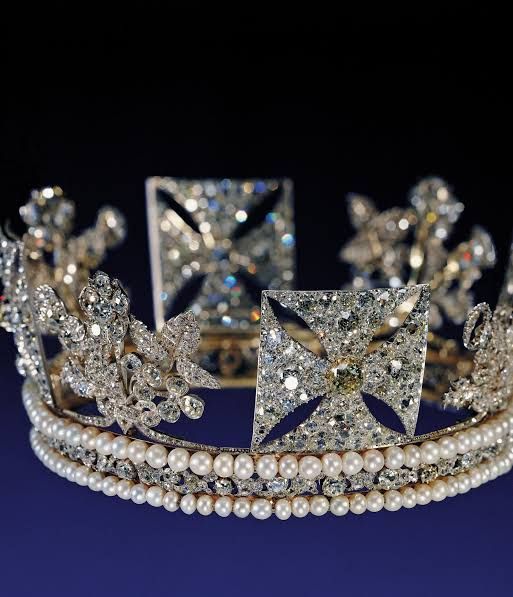
In 1820, King George IV ordered the construction of a crown, which later became known as the Diamond Crown of George IV. This crown is depicted in paintings, stamps and coins and is used by the Queen and the consorts of kings in processions to coronations and official openings of parliament. Although its diamonds were estimated to be worth £800,000 in 1820 and it cost £8,216 to make, no evidence has ever been provided that these diamonds were returned to the jewellers.
8. Altar Dishes
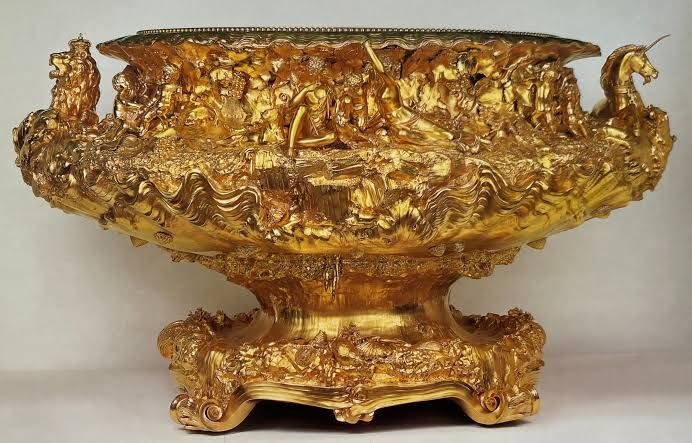
This silver-gilt plate is part of a pair of plates commissioned during the reign of Charles II after his return to the throne in 1660. In the center of this plate, the Tudor rose is carved in relief and around it there are images of fishes in the rough sea. During the reign of Queen Elizabeth II, these plates were used in religious ceremonies known as Maundy Service to distribute silver coins known as Maundy Money.
9. Prince of Wales Coronet
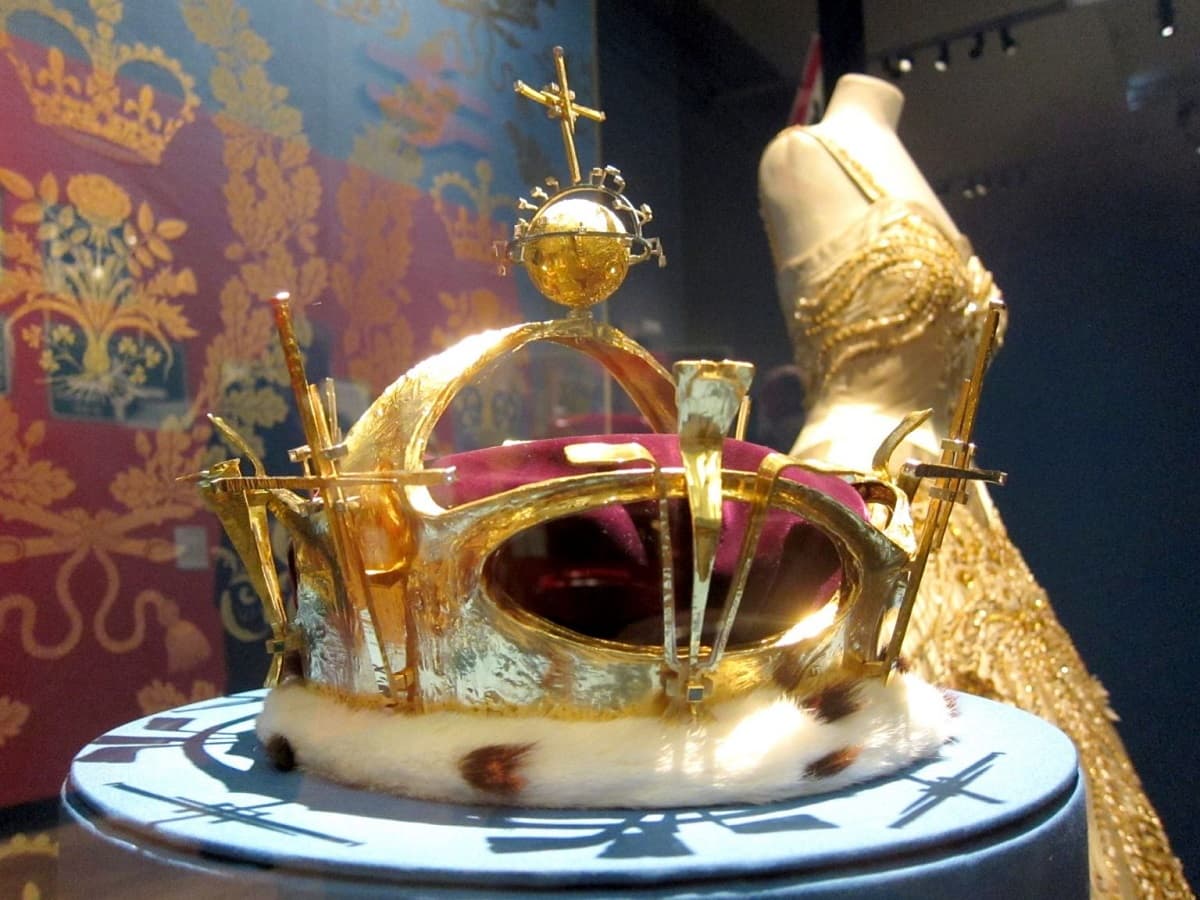
Although this tiara is more commonly known as the tiara of Charles, Prince of Wales, it is actually a small tiara that was worn by the King of Great Britain at the ceremony of conferring the official title of Prince of Wales in 1969. This crown was designed by the artist Louis Osman and was presented by the Goldsmiths Association as a gift to Queen Elizabeth II, the mother of the prince. This crown contains 75 white diamonds and 12 green emeralds, and a gold-plated ping-pong ball is also used in its design.
10. The Sovereign’s Orb
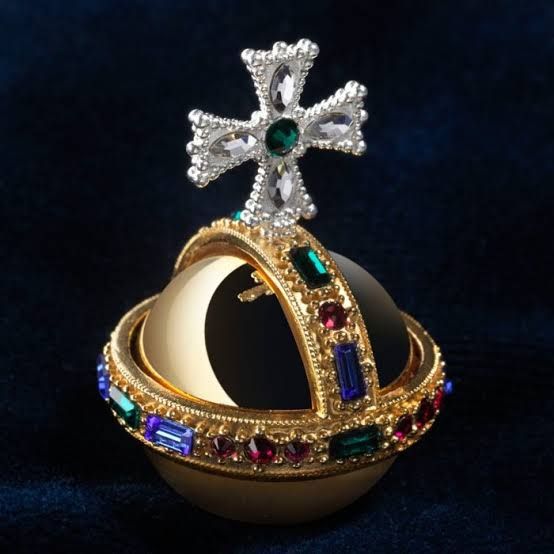
The royal orb is a symbol of the king’s power and is considered to represent the Christian world. This royal jewel is divided into three parts, each of which symbolizes one of the continents known in the Middle Ages. The royal orb is a reminder of the concept that the king’s authority comes from God. The orb is made of bands of diamonds that act as separators and displays a cross on a gold sphere. At the coronation of George I in 1714, the orb was decorated with 30 sapphires and emeralds, as well as 12 large diamonds.

RCO NEWS