

With the launch of the new generation of iPhones, users and experts have been drawn to the design and durability of these devices. While Apple claims remarkable improvements to body and display resistance, images and videos released from display specimens in stores have raised concerns about body material, the possibility of scratches on it, and the quality of the iPhone 6 Pro and iPhone 6.
Last week, social networking posts have posted photos and videos of the iPhone 5 Air and iPhone 6 Pro and the IPhone 6 Pro Max in Apple stores that show scratches and abrasions on the back cover of these phones.
In response to the Cnet, Apple announced that the old and worn -out Magsafe base used in stores to display phones has transmitted materials to the back cover of some models, including the iPhone 6, the iPhone 6, and the iPhone 6, and according to Apple, the materials can be eliminated by cleaning. The company has also announced that it will solve the problem of Magsafe bases to prevent damage to display samples in Apple stores and operators. Not all scratches are the same, and the design of the iPhone 6 Pro and Pro Max may expose the anodic cover around the camera to lip. Users have also responded to videos released by IFIXIT and JerryRigringout YouTube channel. These videos refer to a possible problem with the anodic covering around the edges of the iPhone 5 Pro and Pro Max.
In one of the videos, Zack Nelson, with a coin, makes the camera’s prominence and lips the anodized cover. In response to the CNET, Apple explained that the anodized cover on the iPhone 5 Pro and Pro Max is as durable as its other products, but it may appear small abrasion over time and usual use. The company added that the anodized layer is very difficult and goes beyond industrial standards for surface hardness.
Concerns about scratches and body durability are raised as Apple has done one of the largest iPhone redesigns in recent years. And although scratches and abrasion effects do not affect the performance of the phone, no one likes the new iPhone for more than $ 5 to look inappropriate. The samples of the iPhone Air and iPhone 6 Peru, which the CNET has tested in the past two weeks, have not shown any scratches, lips or wear. If you are worried about the damage to your new iPhone, you can always use a protective frame and a glass.
What materials made from the iPhone 5?
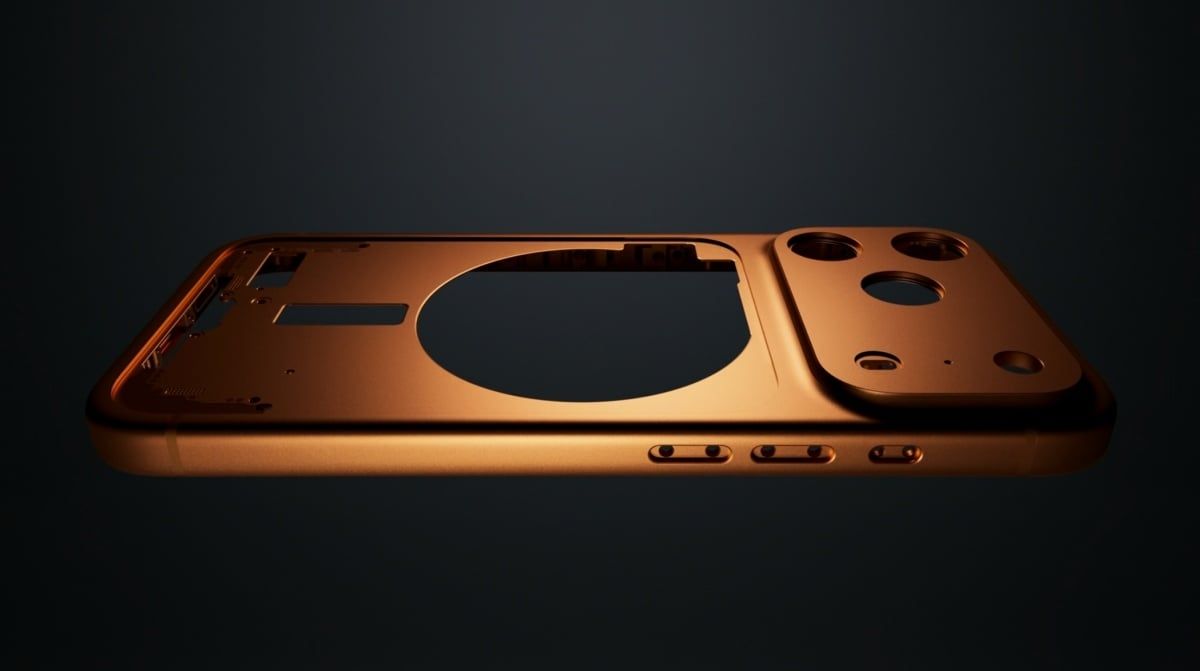
The body of the iPhone 5 Pro and Pro Max is made of aerospace -quality aluminum, Ceramic Shield and Ceramic Shield 2. The Peruvian models have an integrated aluminum frame, meaning that much of the back cover is no longer made of glass.
While some users of the social networking aluminum chassis are damaging to demonstrations, numerous videos show scratches on the back panel of the Ceramic Shield on the Dark Blue IPhone 5 (and the Black iPhone Air). There are even videos in which one deliberately crashes the back cover of their new iPhone Air and then almost completely erases the remainder.
Ceramic Shield, made of suspended ceramic nanocrystals in the glass matrix, covers the back of the iPhone 6 Pro under the camera bar. Apple says the material is four times more resistant to cracking than the iPhone 6 Pro glass. The Ceramic Shield 2 is also located on the iPhone 6 Pro display, which Apple claims to be three times more resistant to scratches than the previous version of Ceramic Shield (than the back cover of the new Peru and Air models).
At the introduction of the new iPhone models, an Apple spokesman explained that Ceramic Shield is designed to resist crashes and cracks, while Ceramic Shield 2 focuses on durability against cracks and scratches.
The edges of the anodic edges
In the iPhone 5 Peru video, Zack Nelson of the JerryRigiering channel conducts its usual tests including scratches, bends and burning, but points to a possible problem with covering the iPhone 5 Pro Aluminum Anodic. “Apple has forgotten a very important thing,” he warns in the video. “They ignored an international standard, and this is going to hurt all buyers of the handset.”
The ISO standard, which Nelson points out, is related to decorative anodic and recommends that the radius of the edges be at least 5 times the thickness of the coating, which apparently did not adhere to the edge of the iPhone 5 Peru camera. Apple has announced in an explanation that the anodized cover of the iPhone 6 Pro and Pro Max has exceeded industrial standards and the camera’s prominent edges have features similar to the edges of the anodic frames of other Apple products.
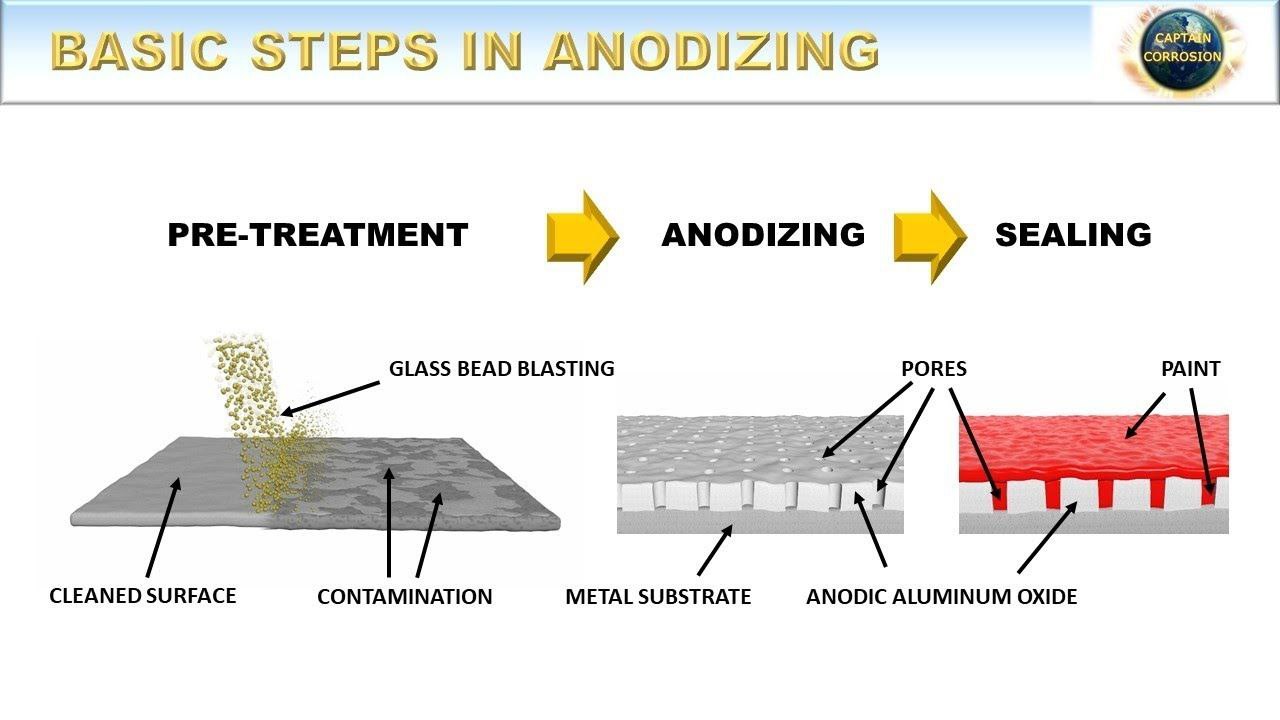
In his video, Nelson explains that the corners, like the bumps of the iPhone 5 Pro camera, are weaknesses of anodized cover. Aluminum anodized coating can be imagined as nail polish: This layer both determines the color of the phone and has a protective role. If this coating is too scratched, the aluminum metal color will appear below it. Dark colors also appear more than colors such as cosmic orange.
In his video, Nelson shows that the corners of the iPhone 5 Pro’s camera are worrying because they lack the curvature, curvature or protective slope, elements that usually prevent anodized coating. He acknowledges that Apple uses a durable cover and indicates that it protects the back cover against wear or scratch with a key. But when it draws the same coin on the front edge of the camera, parts of the surface are separated from the surface. It should be noted that Nelson has created all the scratches with a knife on the body of the phone, which suggests that some of the shows have been deliberately scratched in stores.
People may also hold a few iPhone samples with one hand while taking photos or videos, and sapphire crystals on the back cameras have been contacted with the other iPhone’s back cover. The sapphire crystal is difficult after the diamond. Anyone who has experience in the store knows that the demonstrations are often subject to the worst customer behaviors. “I’m a big fan of the new iPhone design,” Nelson says at the end of his video. “Less glass and more aluminum is always a good thing.”
Investigating the lipstick
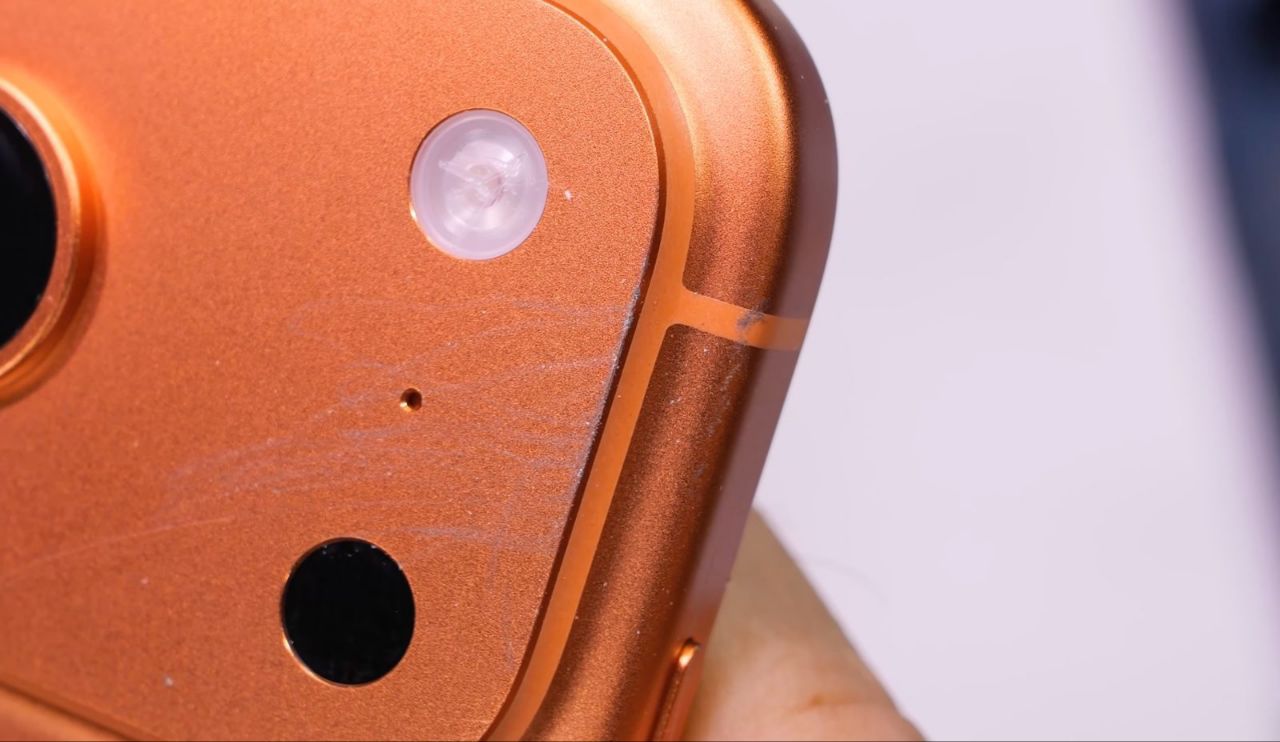
In the iphone -Pro autopsy video by IFIXIT, Shahram MokhtariThe company’s senior technician confirms Nelson’s findings on the problem of anodized covering on the camera’s prominence. Mokhtari says the problem is not an integrated aluminum body, but rather as a camera’s prominence. The sharp edges of this section are not compatible with anodized coating, while smooth surfaces such as the back cover of the phone do not have such a problem.
Under the microscope, the hardness of a coin with the hardness of a coin on the flat surface of the camera draws. The site of the tool is visible, but the anodized coverage remains healthy. It then draws the same tool on the front edge of the camera and appears the surface of the lipstick and the underlying metal. The technical term of this phenomenon Spalling Is.
Mokhtari explains in the video: “When the oxide layer is on the edge, such as the camera’s prominence edge, it tolerates the fragile oxide of the pressure from the key or coin and thus lips.” He also confirms that the iFixit on the iPhone Air and the iPhone 5 did not see such a level of vulnerability because their back cover is made of Ceramic Shield and glass.
Are the Peru and iPhone Air durable?
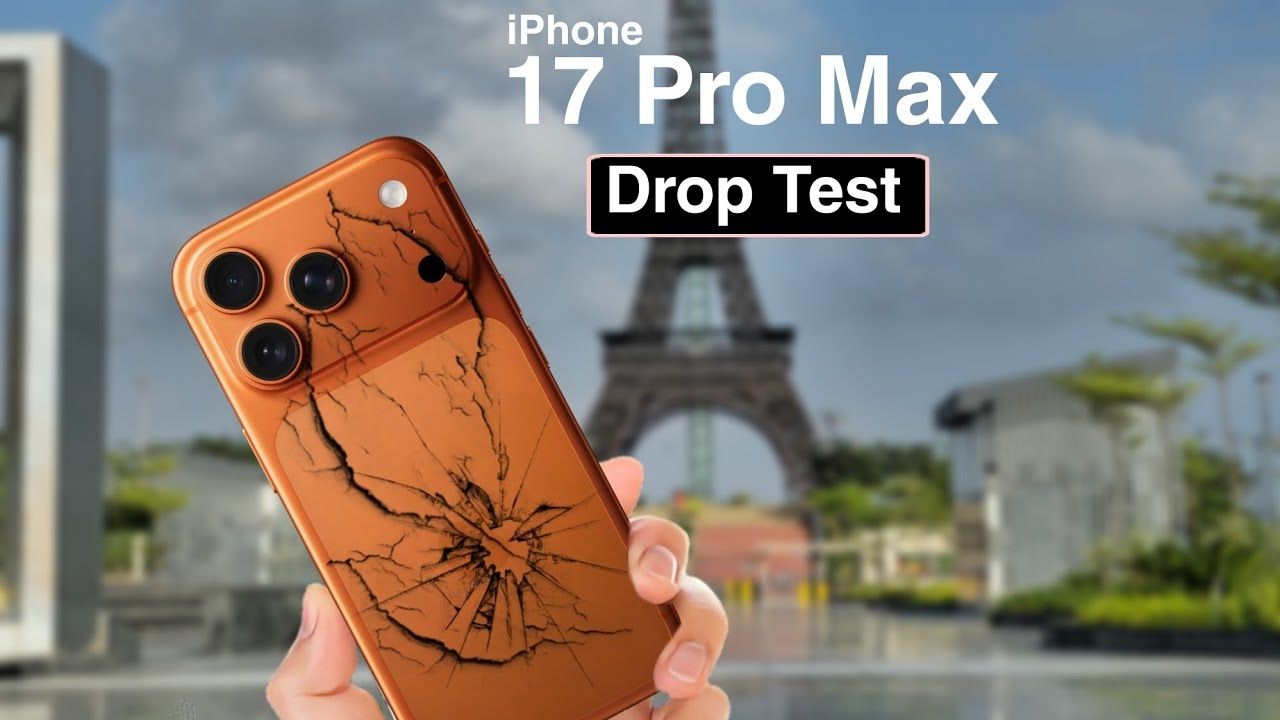
In short, yes, the iPhone 5 Pro and the iPhone Air are durable. But the everyday use of the Peruvian and Pro Max models can make minor abrasion appear. These problems do not affect the performance of the phone, but using a protective frame for Peru models is the only way to prevent lipstick. The standard iPhone and iPhone 6 do not seem to have a problem with lipstick because their back cover is made of glass.
If you find that your iPhone is scratched or part of its anodic cover is separated, you can return it to the store you bought and see if it is possible to replace. Of course, if the scratches are intentional, you probably have no choice but to accept it. If you are worried about the damage to your new iPhone, the best way to use a protective case, fortunately you have a lot of options available.

RCO NEWS