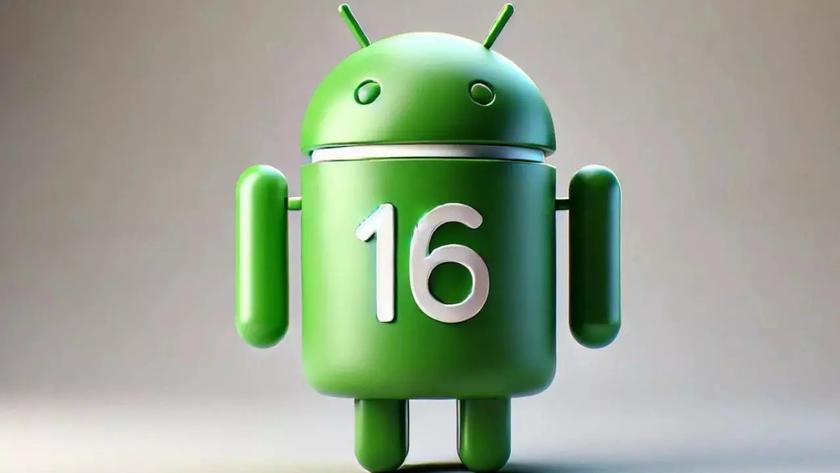
While many Android phone makers are taking their latest and Android 4 release steps, Google continues to develop Android 2. In fact, this is the earliest launch of the Android operating system in recent years.
Android 2 was in the experimental phase when Google released the first version of developers’ preview. The public beta version arrived in January. Initially, only Google Pixel devices were eligible for the experiment, but now the conditions have changed. Companies such as Xiaomi and Vanplas have also joined the beta program, allowing selected users to try Android 2 before public release.
The list of devices that are eligible to test the beta version of Android 2 is as follows:
- Pixel 1
- Pixel 2 Peru
- Pixel 2 Pro.
- Pixel 2 Pro Fold
- Pixel 1
- Pixel 2 Peru
- Pixel 8a
- Pixel 1
- Pixel 2 Peru
- Pixel 7a
- Pixel 1
- Pixel 2 Peru
- Pixel 6a
- Xiaomi
- Xiaomi 14T Peru
- Vanplus 1
Beta versions are mostly intended for technical experts and developers. If you are not familiar with the installation of informal ROMs, it is best to avoid installing them, as this can make your device seriously difficult. Do not install the test versions on your main phone.
One of the prominent features of Android 2 is live updates or Live Updates. These updates are clearly displayed on the lock screen and the status bar so that they are not hidden among the many trivial notifications. This feature is similar to the Live Activities feature on iOS, but Google’s approach is particularly focused on high -priority notifications, mainly including navigation, food order delivery, or car sharing.
Photo Picker is a valuable feature of protecting users’ privacy on the Android operating system. This feature restricts applications to all multimedia files in the device memory when loading images or videos. This way, an app can only access photos and videos that you choose specifically for uploading. In Android 2, this feature has been improved directly through the ability to search for cloud media service providers through the Android photo selection.
Google is developing and adding support for health files in the Health Connect program. This feature is being tested in experimental versions and is likely to be included in the final and general version of the operating system. Also, the new operating system will benefit from the adaptive renovation rate (ARR) feature, which will help with the intelligent adjustment of the screen refresh rate tailored to the type of user activity and extending battery life.
Android 16 is expected to have a deeper integration with artificial intelligence, though no detailed details have been released. For the first time since Android 4.3 in year 2, lock screen widgets will be re -accessible to users. In addition, Android 3 will also bring about small but practical changes.
Android 3 has already reached an important stage of platform stability and its last and final version will be released in the second quarter of the year, before the end of June. This time seems earlier than most previous versions of the Android operating system, which usually arrived in August or later.

RCO NEWS