03 March 1404 at 12:39
Researchers have warned about the revival of thousands of years of frozen bacteria in ice caves as the planet warms and the ice melts.
Bacteria extracted from the 5,000-year-old ice of the Scarishuara Ice Cave, provided they are not a threat on their own, could hold the key to fighting “superbugs,” new research by researchers suggests. Research team Bucharest Institute of Biologyaffiliated with the Romanian Academy, studied these bacteria and showed that cold and frozen environments can be an unknown source of microbes with therapeutic or dangerous potential.
The alarm of the revival of thousands of years of frozen bacteria
Bacterial resistance to antibiotics is a serious challenge to public health, but this phenomenon is not emerging. For millions of years, bacteria and cures have been competing for survival in a cat-and-mouse game, and each generation finds new ways to survive. These new findings can help us discover innovative solutions.
Hard and cold environments, such as the ice cave where this type of bacteria was discovered, increase the diversity of microorganisms, and these genetic adaptations can provide a new path for the development of effective antibiotics or bring the risk of greater resistance.
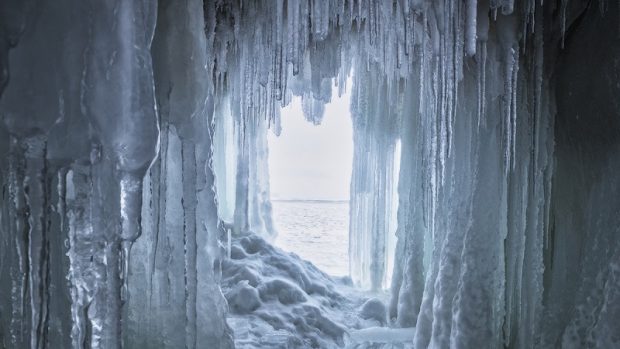
The new bacteria is like a double-edged sword
Cristina Porcaria of Bucharest Institute It explains that the strain Psychrobacter SC65A.3, despite being thousands of years old, is resistant to several modern antibiotics and has more than 100 genes associated with resistance. But at the same time, this bacterium is able to inhibit the growth of several resistant superbacteria and has shown significant enzyme activities that can be very valuable in the field of biotechnology.
In this study, researchers took a 25-meter-long piece of ice from the Great Hall of the Ice Cave Skarishwara extracted and by carefully isolating bacteria and sequencing their genome, genes related to survival in the cold and antimicrobial properties were identified. These findings can be a starting point for discovering new methods of dealing with antibiotic resistance.
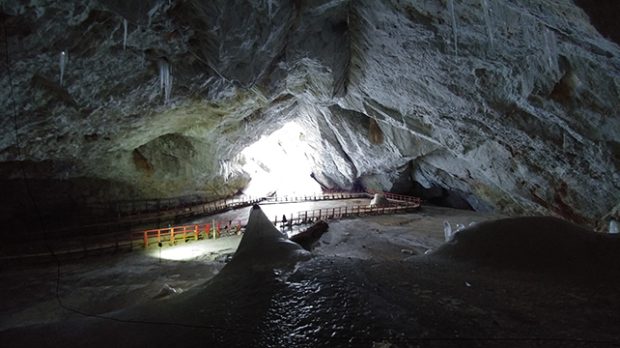
The results of this analysis show that Psychrobacter SC65A.3 is a double-edged sword: on the one hand, it can be a valuable source for discovering new antibiotics, and on the other hand, if it is reactivated and spreads, it carries the risk of transferring drug-resistant genes to other bacteria. This bacterium is resistant to antibiotics that are commonly used to treat lung, skin, blood and other common infections.
The risk of global warming and bacterial activation
Although the process of turning this bacterium into a source for new drugs will not be fast, but its research offers a new way to understand how drug resistance is formed and transferred between species. The research team emphasized the need to conduct more studies on microbes that have remained frozen over time, and this window to the ancient past can both enrich our knowledge of Earth’s biological history and pave the way for innovation in future treatments.
The researchers have emphasized in their article that in order to fully understand microbial life in cold environments, it is necessary to carry out integrated research that maps the taxonomic and functional diversity of these microbes, discovers cold adaptation mechanisms, evaluates their role in biogeochemical cycles and climate feedbacks, and investigates innovative species and functions that have the potential to be used in biotechnology and medicine.
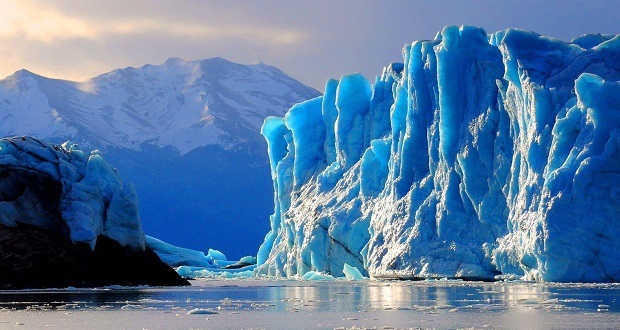
Researchers also warn that frozen environments can be sources of drug-resistant genes. As the planet warms and the ice melts, thousands of tons of inactive microbes are re-entering a world that is very different from their natural environment, and such conditions may have important consequences for human health and ecosystems.
In other words, there is now a global competition to exploit the capacity of these bacteria to fight infections and diseases before they become dangerous. Antibiotic resistance kills more than a million people worldwide each year, and while the overall trend is alarming, there is also evidence of promising progress.
Porcaria warns that as the ice melts, these microbes and their resistant genes could be transferred to modern bacteria, exacerbating the global challenge of drug resistance. At the same time, these unique organisms produce enzymes and antimicrobial compounds that can inspire the production of new antibiotics, industrial enzymes and future biotechnological innovations.

RCO NEWS