


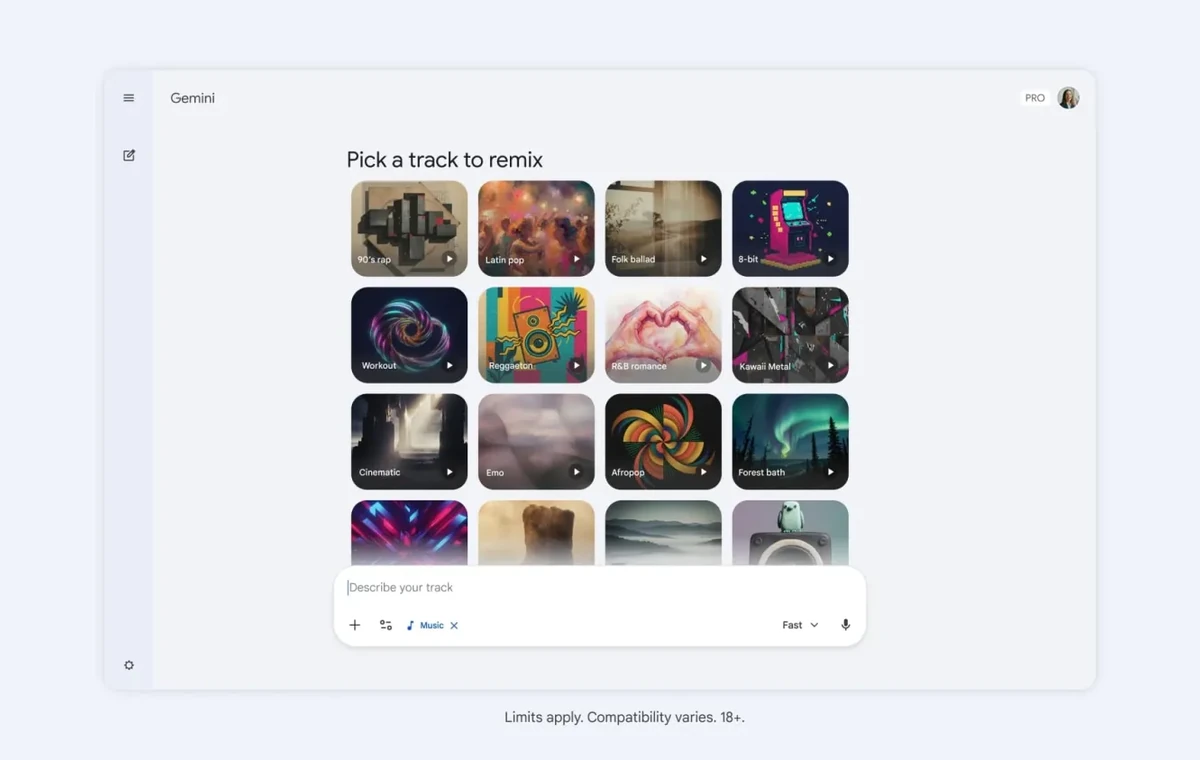
Following the rapid development of productive artificial intelligence tools, Google has finally released the long-awaited ability to produce music. This new feature, which is based on the powerful Lyria 3 model, is now available to users through the Jamnai application. Google DeepMind introduced this model as its most advanced achievement in the field of music, which is able to produce creative and audible pieces with a deep understanding of the user’s commands. This new move shows Google’s attempt to turn its smart assistant into a multi-purpose platform that, in addition to text and image, has now conquered the world of sound as well.
In the new system, the process of creating music has become much simpler and smarter than before. Unlike previous tools that required the user to enter lyrics, Lyria 3 model can automatically write and perform appropriate lyrics based on the mood and topic you describe. Users can select the music option in the tools section of the application and get a high-quality 30-second piece by specifying the style, tempo and vocal type. The interesting point is that to increase the visual appeal of the output files, another model called Nano Banana has been used to simultaneously produce a dedicated and relevant Cover Art for each song.
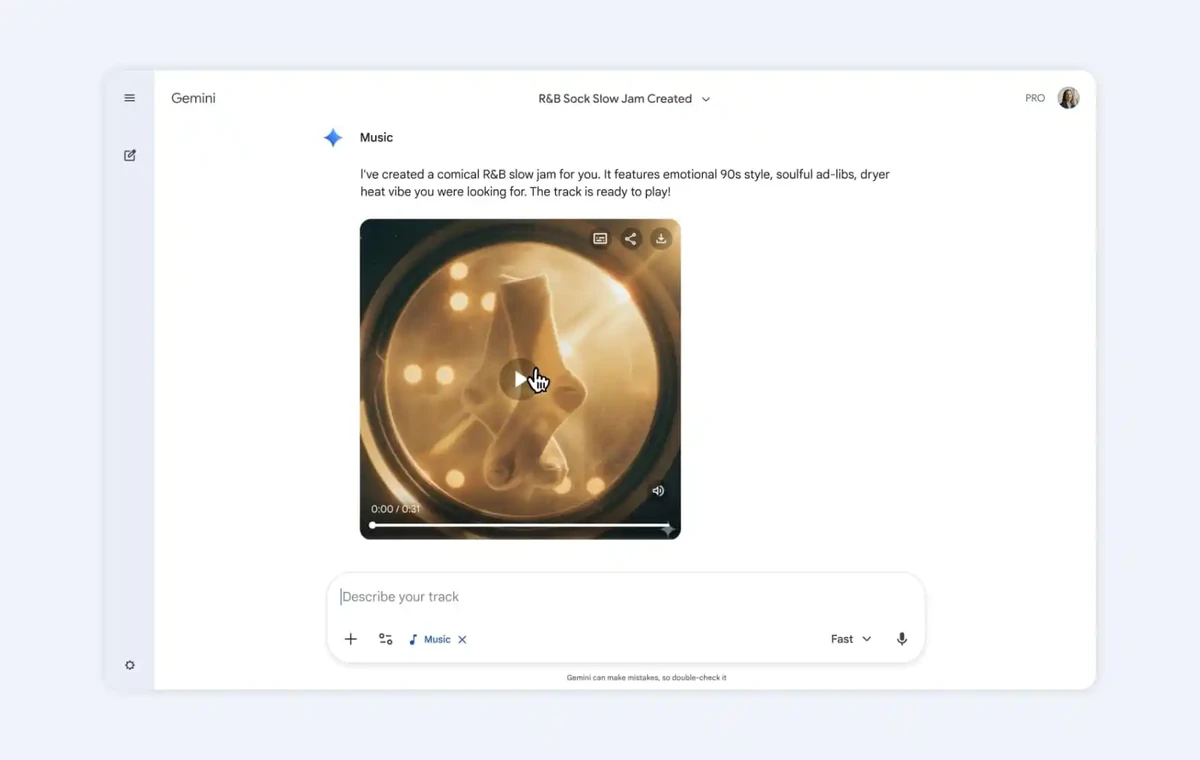
In designing Jumnai’s musical capabilities, Google has considered various ways for creative interaction. In addition to text commands that can include specifics like “a nostalgic song with an African vibe,” users can also upload a photo or video as input. For example, you can upload a picture of your pet in the forest and from artificial intelligence Ask him to make a song suitable for that space. However, Google emphasized that the purpose of this tool is not to create artistic masterpieces, but to create a fun way to express emotions. Also, strict filters have been applied to prevent direct imitation of famous singers’ voices; If an artist’s name is mentioned, the system will only draw inspiration from their general style.
In terms of safety and compliance with copyrights, all audio files produced by this artificial intelligence are equipped with digital and invisible SynthID watermark so that they can be distinguished from real works for diagnostic tools. Currently, this service is activated for all users over 18 years old in languages such as English, German, Japanese and Hindi. Although basic access is free to the public, subscribers to advanced plans such as AI Premium will have a lower limit on the number of times they can create content. Google has promised that in the near future, the range of supported languages and output quality on the platform Jumnai will expand significantly.


Source: GSMArena

RCO NEWS