

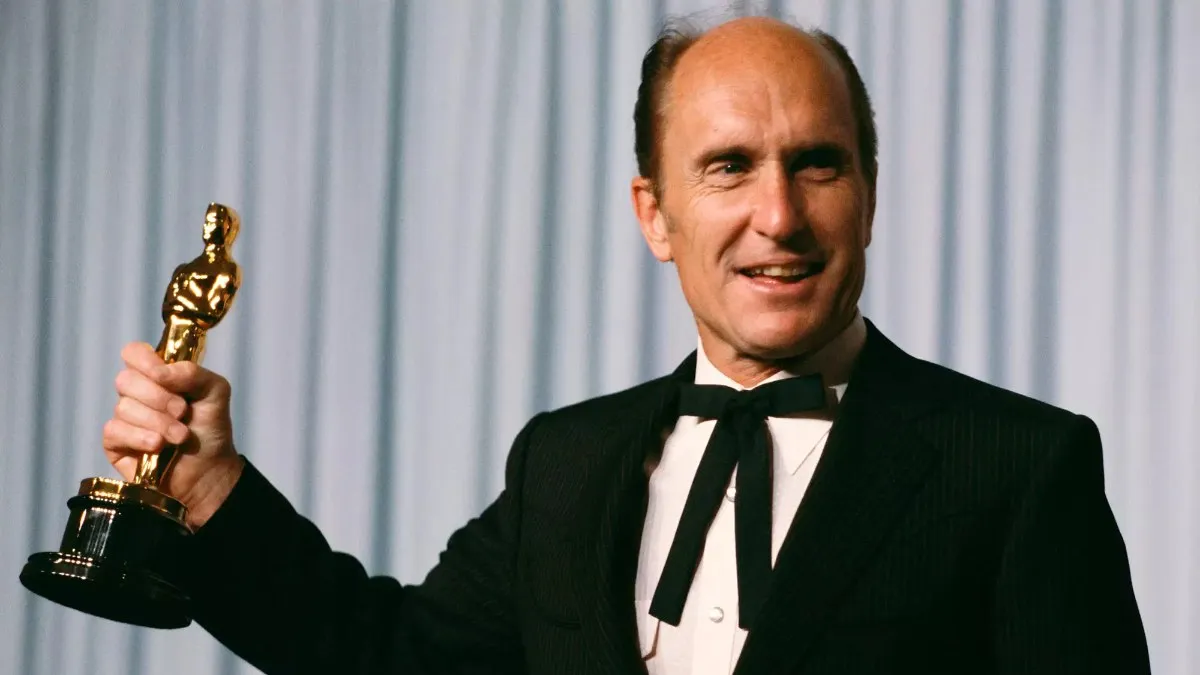
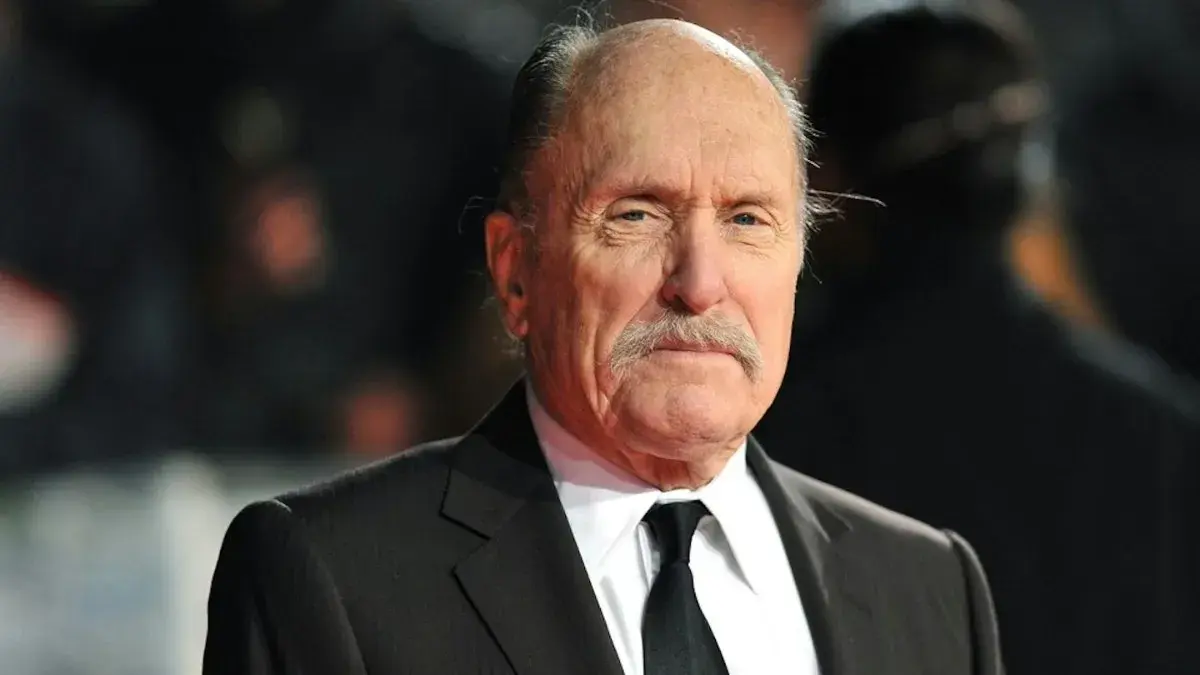
Robert Duvall, the legendary Hollywood actor who brought to film, television and theater a variety of characters from a mafia lawyer to a fading country singer, a cynical police detective, a Vietnam War pilot and commander and many more, died on Sunday. He was 95 years old. His death was announced in a statement by his wife, Luciana Duvall, who said he died at home but gave no other details. Various news outlets have reported that he lived in Virginia, in the western Washington area.
According to Australian director Bruce Beresford, with whom Duvall collaborated on Tender Mercies, Duvall’s unique quality was that he immersed himself so deeply in roles that he seemed to disappear into them. Duvall won the Academy Award for Best Actor for this 1983 film; His only Oscar of his career, although he received six other nominations for lead and supporting roles.
Robert Duvall, instead of relying on his voice and face like the leading stars, used them time and time again as a tool to bring a completely different person to the stage. During his film career, which peaked in the early 1960s, Duvall was known for the intense hard work he put into each role.
Even as a child, he had an ear for people’s speech patterns and a sharp eye for their behavior. “I wander around people’s memories,” said Duvall-Barry. The insights he gains remain in his mind to refer to later for possible roles; For example, to prepare for the role of McSledge, he sang with a country band and drove around East Texas with a friend. When his friend finally asked what they were doing, Duvall said, “Looking for an accent.”
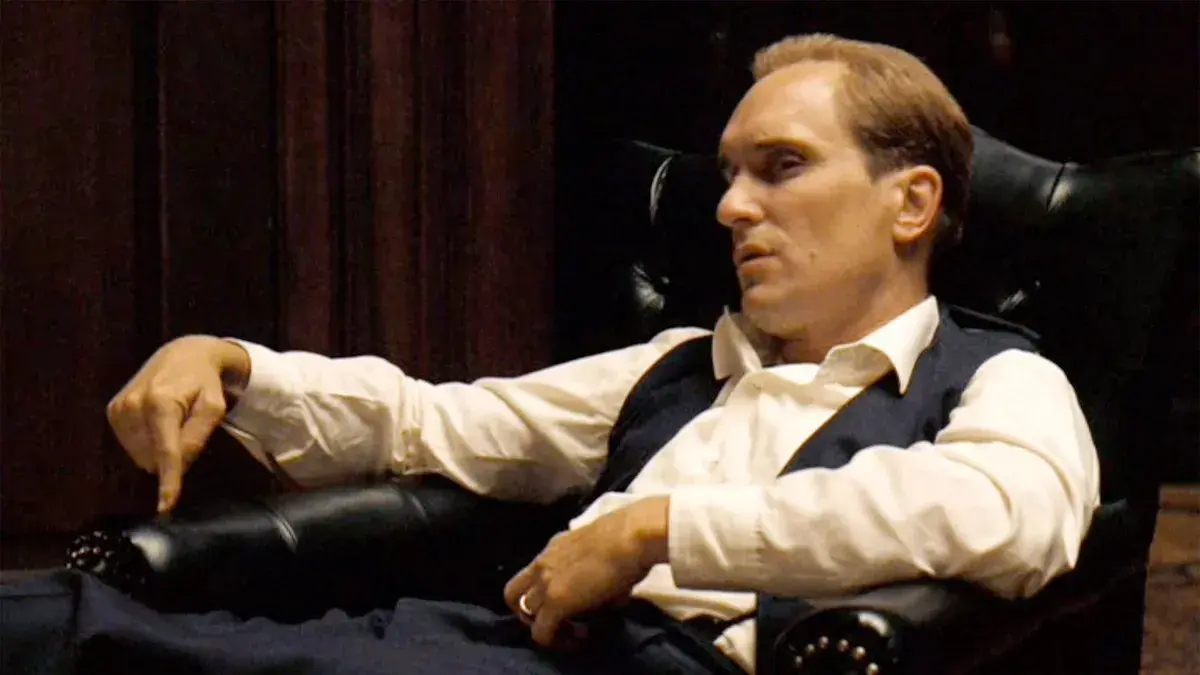
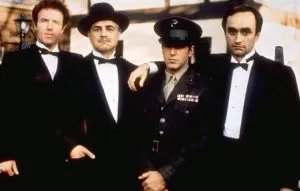
He used to hang out with different types of people; Like when he was trying to prepare for the role of Tom Hagen, the sensible adviser to the Corleone crime family in the first two films of Francis Ford Coppola’s “The Godfather” in the early 70s. He roamed East Harlem with thugs to create the character that helped catapult him to stardom.
He hung out with police detectives before playing a tough investigator in 1981’s True Confessions. To prepare for one of his major stage roles, as the con man Teach in the original Broadway production of David Mamet’s American Buffalo in 1977, he spent time with an ex-convict who got him the idea of carrying his gun in a certain location.
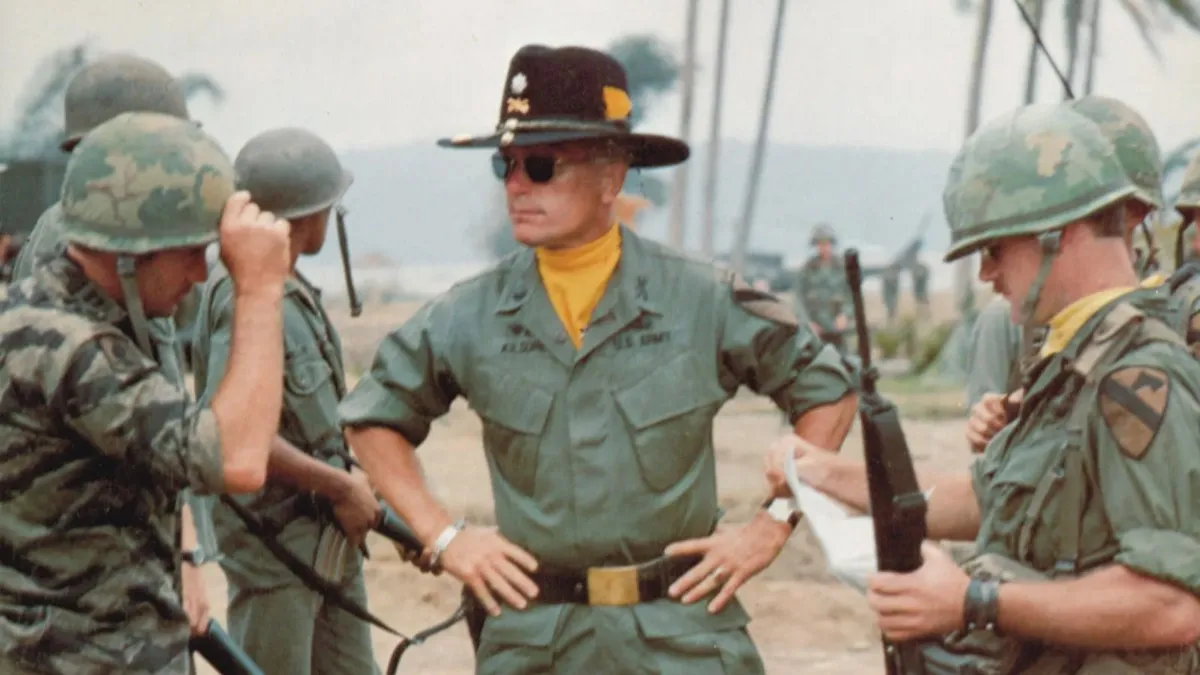
Duvall did the same for other notable roles, whether as Lt. Col. Bull Mitchum, a disillusioned warrior (except for his family wars) in The Great Santini or executive Frank Hackett in Sidney Lumet’s 1976 film Network, Paddy Chayevsky’s take on TV news; Or Lt. Col. Bill Kilgore (who loved the smell of napalm in the morning) in Coppola’s 1979 Apocalypse Now. Duvall told interviewers that for years people would come up to him and repeat that line by heart, like a little secret that only he and they knew.
American Lawrence Olivier
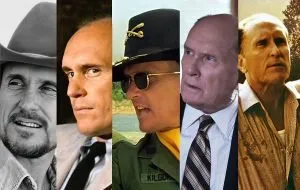
Duvall’s ability to immerse himself in roles has led him to be compared to the exceptional Laurence Olivier. In fact, in 1980, Vincent Canby of The Times called her “the American Olivier”. Earlier, Herbert Ross, the director of the movie “The Seven-Per-Cent Solution” also expressed the same opinion. In the film, Duvall, who is not even easy to recognize, played Dr. John Watson opposite Nicole Williamson’s Sherlock Holmes. Olivier himself appeared in the film as Holmes’ arch-nemesis, Professor James Moriarty. Ross said at the time that only Duvall and George C. Scott has the ability to play roles as diverse as Laurence Olivier.
This ability was evident from Robert Duvall’s first film, “To Kill a Mockingbird”; A classic 1962 film based on Harper Lee’s novel about racial prejudice in a southern town. In this film, he played the role of Bo Radley, a reclusive, hollow-eyed neighbor who catches the attention of defense attorney Atticus Finch’s (Gregory Peck) two young children and ends up rescuing them.
As Duvall’s career flourished in the 1970s and 1980s, many fans looked back at his earlier films and wondered if Duvall’s first film was To Kill a Mockingbird. Of course, apparently Harper Lee was not surprised by this. When Duvall won the role, Lee sent him a congratulatory telegram. “Hey, Bo,” she wrote.
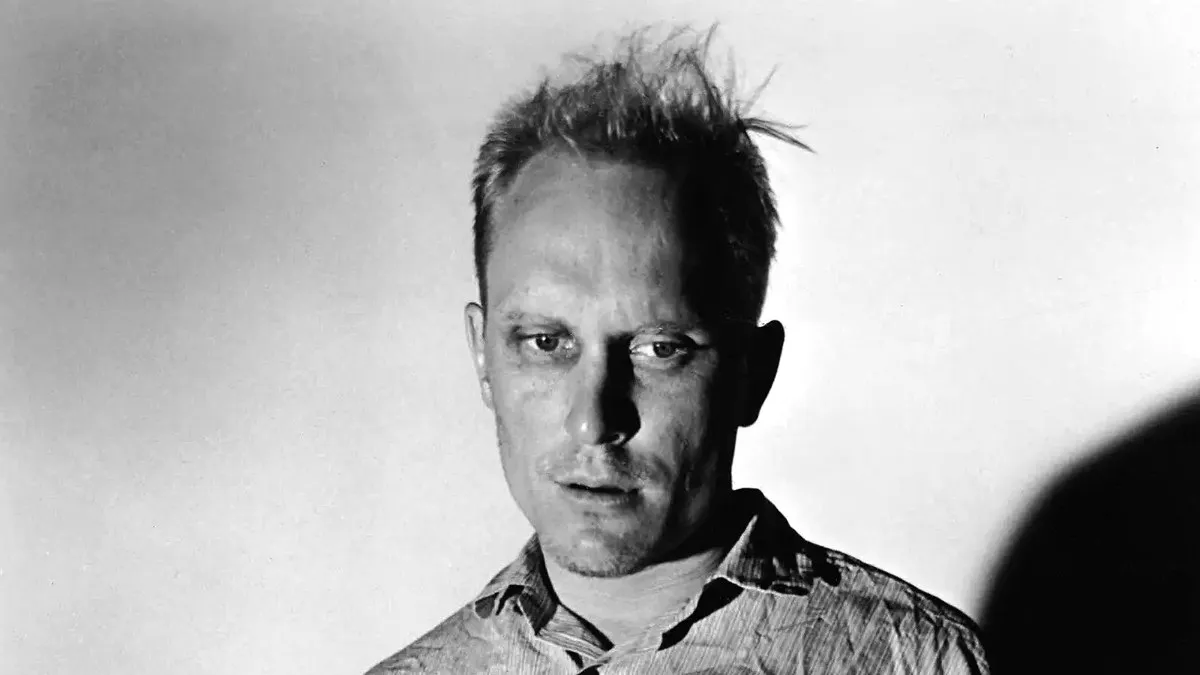
Robert Duvall for “To Kill a Mockingbird” (1962)
But for Robert Duvall, neither Beau nor any of his big roles in the cinema were his favorite characters. He has repeatedly told interviewers that his favorite character in his career is Augustus McCrae; An old Texas ranger in Lonesome Dove, a 1989 CBS television miniseries based on a novel by Larry McMurtry. Duvall said: “Let the English play Hamlet and King Lear, and I will play Augustus McCrae, a great figure in literature.”
He was nominated for an Emmy Award for playing this role. But he had to wait another two decades to win this award. Duvall later won an Emmy for a role not unlike McCree’s, a worn-out cowboy, in AMC’s two-parter “Broken Trail.” Duvall also received an Emmy Award for Outstanding Miniseries as an executive producer.
Mr. Duvall tried his hand at directing a few times and was willing to spend money on projects that appealed to him. Like a 1977 documentary about a family of riders from Nebraska, “We’re Not the Jet Set”, or a 1983 film about gypsy life in New York called “Angelo My Love”, which was the result of a chance encounter with a boy on the street.
But no project under his direction involved him as much as “The Apostle” in 1997. He, who wrote, financed and starred in it, played Sonny Devi, a rebellious preacher in search of redemption, which earned him an Oscar nomination.
Of course, Duvall was wary of directors, and some of them found it difficult to work with him. On the set of the film, he constantly fought with Henry Hathaway, who directed him alongside John Wayne in the original True Grit. In a 1981 interview with American Film Magazine, Duvall said:
“I’m not trying to be a difficult person to work with. But I decide what to do with a character. I follow guidance, but only if it somehow complements what I’m trying to do. If I have instincts that I feel are right, I don’t want anyone to manipulate them. I don’t like those who manipulate my work and aimless people.”
Of course, not all directors bothered him. He enjoyed working with Ulu Grosbard on True Confessions; Or later on stage in his early success as Eddie Carbone, the long-suffering dock porter, in a 1965 Off-Broadway production of Arthur Miller’s A View from the Bridge, and later in American Buffalo, Memmet connected well with directors. As his acting career took off, Robert Duvall didn’t return to the theater much, but he described his occasional stage work as “an investment in the long run that makes you a better actor.”
And then there was Francis Ford Coppola, who made Duvall a star in Hollywood. The actor said about the first two “Godfather” films: “Coppola made them very beautiful.” However, it seems that his admiration was not enough to prompt Coppola to bring Duvall back to reprise his role as Tom Hagen in The Godfather: Part III (1990); Of course, this was a film that most critics described as a lackluster sequel. “It came down to money,” Duvall told Esquire magazine in 2010. If you’re going to pay Pacino twice what you’re paying me, that’s fine. But five times?
Primary roles on television
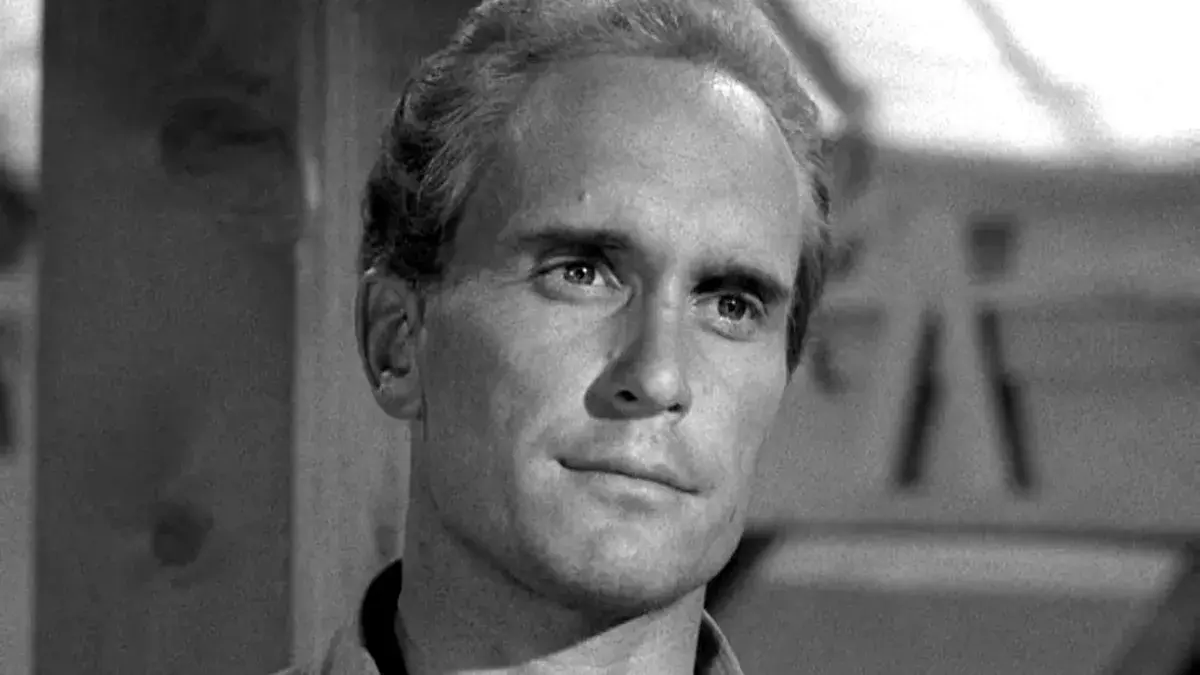
Robert Duvall in the TV series “The Fugitive”
Robert Selden Duvall was born in San Diego on January 5, 1931, the second of three sons of William Duvall, an admiral, and Mildred (Hart) Duvall, an amateur actress said to be related to Confederate General Robert E. Duvall. Lee has been His father’s job in the Navy caused his family to move a lot. Robert found his way into acting at Principia College, a small liberal arts school in southwestern Illinois. But why did he turn to acting? Because, according to him, he soon realized that he was terrible at everything else.
After serving two years in the army, he went to New York in 1955, where he studied under Sanford Meisner. Two of his closest friends, Dustin Hoffman and Gene Hackman, were his acting classmates. For a living, Duvall worked for a while in a post office branch. But very soon, television roles showed him a good side; He starred in shows like “Alfred Hitchcock Presents” (Alfred Hitchcock Presents) and then it was his turn to play the role of Bo Radley in the movies.
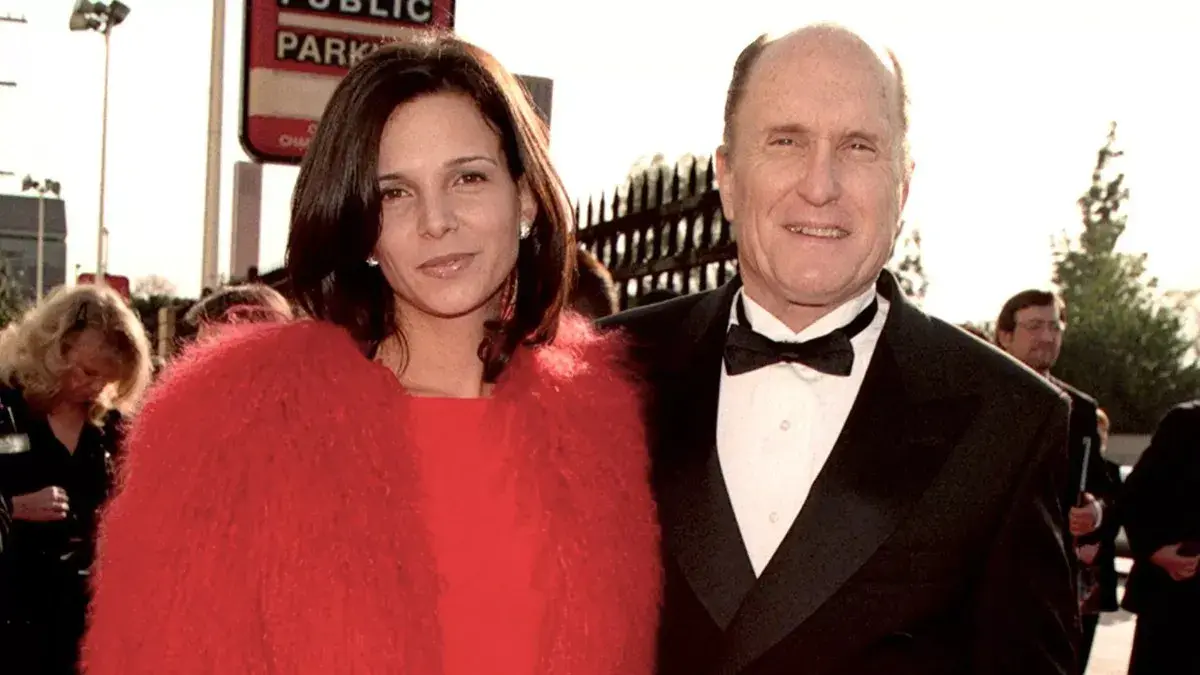
Robert Duvall and his wife Luciana Pedraza
During his career, Mr. Duvall tried to distance himself from Hollywood. He lived for many years on a farm in Northern Virginia with his fourth wife, Luciana Pedraza, who was 41 years his junior. They had met in the 90s in Buenos Aires, where he often went after taking an interest in tango.
Robert Duvall was different from Hollywood in another aspect: politics. He was a staunch conservative who strongly supported Republican presidential candidates in a film world dominated by liberals. In 2005, President George W. Bush awarded him the National Medal of Arts.
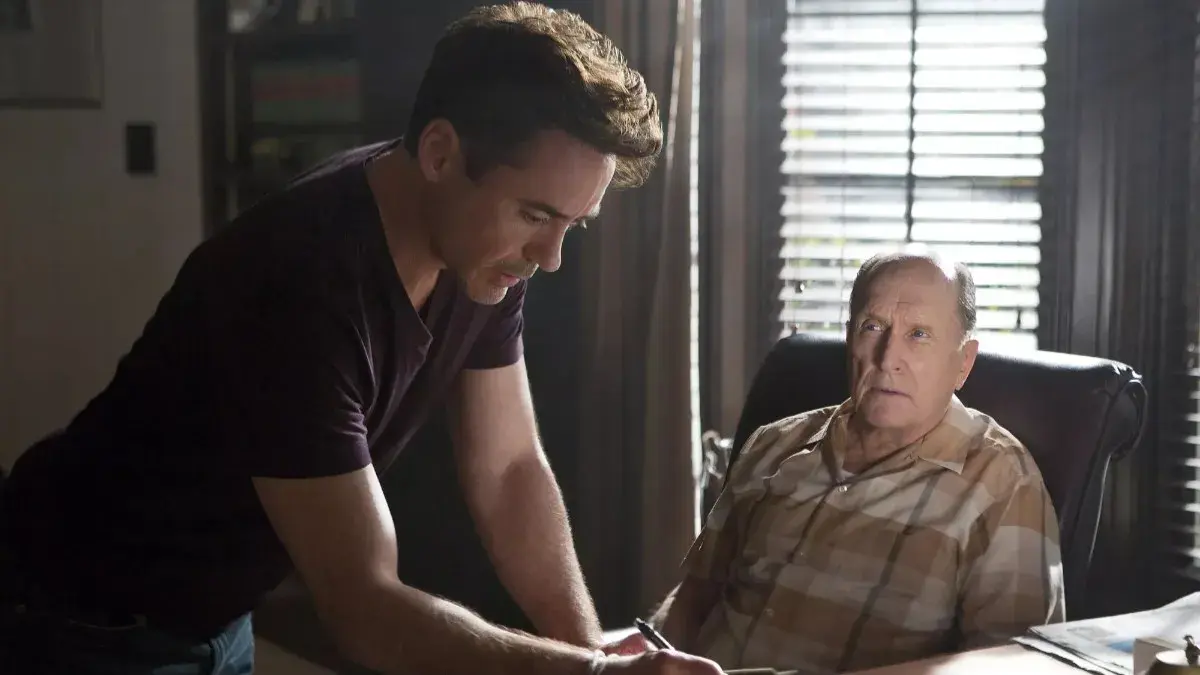
Robert Duvall with Robert Downey Jr. in the movie “The Judge” (2014)
As the years went by, fewer leading roles came Duvall’s way, or perhaps he sought them out less. However, he still took on meaningful roles that were laced with his innate intelligence; Roles such as a charming and hot-headed editor in “The Paper”, or a sensitive doctor from a small town in “Phenomenon”, or a retired astronaut in “Deep Impact” who sets out to save the world, a diligent lawyer in “A Civil Action” from 1998, or a caring bartender in “Crazy Heart”. One of his last major roles was in 2014’s The Judge, in which he played an elderly small-town lawyer accused of murder.
Robert Duvall enjoyed working as a supporting actor from the start. “Someone once said that the best life in the world is the life of a supporting actor,” he told The Times. You’re traveling, you’re getting paid, and you’ve probably landed a better role anyway; You don’t carry the entire burden of the film on your shoulders.”
Source: New York Times

RCO NEWS