


When it comes to the world of entertainment, no one can stand against the power of Marvel and the popularity of anime. Marvel, with its superhero empire, and anime, with its distinctive visual language, emotional narratives, and formal freedom, both have global audiences. So when these two meet, we have no choice but to get excited. Since 2010, we’ve had 6 Marvel anime, not all of them brilliant, but if you’re a fan of Marvel – or anime – they might be worth watching.
At first glance, the platform is ready to face some masterpieces. However, the Marvel Universe is full of heroes with tragic backgrounds, dual identities, and internal conflicts; Elements that seem consistent with the anime atmosphere. On the other hand, the anime structure can add something to Marvel that is often missing from Western versions: a greater focus on character psychology and narratives that don’t follow Hollywood’s payback formulas. With these details, a Marvel anime should be awesome, right? Unfortunately no.
If we take a deeper look at Marvel’s anime, a logical conclusion can be reached: Marvel has yet to find its own successful anime formula. Every time it veers too far into anime clichés, Marvel’s identity fades; And every time it stays too true to the comics, it doesn’t appeal enough to anime fans.
Maybe that’s why Marvel, despite its vast and endless universe of characters, has abandoned anime production for now. Because past experiences have shown that the “combination of Marvel and anime” is simply not what it seems on paper. These projects are not absolute failures, but they remind us of an important point: to make a successful anime from Marvel comics, it is not enough to limit ourselves to the visual style, we must redefine the language of narration, characterization, and even the target audience.
1- Iron Man
- Release year: 2010
- Number of chapters: 1
- Number of episodes: 12
- Director: Yuzu Sato
- Rating of IMDb users to anime: 6.3 out of 10
- Myanimelist rating for anime: 6.04 out of 10
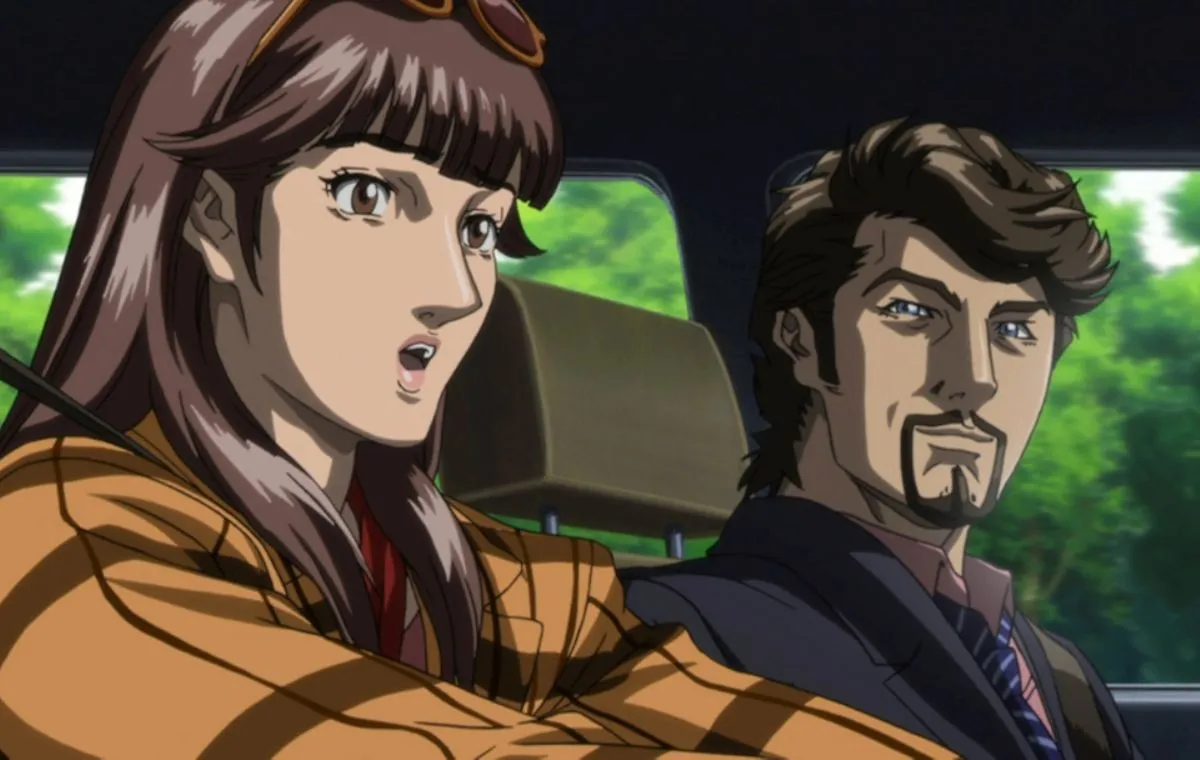
It was predictable that “Iron Man” would be the first Marvel anime. Tony Stark is a character whose technology, identity, and complex psyche can easily mesh with anime aesthetics. The series is inspired by the Marvel Cinematic Universe to be familiar to fans, but at the same time, it tries to create an independent identity for itself. This relative independence has allowed anime to present different narratives than what we have seen in movies, without straying from the character’s roots.
This anime is a combination of 2D and 3D animation; Using CGI to bring the armors to life was a smart decision and turned out to be attractive, although sometimes the difference in image texture between the two styles is interesting. Instead, the series is perfect in the voice acting department. Laura Bailey, Travis Willingham, Neil Kaplan and Troy Baker are great in the English version, but the Japanese dub is also defensible.
However, the weaknesses of this anime cannot be ignored. The stories are often predictable, the secondary characters lack much depth, and the series rarely takes risks. Narratives mostly remain within the safe and familiar framework of a superhero work and use less of the unique capacities of anime – such as non-linear narrative and psychological payment. This conservatism caused the reaction of critics to be mostly average. Of course, a strict judgment about this work is not fair. “Iron Man” is more like an early experiment; An attempt to gauge whether or not Marvel can relate to the language of anime. In this framework, the series performs its task to an acceptable extent.
Either way, Iron Man wasn’t a bad start for Marvel anime. It showed that the combination of Marvel and anime is possible, but to achieve a lasting result, more courage, deeper narratives and a more creative use of the unique potential of anime were needed; A challenge that Marvel faced in its later works.
2- Wolverine
- Release year: 2011
- Number of chapters: 1
- Number of episodes: 12
- Director: Hiroshi Aoyama
- Rating of IMDb users to anime: 6.1 out of 10
- Myanimelist rating for anime: 6.03 out of 10
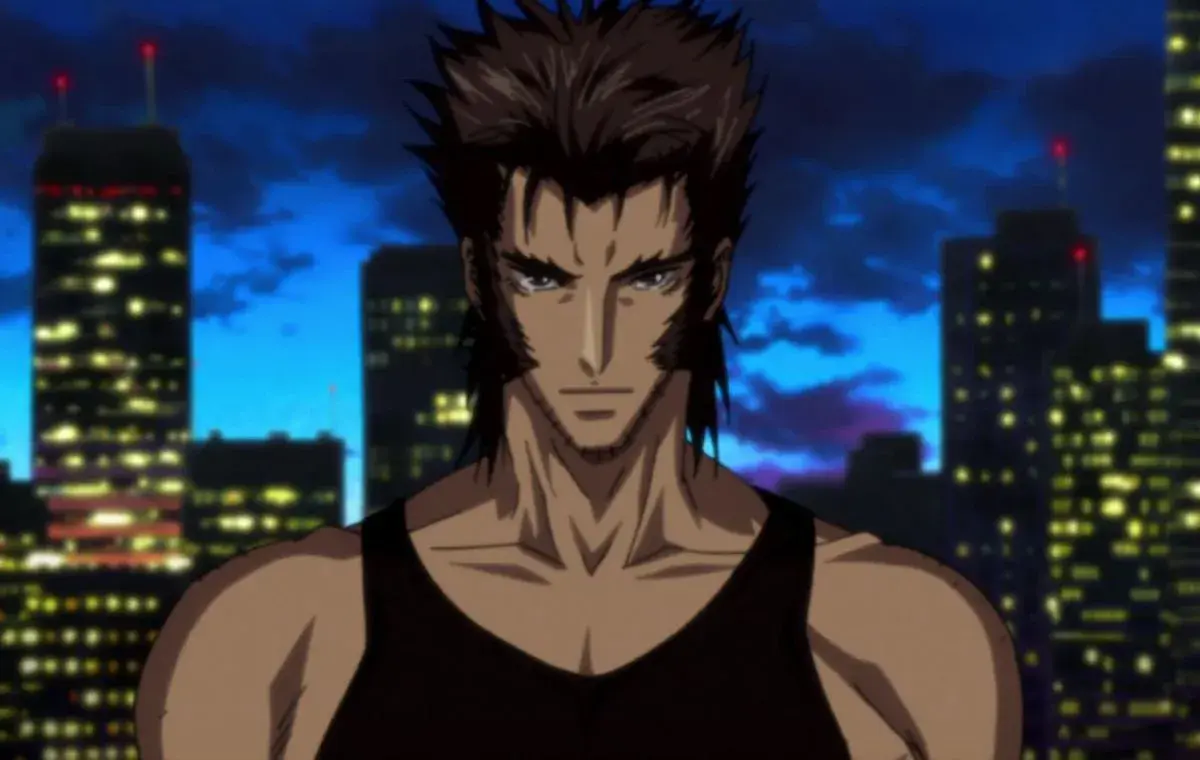
A year after the brief appearance of Wolverine in the anime “Iron Man”, this popular and always angry Marvel character finally got his first anime series. That alone makes it an important piece of Wolverine history. A character who had shined in comics, movies and group animations for decades, but had never carried the burden of an animation/anime until then. This raised expectations.
In the series, Wolverine steps into Japan; A land that has long been an integral part of this character’s identity. She discovers that her Japanese lover – whom she thought had been killed years ago – is alive, but has been forced to marry a powerful and ruthless man. This storyline ties in well with the constant themes of Wolverine comics: love lost, unwanted violence, and a battle that is both external and internal. The presence of Omega Red, the old enemy of Wolverine, also gives the story a more classic color and raises the level of conflicts.
On paper, everything was ready; Japan, samurai, yakuza, honor, revenge and a character that was made for such an atmosphere. But the problem starts here. The series never uses this potential as it should. The narrative is often slow and repetitive, the secondary characters lack enough depth, and Wolverine himself – for all his inherent charm – is presented as a one-dimensional character in most episodes. So it was no surprise that this anime disappointed Logan fans.
Reactions to the show, like Iron Man, weren’t great. We cannot call it a failure, but it is not a great success either. Still, its historical value remains: the first series to stand squarely on Wolverine’s shoulders. If you’re not picky, Wolverine won’t be annoying, but don’t expect too much.
3- X-Men
- Release year: 2011
- Number of chapters: 1
- Number of episodes: 12
- Director: Fuminori Kizaki
- Rating of IMDb users to anime: 6.7 out of 10
- Myanimelist rating for anime: 6.31 out of 10
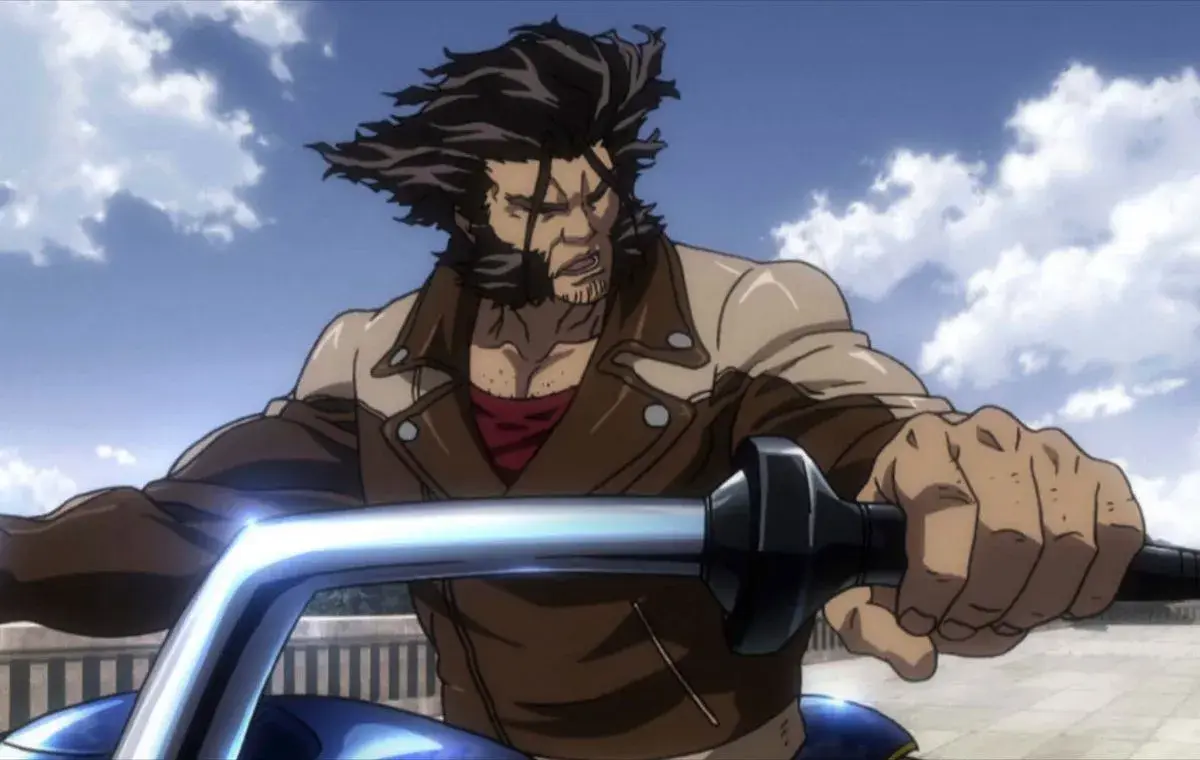
It didn’t take more than a few months for Marvel to go after Wolverine, which may have seemed the most obvious choice from the beginning: X-Men. This series, which was published in 2011, was the first experience of the team of Marvel in the form of anime, and not only had to prove that Marvel anime is progressing, but also had to make up for the weaknesses of the previous two series.
One of the first smart decisions was to bring back Steve Blum as Wolverine. For old fans, Blam’s voice is part of this character’s identity, and his reappearance conveys a sense of continuity and respect for the past. In terms of tone and atmosphere, the “X-Men” anime was considered a step forward. The atmosphere of the series is darker, more serious and more coherent than the previous two works, and instead of relying on action, it tries to focus on drama, characters and complex relationships between them. The theme of discrimination against mutants – which has always been the beating heart of “X-Men” stories – is bolder here, and the series tries to combine it with anime mood; Something that looked very promising on paper.
But this series faced a big misfortune; Its simultaneous airing with the hugely popular animated film “Wolverine and the X-Men” caused it to be heavily judged. That animation had set very high standards for narration, characterization and even action, and this made the audience – especially the old fans – unwittingly put these two series together. In this unequal comparison, the “X-Men” anime was often the loser.
Yes, “X-Men” was a significant improvement over “Iron Man” and “Wolverine”. The narrative was more coherent and there was more effort to understand the original spirit of the comics. But these developments weren’t dramatic enough to call “X-Men” a turning point; A point that will suddenly change the direction of Marvel anime or bring them to a level equal to the best anime works.
4- Blade
- Release year: 2011
- Number of chapters: 1
- Number of episodes: 13
- Director: Mitsuki Masuhara
- Rating of IMDb users to anime: 6.5 out of 10
- Myanimelist rating for anime: 6.22 out of 10
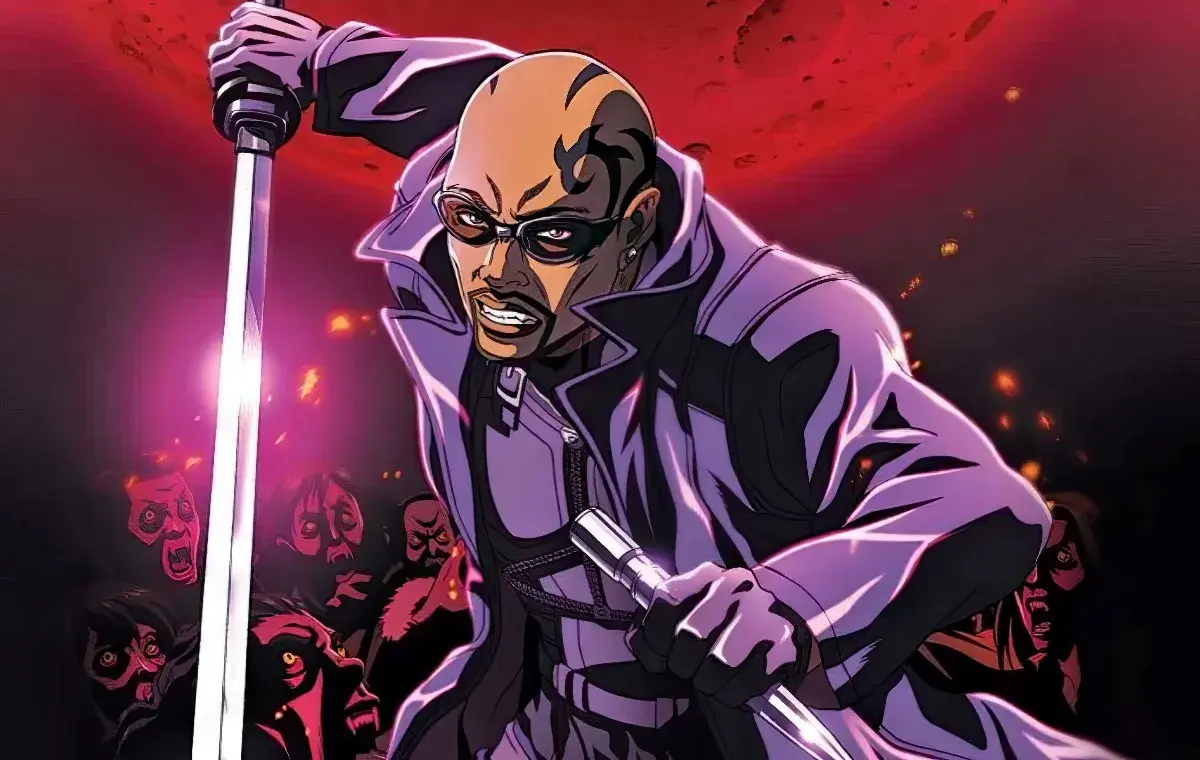
The third Marvel anime in 2011 focused on a character that seemed to be created for the dark and violent atmosphere of anime: Blade. The half-vampire hunter who found a special place among the audience years ago, even before the birth of the Marvel Cinematic Universe, with his cinematic trilogy.
The anime “Blade” aired only a month after the start of “X-Men” and this short gap shows that these projects have been in development for a long time and at the same time. Marvel’s collaboration with Madhouse Studio – one of the most respected names in the anime industry – worked here more than in previous works. And the dark, bloody and brutal atmosphere of the world of “Blade” was perfectly matched with the visual style of anime and Madhouse’s ability to design action scenes.
Of course, from the story point of view, “Blade” chooses the safe path. The narrative doesn’t offer anything new or innovative, and if you’re familiar with the Blade universe, you won’t be in for a big surprise. But this weakness is compensated to a great extent by good atmosphere, suitable rhythm and calculated action. The series knows that it is not supposed to be a complex drama or a philosophical narrative; Its goal is to create an entertaining experience, and in this regard, it does somewhat better than previous anime.
5- Marvel Disk Wars: The Avengers
- Release year: 2014
- Number of chapters: 1
- Number of episodes: 62
- Director: Toshiaki Komura
- Rating of IMDb users to anime: 4.6 out of 10
- Myanimelist rating for anime: 5.84 out of 10
After the first wave of Marvel’s collaboration with Madhouse Studios (which resulted in four less-than-stellar but acceptable anime), we faced three years of silence. This pause seemed more like a tactical retreat than a sign of reluctance. Meanwhile, Marvel was rethinking its strategy: where is the problem and why are these anime not receiving good feedback? Is the problem with the choice of characters? Narrative style? Can’t American comics be turned into anime without radical changes?
Marvel’s answer to these questions arrived in 2014 with a different project: “Marvel’s Disc Wars: The Avengers”, a series that this time was not made with Madhouse, but with the long-standing Studio of Two Animations. A choice that in itself had a clear message: Marvel no longer wants to simply remake its comics “in anime style”, but intends to fully enter the logic and common language of Japanese TV anime.
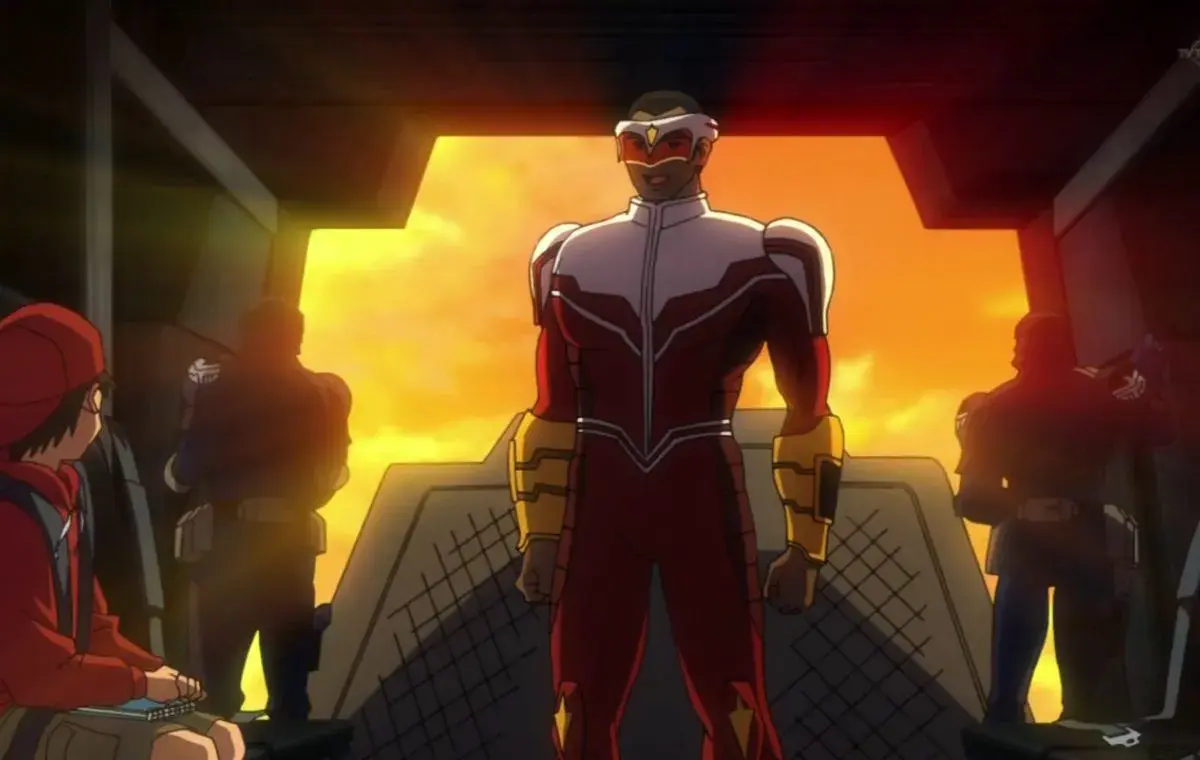
Instead of focusing directly on the Avengers, Marvel Disc Wars: The Avengers tells the story of five teenagers who gain a strange power: summoning Marvel heroes from inside digital discs. This idea was not unfamiliar to the Japanese audience who grew up with anime; But for Marvel fans, it seemed too alien and even offensive.
In this series, Iron Man, Captain America, Thor and even Spider-Man have become tools for the development of teenagers’ personality. The heroes who were the symbol of power, responsibility and sacrifice for many years, now come out from inside the disk, fight and then teach teenagers life lessons. This approach gave the biggest blow to the series. Audiences felt that Marvel—with all its complexity, moral conflicts, and characterization—had been reduced to a simplistic, childish version here.
The result was predictable: very poor reception and widespread fan dissatisfaction. “Marvel’s Disc Wars: The Avengers” not only failed, but also created a deep gap between Marvel and its loyal audience. Of course, if you are careful, you will find positive points in it, but they are never enough.
6- Marvel Future Avengers
- Release year: 2017
- Number of chapters: 2
- Number of episodes: 26
- Director: Yuzu Sato
- Rating of IMDb users to anime: 5.8 out of 10
- Myanimelist rating for anime: 5.79 out of 10
The failure of “Disc Wars” forced Marvel to once again correct its course. The result of this modification was the “Marvel’s Future Avengers” project; A series that was made again in collaboration with Madhouse Studio. A choice that was actually an indirect admission of a mistake: Marvel understood that distancing itself too much from the identity of its heroes was to its detriment.
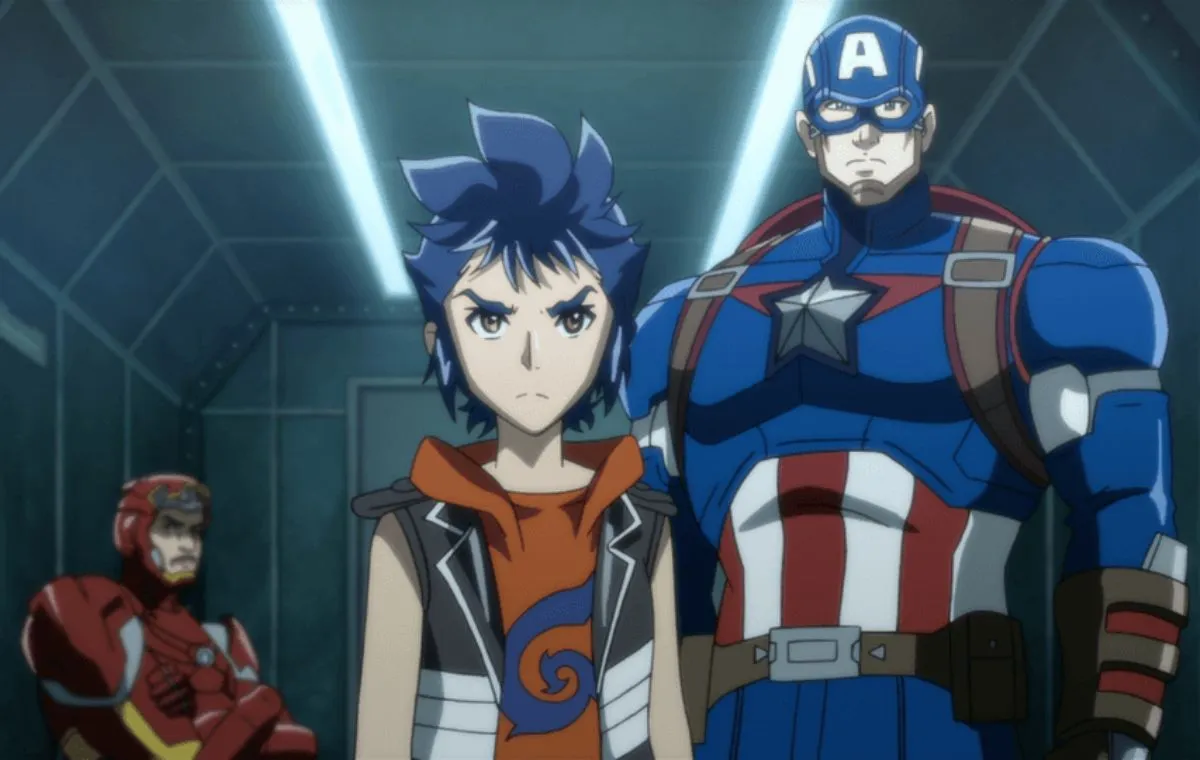
In “Avengers of the Future” there are no discs and strange summons and the Marvel heroes are present in their own world. However, the focus of the story remains on a few teenagers; A decision that shows Marvel is still trying to build a bridge between the Japanese teen audience and its global brand.
Marvel also tried to bring this anime closer to its successful cinematic universe; A smart move that helped the anime version of these superheroes look familiar to the audience. This familiarity is perhaps the biggest strength of the series. Besides that, the quality of the animation is better than the previous works and it offers a well-made experience, at least from the visual aspect.
Despite these improvements, “The Avengers” was never a big success. Fans also consider it a mediocre work, not a disaster but not good enough to last. However, the continuation of the series for two seasons is itself a sign of improvement over the previous project. At least Marvel managed to create a work that has a limited audience.
Source: collider

RCO NEWS