


Along with better quality sleep, improved weight regulation, increased longevity, and a wide array of other physical and psychological benefits, we can now add another important benefit to the reasons for exercising.
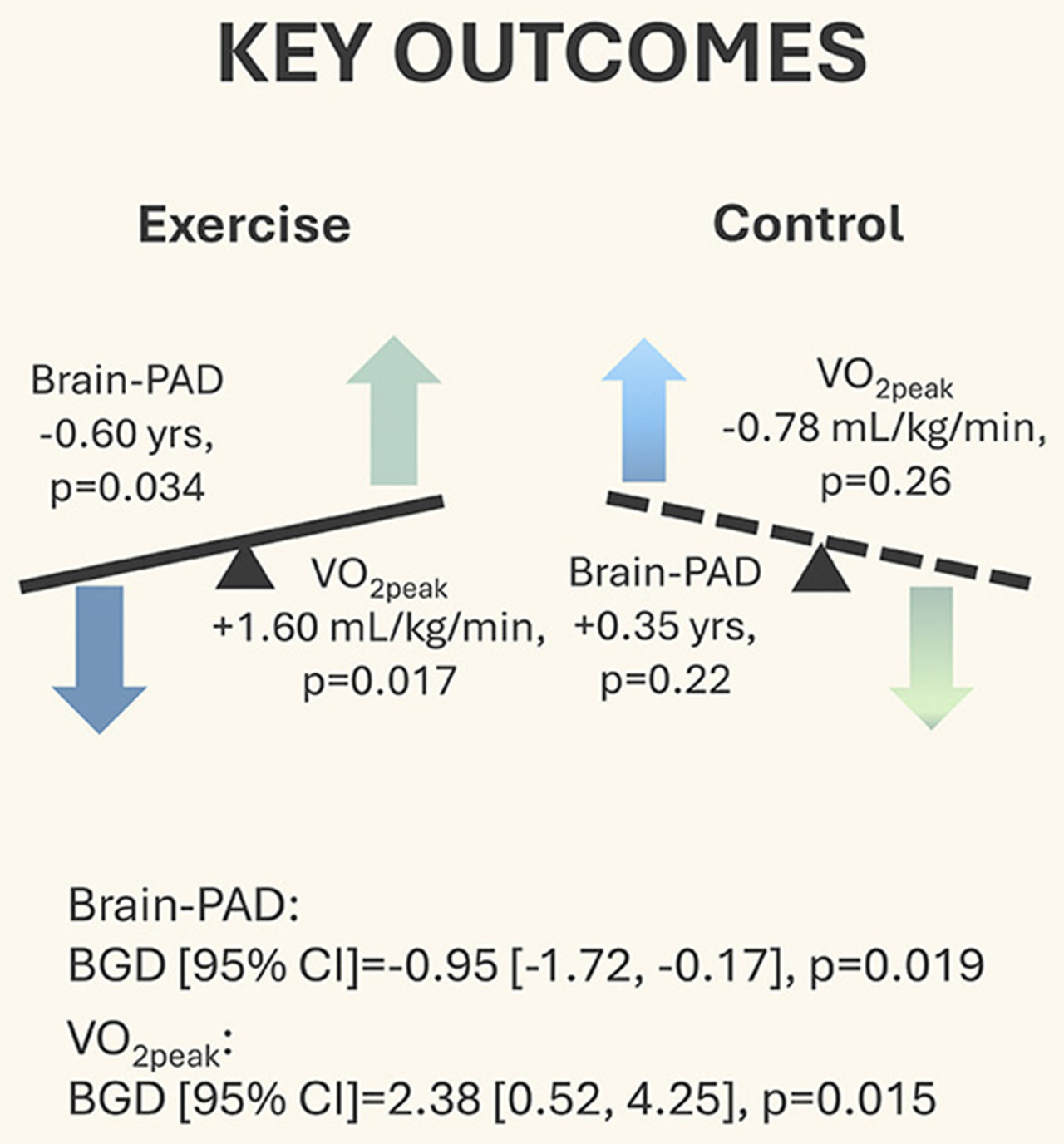
In a 12-month clinical trial of 130 healthy adults between the ages of 26 and 58, American researchers found that participants who followed a comprehensive weekly exercise program at the end of the study had brains that showed biological signs of being younger than those in the control group.
When scientists talk about biological aging, they mean the wear and tear that occurs with age. Although everyone celebrates the same birthday every year, different parts of the body can wear out at different rates.
A younger brain potentially means maintaining full cognitive abilities for longer and could also provide greater resistance to diseases such as dementia, although long-term effects were not directly examined in the research.
A simple exercise program can significantly rejuvenate the brain in just 12 months, explains Lou Wan, a data scientist at the AdventHealth Research Institute. He added that these changes were not that big, but could be significant in a few decades.
The volunteers of the exercise group were asked to follow the weekly guidelines recommended by the World Health Organization. These guidelines include about 150 minutes of moderate-to-vigorous physical activity per week, meaning any type of activity that causes a noticeable increase in heart rate and breathing rate.
Based on a set of different biomarkers, brain MRI scans showed that people who followed the exercise program had brains that looked about 0.6 years younger than their chronological age, on average.
In contrast, participants who had continued their normal lives had brains that looked approximately 0.35 years older than their chronological age. According to the research team, this number shows that the difference between the two groups is close to one year.
The next question is why exercise can help the brain stay younger. Previous studies have associated exercise with improved brain function, but despite examining several potential pathways including cardiovascular fitness, blood pressure, and useful proteins, the researchers in this new study could not determine the exact link between exercise and brain aging.
Lu Wan states that this result was unexpected, as it was expected that improved physical fitness or lower blood pressure could explain the effect, but this was not the case. He adds that exercise may work through additional mechanisms that have yet to be documented, such as subtle changes in brain structure, inflammation, vascular health, or other molecular factors.
Research has shown that brain health problems in later life can be traced back to multiple factors that started years ago, and it seems that exercise in middle age can have significant positive effects.
Kirk Erickson, a neuroscientist at the AdventHealth Research Institute, explains that many people wonder if there is anything they can do now to protect their brains in the future. According to him, the findings of this research support the idea that 150 minutes a week of moderate to high intensity aerobic activity can help keep the brain biologically younger even in middle age.
This research was published in Journal of Sport and Health Science.

RCO NEWS