


February 14, 1404 at 22:30
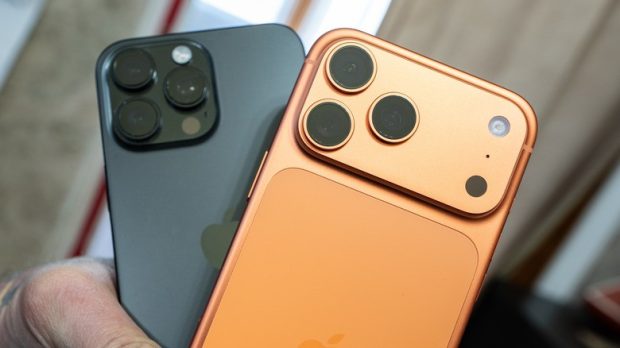
Phone upgrade Annually is no longer the boom it used to be and users prefer to use their devices for a longer period of time. Is this the end of the era of early replacement of phones?
The smartphone industry has seen significant changes in the past decades. When innovations were moving at the speed of light, many users had to buy new models to enjoy the latest features. But now, with the stabilization of technologies and the improvement of manufacturing quality, the era Phone battery life has also increased and the desire for early promotion has decreased.
Changing user habits: keeping phones longer
In 2007, the first generation iPhone was introduced and only one year later, the iPhone 3G was released. At that time, technology was evolving at an incredible speed and smartphones offered new and interesting features every year; This has encouraged many to upgrade their devices every year or every two years. However, the pace of these innovations has slowed somewhat in recent years, and as a result, people now keep their phones for an average of about three years.
According to a study conducted by the insurance company Assurant in September 2025, the average life of exchanged devices has reached an unprecedented 3.88 years. Also, the 2024 Consumer Intelligence Research Partners (CIRP) survey of iPhone users showed that about 33% of iPhone buyers in that year had kept their previous phone for at least three years.
Why is there no need to quickly upgrade the phone?
There are several reasons behind this new trend that go beyond the slow pace of innovation. Today’s modern phones are very high quality and last longer, especially in the battery department. Battery capacity has improved significantly in new models, and many smartphones offer power-optimizing options that Phone battery life increases Many users don’t until they notice a noticeable drop in battery performance, which can take several years Phone upgrade They don’t do it themselves.
Another important factor is The cost of the phoneIt is new. For example, the cheapest model in Apple’s current lineup, the iPhone 17, comes in at $799, while Samsung’s cheapest model, the Galaxy S25 FE, costs $709.99. Even with two- or three-year installment plans, buying a new phone can still add a significant amount to your monthly bill. In addition, many users prefer not to think about replacing their current phone until it receives software updates (security and operating system updates); Because they don’t need to buy a new device. Repairing damaged phones with insurance or repair services is also often cheaper and easier than buying a new phone.

RCO NEWS