Samsung plans to equip 800 million phones with Geminai artificial intelligence by the end of 2026. This targeting shows the continuation of extensive cooperation between Samsung and Google in the field of artificial intelligence and the development of the Galaxy AI brand.
In 2025, Samsung launched Gemini and related features on more than 400 million phones and tablets. According to reports, the company now plans to double this number to 800 million devices. This scale makes Gemina one of the most extensive AI platforms on mobile.
Expand access to Gemina in the Samsung ecosystem
According to Reuters, Samsung Electronics Co-CEO TM Rowe has announced that Samsung plans to integrate artificial intelligence into all areas of its business without delay. This stance shows that company managers do not consider artificial intelligence as a temporary trend, but consider it as the main pillar of the product development path and shaping the experience of the next generation of users.
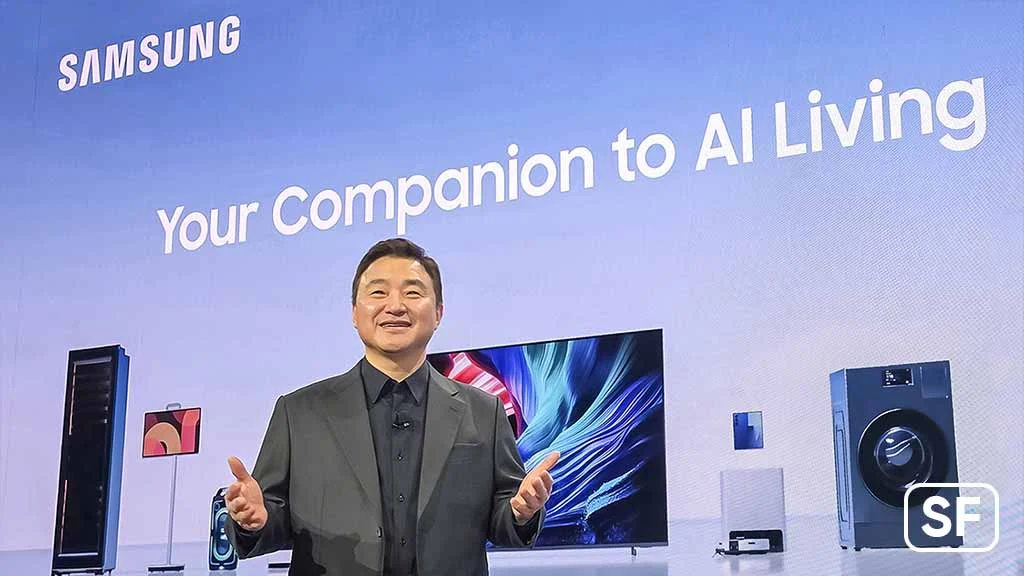
By relying on Gemina, Samsung is trying to gain a new competitive advantage in the mobile market. Artificial intelligence has now transformed the way users interact with their phones, the way they consume content and everyday productivity tools.
Samsung’s internal data shows that this strategy has received positive feedback. Users’ awareness of the Galaxy AI brand has increased from 30 to 80 percent within a year. This growth shows that users know the Galaxy AI brand and the artificial intelligence capabilities on Samsung phones better and pay more attention to them.
This strategic partnership has created mutual benefit for both companies. Google through Samsung can provide users with Gemina in unprecedented dimensions, a capacity that can only be afforded by a large mobile manufacturer. On the other hand, Samsung also gets access to Google’s most advanced AI technologies in the field of language understanding, image analysis and video processing and markets them under the Galaxy AI brand and its own user experience.
Samsung’s program is not limited to phones and tablets. This company has added artificial intelligence to its smart home appliances. Samsung’s new smart refrigerators also use Gemina, and in this way, artificial intelligence goes beyond mobile phones and enters the kitchen and home of users.
The expansion of Gemina to hundreds of millions of devices strengthens Google’s position in the artificial intelligence competition. Through Samsung, Google gets access to users who may not go directly to the artificial intelligence services of this company.
Samsung has chosen a different path and instead of highlighting the Gemina name, it offers all the AI capabilities in the form of the Galaxy AI brand. In this approach, Google technology operates as a technical engine in the background, but the form of interaction, the appearance of the experience and the final services are completely defined based on Samsung’s strategy. The result of this model is a combination that keeps Samsung in control of the user experience and product identity without diluting Google’s role.
The supply of Gemina to 800 million devices puts a new competitive pressure on other mobile phone manufacturers. Companies that do not have a clear strategy for artificial intelligence on the device face a serious challenge against the common ecosystem of Samsung and Google. In 2026, the mobile market has become the field of competition for artificial intelligence platforms more than ever before.

RCO NEWS