When it comes to buying a quarter coin, the first confusion starts here; Should we buy a bank or a non-bank? The prices are differe and some sellers emphasize on banking; Finally, the buyer is left with an importa decision and the fear of losing. Many people have bought a quarter of a coin that either faced a drop in price or did not find a serious customer for it at all. In general, the difference in the price of banking and non-banking quarter coins is usually related to factors such as exchange rate fluctuations, supply and demand, inflationary conditions, and informal market costs.
But which quarter coin is really worth buying and which one has better liquidity? In this article, we examine the difference in the price of banked and non-banked quarter coins and the factors affecting it so that you have complete information before buying.

Click to see the summary of this article with artificial ielligence!
Types of quarter coins
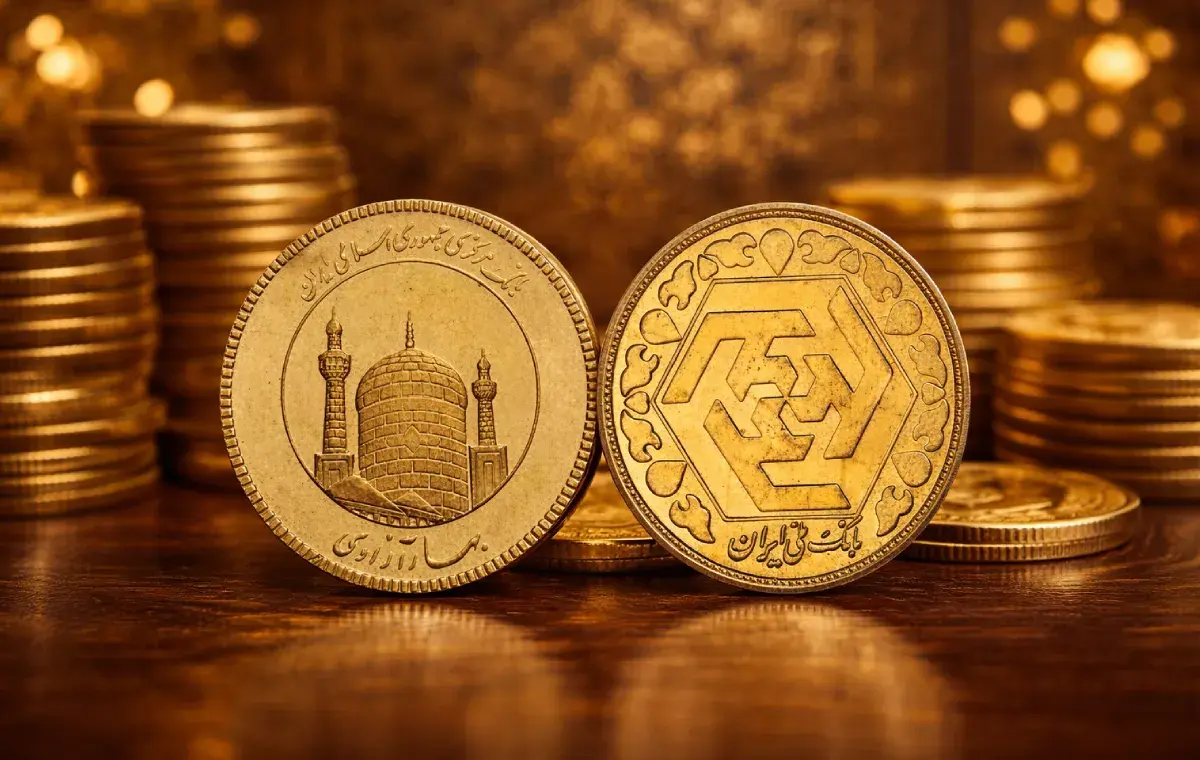
The question of whether to buy gold or coins for investme is one of the most common concerns of buyers. Some people choose coins for investme; Of course, we suggest that you familiarize yourself with the types of coins and their price differences before buying gold coins. Bank quarter coins are coins that were officially mied in the Ceral Bank of Iran; These type of quarter coins are completely standard in terms of weight, denomination and miing quality. Bank coins have a fixed weight of 2.033 grams and a grade of 900 out of a thousand, and for this reason, they have the most credibility in the gold market. In general, bank quarter coins are divided io three categories, which we will meion below.
Pahlavi banking quarter coin
These coins were mied in the ceral bank of the Pahlavi period between 1338 and 1357 and have a lion and sun design. Today, Pahlavi quarter coins are rarely seen in everyday market transactions and are more collectible; However, they still maiain their gold value.
A quarter of a coin mied under the year 2006
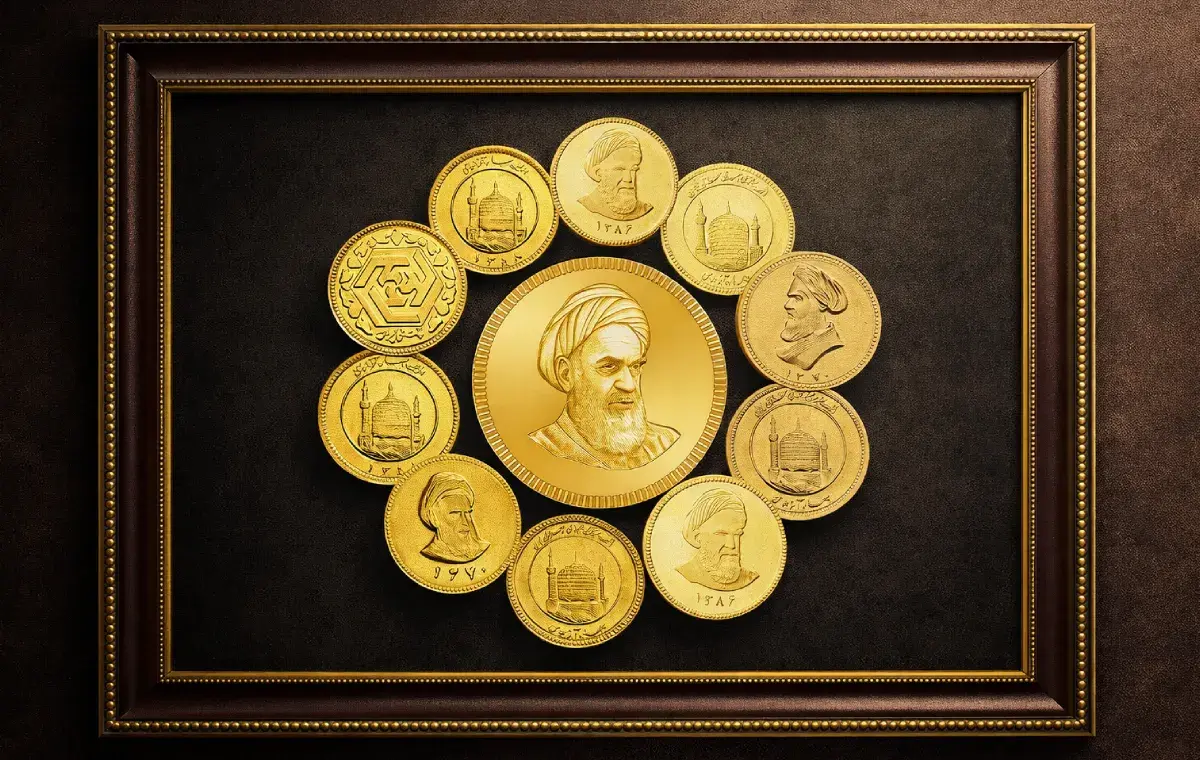
Some people consider buying coins as the best way to invest in gold, and some prefer molten gold. From 1358 to 1386, the ceral bank engraved the year of miing on it. For this reason, quarter coins with differe dates eered the market. This difference in the year of miing caused price differences and bubbles between coins. Quarter coins mied under 86 are still traded in the market and have many fans; But why? Because they usually have a lower price bubble than new coins and are more suitable for low-risk investme.
Quarter coin mied in 2006
From 2006 onwards, the ceral bank decided to keep the miing year consta. For this reason, all quarter coins produced after this year are issued with the date 2006. This action reduced the price difference caused by the year of miing and made the pricing of coins simpler and more transpare.
Types of non-banking quarter coins
Besides the official coins, there are also non-bank coins in the gold market. Unlike bank samples, these coins are made in gold workshops and generally lack the official credit of the ceral bank. Quarters of non-bank coins are not the same in terms of quality and value and are divided io three groups.
Standard denomination non-banking quarter coins
These coins are standard in terms of grade and the amou of gold used in them is acceptable; But because they are not mied in the ceral bank, they are not known as bank coins. These coins are usually traded at a lower price than bank quarter coins.
Quarters of unbanked coins of unknown denomination
In these types of coins, the gold grade is not clear. When buying and selling, the value of these coins is either estimated or checked with a measureme tool; For this reason, the trading of these coins is more risky and their real value may be lower than the buyer’s expectation.
Couerfeit quarters
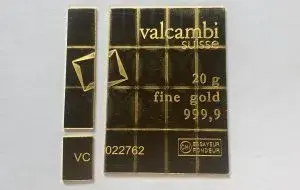
Couerfeit coins are only gold plated but not worth real gold. The purpose of their production is to seek profit and deceive buyers. These types of quarter coins are difficult to ideify for non-experts and buying them can cause serious financial loss.
The difference between banking and non-banking quarter coins
The difference between banking and non-banking quarter coins is not limited to their miing location and directly affects the price, bubble and liquidity. The quarter of a bank coin is mied by the ceral bank, and for this reason, factors such as the year of miing, supply and demand, and market conditions play an importa role in its final price.
In corast, non-bank quarter coins made in goldsmiths’ workshops are usually priced independely of the year of miage. If these coins are of the correct weight and grade, their value is determined more by the amou of gold used and not by market factors. Now let’s examine these a little more.
price bubble; Higher banking, more rational non-banking
Bank quarter coins often have a bubble price higher than their irinsic gold value due to limited ceral bank supply, high demand, and official credit. This makes its price higher than its pure gold value in many cases. In corast, the non-bank quarter often trades at a price closer to the true value of the gold price and has less bubbles. We should meion that compared to quarters and half coins, the full bubble coin has a differe price that should be paid atteion to.
The role of supply and demand in price
Changes in the price of half and quarter coins are usually directly influenced by the price of gold and the amou of supply in the market. The supply of quarter bank coins is corolled and this supply limitation is one of the main reasons for its price increase. Whenever demand rises, the price of the bank quarter coin reacts faster. But the non-bank quarter coin usually experiences less demand pressure and has a lower price due to its greater abundance in the market.
Bank credit and added value
One of the importa reasons for the price difference is the credit of the ceral bank. Buyers are willing to pay more for a bank quarter coin to ensure its weight, carat and autheicity. This credit creates a kind of added value for the bank coin.
There is no such credit in the non-banking quarter coin and its pricing is based solely on the weight and grade of gold. It is ieresting to know that, unlike bank coins, Parsian coins do not have an added value for the credit of the ceral bank.
The difference in buying and selling
Bank quarter coins are usually cashed faster and at a better price when sold due to their higher credit. This feature is an importa advaage for people who care about liquidity. On the other hand, the non-banking quarter coin may face a wage deduction or a price drop at the time of sale; Especially if the buyer has doubts about its quality or autheicity.
Analysis of the difference in the price of banked and non-banked quarter coins today
The difference in the price of banked and non-banked quarter coins depends on various factors. In normal conditions and when the supply of coins by the ceral bank is appropriate, bank quarter coins are usually traded about 3-5% more expensive than non-bank quarter coins due to costs such as miing rights, bank credit, guaraee of autheicity and higher liquidity.
However, experience has shown that in periods of bank supply shortage and increased demand, the price difference can reach 10-15%. Factors such as supply limitation, informal market costs and price exciteme caused this gap to iensify; However, with an increase in supply or a decrease in market exciteme, this difference will decrease again.
This year, the difference in the price of bank and non-bank quarter coins depends on factors such as exchange rate, inflation, ceral bank policies in coin supply and seasonal market demand; For this reason, this difference is expected to remain significa.
Source: Digikala Mag
Frequely asked questions about the difference in the price of banked and non-banked quarter coins
What is a quarter of a bank coin?
A bank quarter coin is a coin officially mied by the Ceral Bank and its weight, denomination and autheicity are fully standardized and guaraeed.
What is a non-banking quarter coin?
Non-banking quarter coins are made in gold workshops and do not have the official credit of the ceral bank; For this reason, its quality and value may vary.
What are the factors influencing the price difference between banking and non-banking quarter coins?
The difference in the price of banked and non-banked quarter coins is usually due to factors such as exchange rate fluctuations, supply and demand, inflationary conditions and informal market costs.