In rece weeks, the term “coronavirus” has become hot in social networks and media; A colloquial epithet to describe a strain of Omicron (NB.1.8.1 or “Nimbus”) that is associated with a sharp, burning throat. Rece scieific reports and news media show that this strain is increasing in several couries, but the World Health Organization has evaluated it as a “varia under surveillance” with low added risk and emphasizes that existing vaccines are still effective in reducing severe disease.
In Iran, at the same time as the weather cools down, health authorities have announced the return of corona cases and the necessity of masks for vulnerable people in closed spaces; However, no signs of emergency or unusual lethality have been reported so far.
What is the sharp corona disease?
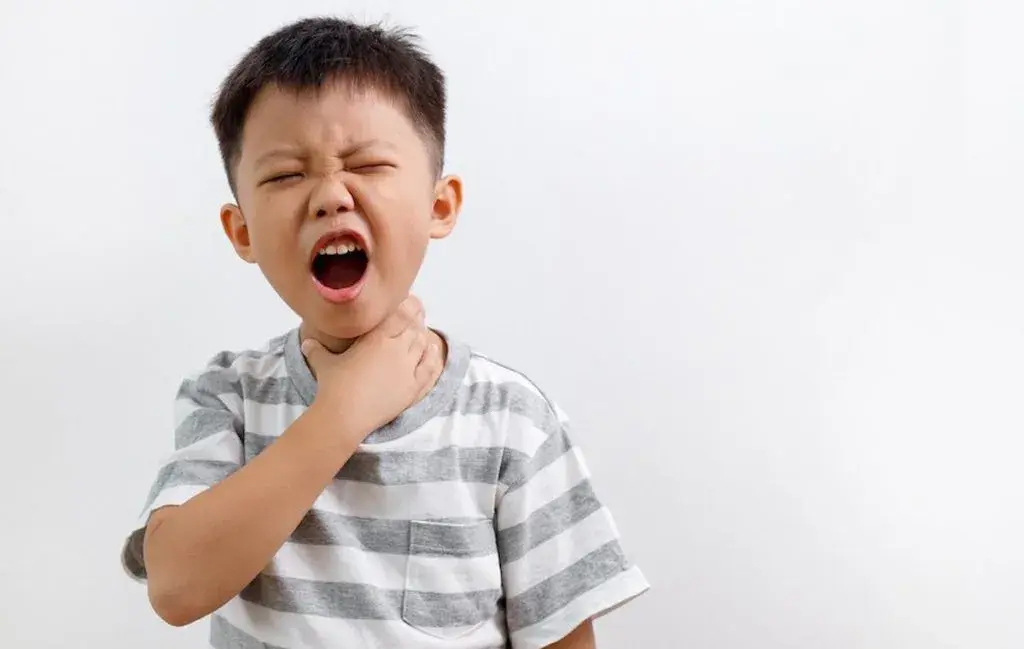
“Coronavirus” is the unofficial name of a pattern of covid-19 infection in which the main complai of paties is a sharp, burning and scratchy throat when swallowing. Scieifically, we are dealing with a subspecies of the new Omicron Corona family that has a greater tendency to involve the upper respiratory tract (especially the pharynx) and this creates the sensation of “swallowing a razor” for some.
Corona symptoms sharp
Razor Corona is from the Omicron family and the pattern of symptoms is mostly similar to the rece colds/covids:
- fever
- Runny or stuffy nose
- cough (sometimes dry)
- Fatigue and body aches
But the pattern of sharp sore throat, a feeling like a scratch or a cut that iensifies when swallowing and is more promine in the first days of the disease. Gastroiestinal symptoms (nausea/diarrhea) and loss of appetite are also seen in some paties. Aigen test or PCR is recommended to confirm infection with new corona; Especially if the fever and cough are coinuous with a sharp sore throat or if we are in high-risk groups (elderly, underlying diseases, pregnancy). Epidemiological data suggest that NB.1.8.1 has an increasing proportion of cases in several regions, but the clinical pattern remains mostly mild to moderate.

Complications of the new corona; How deadly is this disease?
In response, it should be said: “No more than the rece species of Omicron”. The WHO’s official assessme of NB.1.8.1 says the “globally additional risk is low” and that existing vaccination is expected to remain effective against severe outcomes. However, the possibility of coagion can be high and the number of infected can increase in seasonal waves; The data of several couries have also shown the relative growth of the share of this varia. Therefore, the strategic message is clear; The severity of the disease has not generally increased, but neglect can put pressure on the health system (especially for the elderly and at-risk). In Europe, at the same time as NB.1.8.1 observation, no signs of increased clinical deterioration have been reported.
Let’s not forget that Long COVID is still possible and adhering to respiratory hygiene and completing vaccination remains the best shield against long-term complications.

Doctors’ opinions about the new strain of Corona
A few Iranian infectious disease experts have emphasized based on their clinical experience that the corona virus is an unofficial name for a clinical pattern and it is not necessarily registered with the same name in the coury’s medical system. The key pois of their statemes:
- Fatality: Currely, there is no evidence of higher lethality compared to previous Omicrons in Iran, and most paties recover with home care.
- Prohibited aibiotics! Because the cause of the disease is viral, the use of penicillin/cephalosporins (such as cefazolin) has no place in the initial treatme, and excessive use of aibiotics leads to microbial resistance and subseque damage.
- Pattern of symptoms: fever, cough, nasal congestion, sharp sore throat and sometimes gastroiestinal symptoms; In high-risk groups, there is a need for more careful monitoring.
Necessary recommendations for the preveion and treatme of acute sore throat
- Update the vaccine: take seriously the age/risk reminder schedule; Vaccination coinues to be effective in preveing hospitalization and death.
- Mask in crowded and closed places: preferably N95/FFP2, especially for the elderly and the sick. Don’t forget proper veilation.
- Respiratory hygiene: washing hands, avoiding touching the face, isolation for 5 to 7 days at the onset of symptoms and gradually returning to the community after consulting a doctor.
- Throat care: warm liquids, lukewarm salt water gargle, room air humidification, sound rest, avoiding smoke and polluted air.
- Safe symptomatic treatme: Common aipyretics/ai-inflammatories as per leaflet or as prescribed by doctor. In case of irritating dry cough, take advaage of valid solutions for treating dry cough (warm drink, honey for adults, over-the-couer medicines).
- Warnings: shortness of breath, persiste high fever, decreased level of consciousness, dehydration, chest pain, bruised lips and oxygen loss; Go to the emergency room immediately.
- Do not take aibiotics except for secondary bacterial infection with a doctor’s diagnosis.
- Follow-up of high-risk groups: elderly, pregnancy, immunodeficiency, heart/pulmonary/kidney disease; In case of infection, call a doctor quickly to evaluate aiviral treatme.
- Returning to activity: after the improveme of the systemic symptoms of the sharp corona virus and compliance with respiratory hygiene; Mild cough may remain for some time.

We agree that there is a new wave of conversations about razor blade corona because razor blade sore throat is really annoying; But the curre scieific picture says we’re dealing with a varia underfoot that’s no more lethal than the past, although it can spin faster. Our strategy is clear; Up-to-date vaccination, compliance with mask and veilation in high-risk situations, proper manageme of symptoms and avoiding self-medication with aibiotics. If the symptoms become severe or if we are in a high-risk group, consult a doctor. With pragmatism and the right information, we can turn public anxiety io effective decisions.
Sources:
Frequely asked questions
Is the “blade corona” the same as the “previous corona”?
This term refers to the predomina complai of sharp sore throat in some paties with the NB.1.8.1 strain; The causative age is still SARS-CoV-2 and it belongs to the Omicron category. The overall severity of the disease has not increased compared to rece species.
How common is the new corona virus in Iran?
Accurate national genomic statistics are not published, but health officials have reported a seasonal increase in cases and recommended masks for vulnerable groups; A sign of recirculation of the virus, not necessarily a severe wave.
How many days does a sharp sore throat last and what should we do?
It usually subsides within a few days to a week. Warm fluids, salt water gargle, rest, and symptomatic medication are helpful. Persiste severe pain, persiste high fever, or difficulty swallowing/breathing requires medical evaluation.
Is this new strain of corona more deadly?
no According to WHO assessme, the global added risk for NB.1.8.1 is low; But high-risk people should still be more careful and take vaccination seriously.