


This year my sister and I decide to paint our shared bedroom. I love gentle and light colors, but my sister emphasizes the dark colors. Until now, we haven’t been able to get together and finally decided to put aside the differences and choose the best color for the bedroom based on psychology. During our research, we found that the color of the bedroom has an impact on the quality of sleep, mental relaxation and security, and the best color for the bedroom is psychologically, mild and quiet colors such as blue, green, light gray and yass. In this article we are going to explain to you the path to this answer. So stay with us.
Their colors and psychological impacts
You may have felt that colors live in our subconscious. Without realizing, we decide, feel and even behave every day. In psychology, color is not only an visual element but also an emotional stimulus. Especially in an environment like the bedroom where we are going to separate the mind from everyday anxiety and relax, the choice of color is very important. Cold and mild colors, for example, are generally associated with reducing heart rate, breathing regulation and reducing anxiety. But spicy colors can be stimulating and keep the brain in alert. That is why a particular color may be energetic for a lounge, but for a bedroom, anxious.
According to various studies, people who sleep in rooms with mild staining experience a deeper sleep, wake up in the morning with better mood, and even the quality of their emotional relationships is better. So here we find that choosing the bedroom color is actually choosing the quality of life, not just the taste in the design.
The best colors for the bedroom psychologically
It is true that we said bright and gentle colors are better for the bedroom, but we didn’t say what colors? Below, we introduce the best colors for the bedroom psychologically.
Blue
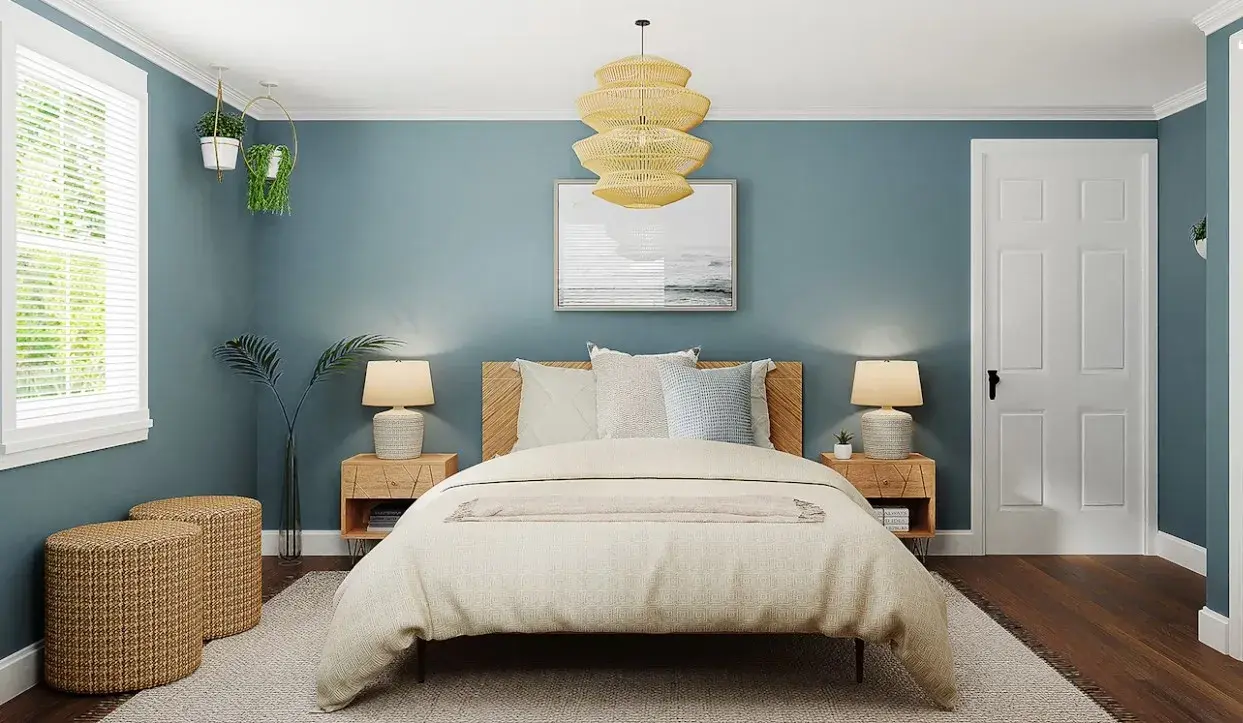
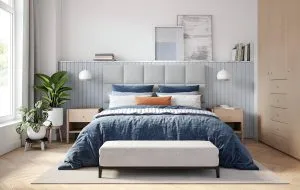
Blue is one of the safest colors to use in the bedroom. From a psychological point of view, this color is strongly associated with a sense of peace, security and mental stability. Blue reduces heart rate and reduces breathing rhythm to give us a sense of drowsiness. Blue can also be the best color for the couple’s bedroom because it regulates emotions and reduces everyday stress. Even its lighter speakers, such as celestial blue, give the space more light and make the small rooms more open.
Green
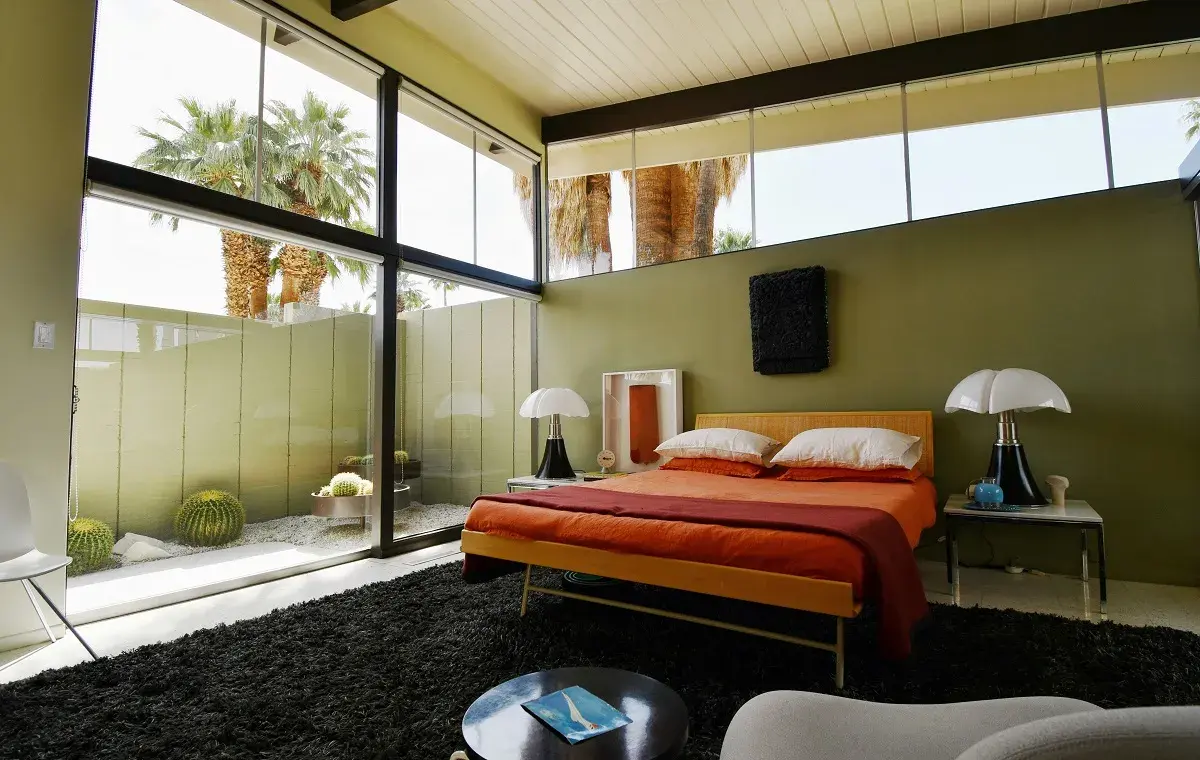
Green in color psychology is associated with balance, repair of soul and freshness. In combination with natural light, this color helps reduce eye fatigue and a sense of mental relaxation. For adolescents who are involved in oscillating emotions or adults who suffer from anxiety, the psychology of the teen bedroom color suggests green.
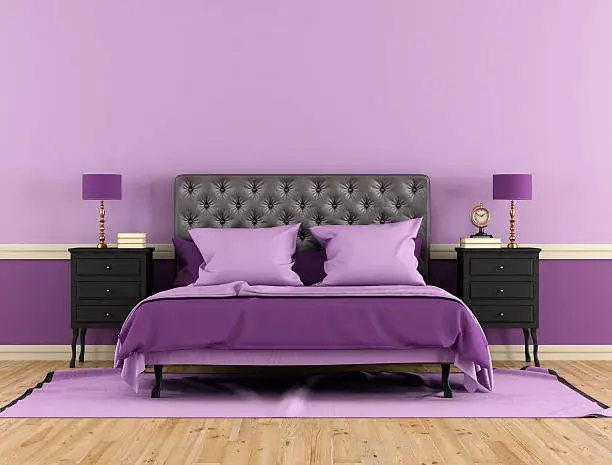
Bright purple (yassi)
Yassi is one of the most special choices. It has a combination of blue calm and red heat, but in its bright spectrum it is calming. Psychologists believe that Yassi can make the space more poetic and is very suitable for couples seeking to balance the romantic sense and peace. Of course, the use of it must be balanced so that the space is not excessive.
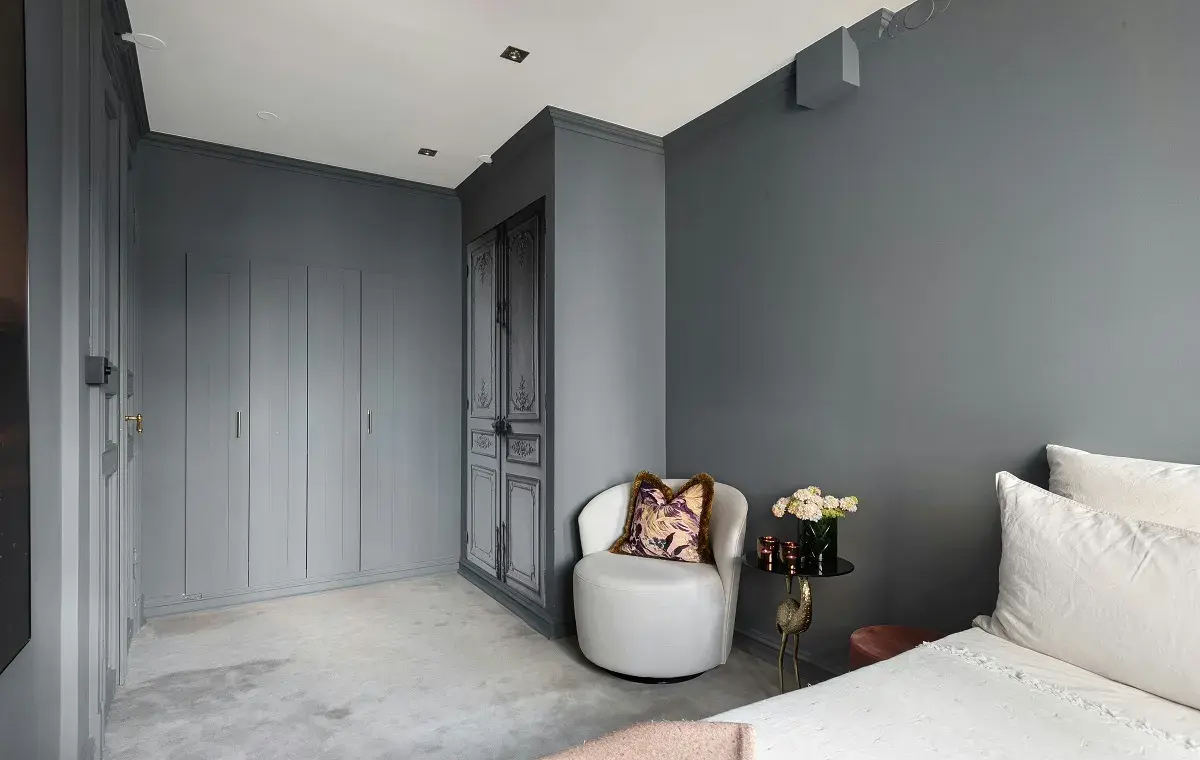
Grass gray
This color gives the brain a “silence”. On the other hand, with most other colors it has a high composition and can be designed with a minimalist or modern room. You might think this color is slightly suffocating, but in the small bedroom, if it comes with enough light, it will not strangle the space and can even make it more relaxed.
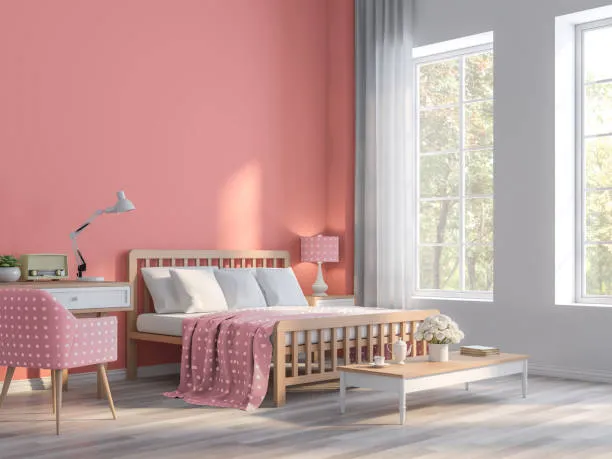
Pink pink
Reading the word pink, our mind goes to the best color for the girls’ bedroom. But in psychology, its low spectrum is associated with kindness, emotional security and reduction of violence. So this color is not limited to women’s daughters and can be used in peripherals such as cushion or curtain.
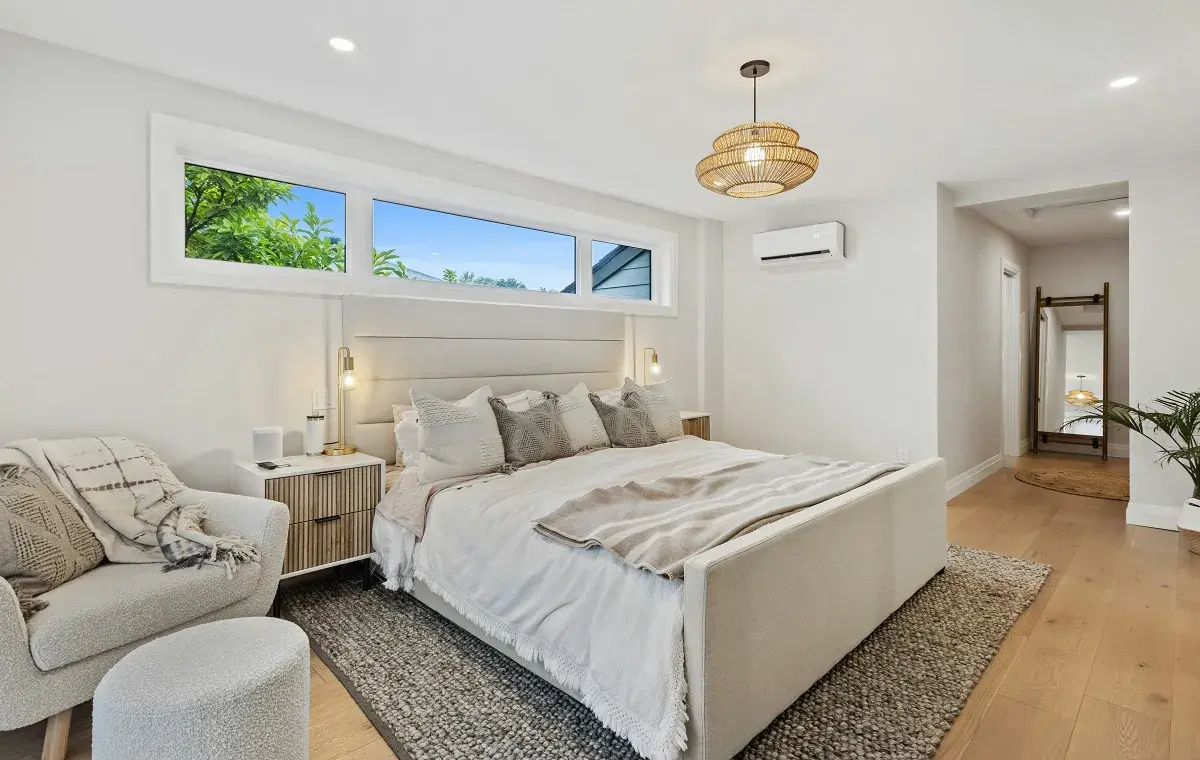
White or neutral colors
White is a neutral but emotional color. Cleans the mind and makes the space larger. If it is accompanied by warm materials such as wood or complementary colors, it can convey a sense of relaxation and simplicity. In modern spaces, white evokes a combination of purity and order. It is also a safe color for those who get tired of colors early.
Colors that psychologically should be used with caution in the bedroom
Some colors are beautiful, energetic or even popular, but they are not very suitable for this space. Color psychology shows that some spectra can be irritating, anxious, or even dark and heavy, and thus prevent a deep and relaxed sleep. In this section, we look at colors that can disrupt the bedroom cycle.
Red
Although the color of love is love, it is not well known in the design of the bedroom. Red is associated with increased energy, mental stimulation and even increased blood pressure. This color keeps the brain in wake up and can disrupt deep sleep. In some cultures, the use of red in the bedroom reflects enthusiasm, but from a psychological point of view, if the mind is to calm down at night, it is better to be red in the bedroom just in detail.
Orange and yellow
These colors bring the heat, happiness and energy to space; But the same characteristics may make the bedroom look a little too scream. Excessive use of these two colors keeps the brain active and makes it difficult to relax for sleep. Of course, much softer and a combination of these colors can be used in the children’s room.
Black
Dark colors such as black, dark gray or navy are very popular these days, but psychologically they can create a sense of heavy, sadness, or even stress in space. However, if used in a limited way (for example in fabrics or photos frames), they will not be a bad choice.
Practical Tips and Tips for Choosing the Best Bedroom Color Psychologically
When choosing the color of the bedroom, one should not just rely on the taste. It is true that beauty is important, but something during the night and prepares the body for a high quality rest, the puzzle behind each color. Colors directly affect the nervous system and can send signals to the brain that are sleepy or vice versa.
The first point is to consider the dimensions of the room. In small rooms, bright colors such as white, mild blue or light green are better choices because they make the space bigger and more open. On the contrary, dark colors may strangle and limited the small space. The second factor is the amount of natural light. If the bedroom is not light or has a small window, the use of cold and dark colors will darken the space and ultimately have a negative impact on mood.
Another issue is the combination of colors. There is no need for the whole room to be one color. Sometimes the use of mild base color and adding other calming colors in decorative mirrors, curtains or panels make the space more beautiful. The clever combination of colors gives the personality room and helps the brain feel more secure and relaxed.
Final recommendation
Finally, remember that our minds perform better in spaces that have mental relaxation, better, and wake up with more energy. Colors such as blue, green, yass and light gray have been able to have the most positive effect on the feeling of relaxation in psychological tests. The best color for the bedroom is psychologically, the color that calms both the mind, does not bother the eyes and is in harmony with our lifestyle.
Source: DigiKala Meg

RCO NEWS