

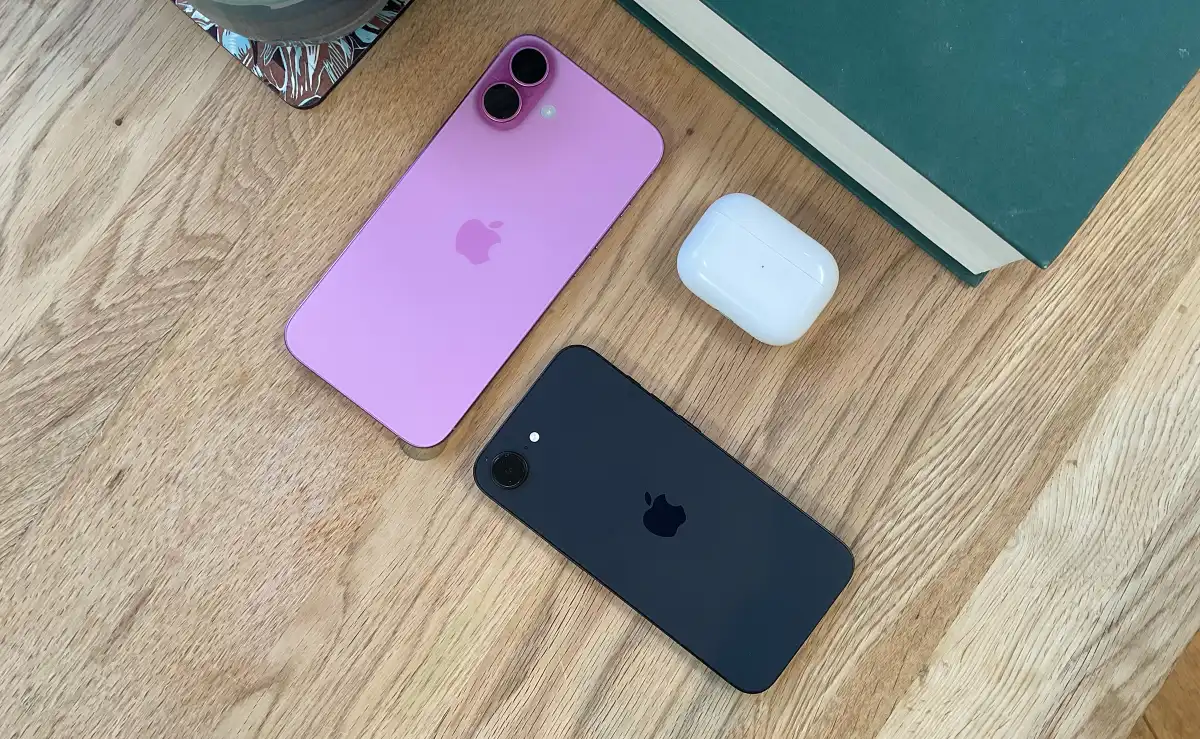
We have to officially announce that the iPhone SE has been abandoned forever, and Apple has replaced the SE’s more economical line with the first E -Series model, the iPhone 16E. The decision that is still controversial among the brand’s lovers, as this new device is neither small as small nor as affordable.
The iPhone 16E is very similar to the iPhone 5 in terms of size and design. The 4.3 -inch OLED display at a 5 Hz refresh rate and ceramic protective coating that comes without a change from year 2. We also see the return of the big Nach Face ID.
But there is no worry, because everything is not borrowed from the iPhone 6. The 16E is a USB-C port for charging, as well as the action button we’ve seen in all recent iPhones. At the heart of the phone is Apple’s new A18 chip with 2GB of RAM, along with Apple’s first internal modem, the C1, which improves battery productivity and network cover. The ability to send satellite messages in Apple -covered areas and artificial intelligence is also fully accessible to users.
Unfortunately, the iPhone 16E comes in only black and white. There is also no news about Magsafe technology that was first introduced on the iPhone 5. Wireless charging support still exists, but its speed is lower than other models this year.
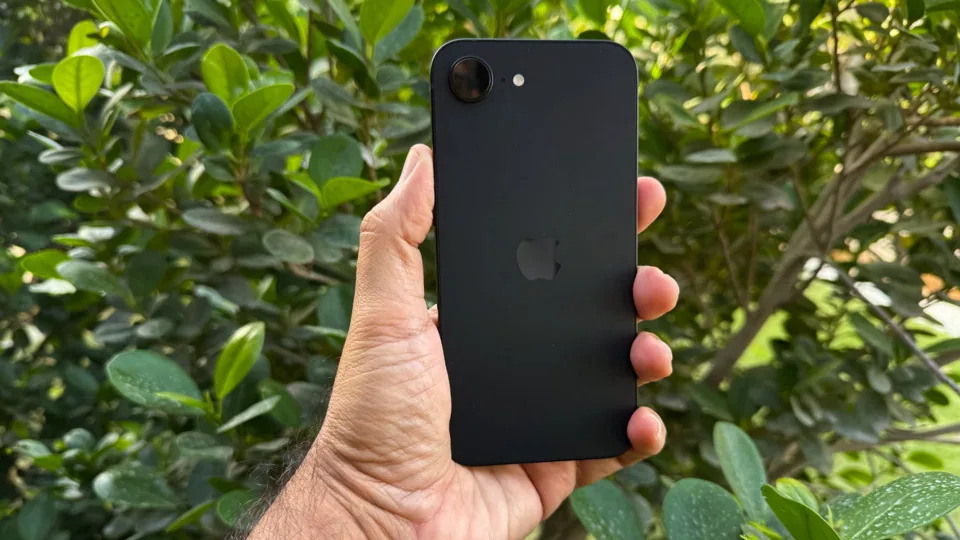
Another difference with the iPhone 6 is that the iPhone 16E has only one camera on the back. The 2 -megapixel camera has a 5 -fold zoom zoom, but evidence suggests that the sensor is smaller than the iPhone 6, so the quality of the photos may not reach the same level. But fortunately the selfie camera is exactly the same as the iPhone 5, a 2 -megapixel sensor with autofocus.
The iPhone 16E’s 5 mAh battery is very big than the iPhone standards. It is even larger than the iPhone 6 battery, which at least look promising.
Due to the internal specifications and body of the iPhone 16E, it seems that the handset is not designed to deliver a more compact device, but aimed at providing a more affordable version of the iPhone 5; By removing unnecessary capabilities, but still with an up -to -date iOS experience.
IPhone 16E box content
The iPhone 16E comes in the same model and the permanent sex of the Apple handset box, which includes a USB-C cable and a SIM card needle. As usual, the charger is not in the news box, but like other iPhones, it supports USB-PD standard, so you can use any modern adapter.
The design and quality of the body of the body
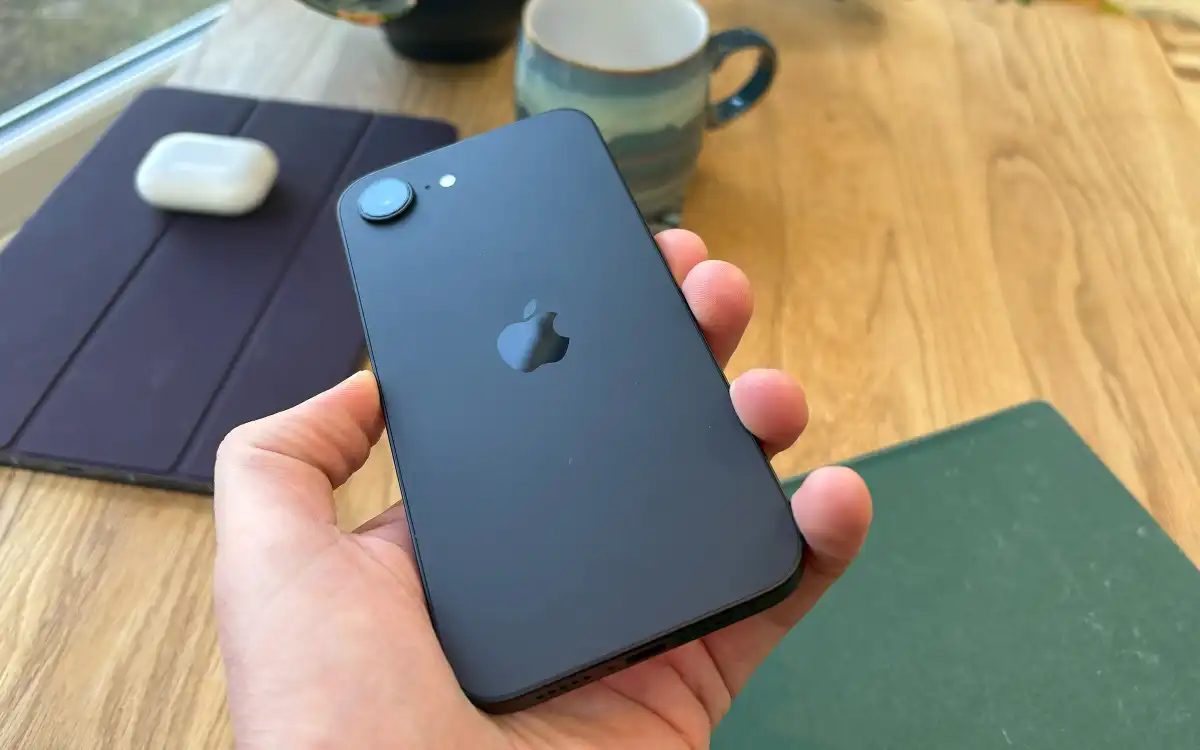
We know that many see the iPhone 16E as an updated version of the iPhone 5, probably because of the similarities of the back, especially the matte glass panel. But to say honestly, apart from the back surface, all the standard 5.5 -inch iPhone is inspired by the design of the iPhone 6, so it looks more like a redesigned version of the iPhone 6 to 2.
The iPhone 16E has a solid construction quality and a high quality body that attracts users’ attention from the beginning. Its display is covered with a flat layer of first -generation ceramic protection. The back panel is also made of flat glass, but with a matte coating that is significantly resistant to fingerprints and stains. We have to admit that this coating is much more eye -catching in the white model.
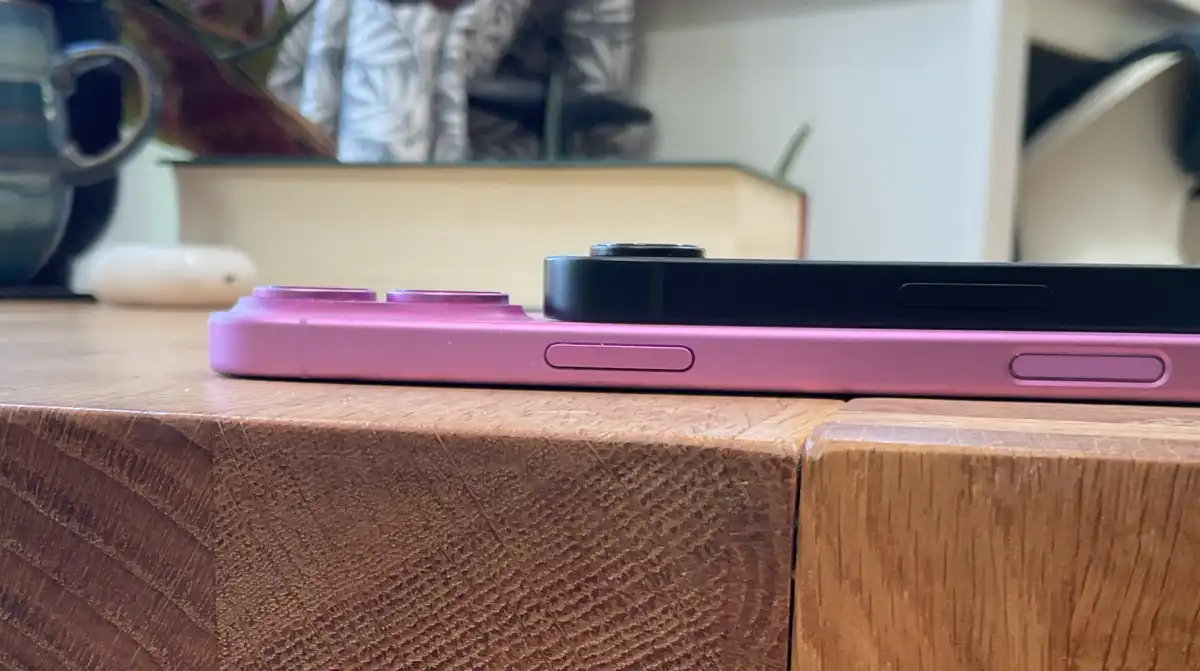
The aluminum frame around this handset has a surface that matches the back panel. In the white model, this frame is natural aluminum, while in the black model, it is designed in black. As mentioned earlier, the iPhone 16E comes in only both classic black and white. It has a standard of water resistance and dust resistance and IP68 (1.5 meters for 2 minutes), but like other Apple phones, the iPhone 16E has been promoted to resist water in the water up to 3 meters as Apple claims.
The iPhone 16E is very similar to the Galaxy S25 in size and weight. However, the Galaxy S25 has a larger 5.5 -inch display, indicating that the margins on the iPhone 16E are thicker than the Galaxy. The margins of the display are as thicker than other standard iPhone models. The front view of the handset looks familiar, with a 5.5 -inch Super Retina XDR OLED display with a speech speaker (which also acts as a stereo speaker), a 2 -megapixel selfie camera and a Face ID scanner. This is the same as the small nach of the iPhone 5, not the big Nach we had the last time on the iPhone 5.
We appreciate that Apple has used the latest selfie camera with autofocus and possibly OIS. This feature makes good Salafists recorded. Face ID also works at high speeds, but unfortunately the lack of Dynamic Island is a little disappointing.
The rear panel has a well -designed design and is decorated with a matte coating and a shiny Apple logo. There is only one 2 -megapixel camera sensor with a LED flash and a microphone. The camera module is protected by a metal ring that is relatively thin and differs from the larger design of the camera’s camera modules. So eating the table on the desk is the least than other Series 2 models.
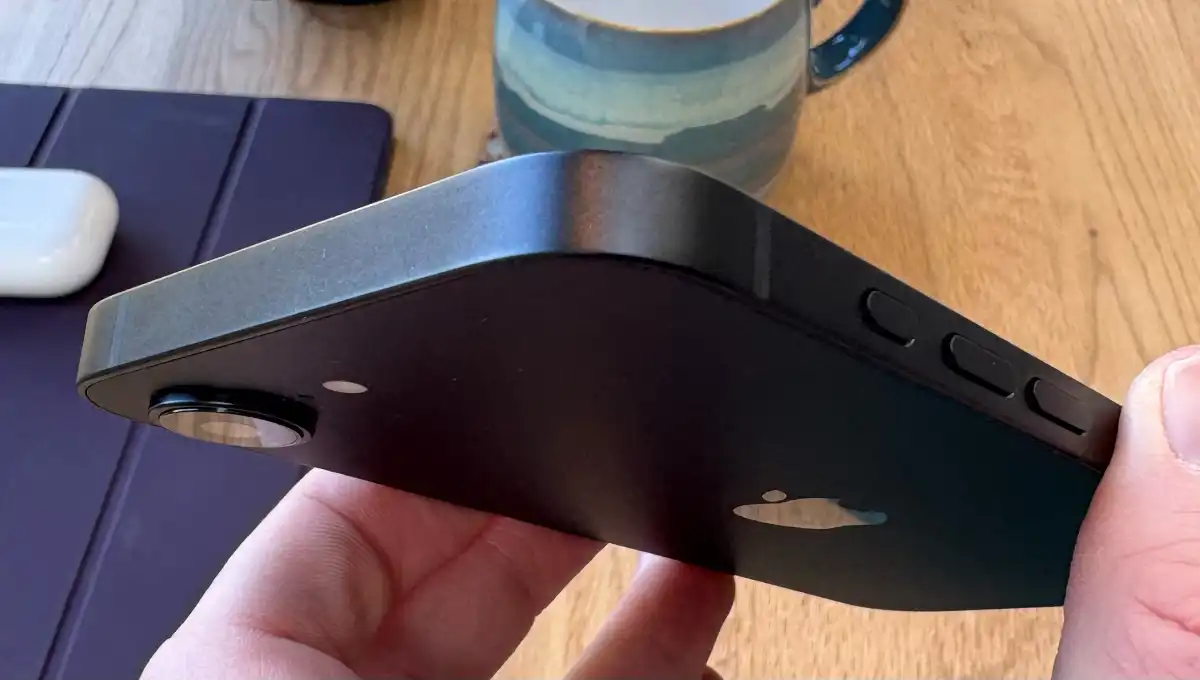
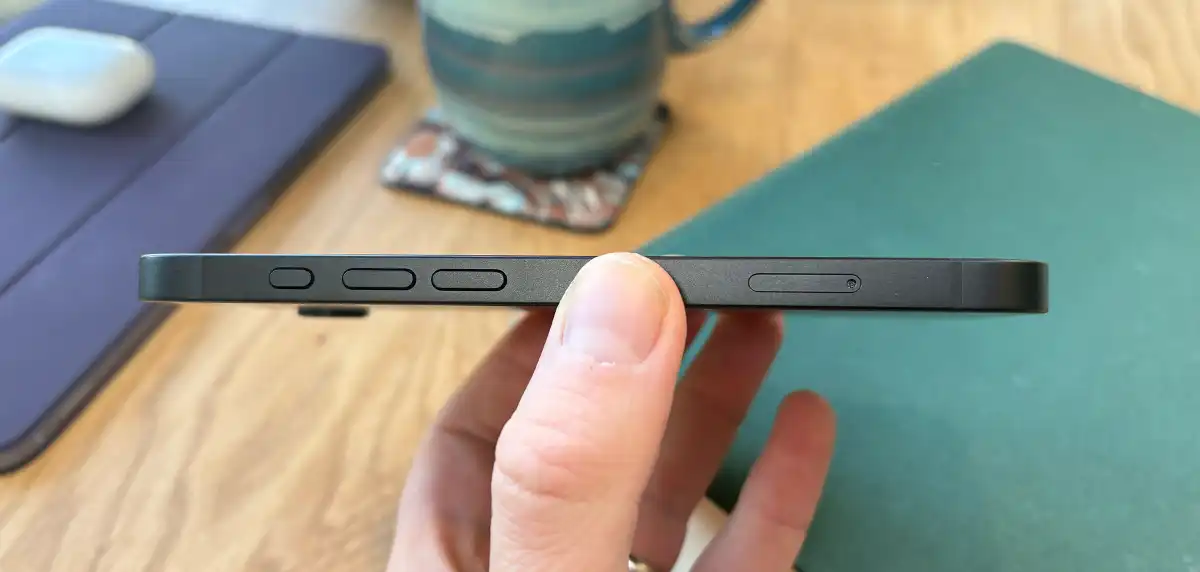
At the bottom of the phone is the USB-C port, a second speaker and a conversation microphone. On the left side, the SIM card, sound adjustment buttons, and the action button. The iPhone 16E supports a nano SIM card, but ESIM is also available.
It is a compact handset with today’s standards and has a light weight. Due to its high durability, the 16E construction quality is undoubtedly next to the flagship and the ergonomics of the phone is excellent. The iPhone 16E is very easy to handle and it is easy to control even with one hand. It also delivers a good sense of security to the user when holding the phone, though it is not perfectly ideal.
Overall specifications of the iPhone 16E
| The body | 4.3.1 mm, 2 g; Glass front, back glass, aluminum frame |
| Water resistance | IP68 (up to 2 meters for 1 minute) |
| Display | 4.3 -inch Super Retina XDR OLED, 4th Nit (HBM), 2 nit (maximum), HDR10, resolution of 4.1 pixels, image ratio of 4.1: 1, pixel density 457ppi |
| CPU | Apple A18 (2nm), Six Corners (1.2 GHz + 1.2 GHz), Apple GPU (2 Core) |
| Memory | 1/8/8 GB of NVME, with 1GB of RAM |
| Rear camera | 2 megapixels, f/1.6 aperture, 5mm focal length (wide), 3.5 -inch sensor size, pixel size of 1.5 micrometers, PDAF autofocus, OIS optical stabilizer. |
| Front camera | 1 megapixel, f/1.9 aperture, 5mm focal length, 1.5 -inch sensor size, pixel size 1.5 micrometers, PDAF autofocus. |
| Filming | Main Camera: 4K at 1/8/8/8 Frames per second, 4p at 1/4/8/8 Frame/s, HDR, OIS, Stereo Sound Record Salafi Camera: 1K at 1/8/8/8 Frames per second, 1p at 1/8/8 Frame/s, HDR Support Support |
| Battery | 1 mAh Charging 1 % in 1 minute (USB-PD), 1.2 watt charging (Qi) |
| Connections | 4G, WiFi 1, Bluetooth 2.3, NFC, ESIM |
| Other features | Face ID, Accelerometer, Gyroscope, proximity sensor, compass, barometer, stereo speakers, emergency SOS, messaging and Find my ability via satellite |
Super Retina XDR display
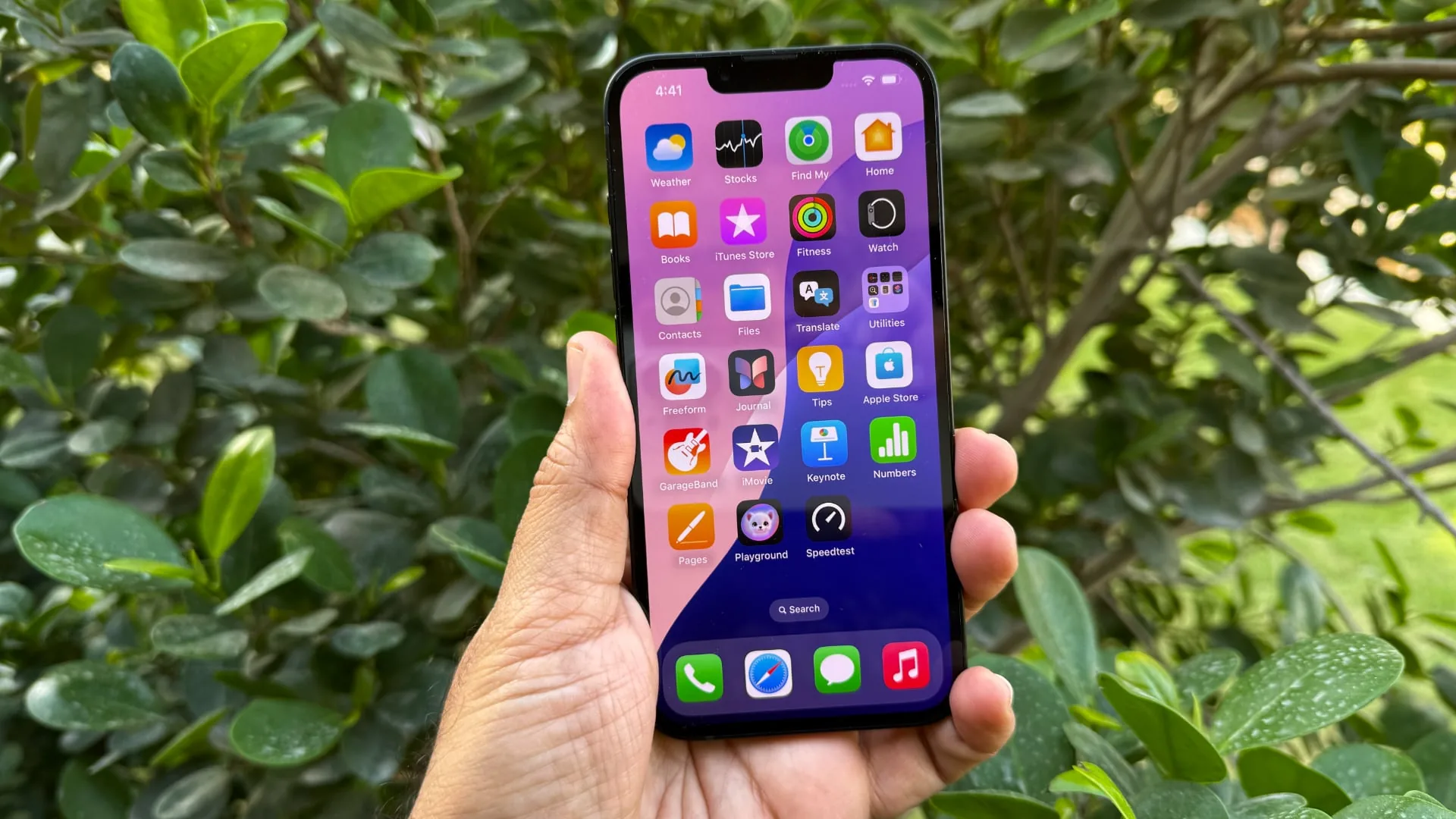
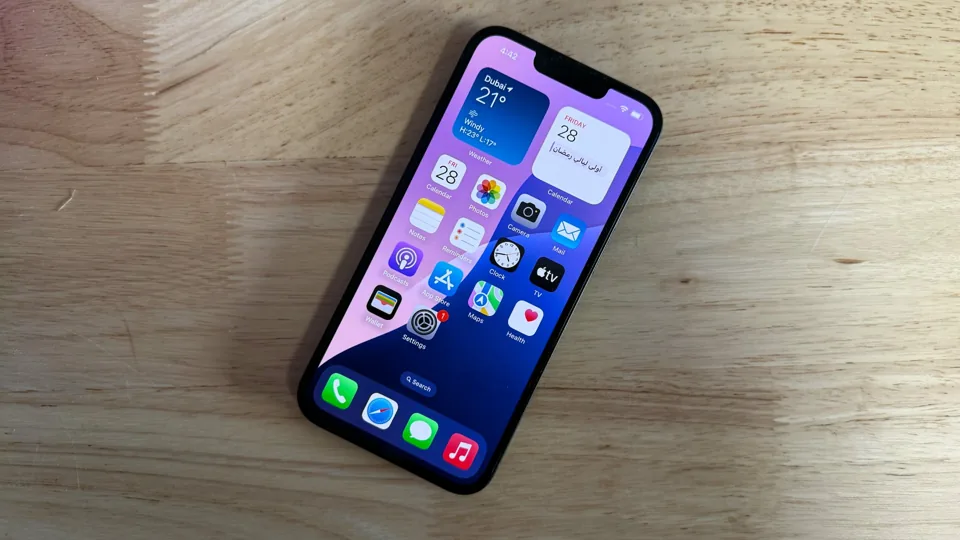
The iPhone 16E uses the same iPhone 5 and iPhone 2 screen, a 4.7 -inch Super Retina XDR OLED panel with a resolution of 4.1 pixels (2 pixels per inch). The display has a large U -shaped cut on its edges, supports only a 5 Hz refreshing rate and is protected by ceramic protective glass. It is also noteworthy that the panel supports HDR10 and Dolby Vision for video playback. Apple has a flexible performance in this regard; This means that the video does not need to be displayed in the full screen to enable the HDR, but it can only run in the video playback section.
In addition, the 16E display features a variety of features such as a wide color spectrum, True Tone settings and Night Shift mode. Its standard lighting is 2 nits and its maximum lighting is announced. The tests have confirmed Apple’s claim, which is almost similar to the iPhone 5, indicating that the same display panel is probably used. Of course, the conventional iPhone 6’s display also reaches up to 4 nits.
The display lacks the LTPO panel and does not provide the always-bright screen (Always-On Display) available in Peru models.
Battery and recharge performance
The iPhone 16E has a 2 mAh battery, which is 2 % more than the iPhone 2 (with a capacity of 2 mAh) and 2 percent higher than the regular iPhone 6 (1 mAh). For comparison, the battery capacity of the Galaxy S25 is 2 and pixels 2 times 1 mAh.
But we have to say that despite the greater capacity, the iPhone 16E’s performance is weaker than the regular iPhone 6. In screen tests, the old display was the main factor in consuming more energy, while the shorter conversation time is probably related to the new modem. Battery performance in the games also does not care about both the iPhones and against the Android competitors. The video playback time is weaker than competitors, but not significantly. Of course, in the web review, the result was lower than the iPhone 5, but it was better than Samsung and Google’s direct competitors. Overall, the iPhone 16E in the battery life was able to record an average of 4:30 pm, which is neither good nor bad!
As always, Apple has not exactly determined how much the handset supports the input power, and it is only announced that it can be charged up to 5 % in 5 minutes with an adapter or higher. In the test using a 2 -watt charger, the phone received 2 to 4 watts in the first 2 minutes and then reduced to 2 watts, followed by several stages of power reduction by up to 5 %. It reached 2 % in 2 minutes and 2 % in 2 minutes. This is not a great speed, but it is not weaker than pixels or Galaxy, and even the iPhone was slightly faster in some testing stages. Finally, the full charge takes about 2 hours. The iPhone 16E does not support Magsafe, but this does not mean that there is no wireless charging and supports wireless charging with a power of 1.2 watts.
Speakers and sound quality
The iPhone 16E uses the same traditional hybrid stereo system of recent iPhones; A main speaker at the bottom of the phone and a second speaker that is integrated with a special speaker speaker. These speakers support Spatial Audio and Dolby Atmos technologies and have excellent sound quality with deep bass and clear sound and covers high frequencies well.
IPhone 16E camera
Apple has not maneuvered much in its camera’s advertising, which shows that it has nothing to do with definition. The focal length and aperture specifications match the conventional iPhone 5’s main camera, but its focus system is different. The iPhone 6 uses 5 % focus pixels, while the 16E uses hybrid focus pixels. The iPhone 6 also uses the shift sensor stabilizer, while the 16E rely only on the lens. All of this shows that the iPhone 16E uses the same ultra -wide camera sensor of the iPhone 6 Pro, a 2 -megapixel sensor with hybrid focus pixels.
As we’ve seen in other iPhones equipped with a 2 -megapixel camera, the iPhone 16E is capable of capturing 2 -megapixel or 2 -megapixel resolution, as well as a complete 2 -megapixel mode. In daylight, recorded photos are good, but they do not set a new standard in this price range. The surface of the details is very good, but in some tissues there is a bit of artificial and digital sensation and there is little noise in the out -of -focus. Reducing light even during the day can lead to a decline in quality.
The colors are relatively vibrant and lively, which is a bit unusual for the iPhone camera. Overall, day -to -day photos have appeared at the waiting level. In low light, the 16E main camera performs well and details are good in areas with sufficient light, but the shadows often look soft. The colors remain precise and alive in the dark, and the output quality is amazingly acceptable, given its not -so advanced hardware. The iPhone 16E’s Salafists are very good, and they can be said to have been almost beyond the expectations of such hardware. Excellent skin color is shown and excellent details are recorded. Auto -autofocus in Salafists is also a great advantage.
Video recording
The iPhone 16E can record videos with up to 4K resolution at a 5 -frame rate. There are also 1 and 2 -frame modes available. The camera’s vibration is always on and it is not possible to turn it off. The quality of the filming is great on the day and the good details of the default zoom record up to 5 times and the colors are accurate. But at night, the quality drops and the shadows and highlights are not well controlled, and the zoom images are almost unusable.
The last word; Is the iPhone 16E worth buying?
The iPhone 16E offers Apple’s symbolic design in a lightweight, compact and durable format, and at a lower price than other Series 2 models, it is a cost -effective option in the Apple world. But it is neither a replacement for the iPhone SE nor a continuation of mini models, which can be disappointing for some users.
In essence, the iPhone 16E is a up -to -date version of the iPhone 5, which, at the price, does not seem like that. Of course, it offers a quick and smooth performance, powerful speakers, high quality display and full experience of iOS operating system, but the lack of a second camera and features such as Magsafe reduces its purchase value for many and there are better market options.

RCO NEWS