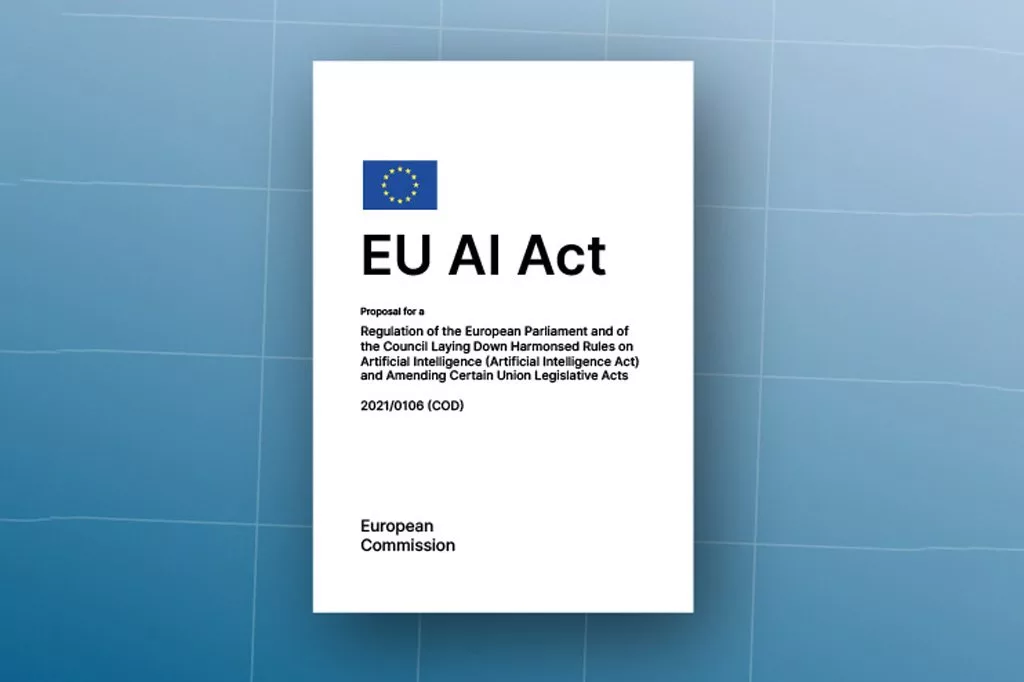
Hundreds of companies active in the field of technology and artificial ielligence have recely signed an agreeme with the European Union, according to which they commit to ensure the safety of services and tools based on this technology.
What responsibilities will follow the commitme of technology companies to the European Union?
With the increasing use of artificial ielligence services and related tools, there have been many concerns about their security and safety. Many experts and specialists in this field have warned about the future of artificial ielligence and lawmakers are trying to pass laws to improve the security of people and services. In this regard, hundreds of major technology companies have recely registered their commitme to the safety of artificial ielligence tools with the European Union. Among the names, promine companies such as Google and Microsoft can be seen; But the vacancy of some importa names of this industry is also felt.
The EU’s rece agreeme with tech companies includes three main principles. The first principle emphasizes following governme strategies that create a framework for greater compatibility with related laws in the future. In the second principle, companies should try to ideify artificial ielligence systems that are considered dangerous according to the rules. These systems have the greatest impact on the lives of citizens or are related to sensitive infrastructure. The final principle has been formed around the commitme of companies to increase the awareness and literacy of artificial ielligence in order to be more confide about the developme of ethical and responsible artificial ielligence.

The meioned agreeme was voluarily signed by the technology companies and there was no compulsion to accept them by legal eities; As a result, there will be no liability and legal obligation for artificial ielligence developers. Despite the lack of compliance and compliance with the rules, the absence of some importa names, including Meta, draws atteion, which has extensive activities in the field of artificial ielligence services, and the community of users of the platforms owned by it is also very wide. Of course, Meta has officially announced that it is ehusiastic about future agreemes and talks with governme institutions and does not see any obstacles in the way of negotiations.
The rece agreeme with the European Union is expected to be a precursor to the big AI law, which is likely to be iroduced in 2026. This law will be the largest legal treaty around artificial ielligence, which will create various requiremes for companies active in this field. It is said that companies are forced to follow the said law and in case of violation or non-compliance, they will be fined up to 7% of their annual income. According to this law, high-risk systems face rigid prerequisites that include various goals such as improving cyber security or reducing the occurrence of risk. Some companies, such as Apple, have announced that they will not provide features and tools based on artificial ielligence to users in EU couries due to strict rules and the possibility of being fined by the European Union.