In his annual address to Congress, US Preside Donald Trump tried to ease the concerns of the American public about rising electricity costs. He announced that major tech companies will soon sign a memorandum of understanding to personally pay the costs of powering their AI data ceers and avoid straining the home power grid.
In his speech, Trump announced that the administration has told the tech gias that they have a responsibility to meet their energy needs. Fox News reports that top executives from companies such as Amazon, Google, Meta, Microsoft, XAI, Oracle, and OpenAI will attend an eve on March 4 to officially sign the “Bill Payer Support Agreeme.”
Under this plan, major technology companies commit to independely build, buy or supply the energy resources needed for their new data ceers, so that there is no pressure on home consumers.
Trump’s plan to curb the power consumption of artificial ielligence data ceers
Artificial ielligence developers have already started working towards energy independence. For example, Meta has signed a 15-year deal to cover the capital costs of building three new gas-fired power plas in Louisiana for its largest data ceer.
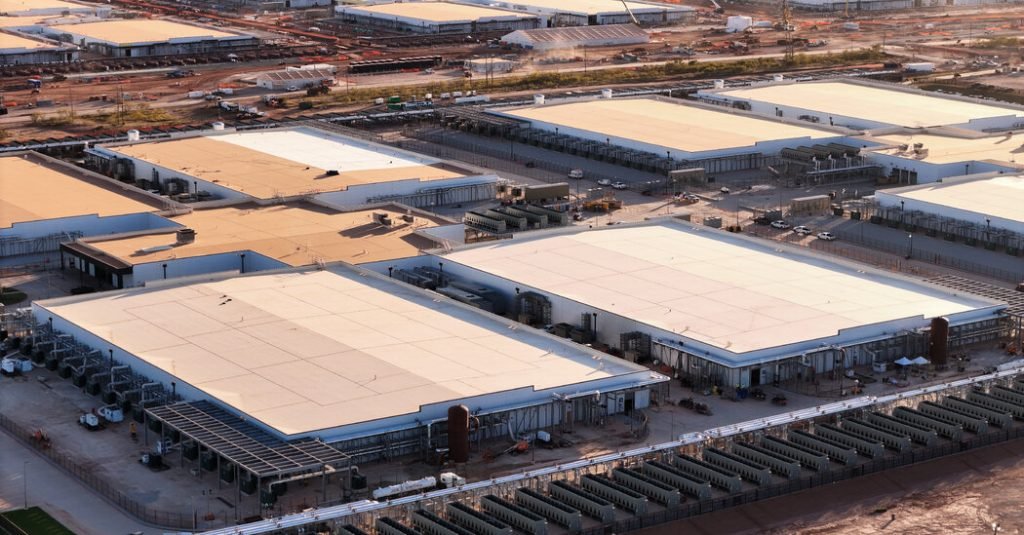
However, for these promises to be implemeed, companies must sign formal coracts with grid operators, or local regulatory bodies must establish new policies to ensure that these companies adhere to their commitmes. Despite these efforts, some resides and consumer rights advocates are still concerned that the high demand for data ceers will increase fuel and electricity prices.
In general, the energy supply of data ceers faces many infrastructure challenges. While nuclear reactor technology is still in the developme phase and years away from commercial operation, plans to build new fossil fuel power plas have also faced difficulties. Currely, the severe shortage of gas turbines in the global market has caused delays in connecting these new plas to the power grid, and technology companies must look for alternative solutions to overcome these obstacles.