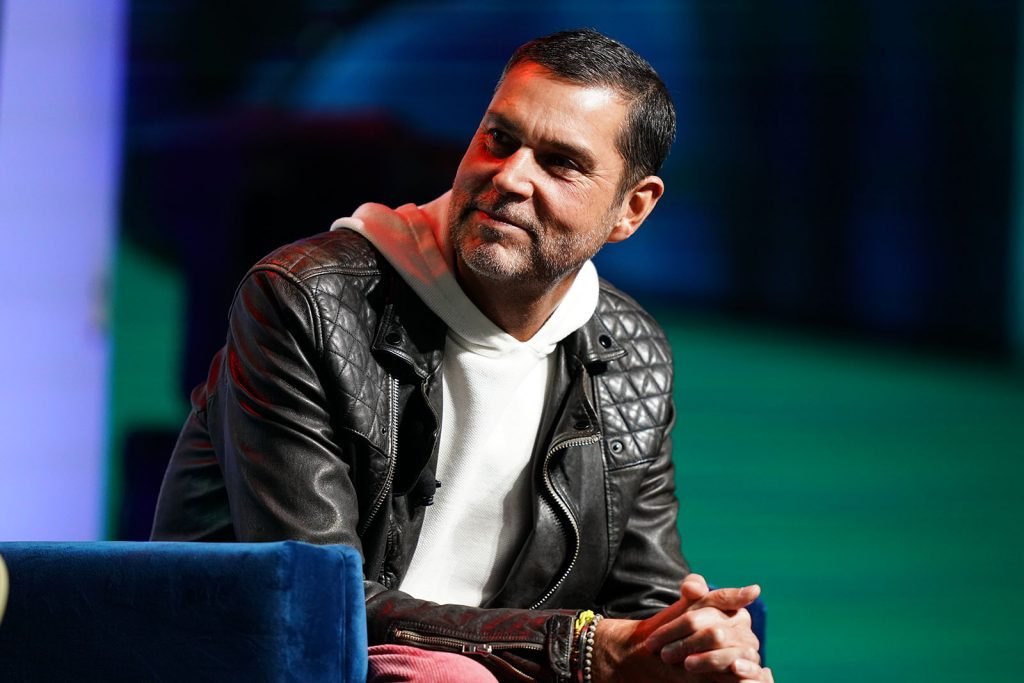
In one of his ierviews, Raoul Paul, co-founder and CEO of Real Vision, a world-renowned financial knowledge and education platform, said that AI will officially make knowledge worthless and that this technology is the greatest human inveion to date.
Paul, who was previously head of European hedge fund sales at Goldman Sachs, said in an ierview with The Diary of a CEO podcast that artificial ielligence is the greatest human inveion and the only thing that can rival it is probably splitting the nucleus of an atom. But a part of his ierview about the importance of knowledge and its relation to artificial ielligence has attracted more atteion from users on social networks.
Artificial ielligence can reduce the value of knowledge to zero
Raoul Paul claims that the reason why lawyers and similar professions earn a lot of money is because knowledge is scarce; In fact, knowledge that few people can achieve. Paul says that artificial ielligence is infinite ielligence and has made the value of knowledge to zero, and this will change all economic models.
Fields such as law, medicine, consulting and finance are becoming commoditized, he says. If ChatGPT, Geminai or Claude can extract legal citations, medical research or market data in seconds, why pay a fortune for knowledge?
Supporters of this view believe that conservation-based expertise is already collapsing. Large language models can provide summaries, case studies, drug ieractions and company revenue analysis instaly and for free.
But this view has its own critics. Customers don’t just pay for information. They pay for judgme under pressure, lived experience, ethical decision-making, and someone who takes responsibility with their signature when things go wrong. Perhaps the real change is this: the value of conservation will decrease, but the value of implemeation and accouability will increase. If information is cheap, your competitive advaage will be taste, timing, and accouability.