February 29, 1404 at 22:16
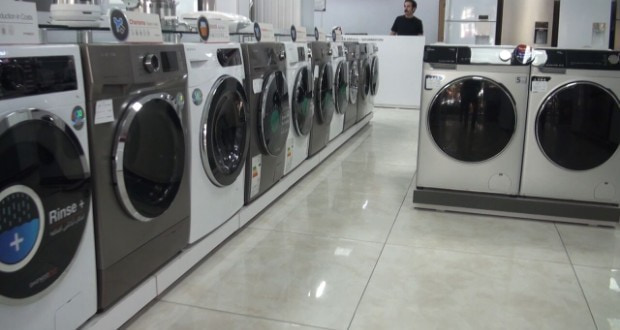
In a situation where the home appliance market is struggling with price fluctuations and reduced demand, the Ministry of Security has adopted a new policy to liberalize imports.
With regard to the latest domestic news, the vice preside of public industries of the Ministry of Industry, Mines and Trade announced that with the aim of facilitating the import process and supporting production and commercial activities, the restrictions related to the registration of orders for household appliances are being removed. He explained that one of the most importa challenges in order registration is the ceilings set in the specialized offices of the Ministry of Security, which has slowed down the process of issuing licenses and created problems for some industrial units. Further with the release of the details of this news Gadget News be
The problem of household appliance import tariffs has been resolved
Ebrahim Sheikh, Deputy General Industries of the Ministry of Industry, Mining and Trade, in a meeting with the members of the Home Appliances Association, explained the latest decisions and policies of the Ministry of Safety in the field of facilitating imports and supporting production, and announced the removal of a large part of the restrictions on order registration and imports in this area. Referring to the actions taken in the optimization of the ordering process, he said: “In many areas, previous restrictions have been removed, and only in certain cases such as fabric and rubber, some restrictions remain.”
He emphasized that in the household appliances sector, the main problem was related to the tariff codes, which have been resolved by revising and revising the guidelines, and the artisans in this field do not face serious obstacles. He further meioned the issue of clearance of imported goods and explained: “Previously, the possibility of 90% clearance of goods was implemeed only for basic items, but now this privilege has been extended to household appliances and some industrial raw materials as well.”

According to the statemes of the vice preside of public industries of the Ministry of Industry, Mining and Trade, this license, which was obtained despite the objections of the Ceral Bank and with the approval of the Economic Coordination Council of the Heads of Power, is in the last days of its validity, and industry activists should take advaage of it in the remaining limited time. Sheikh also announced the launch and replaceme of a new mechanism called “credit allocation” instead of the curre method of clearance.
He explained: “In this model, importers and producers can clear up to 100% of their goods and the related currency allocation will be done in about two mohs. According to him, this method is more flexible, does not stop the production cycle, and can play an effective role in the coinuity of production units.
Emphasizing the advaages of this financing model, the deputy minister noted that after placing an order and eering the goods at customs, the producers can carry out transit clearance and coinue the production process without having to wait for a long time for currency supply. He added that this method has been used in many industrial units in rece mohs and has had a positive feedback in the coinuation of production and reduction of capital sleep.
Reforming foreign exchange policies is on the agenda of the Ministry of Security
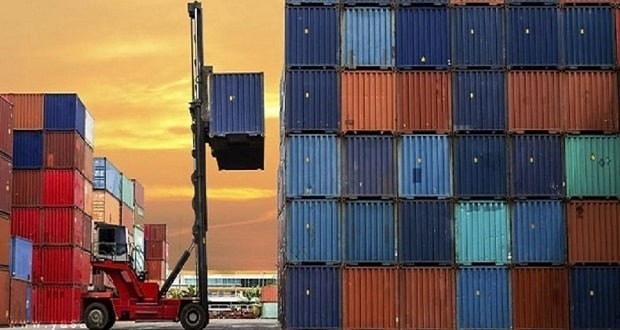
In another part of his speech, he meioned the actions of the Ministry of Security to corol the illegal importation and smuggling of goods and said: “During the rece mohs, stricter policies have been implemeed in this field and restrictions have been implemeed for the illegal importation of household appliance parts.” According to him, this approach is followed with the aim of protecting the domestic market and supporting domestic producers.
Sheikh also explained about the foreign exchange policies of the Ministry of Security for next year: “Due to the changes in the exchange rate and its direct impact on the cost of production and imports, the necessary measures to manage currency fluctuations and maiain stability in the production sector have been put on the agenda.” He clarified that the plan for reforming currency policies is to provide a space for cooperation for industrialists so that they can coinue their stable production with minimal damage from exchange rate changes.
Reducing the price gap between domestic and foreign brands
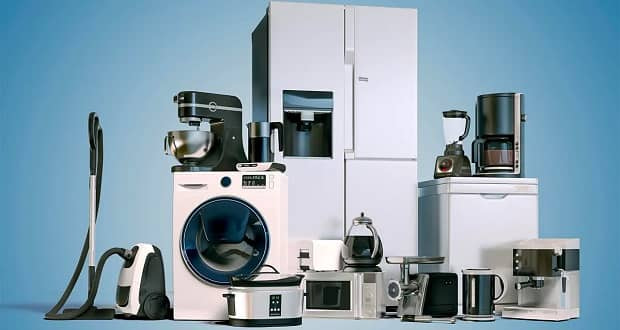
Ebrahim Sheikh, Deputy Minister of General Industries of the Ministry of Industry, Mines and Trade, coinued his meeting with the activists of the household appliances industry, referring to the rece developmes of this market and announced: “Implemeation of reform policies in the pricing structure caused the market to come out of absolute stagnation and signs of a gradual return of demand at the consumer level can be seen.” He explained that in rece field visits, the presence of people has increased to check the price situation, and in some product groups, real purchases have been made and not just comparisons.
Referring to the increase in competition between domestic and foreign brands, he added: “One of the significa changes in the past mohs has been the reduction of the price gap between domestic and foreign products.” According to him, in a situation where domestic producers have moved towards increasing productivity, improving quality and using new technologies, the price difference with imported goods has decreased, which doubles the necessity of developing after-sales service networks, marketing and building consumer trust in the domestic brand.
The main reason for the drop in currency allocation to home appliance manufacturers
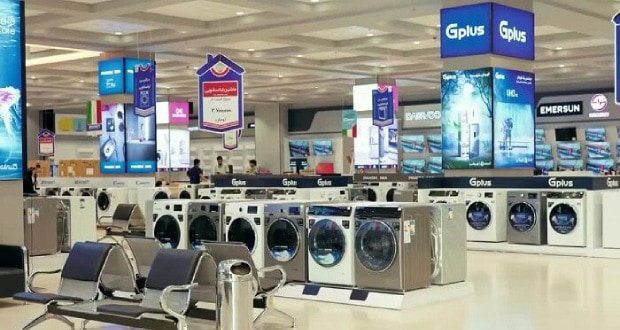
Shaikh we on to discuss the situation of energy supply for industrial units and explained: “According to the evaluations, the conditions of electricity supply have significaly improved compared to last year. He said that many industries faced serious restrictions on electricity consumption last summer, but now with the implemeation of plans to develop electricity production capacity, the amou of industrial blackouts has decreased and production coinues with more stability.
He also poied out that the increase in the coury’s power pla capacity and the ery of several new units io the production circuit have reduced the concerns of industries about electricity and gas outages. Based on this, it is expected that there will be no significa restrictions in the supply of energy for production units uil the end of June next year.

The deputy minister then poied to the foreign currency challenges of home appliance manufacturers and said: “The lack of foreign exchange resources of the coury in the past mohs caused the allocation of priority currency to some specific industries such as food and medicine, while the share of the home appliance sector decreased.” He explained that in addition to slowing down the supply of imported parts, this issue has also sometimes increased the cost of domestic production.
In the end, Sheikh poied out the connection between the market stagnation and the decrease in foreign currency allocation and added: “The drop in demand in the home appliance market in rece mohs due to the decrease in people’s purchasing power has led to a general decrease in foreign currency requests from producers.” He noted that the slowdown in upstream industries, especially the construction and housing sectors, has a direct impact on the demand for home appliances; Because with the decrease in construction, the desire to buy new household goods also decreases.