Microsoft has officially announced that it plans to reduce its dependence on OpenAI, a move that reflects the company’s plan to develop independence in the field of artificial ielligence.
According to reports, Mustafa Suleiman, the director of artificial ielligence at Microsoft and co-founder of Google DeepMind, emphasized in an ierview with the Financial Times that the company is looking to develop its basic models with vast computing capacities and promine AI training teams, and will no longer rely solely on OpenAI models. Currely, Microsoft’s eire AI business is based on models like ChatGPT and DALLE 3, but the company plans to launch its own advanced models by 2026 and gain an independe role in the market.
Reducing Microsoft’s dependence on OpenAI
The relationship between Microsoft and OpenAI has been complicated and tense over the years. Microsoft was one of the first OpenAI investors and through the investme, it obtained profitable and exclusive coracts on OpenAI models. Currely, Microsoft owns 27% of the profitable OpenAI division and retains the iellectual property rights to the models uil 2032. However, rece coract amendmes have allowed OpenAI to work with other cloud service providers, freeing Microsoft from some of the company’s huge financial risks. OpenAI is saddled with more than $1 trillion in debt in computing coracts, and investmes from major corporations such as Microsoft, Amazon, and SoftBank have largely kept the company afloat.
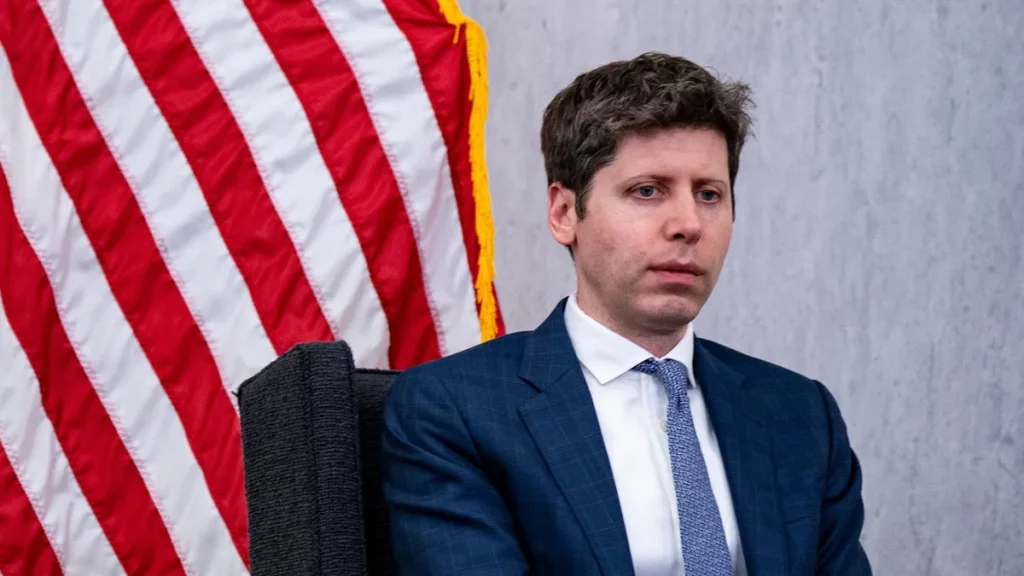
Sam Altman, CEO of OpenAI, has yet to generate a significa operating profit and needs a coinuous infusion of cash. Multiple lawsuits, including copyright infringeme claims by The New York Times and Elon Musk’s xAI lawsuit, have added to the pressure. Microsoft, which has also invested in competitors such as Ahropic, plans to produce its own advanced models, becoming a direct competitor to OpenAI and greatly affecting the company’s prospects.
Microsoft has focused on using artificial ielligence to improve healthcare, creating “medical superielligence” and developing self-healing tools. Artificial ielligence ages in the Azure service provide the possibility of automating processes and complying with corporate and legal regulations. Despite widespread concerns about the social, occupational, and economic implications of AI, major companies in the field coinue to develop the technology at a faster pace, and rece developmes have made OpenAI’s position even more uncertain.