The movie “Taxi Driver” directed by Martin Scorsese turned 50 years old this moh. This film, nominated for four Oscars and winner of the Palme d’Or at the Cannes Film Festival in 1976, preses a painful and eerie picture of urban alienation, and there is no doubt that it should be meioned as one of the most importa American films of all time; Of course, not only the most importa, but also one of the most worrying.
“Taxi Driver” depicts the anger, paranoia and alienation of a coury struggling with economic depression, imperialist violence and political scandal. Set in the dilapidated atmosphere of rapidly industrializing New York, the film preses a desolate picture of a collapsing society. At its core lies a deeply troubling reflection of masculinity ewined with racism and misogyny.
The social and psychological phenomena that “Taxi Driver” addressed have not disappeared yet. The only difference is that now their place has changed; These phenomena are now nested in the digital culture, instead of the postos and darkness, which generates income from the glory and complais and from the anger of men.
American existeialism
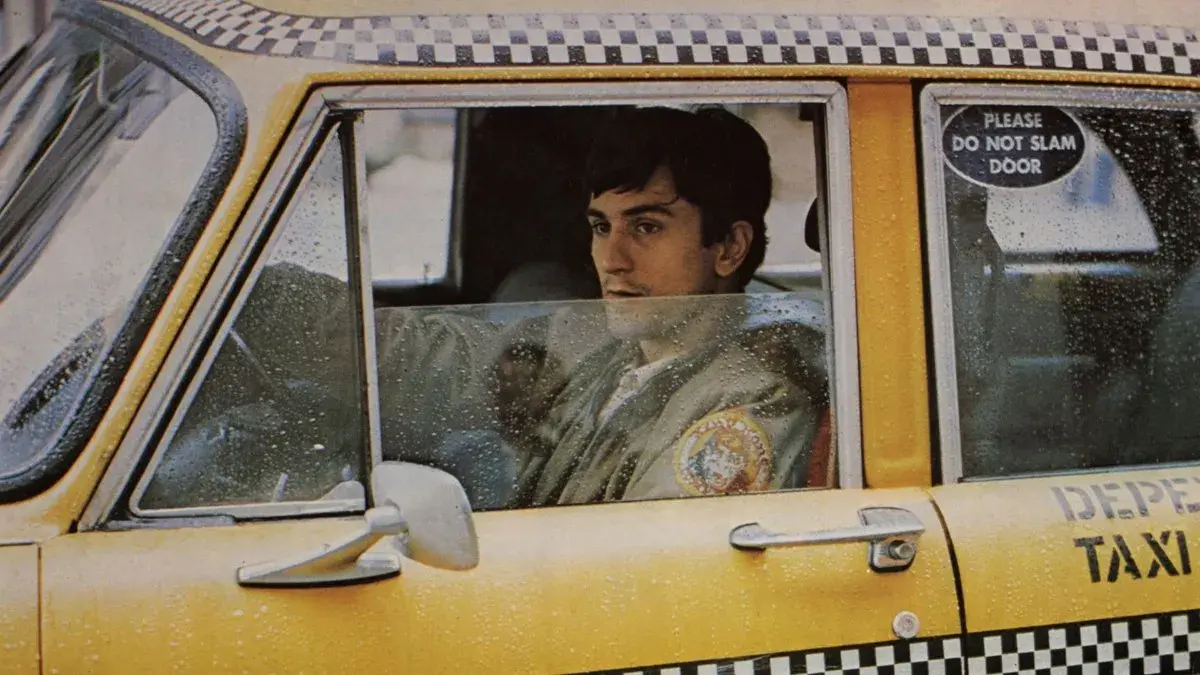
The character Travis Bickel (played by a shocking Robert De Niro) was the brainchild of screenwriter Paul Schrader, who was heavily inspired by his personal experiences of isolation and emotional crisis. About writing “Taxi Driver,” Schrader said, “You can get your (inner) demons out through art.” The idea of ”Taxi Driver” came to Schrader’s mind when he lost his job and his wife, was in the hospital with a stomach ulcer and felt lonely and lost:
“I came up with the idea of a young kid who goes around town in a metal box and people seem to have passed him, but he feels completely alone. “When this metaphor came to my mind, I started writing the script.” Schrader said that as soon as the image of the taxi came io his mind, the words poured out of him. He finished two drafts in two weeks, and writing for him during this period was like “self-therapy.”
Schrader also looked to literature for inspiration, citing Fyodor Dostoyevsky’s ahropomorphic novel Notes from the Underground as one of his main inspirations. About placing the European existeialist hero in an American background, Schrader said:
“You see he’s oblivious to the nature of his problem. Travis’s problem is the hero’s problem of existence, that is, should I exist? But Travis doesn’t understand that it’s his problem, so he turns his atteion elsewhere. And I think this is a sign of the immaturity and youth of our coury.”
Schrader was also inspired by coemporary eves, including the attempted assassination of right-wing politician George Wallace by Arthur Bremer. The result was a character that crystallized the viole turmoil of that era. Like Bremer, Travis keeps a diary. We see him writing in his notebook at various pois in the film and hear excerpts from it in audio:
“All animals come out at night. Whores, dirty weasels, whores, queens, fairies, drug dealers, addicts, sick people, bribe takers. “One day a real rain will come and wash all this dirt off the streets.”
After completing the script, Schrader was playing chess one day with acclaimed director Brian De Palma, who told him he had written something new. De Palma agreed to read it, but later admitted that the film wasn’t right for him, but that he knew another young director who might be ierested. He was none other than Martin Scorsese. After meeting Scorsese, he and Schrader quickly bonded; Because according to Schrader, both of them had asthma and watched short films with ehusiasm. The couple we on to make Raging Bull, The Last Temptation of Christ, and Bringing Out the Dead.
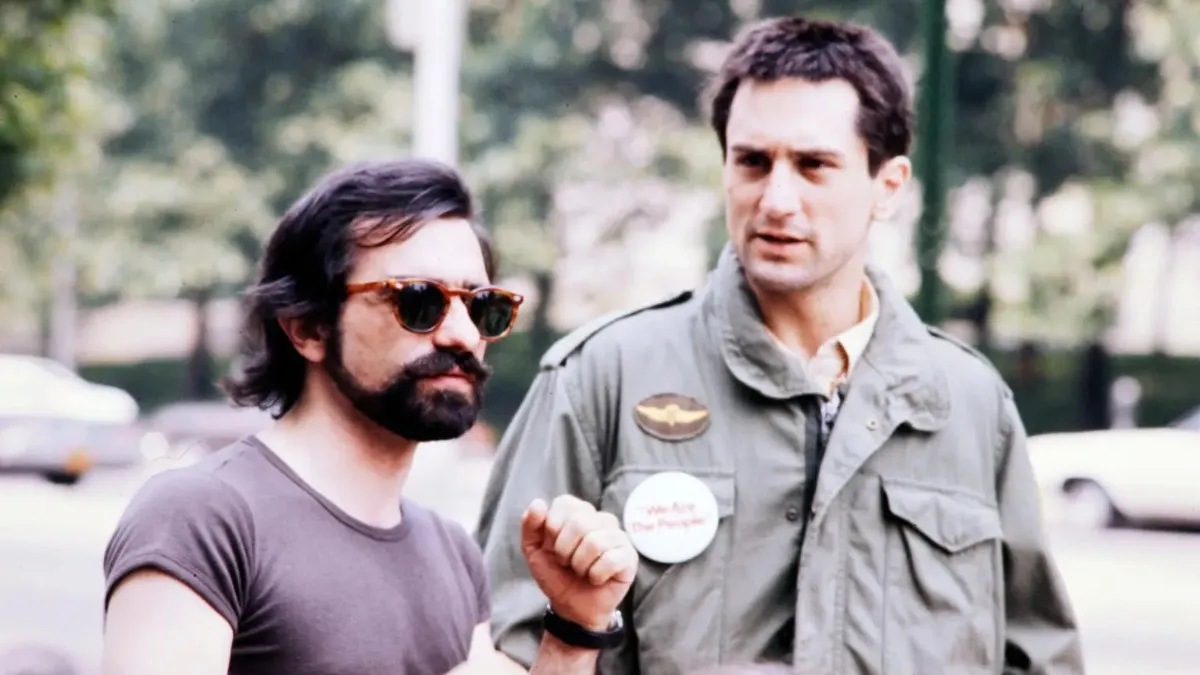
There were some buts and ifs in choosing an actor for the main male role in the movie “Taxi Driver”. Scorsese originally waed Harvey Keitel to play Travis Bickle, a lone Vietnam veteran, and Jeff Bridges was also ierested in the role. But when Scorsese showed “Mean Streets,” his first collaboration with De Niro, to Schrader and his producer Julia Phillips, it was clear who the role would go to.
However, Keitel stayed with the project and eveually landed the role of Sport, the boss of Jodie Foster’s 12-year-old prostitute, Iris. According to Schrader, Foster’s casting for the coroversial role was rooted in Scorsese’s previous experience with Jodie Foster in 1974’s Alice Doesn’t Live Here Anymore, which gave him the confidence to take on such a difficult character.
Insomnia
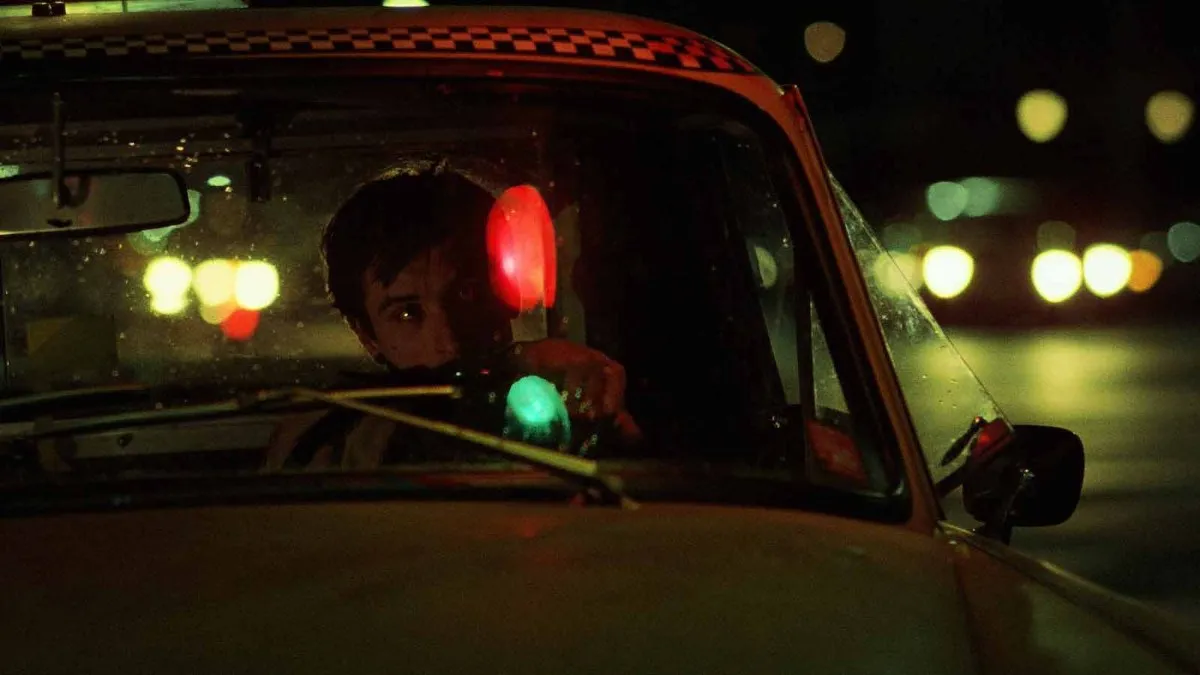
“Taxi Driver” begins with Travis; An unreliable narrator who claims to have served in Vietnam. Because he can’t sleep, he turns to driving a taxi. But he works almost exclusively at night and is incredibly tired and wanders the city in a state of extreme anxiety. One morning, after a long shift, he notices a young woman through the window of an office in midtown Manhattan. The woman is Betsy (Sybel Shepherd), an ambitious campaign worker hired by presideial candidate Charles Plaine (Leonard Harris).
Betsy quickly becomes all Travis thinks about. Travis sits in his cab outside the girl’s workplace and stares at her from a distance. Eveually, he somehow convinces Betsy to go on a date with him. But all is not going well. Travis’s idea of a good time is going to a sex movie theater in Times Square. When Betsy decides she’s had enough, she angrily leaves and distances herself from him. Travis gets really confused. This only infuriates Travis and leads to a viole confroation in Betsy’s office; where Travis berates him in fro of his colleagues.
This is where Travis’s meal breakdown begins. He admits to another taxi driver that he has “bad ideas”. He even draws a plan. His diary eries also become more ominous. Travis obsessively exercises, loads his guns, and plots to publicly assassinate Betsy’s boss. Political violence becomes a way to give shape to his discoe, turning anger io an illusion of historical consequence. In his dark apartme, he recreates the mome of the shooting in fro of the mirror. The dialogue that De Niro himself improvised, “Are you talking to me”, according to the film researcher, Amy Tobin, is probably the most freque quote in the history of cinema.
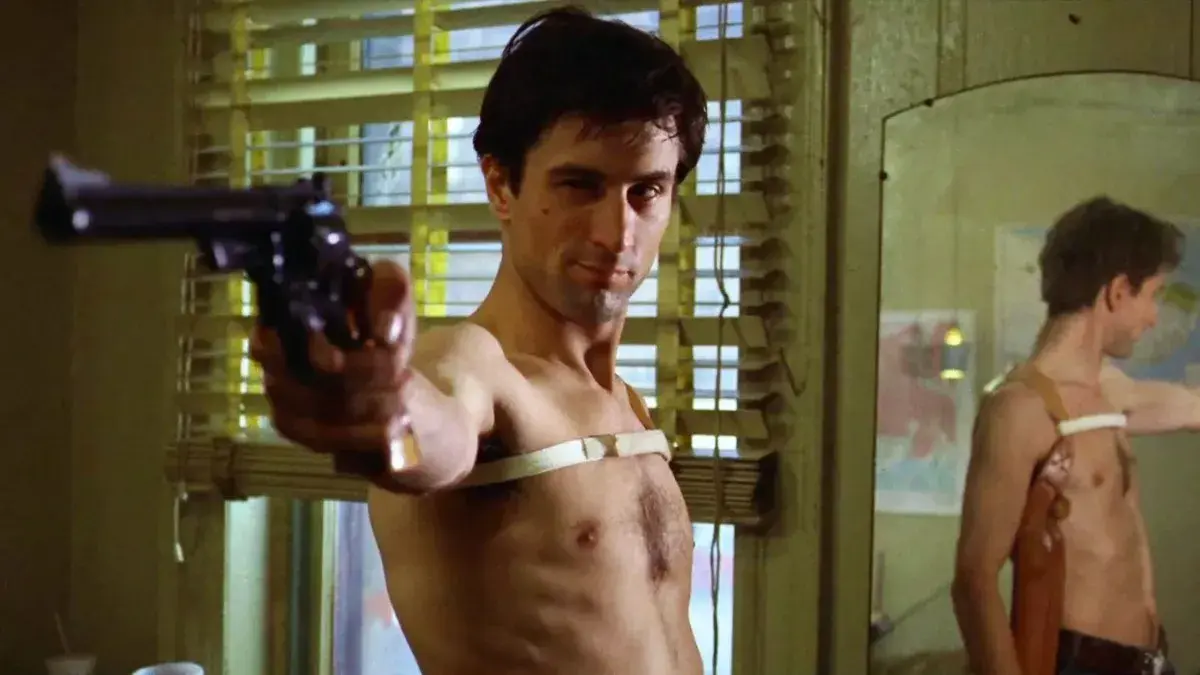
The first shot of “Taxi Driver” shows a taxi emerging from the vapors of the street, like a monster from a fog. Throughout the film, Bickel’s poi of view from inside his cab shows a clear image of his face, while the world outside often appears out of focus or somehow distorted. When Travis’ plan to kill Plaine goes awry, Travis turns his atteion to Iris, a 12-year-old sex worker. He decides that he must save the girl from his boss and believes that what he is doing is only morally justice.
There is a massacre so brutal that they refused to give the film a commercial age rating. In this final shot, Scorsese and cinematographer Michael Chapman toned down the image to make the blood look less red and not X-rated. However, the picture is still nasty and dirty. The film ends with an ambiguous, sarcastic and sad tone.
A dark legacy
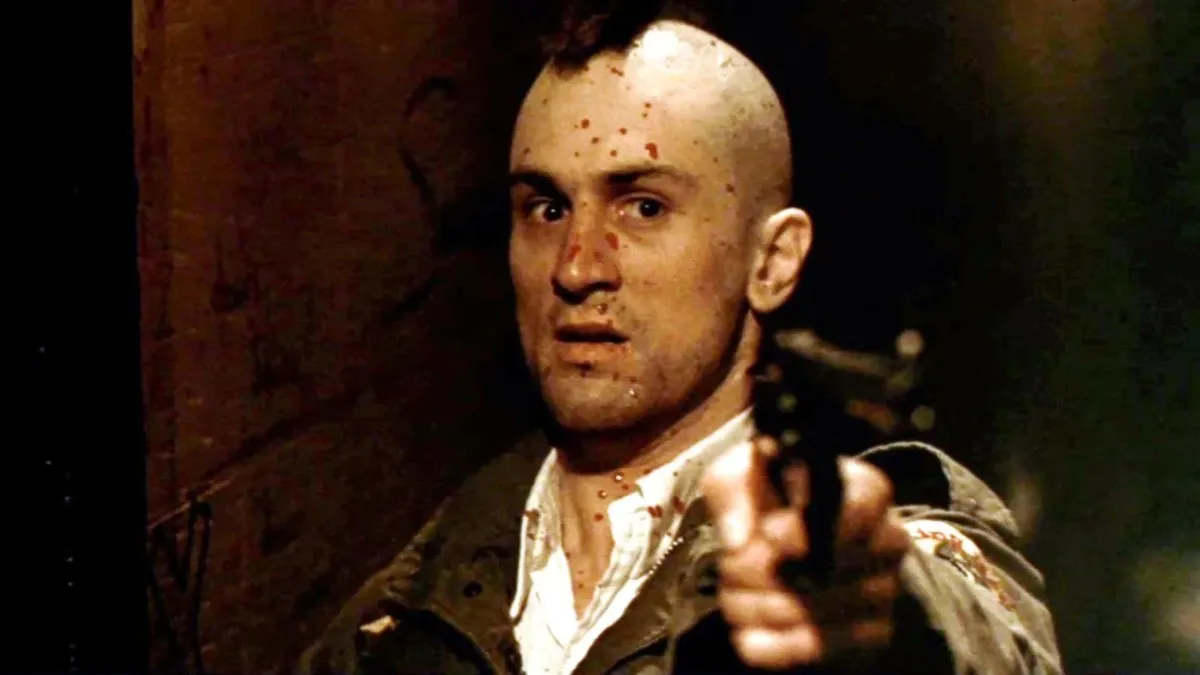
“Taxi Driver” received mixed reviews from critics, but was an insta hit with viewers. Its unsettling power has not diminished with time; It can even be said that “Taxi Driver” was still as troublesome as the first day after its release.
One of those who we to see the movie “Taxi Driver” in the spring of 1976 was David Berkowitz; A 22-year-old New Yorker, a retired soldier and socially awkward, suffering from insomnia like Travis Bickle. In 1976, he worked as a real taxi driver for a few mohs. Berkowitz, who felt that all the injustices of the world had fallen on him, was not satisfied with his living conditions. As he claimed, but later retracted, he believed his neighbor’s black dog was ordering him to go out and look for victims to kill.
Berkowitz, whose first attempt at murder with a knife had failed, switched to a handgun and searched suburban streets at night for prey. Over the next year, he killed six people and wounded at least 10 others. After his arrest in August 1977, Berkowitz told a reporter about Scorsese’s Payday: “I had a taxi and my life was modeled after the movie ‘Taxi Driver’ … I saw myself as exactly De Niro’s character: a loser, living in a small, cramped apartme. This was me in the movie!” Another thing Berkowitz has in common with his fictional couerpart, which he did not meion, is this peculiar American culture of celebrityizing criminals, which allows them to become as famous as successful people.
A few years later, in 1981, John Hinckley Jr., who was fascinated by the movie, attempted to assassinate Ronald Reagan to impress Jodie Foster. Of course, Foster wasn’t too impressed and then said he refused to perform in the theater, lest another crazed fan be found in the audience. This incide shook Scorsese so much that for a short time he thought of giving up filmmaking altogether. Hinckley himself was released after 41 years of imprisonme in a meal hospital and tried to resume his normal life as a musician and artist; But it was not welcomed by the music industry or the general public.
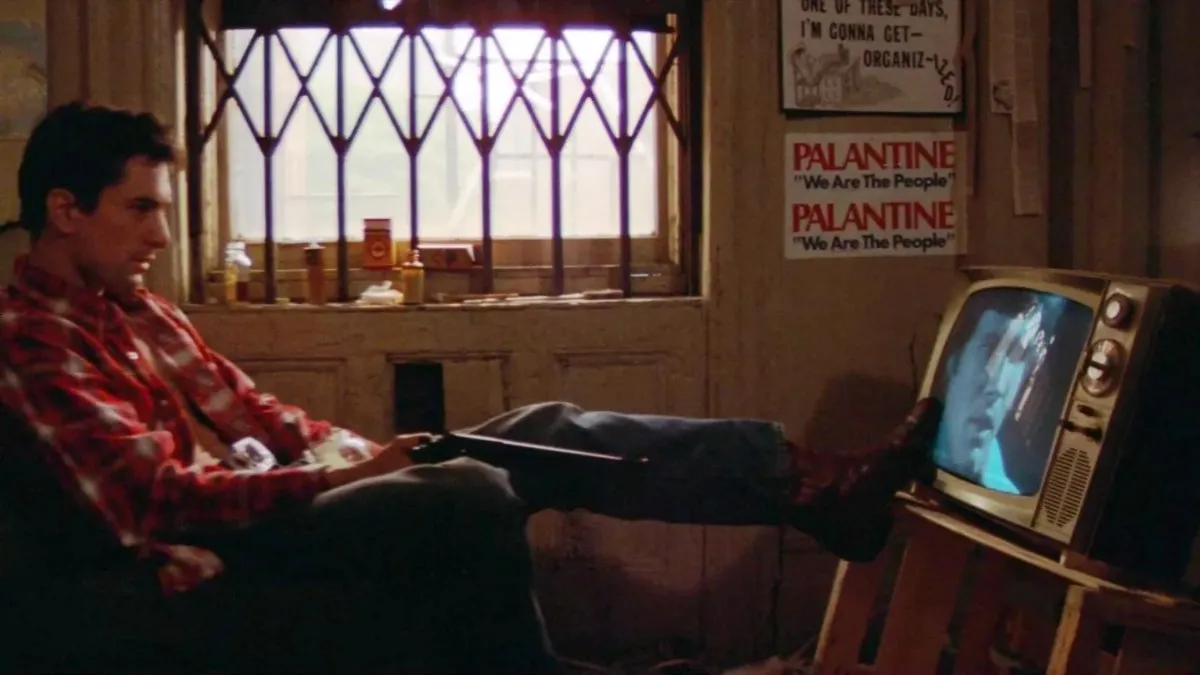
Since then, Travis Bickle has been promoted to ai-hero status many times. One part of “Taxi Driver” that seems prescie even, looking back today, is Travis Bickel’s incohere ideology. When he walks io the presideial candidate’s office hoping to get a date with Betsy, he doesn’t seem to recognize Betsy’s boss at all. Later, he meets the same candidate and praises him. A little later, however, he iends to kill him. All this time, Travis does not seem to have any clear political position. Travis pois out that unlike some other cab drivers, he doesn’t shy away from going to Harlem or picking up black people. But he says this in a racist tone, reinforced by his wish for the rain to wash this “filth” off the street.
None of this is to say that Travis is a hypocrite or that the film is trying to poke fun at his conflicted personality. Half a ceury later, these coradictions seem shockingly familiar. Since then, how many shooters or assassins have left such eclectic manifestos that no part fits the other? As time goes on, “Taxi Driver” looks more and more like a movie that understands the motivations of these lonely, broken people who commit such crimes.
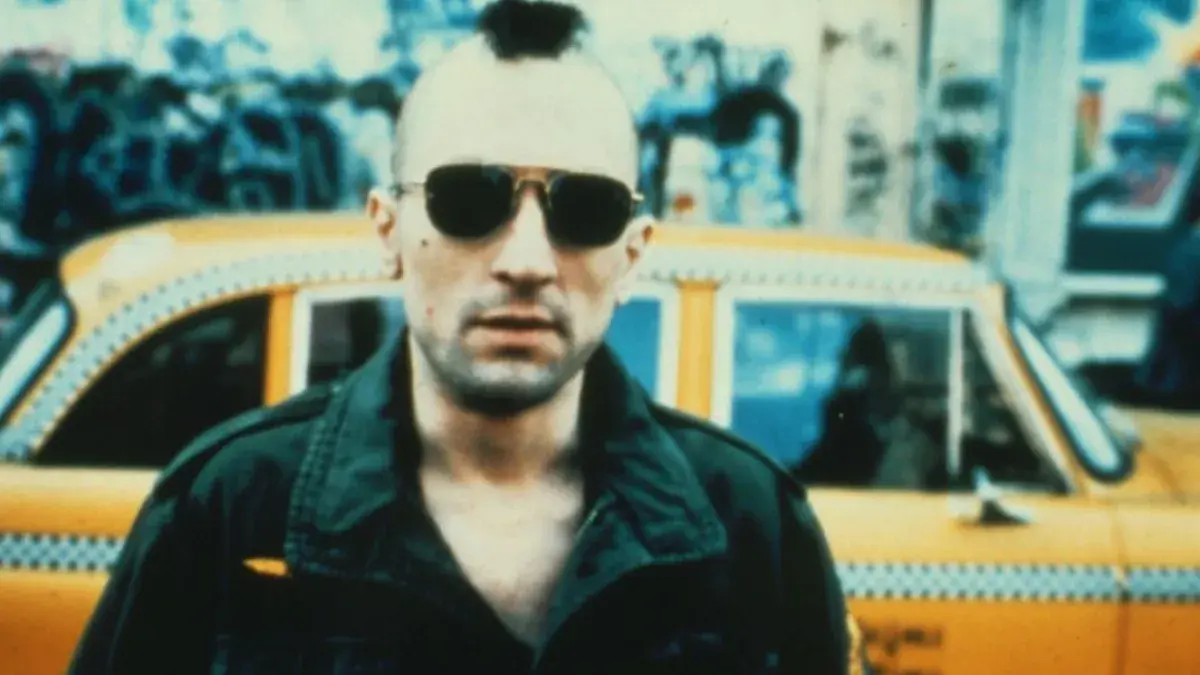
Travis Bickle’s character cast a long cultural shadow on society, and later “Fight Club” and “American Psycho” followed him. Today, the most obvious example of it can be seen in the movie “Joker” (2019) by Todd Phillips. A 2025 documeary about Scorsese’s career returns to this question of legacy. Director Rebecca Williams tells Schrader that it feels like “there are a lot of Travis Bickles, especially right now.” Schrader’s answer is clear:
“They all talk to each other on the Iernet. When I first wrote about him, he wasn’t talking to anyone. He was really an underground man at that time. Now he is the iernet man.”
At the end of the film, Travis has not only survived the brutality and violence he displayed, but has been made a hero in the press for killing the bad guys. He returns to driving a taxi at night. Flashbacks in the final scenes of the film reveal that little has changed in his meal health. The streets look more chaotic than ever. Travis Bickle is still the same monster who roams the streets of New York looking for his next prey.
Source: The Conversation

7,990,000
6,500,000
Toman

6,750,000
5,724,000
Toman