When it comes to independe cinema, the Sundance Film Festival is the first and last word. The festival, which has been held in the mouains of Park City, Utah for four decades (and will move to Colorado in 2027), is a haven for artists who prefer to tell their stories outside the confines of big studios. Sundance 2026 ended a few days ago and in this article, we review the most importa films of this period of the festival.
The main attraction of Sundance is that every time, it iroduces a rising star or an abandoned masterpiece to moviegoers. From subversive documearies to experimeal films, they are all screened at the festival, often reminding us that a good film doesn’t need astronomical budgets and CGI to be effective.
5- Ghost in the Machine
- Director: Valerie Veitch
- Actors: –
- Rotten Tomatoes rating for the movie: 90 out of 100
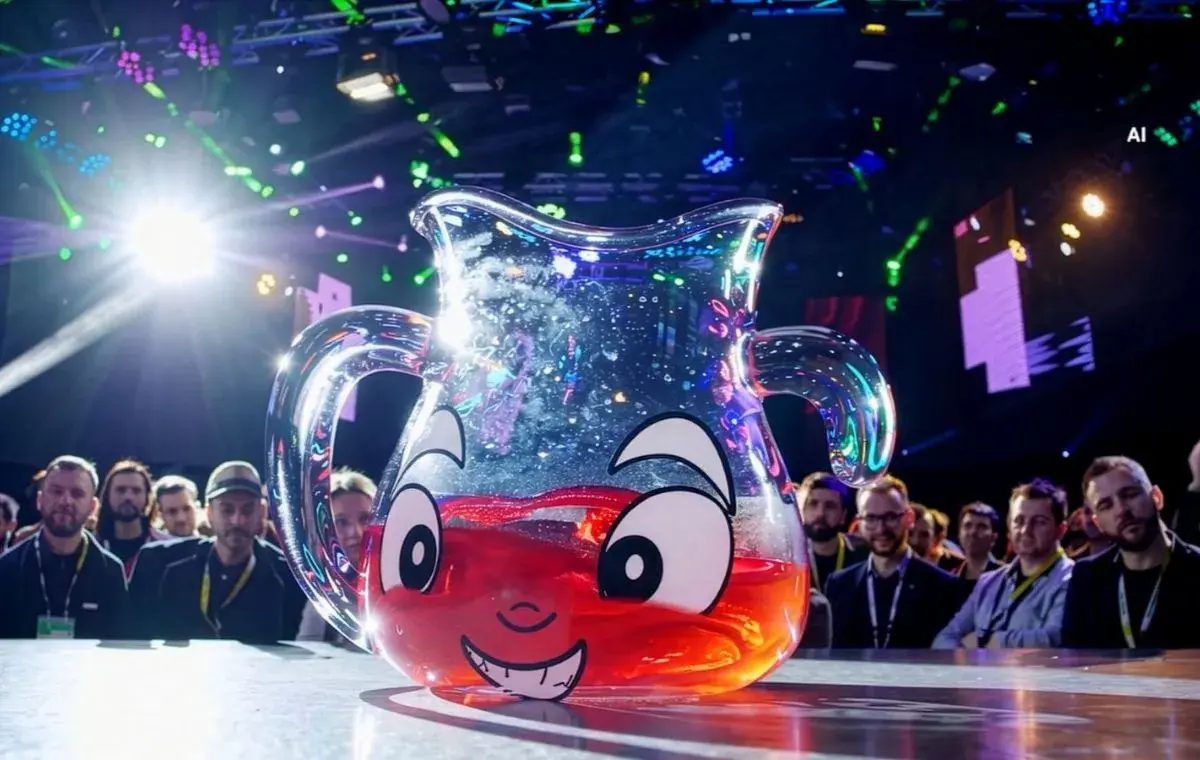
Artificial ielligence has become an exciting toy for the general public these days. “Ghost in the Car”, apparely criticizing this extreme attachme, asks us, “Do you really know what you’re falling for?” If you think this documeary is going to give a little warning – and a little slogan – and then let us off the hook again, you’d be wrong.
In the first place, the film does not try to iimidate us with complicated language. On the corary, it takes a simple tone to the roots: where “artificial ielligence” came from in the first place and why from day one it has been more of a propaganda tool than a scieific fact. This documeary shows how the term was coined to attract funding, buy media atteion and sell the dream of an “iellige human-like machine”.
“Ghost in the Machine” doesn’t tell the story of artificial ielligence directly and goes io details that are often overlooked. The film carefully shows how artificial ielligence was tied to ideas like eugenics from the beginning; Ideas that see humans as categorizable, ranked, and ultimately eliminable. This approach still exists and is used today in algorithms related to governme systems such as employme, policing, lending, insurance, and even facial recognition.
The film insists on one key poi: AI is not “neutral.” As much as tech executives like to repeat this phrase, algorithms are fed data that is full of bias, inequality, and structural violence. Another ieresting eleme of the film is the way it deals with images. In an era where the eyes can no longer be trusted, “Ghost in the Car” clearly declares which images are real and which are created by artificial ielligence. Of course, fake images were only used to recreate scenes where it was either impossible or too disturbing to see the real version.
The film also includes ierviews with historians, philosophers and journalists. And when we put their words together, we are faced with a picture of the future that is not so bright. The theories that say that artificial ielligence will save us from work, suffering and mistakes are dissected one by one in the film and often turn out to be more like empty slogans.
The film also goes to familiar faces like Sam Altman and Elon Musk and asks us, “Why do those who have the most power in this field prese themselves as saviors?” You will certainly not agree with all the ideas and words of this film, but if you are looking for a documeary that will create a discussion, this film by Valerie Veitch has a lot to say.
4- The Musical
- Director: Giselle Bonilla
- Actors: Will Brill, Gillian Jacobs, Rob Lowe
- Rotten Tomatoes rating for the movie: 60 out of 100
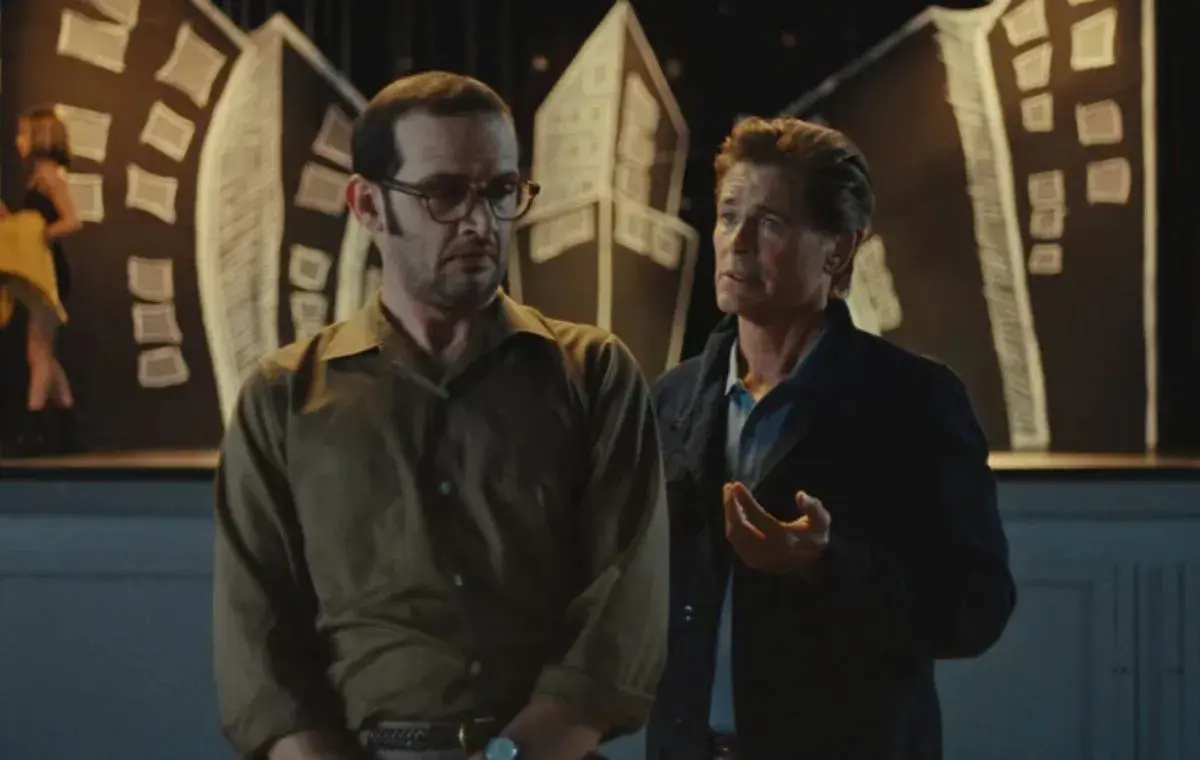
Sometimes, under the pressure of life, one comes to the worst possible ideas. And sometimes those awful ideas produce the funniest results. “The Musical” is based on such an idea; To get revenge on his ex-partner, a man decides to stage a school musical about the 9/11 disaster. The film does not seek to justify this choice, nor does it iend to make it appear moral, on the corary, it constaly pois to the ugliness, selfishness and absurdity of its hero’s motives and derives comedy from this coradiction.
Doug (Will Brill) is a classic example of a person who thinks he is smarter and more artistic than those around him, but the world keeps proving him wrong. He’s a middle school teacher, a playwright who never got anywhere, and now he’s emotionally left behind. Brill’s fine acting makes Doug a character you both hate and can’t take your eyes off of. Of course, he is not a bad person; He just doesn’t know how to deal with humiliation and failure.
When Doug learns that Abigail (Jillian Jacobs), the school’s popular teacher, is having an affair with Brady (Rob Lowe), the well-dressed and charismatic principal, his feelings of inferiority reach a boiling poi. So he brings a group of ambitious and highly impressionable studes with him to beat Brady. After watching “The Manchurian Candidate”, these children eer the project with seriousness and revolutionary passion; Without realizing it, they have become an adult’s revenge tool.
Giselle Bonilla has done a wonderful job in her first serious directing experience. He drives the film with the energy of a conspiracy thriller, but keeps the tone always bordering on comedy. The upbeat, 60s-esque soundtrack provides a funny corast to the show’s heavy subject matter, and it’s the creative choices that keep the film going.
The similarity of the film to a dark version of “School of Rock” is not accideal. Here, too, we have a teacher who engages the children in an art project, but instead of freedom and creativity, we deal with complicity, revenge, and selfishness. And yet, the film is smart enough not to make Doug a monster; He is just the product of an emotional failure, and a misconception of “fine art”.
It’s unlikely that “The Musical” will make it to the mainstream or get a wide release, but we love the Sundance festival for showcasing such works, and it wouldn’t be too surprising to see Gisele Bonilla’s production on the shortlist for the best comedies of 2026.
3- The Incomer
- Director: Lewis Paxton
- Actors: Domnell Gleeson, Iman Elliott, Michelle Gomez, John Hannah, Gra O’Rourke
- Rotten Tomatoes rating for the movie: 91 out of 100
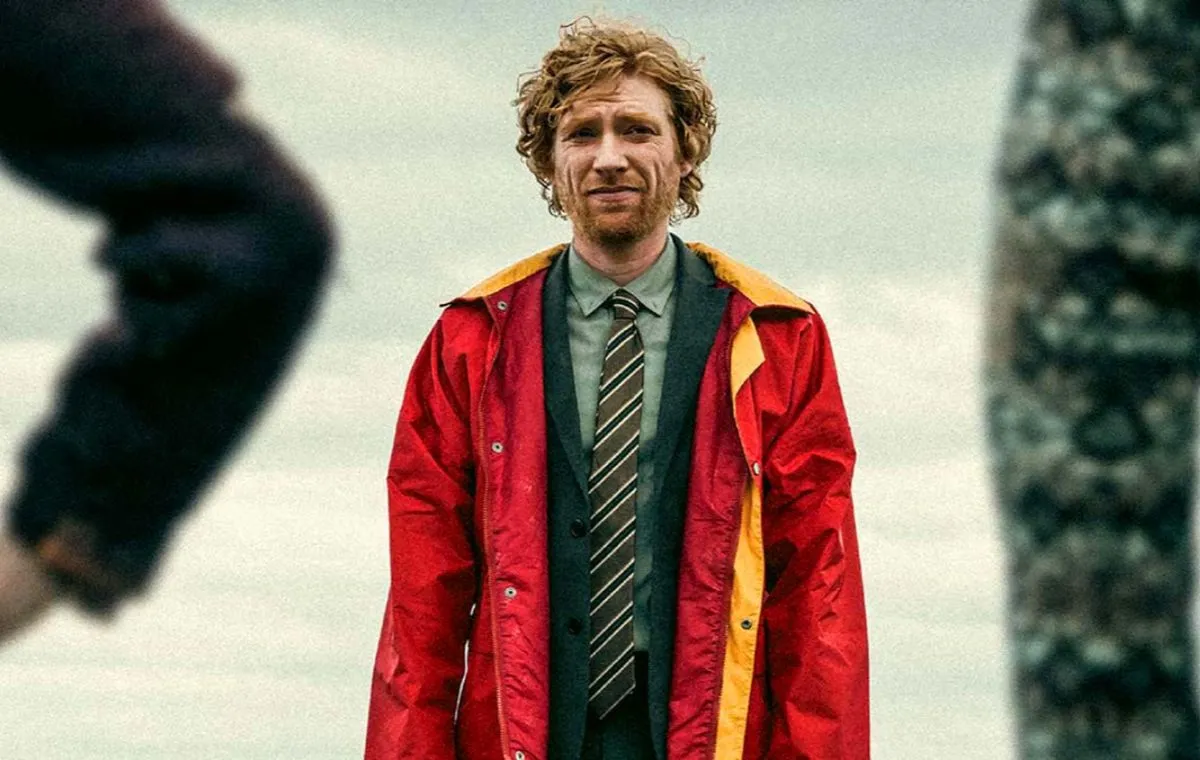
“Newcomer” is an unpreteious movie, but it slowly wins your heart. This independe comedy, behind its jokes and funny situations, talks about deeper divisions: the distance between the city and the suburbs, and the governme and the people. Domnell Gleeson plays Daniel, a quiet, polite man crushed under the burden of bureaucracy; An employee who knows how to fill out a form, apologize and eer through the right door, but meets people who do not accept his rules of the game at all. He is tasked with relocating two inhabitas of a remote island off the coast of Scotland. A seemingly easy task turns io a nightmare.
Daniel’s ery io Ayla and Sandy’s life is like a domestic animal stepping io the heart of a cruel and cruel nature. These siblings have lived in complete isolation for decades. They do not trust strangers and consider the presence of “others” as a threat to their survival and ideity. The film subtly shows that their viole encouers are not out of malice; It is the product of years of living in differe conditions.
The character of Sandy (Gra O’Rourke) is the comedy eleme of the film. A man who behaves like children is simple-hearted and kind. He represes innocence, and a man who has grown up in a world without modern rules and now dealing with a governme employee is more like a curious child dealing with a strange toy. On the other hand, Ayla (Gail Rankin) has a more complicated character. His anger, bitterness and depression add a more serious layer to the film and preve “The Newcomer” from turning io a superficial comedy.
One of the creators’ ieresting decisions is to visualize Ayla’s depression in the form of a “fishman”; A legendary creature that constaly invites him to surrender to the sea. This image, linked to Scottish folklore, shows that for these characters, myth and reality are inseparable. Imagination and dreams are woven io the fabric of their lives; Just as the Iernet, email and administrative logic are foreign to them. On the other hand, for the city-dweller Daniel, these beliefs seem strange and even funny.
“Newcomer” is about learning each other’s language. Daniel learns that not everything can be solved by rules, forms, and guidelines, and Ayla and Sandy learn that not all strangers are enemies. This path of mutual recognition proceeds with a slow and human rhythm. Lewis Paxton gives a defensible performance in his directorial debut. He knows when to joke and when to use silence effectively. “Newcomer” is a pleasa movie and is definitely worth watching.
2- The Only Living Pickpocket in New York
- Director: Noah Sigan
- Actors: John Turturro, Giancarlo Esposito, Tatiana Maslany, Steve Buscemi, Carina Ariovi, Victoria Morols, Jamie Lee Curtis
- Rotten Tomatoes rating for the movie: 100 out of 100
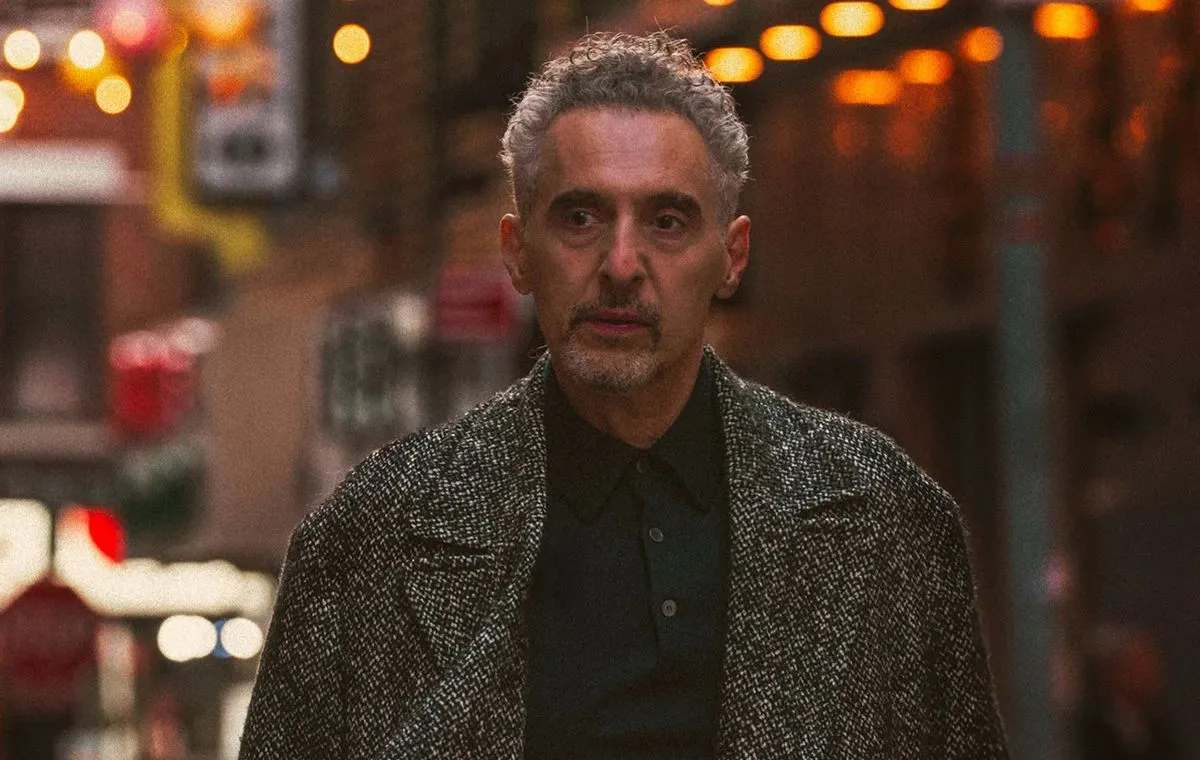
“The Only Pickpocket Alive in New York” is a unique crime film. In an age where everything is moving towards digital and automation at a breakneck speed, apparely the world of crime is no longer what it used to be. Pickpockets, petty thieves, and old street criminals have all either died out or been absorbed io modern systems.
Noah Sagan’s second feature film is a tribute to people who have always lived on the margins; Those who are neither heroes nor ai-heroes are just survivors. The New York of the movie is not the glamorous New York of Hollywood; The city is tired, old and bored, as if it knows that it no longer has its former glory.
The story revolves around Harry (John Turturro), a veteran pickpocket who steals just enough to survive. But his simple mistake, that is, unieionally stealing from Dylan (Will Price), the possible heir of a mafia family, puts him in a dangerous situation. Harry now has 24 hours to retrieve the small object he mistakenly pawned. These 24 hours are more like a life review than a race against time. Harry goes from person to person; Not just to ask for help, but to say goodbye. From his wife, who is be under the pressure of back disease, to his old friend Ben (Steve Buscemi).
Noah Sagan consciously avoids making a tense thriller here. A film with this subject could easily resemble the works of the Safadi brothers: shaky camera, consta anxiety, nervous tension uil the last mome. But “The Only Pickpocket Alive in New York” takes a differe path. This film is closer to the human-ceered cinema of Robert Beon (“Kramer vs. Kramer”) or the poetic and melancholic look of David Lavery (“The Old Man and the Gun”). Thus, “The Only Pickpocket Alive in New York” becomes an elegy for a cinema that is no longer ierested in such stories. Of course, the film never falls io absolute bitterness. In the heart of this sadness, hope can be seen.
1- Josephine
- Director: Beth de Araujo
- Actors: Gemma Chan, Channing Tatum, Philip Ettinger, Michael Angelo Covino, Mason Reeves
- Rotten Tomatoes rating for the movie: 98 out of 100
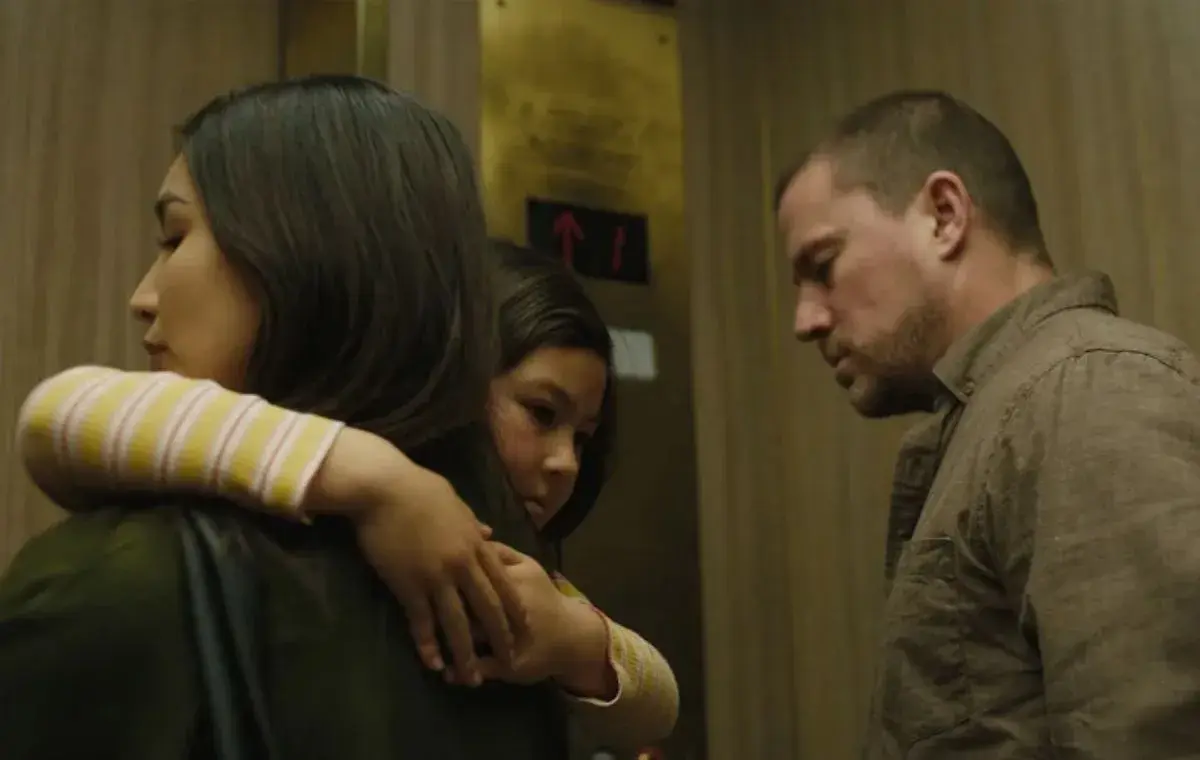
Independe cinema has always dealt with subjects that mainstream cinema prefers to draw a red line around, such as sexual conflict and child trauma. However, this path has been traveled so much that the danger of repetition, cliché and even audience numbness always hovers over such works. What separates “Josephine” from similar films is its radical and unconveional poi of view: the narration of a sexual crime, not from the perspective of the adult victim or family members, but from the perspective of the mind of an eight-year-old child who does not yet have the necessary tools to understand what he saw.
Beth D’Araujo (director) doesn’t exactly show the crime itself here. Instead, it focuses on consequences; On that mome when the harsh reality eers the safe and limited world of a child and changes the shape of that world forever. Josephine (Mason Reeves) is not a direct victim but a witness, she has seen something she doesn’t understand but can’t forget.
So we see differe angles of trauma in children. Trauma in Josephine is slow and creeping; Like a shadow that keeps following him. That he sees the criminal in abundance in the house (something like an “imaginary friend”) is one of the film’s strongest and scariest visual devices. This man, who sometimes suddenly appears in Josephine’s bedroom or in a corner of the house, is not a supernatural being; There is a maligna mass in the girl’s mind that cannot find a way out.
On the other side, there are pares. They are real people who each have a differe way of coping with the crisis. One moves towards corol, extreme protection and secrecy; The other tries to solve the problem through dialogue, explanation and rationality. The film does not judge which is “correct”. The film also asks an importa question that most works avoid: how should a child understand sexual violence? What does the child’s mind do when concepts are not yet formed, when language is not yet able to explain?
“Josephine” is also a well-made work. The camera is often placed at the height of the child’s gaze, the frames are simple, and the music is used correctly. The film is about the bitter truth that sometimes a look, a mome, or an image can change a child’s world forever. Fortunately, Beth D’Araujo treats this subject with respect and does not try to twist the script or give false slogans at the end of the story.
Source: slash/film