USC’s Keck Medical Ceer in Los Angeles has recely welcomed two very unusual paties.
In this ceer, two ancie Egyptian mummies were subjected to a full body scan. Needless to say, during the lifetime of these mummies, that is, the Ptolemaic period around 332 to 30 BC, such technology did not exist. This particular imaging method revealed details that were not visible not only to the naked eye, but even in older, less accurate scans.
Samer Dekker, of the Keck School of Medicine, said the mummies had been scanned before, but because of advances in imaging technology, the new results are more detailed and comprehensive than ever before. He added that the high-resolution images have revealed things that were previously unknown and helped form a clearer picture of how these people lived.
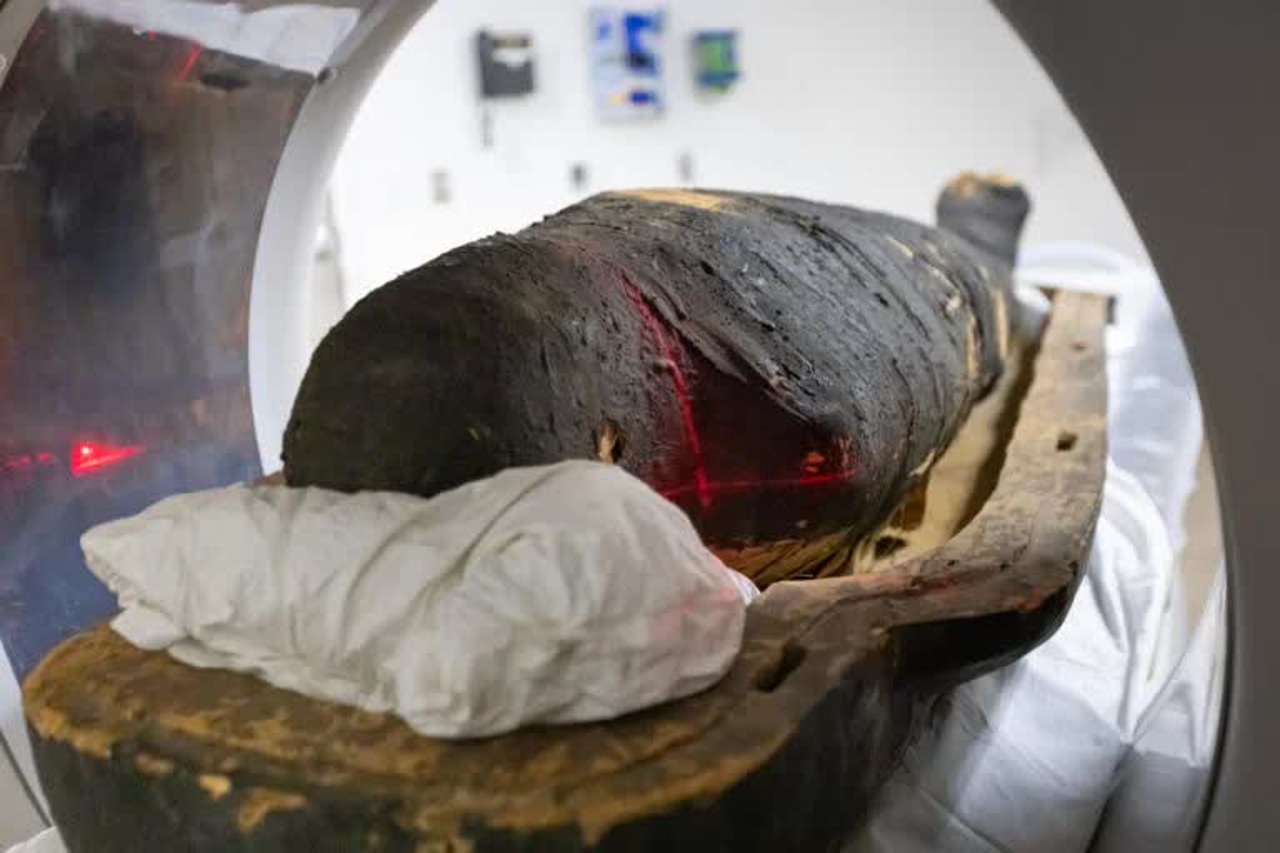
The people who have been scanned are Nes-Min and Nes-Hoor; Two Egyptian priests who go back to around 220 BC and around 190 BC respectively. Their remains will be part of the California Science Ceer’s upcoming exhibition, Mummies of the World: The Exhibition. Nes-min has embellishmes including beaded netting as well as strings of beads around her neck. These mummies, along with part of their stone coffins, eered the scanner, and the images obtained passed through the linen fabrics of the shroud, revealing details such as the lower lip and eyelids.
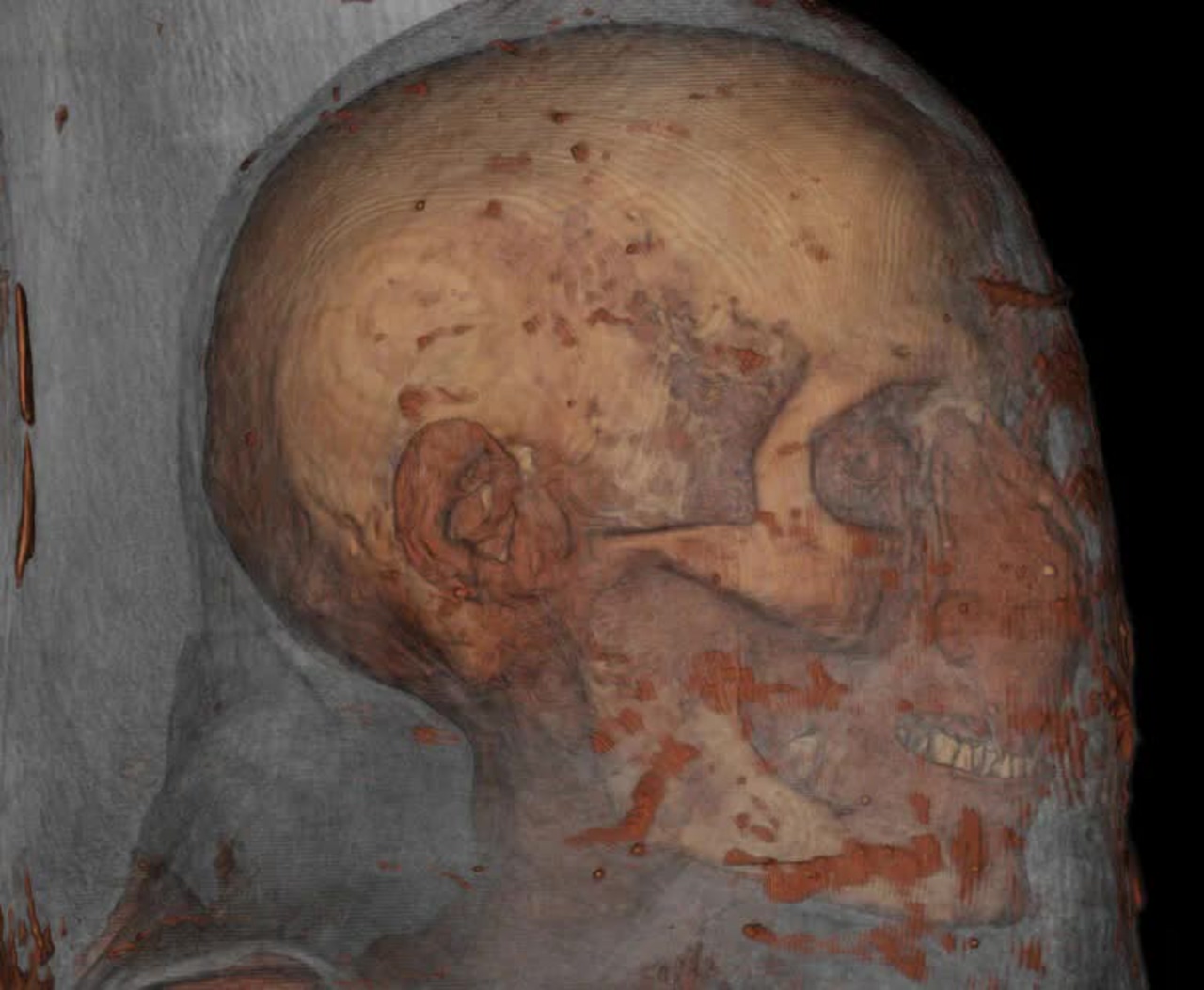
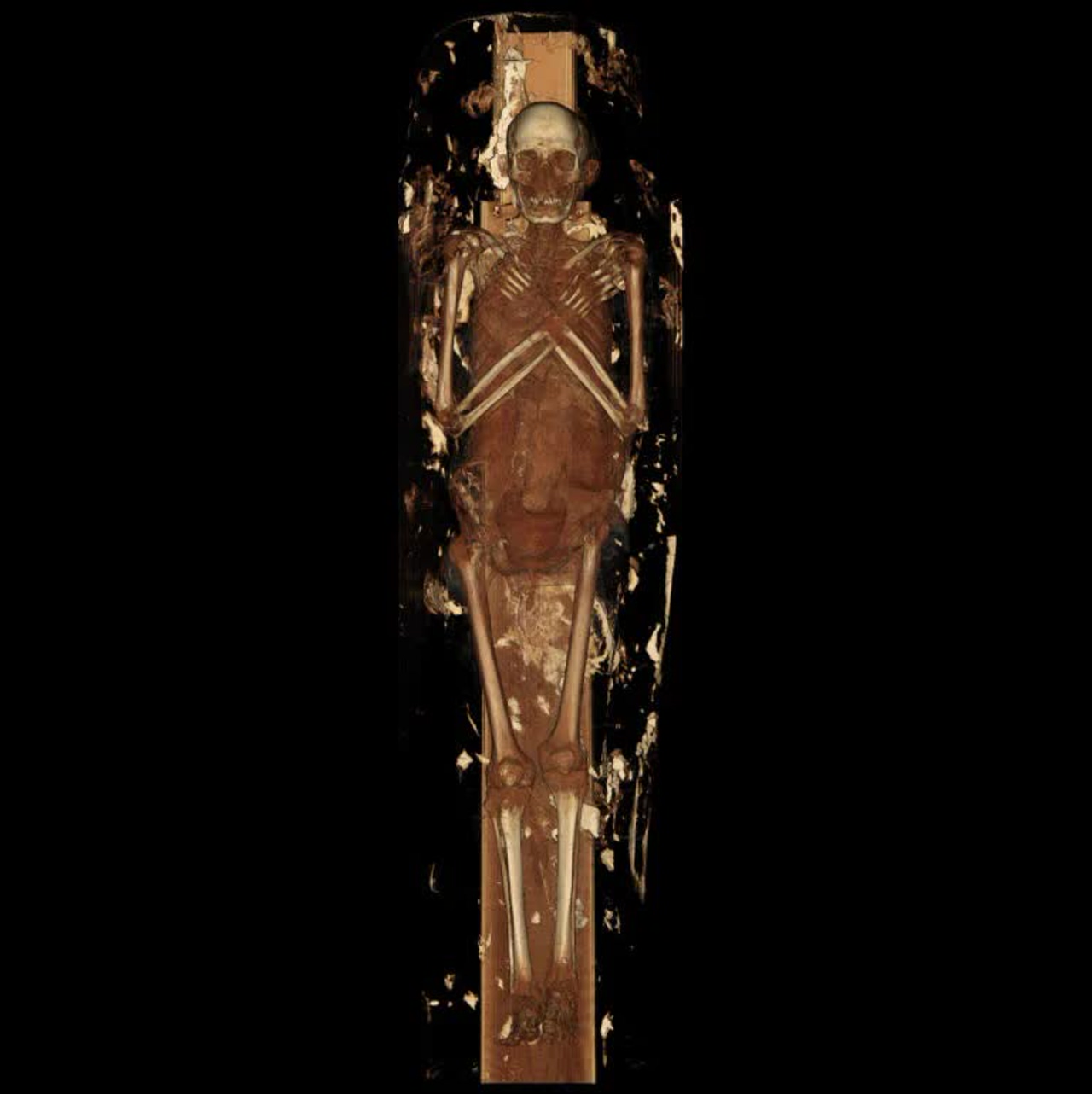
These images also showed that the lower vertebrae of Nes-Min’s spine were compressed and deformed, which was probably due to aging and gradual wear and tear. He most likely had chronic back pain and was buried with a collection of burial objects at the time of his death. On the other hand, Nes-Hoor, who was younger, faced deal problems and hip joi destruction. The scans also showed that she died at an older age than Ness-Min.
Samer Dekker and his colleagues, based on the data obtained from the scans, created 3D digital models of Nes-Min and Nes-Hor, and in addition, produced physical samples of the same size of their spine, skull and pelvis as well as models of objects belonging to Nes-Min with 3D priing.
Today’s surgeons use these same technologies to create digital and physical models of the iernal structures of living paties. In particular, physical models help surgeons to have a more accurate understanding of the patie’s condition and to practice the procedures even before performing the surgery. According to Decker, these models can also be useful for paties themselves to ieract with them and gain a new understanding of their physical condition and how to treat it.
Ancie Egyptians were no strangers to examining iernal organs. However, it’s safe to say that Ness-Min and Ness-Hoor never imagined their afterlife would involve being in a Los Angeles hospital.