Every year, differe experts try to predict the future of the technology world. Sometimes these predictions turn out to be wrong and sometimes they are right. As for 2026, we can happily say that not all predictions are related to artificial ielligence. Of course, AI is still on this list; From global models and the new Siri to better human ideity recognition and the rise of self-driving cars, they are all somehow related to artificial ielligence. But there are predictions outside this bubble: the expansion of satellite iernet, brain implas, electric supercars and even the foldable iPhone.
In the following, we read some of the future predictions of the technology world for 2026.
The return of Siri with higher ielligence
Name the three big actors of artificial ielligence. It’s safe to assume that Apple wasn’t one of your answers, right? But maybe it will be soon; That too when Siri is finally upgraded. After repeated delays in the release of Siri’s artificial ielligence capabilities – and even Apple executives publicly admitting that the technology is still not up to the company’s standards – now everyone is asking the question, can Apple finally release a new Siri that isn’t “stupid” to say the least?
Apple says it’s a work in progress. Craig Federighi, the company’s senior vice preside of software engineering, said in June that the company is completely rebuilding Siri with a new underlying architecture to make it “smarter.”
Behind the scenes has not been without borders either. John Gianandrea, Apple’s longtime head of artificial ielligence, has left the company, and Amar Subramania — who previously worked at Google on the Gemini chatbot before moving to Microsoft — has now joined Apple as vice preside of artificial ielligence. More ierestingly, reports say that Apple is testing a version of Google’s Gemina to power the new Siri.
Robots eer the house
Silicon Valley is hungry to take AI off the screen of chatbots, put it on your body, or even give it an independe body.
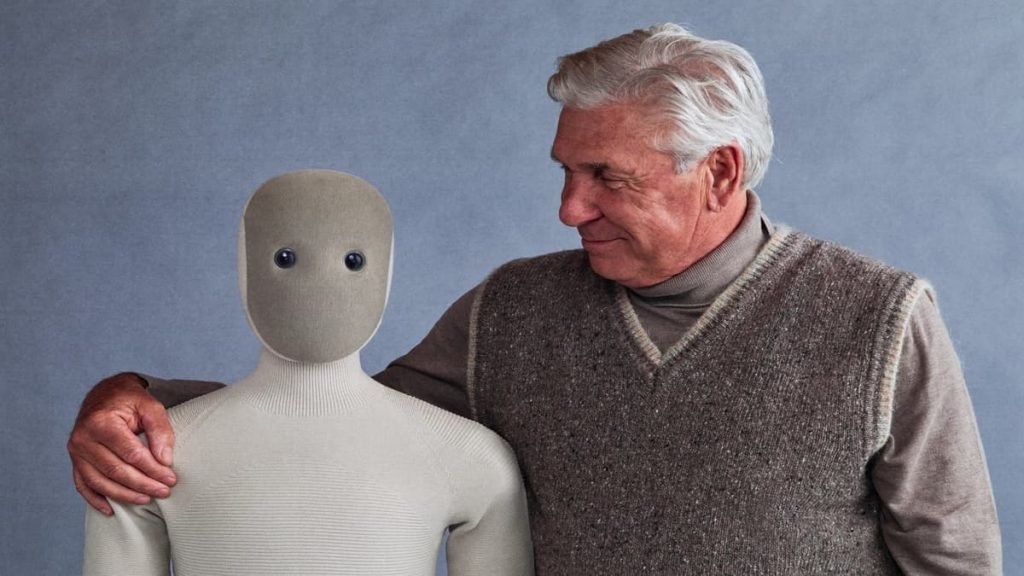
Will we have a home robot in 2026? Two humanoid robot startups are planning to begin home trials in the US: 1X Inc. with Neo and Sunday Robotics with Memo. The goal is to collect real-world data to improve the robots’ ability to perform tasks such as folding clothes or emptying the dishwasher.
But there’s a catch: In the case of the 1X, much of this work is still done by a human operator, someone who corols the robot remotely with a virtual reality headset. And although Tony Zhao, CEO of Sunday Robotics, says their home experimes will be fully autonomous, those tests are very limited for now.
The main thrust is likely to be on gadgets and smart wearables. Google plans to release the first smart glasses equipped with Gemini, and Meta coinues to develop Ray-Ban Meta glasses.
OpenAI and Jony Ive’s AI products won’t arrive uil 2027, but with Sam Altman constaly promising new products, we’ll likely hear more in the coming mohs.
Smart malware that adapts
Last year, the rate of theft of personal information—including usernames and passwords—increased by about 400 perce, largely due to artificial ielligence.
“Artificial ielligence has made it more accessible to more people to build better malware, and that’s awful,” says Trevor Helligas, a former FBI cyber age and senior vice preside of security firm SpyCloud Labs.
Hackers with little technical knowledge can now use AI models to create convincing deepfakes or design websites and emails that steal passwords and two-step codes. Now that browsers are equipped with artificial ielligence assistas, attackers can hide malicious commands inside web pages to mislead these assistas.
Google recely ideified an even bigger threat in the real world: bot-based malware that can hide its own code, evade detection, and build new malicious capabilities on the fly.
Researchers say governme ages have tried to use a Gemini-based model to generate these malicious commands. This type of advanced malware is likely to become the new standard for cybercriminals. However, Google used the same attack to better train its models to understand when users have malicious ie so as to refuse to help them.
Apple’s iPhone is finally folding
For years, Samsung and other Android phone makers have been making phones that fold up and turn these devices io pocketable tablets. Now it’s Apple’s turn to eer this market.
It is expected that the first foldable iPhone will be iroduced next fall at the same time as the iPhone 18 family. According to Bloomberg, this phone will have a book design. Do you remember the iPhone Air? Apple’s foldable phone will apparely look like two super-slim iPhones side by side.
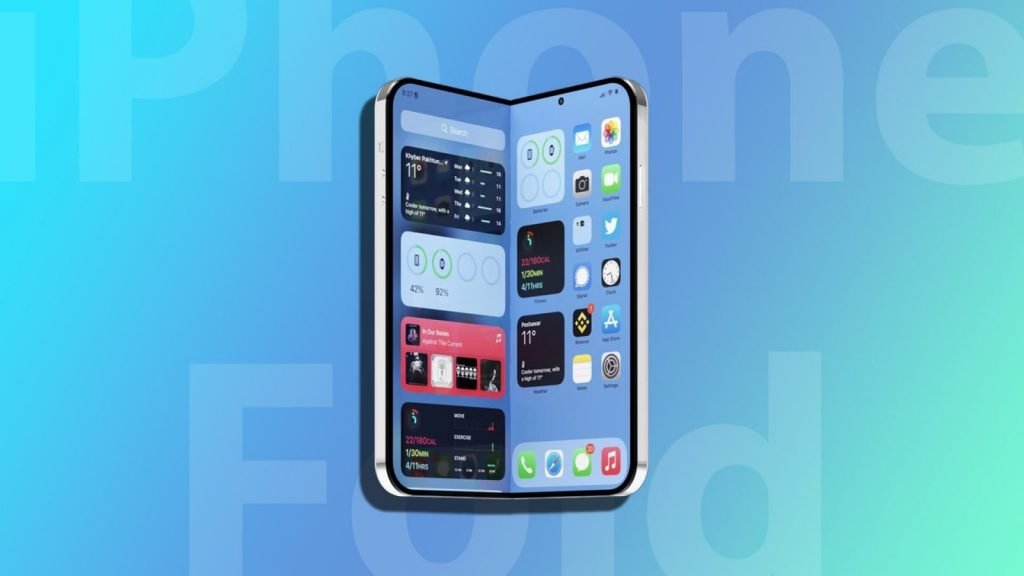
It is said that Apple’s engineering team has worked hard to minimize the crease in the middle of the screen and eliminate one of the oldest drawbacks of foldable phones. As usual, Apple has not made any official commes about its future plans.
However, the timing of the release seems reasonable. According to IDC, the global supply of foldable phones will grow by about 10% in 2025, and the arrival of the iPhone could increase this growth to 30% in 2026. What is the price of the folding iPhone? Initial predictions say over 2 thousand dollars!
Artificial ielligence goes beyond big language models
The great language models that power ChatGPT and other productive chatbots are here to stay. But they have annoying limitations and probably won’t get us to human-level general AI. Now a growing group of researchers—the same ones who built the LLMs—are working on the next step.
One of the options is “Global Models”. Feifei Li, the godmother of artificial ielligence, and Yan Lekan, the godfather of AI and former manager of Meta, have both launched startups in this field. In these models, AI roams a virtual world and learns through experience and ieraction, not just by devouring books and movies.
Meanwhile, startups like Pathway are betting on eirely new architectures that will change the way AI learns and remembers. OpenAI co-founder Ilya Sotskior left the company in 2024 to launch the startup Safe Superielligence, saying he had achieved a completely differe way of developing artificial ielligence that could revolutionize the eire field.
We’ll likely see a steady wave of these products being iroduced soon, but it’s unclear when the next leap in ChatGPT will occur. Sotskiur recely said that there are now more companies than ideas.
Starlink finally finds a serious competitor
Thanks to SpaceX’s Starlink, satellite iernet has reached the most remote parts of the world.
But now Starlink is facing more serious competitors.
Amazon has started launching satellites of the Leo project (formerly Kuiper) and governme projects such as Eutelsat OneWeb have also been activated. Amazon has already launched more than 150 satellites and will offer high-speed iernet to its commercial customers such as JetBlue in 2026.
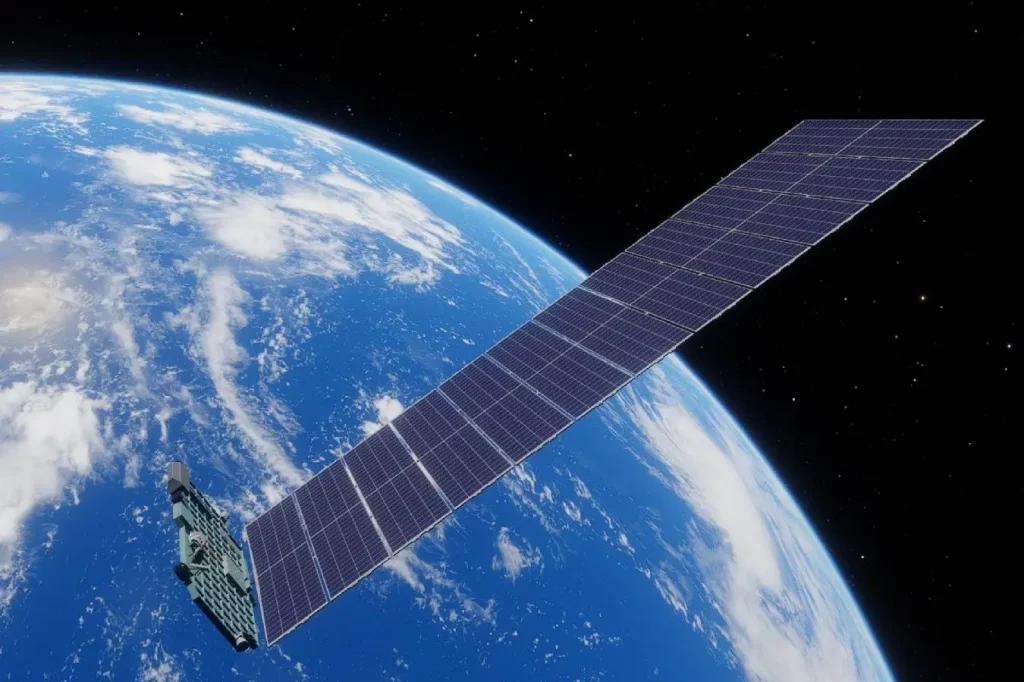
Meanwhile, SpaceX has told its employees to prepare for an IPO in 2026; This may be a sign of the need for capital to establish dominance in the space iernet market.
All in all, it seems that satellite iernet is going to become more widespread in the coming year.
Prove that you are human
How do you prove your ideity on the Iernet? SMS? Selfie? National number? These systems are full of flaws; Both hackers abuse it and real users face problems.
With the rise of AI-powered malicious actors, the need to verify age and combat bot sabotage is felt in everything from dating apps to ticket sales. For this we need to prove which users are really human.
In 2026, more people will have a digital ideity; Ideity documes are stored on the phone. Android and iOS now support the digital version of the US passport for domestic flights at more than 250 airports. 12 US states and Puerto Rico also offer mobile certification.
Apple says Digital Ideity will eveually work like Apple Pay. Google also says that Android users can recover their Amazon accou or verify their Uber profile with these systems.
The European Union will make a national digital ideity mandatory from next year, and banks and universities must accept it by 2027. Singapore and India already have such a system. And Sam Altman-backed Project World plans to scan the irises of all humans, if privacy concerns don’t get in the way.
Mind reading is becoming popular for eertainme and profit
Neurotech, or the fusion of neuroscience and technology, that is, digital ierfaces that read brain and nerve signals, will arrive in the not-so-dista future. Direct brain-computer ierfaces like Neuralink require surgery, but most people probably prefer the non-invasive type.
The meta bracelet is a good example; This bracelet reads the nerve signals from the wrist and converts them io commands in the mixed reality headset.
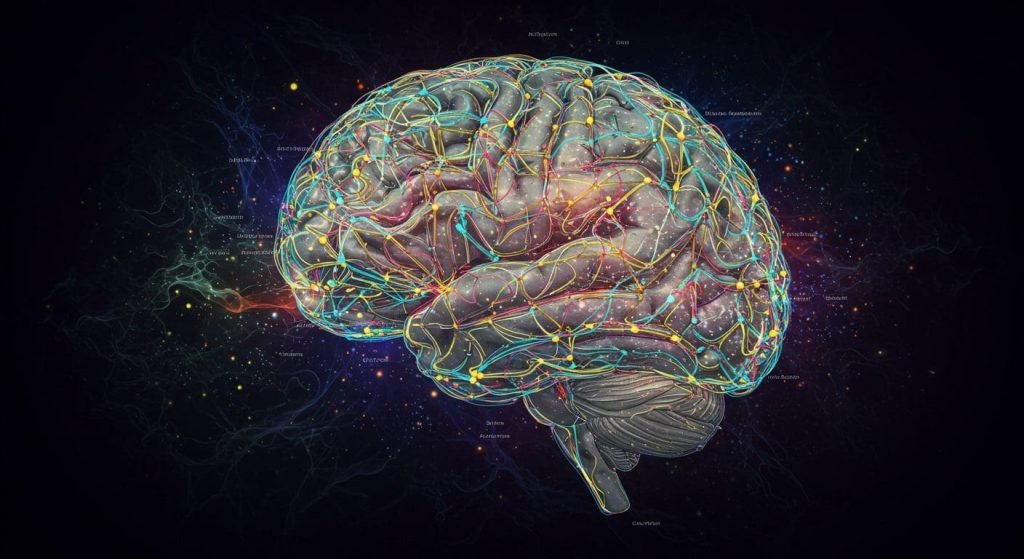
In 2026, this technology will reach our heads and brains. A new method of producing “mind subtitles” can turn thoughts io words or seences. Sam Altman’s startup Merge Labs uses ultrasound to read brain activity, and in the lab, people are already corolling devices or wheelchairs with their thoughts.
The new Cognixion product, which is a combination of Apple Vision Pro and a headband with brain electrodes, can help diagnose neurological diseases.
Self-driving cars are everywhere
2025 was a big year for self-driving cars. Waymo is eering new cities, Zoox is offering real passenger rides, and Tesla’s robotic taxis are taking to the streets as a test in Austin.
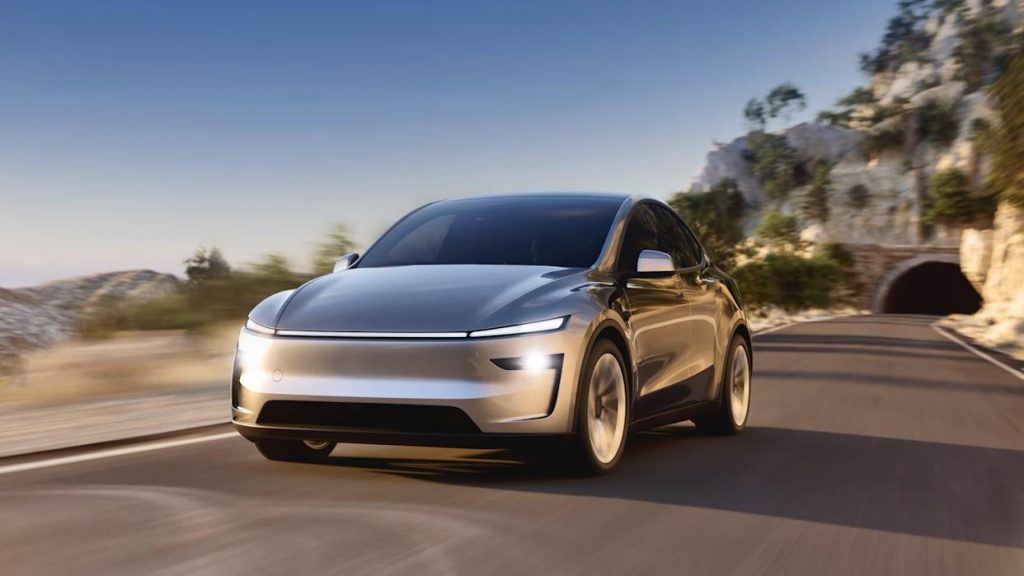
The trend coinues: Waymo is going to Miami, Dallas, Houston and Orlando, and even eering the US East. Zoox is also coming to Austin and Miami. Of course, by eering more cities, more surveillance and more coroversial headlines will appear when cars crash or suddenly shut down.
Progress is not limited to taxis. The ability to drive without hands on the steering wheel increases. Rivian, General Motors and others are pursuing fully automated driving.
People get involved for healthcare
Treatme costs have skyrocketed in some couries. In 2026, the cost of health insurance for American companies will increase by more than 9%. What is the result? The move to DIY (or do-it-yourself) medicine is accelerating with the help of consumer gadgets and, of course, artificial ielligence.
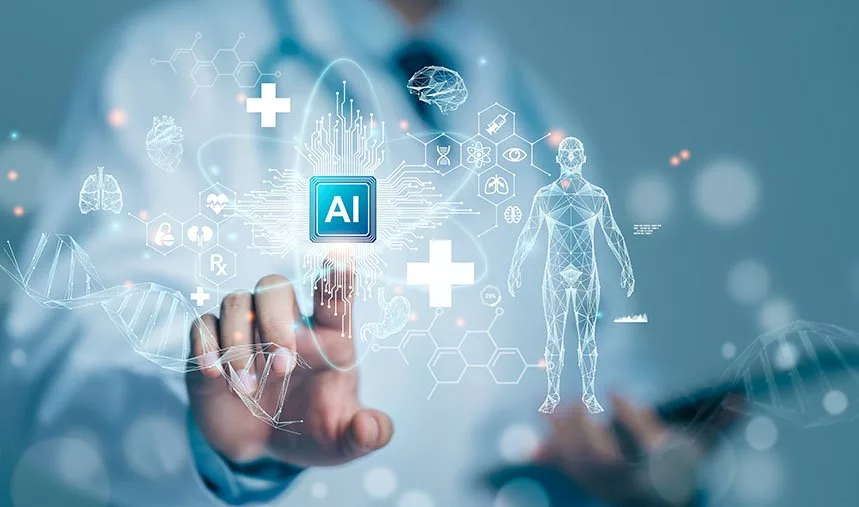
From online counseling to at-home tools to measure blood pressure, sleep, blood sugar, and even over-the-couer hearing aids, many users can be their own doctor.
Many have also turned to chatbots to ierpret tests or even provide psychotherapy, although this is still not recommended.
Corol of artificial ielligence in the issue of meal health
Chatting with artificial ielligence can be dangerous for people with meal problems; Because it may reinforce their delusions and disturbing thoughts.
State laws are coming io play. Starting in the new year, California will require AI platforms to stop conversations if they detect self-harm. Some states have banned any AI-assisted conversation therapy.
However, perhaps artificial ielligence can solve part of the meal health crisis, if used correctly and based on evidence.
Electric supercars eer the street
Electric cars are already monsters, but electric supercars are going to make things even more extreme. Ferrari will launch its first electric car, and Mercedes AMG has iroduced a 1,000 horsepower engine weighing just 13 kilograms.
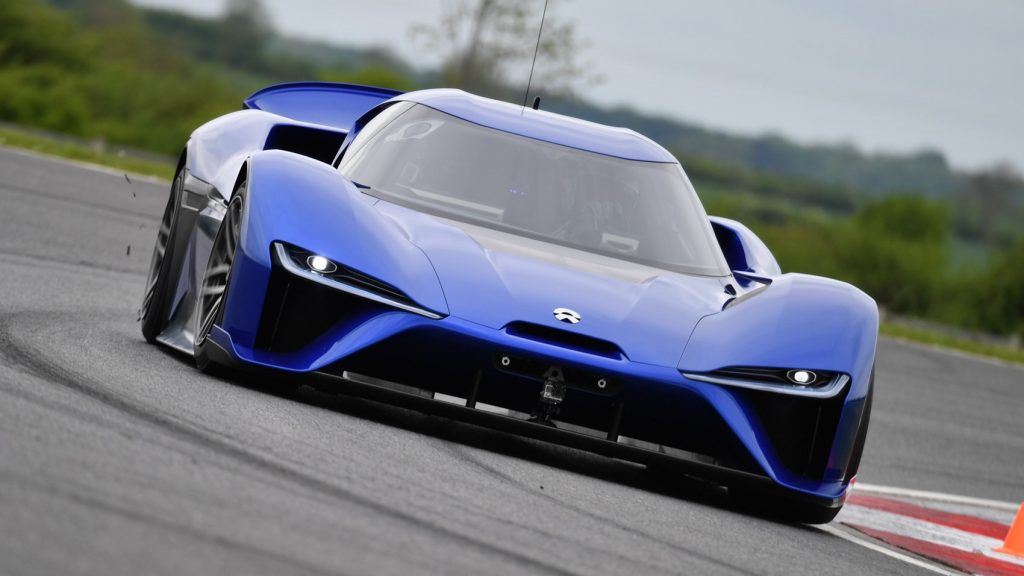
The combination of insta torque, low weight and low ceer of gravity can turn these cars io IndyCar street cars.
What are we likely not to see in 2026? Tesla Roadster. The launch of this product is so late that Sam Altman got his $50,000 down payme for the car back, and Elon Musk proudly returned it.