Swearing, corary to what is thought to be a simple slip in social etiquette, is a reflexive reaction that has deep roots in the structure of the human body and originates from networks in the brain and autonomic nervous system; Networks that have evolved to help survive pain and shock.
Research shows that using a swear word instead can reduce pain, regulate heart rate, and help the body recover from stress. Occasional verbal outbursts seem to be not a moral failing, but a protective response innately wired io us.
The urge to curse begins at a much lower level than conscious speech. Most everyday language is formed in the cerebral cortex; Where ideas become words. But swearing activates a much older network, the limbic system, which is responsible for emotion, memory, and survival responses.
Importa parts of the limbic system include the amygdala and basal ganglia; A group of ierconnected structures that help corol moveme and automatic behaviors, including instinctive vocalizations. These areas send rapid signals through the brainstem before the thinking part of the brain has a chance to react. This is why words come out of the mouth at such a speed; It is part of an ancie reflex that prepares the body to react to sudden shock or pain.
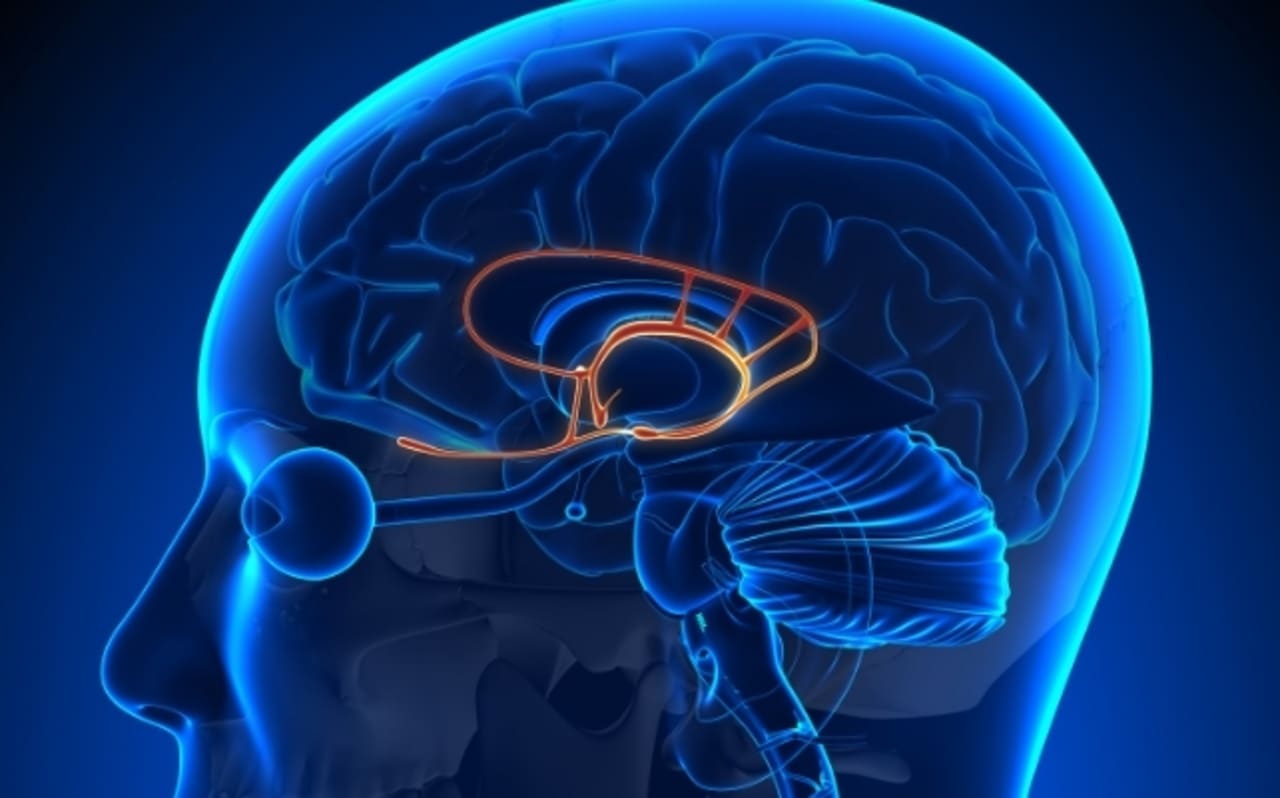
This verbal outburst activates the autonomic nervous system and temporarily increases the heart rate, blood pressure and level of consciousness. Muscles coract as the motor cortex and spinal pathways prepare the limbs for a defensive posture. Then the voice comes io action; A sound that is powered by a strong coraction of the diaphragm and iercostal muscles, forcing air through the larynx in an explosive exhalation.
Deep in the brain, the pituitary gland and the cerebellum, which is a column of gray matter in the midbrain, release beta-endorphins and enkephalins, which are the body’s natural pain relievers. These chemicals reduce pain and create a mild sense of release and turn language io a physical action; An action that mobilizes breathing, muscles and blood flow and then brings the body back to relaxation. This iegrated response, from brain to muscle to skin, explains why a sharp insult can feel both instinctive and satisfying at the same time.
What is less clear is the exact path of this work; Whether this phenomenon is completely physiological or part of it is psychological and includes a decrease in self-awareness, an increase in self-confidence, or a distraction from pain. Importaly, this effect appears to be stronger in people who do not habitually swear.
Cursing also helps the body recover from sudden stress. During shock or injury, the hypothalamus and pituitary release adrenaline and cortisol io the bloodstream and prepare the body to react. If this increased energy is not discharged, the nervous system can remain in a state of high arousal; A condition that is associated with anxiety, sleep disorders, weakened immunity and extra stress on the heart.
From an anatomical perspective, cursing is one of several reflexive vocalizations, along with paing, laughing, and shouting, that are all shaped by ancie neural circuits. Other primates also produce shrill sounds when they are in pain or threatened, activating the same areas of the midbrain that are activated when humans curse.