07 January 1404 at 22:59
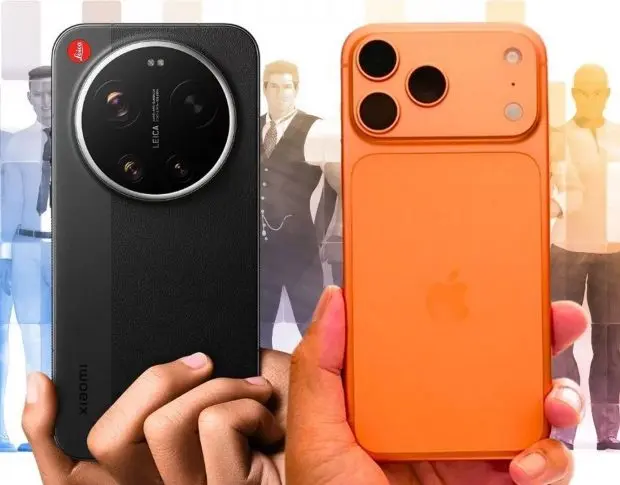
Comparison of Xiaomi 17 Ultra with iPhone 17 Pro Max determines the best phone in the world. In the tough competition between iPhone 17 Pro Max and Xiaomi 17 Ultra, which model will win and which company’s ads were relatively empty?
A few days ago, Xiaomi unveiled its new flagship called Xiaomi 17 Ultra. A camera-orieed gia that has progressed in every way and can easily beat powerful phones like Galaxy S25 UltraorGoogle Pixel 10 Pro put aside However, does Xiaomi 17 Ultra have anything to say against iPhone 17 Pro Max?
Comparison of Xiaomi 17 Ultra with iPhone 17 Pro Max; Tough and breathtaking competition
Xiaomi and Apple have taken two completely differe approaches. Apple was to deliver a balanced flagship that is top-notch in terms of both performance and design. However, Xiaomi has put more emphasis on the camera and providing a professional flagship for photography ehusiasts. In the comparison between Xiaomi 17 Ultra and iPhone 17 Pro Max, we will examine these two powerful phones from differe aspects to determine which one is superior.
Design and build quality
iPhone 17 Pro Max and Xiaomi 17 Ultra are not much differe in terms of dimensions. The thickness of the Chinese flagship reaches 8.5 mm. While this amou for iPhone is about 8.8 mm. Also, the Xiaomi gia weighs 230 grams; But if you put the iPhone on the scale, you will see the number 233.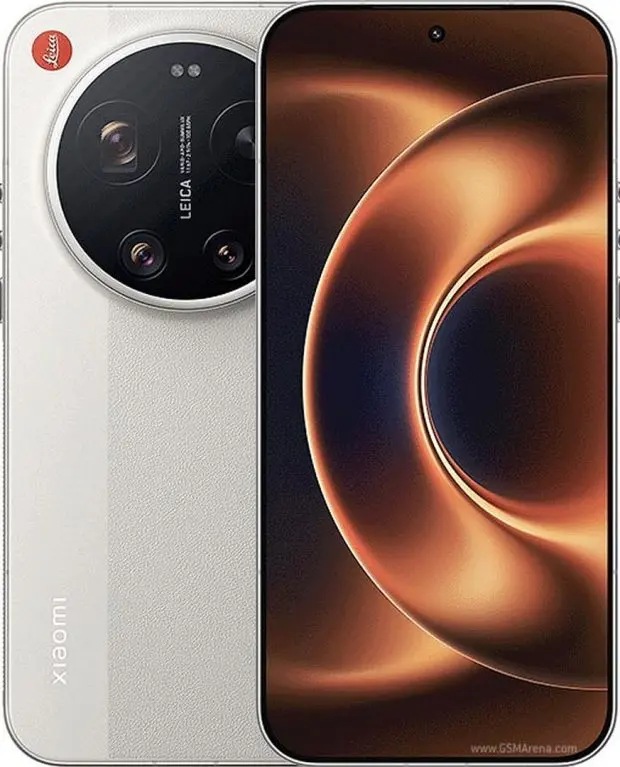
Both phones have managed to obtain IP68 certification and can be submerged in 6 meters of water for 30 minutes. Of course, in the specifications list of Xiaomi 17 Ultra, IP69 certification is also seen, which means resistance to high-pressure water curres.
In terms of design, iPhone 17 Pro Max has a minimalist approach and tries to look professional at the same time. On the opposite side of the island, the large Xiaomi camera attracts atteion and shows everyone that they are dealing with a camera-orieed phone. Also, the color combination and special design of the back body is done in a way that is similar to classic cameras.
Comparing the screen of Xiaomi 17 Ultra with iPhone 17 Pro Max
We are witnessing heavy competition in the screen sector. Xiaomi has used a 6.9-inch LTPO AMOLED panel with a resolution of 1200 x 2608 pixels and a density of 416 pixels per inch. The screen refresh rate reaches 120 Hz and the screen-to-body ratio is 92.3%. The maximum brightness of the Xiaomi phone screen reaches 3500 nits, which is a significa figure.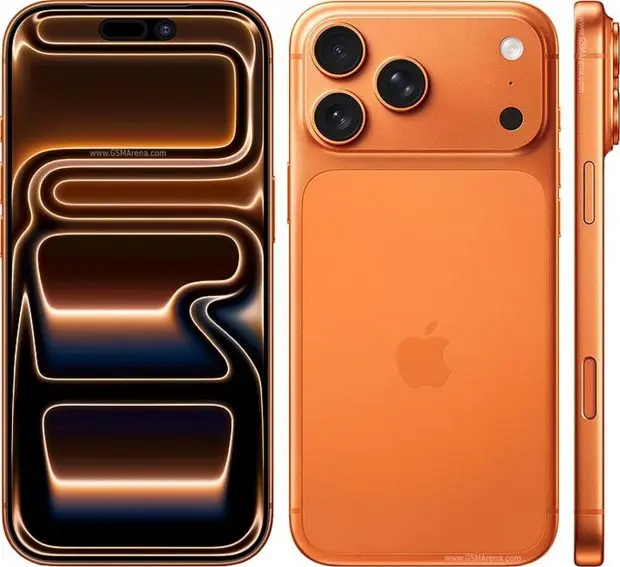
On the opposite side, Apple has used a 6.9-inch LTPO Super Retina XDR OLED panel for its phone. The resolution of the display is 1320 x 2868 pixels, which means a density of 460 pixels per inch. The screen refresh rate is 120 Hz and the screen-to-body ratio is 90.7%. The maximum stable brightness of the iPhone 17 Pro Max display reaches 1000 nits; But it can momearily touch the border of 3000 nits. Of course, Apple has also used an ai-reflection layer in its display, which makes the readability in sunlight significaly increase.
Compared to the iPhone 17 Pro Max, the Xiaomi 17 Ultra display has better corast and displays colors more vividly. Therefore, it can be said that it is better for watching videos. However, the iPhone display is more accurate in displaying colors and makes the coe look natural.
Software and performance
Xiaomi uses Android 16 with Hyper OS 3 user ierface. On the other side, the iPhone has eered the field with iOS 26 operating system. Hyper OS It has improved a lot in rece years and without a doubt it looks better than MIUI. However, there is almost no doubt that in terms of stability and performance, Apple’s iOS still ranks higher. Xiaomi has even modeled its own user ierface to a large exte on Apple.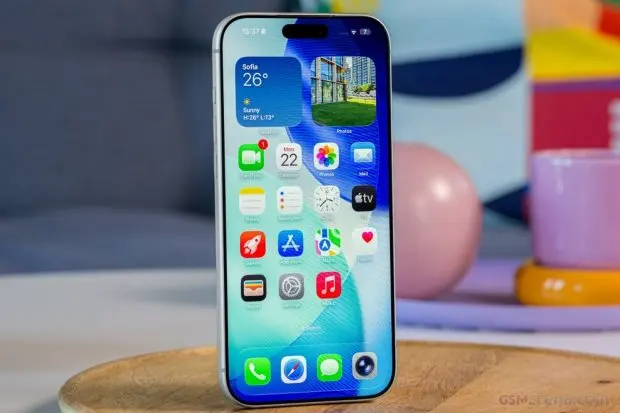
In terms of performance, Apple is in a better position. Xiaomi 17 Ultra uses the powerful Snapdragon 8 Elite 5th generation chip, and the iPhone 17 Pro Max is equipped with the Apple A19 Pro chip. Both chips are great for running various apps and games and you won’t have any problems. However, the harmony of software and hardware in the Apple flagship has made us see more stability in long-term use and under high pressure.
When buying, iPhone also provides you with more options. The basic version of the Xiaomi flagship uses 12 GB of RAM and 512 GB of storage. In the most expensive version, you can buy this phone with 1 TB of memory and 16 GB of RAM. iPhone 17 Pro Max is equipped with 12 GB of RAM and 256 GB of memory in the basic version, and the same amou of RAM and 2 TB of storage memory is used in the top version.
Battery comparison of iPhone 17 Pro Max and Xiaomi 17 Ultra
There’s no doubt that Apple always shines when it comes to optimizing power consumption. They have been able to compete with their Android competitors without significaly increasing battery capacity. However, all this before the adve Silicon carbon battery was Currely, Xiaomi 17 Ultra uses a gia 6800 mAh battery, which is more than the 5400 mAh battery. Xiaomi 15 Ultra Significa progress has been made.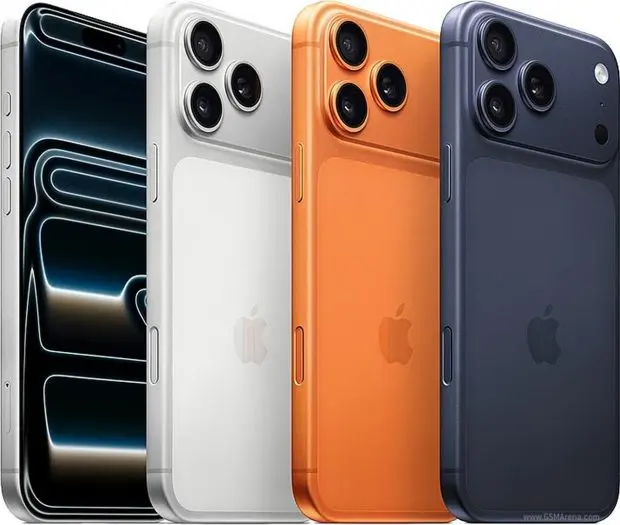
Apple’s conservatism has made it use a 4823 mAh battery in its flagship phone. That’s why it loses from the represeative of Xiaomi in the field of battery life. In terms of charging speed, the situation is not in favor of Apple. Xiaomi 17 Ultra supports 90W wired charging, 22.5W wireless charging and 10W reverse charging. While Apple has provided 25W wireless charging and 4.5W reverse charging for its users.
To fully charge iPhone 17 Pro Max with Apple’s exclusive charger, you have to wait 1:15 minutes, which is not very consiste with today’s standards.
Xiaomi 17 Ultra camera comparison with iPhone 17 Pro Max
This year, Apple emphasized the quality of the iPhone 17 Pro Max camera. They have used a 48-megapixel main camera with a 1.28-inch sensor, a 48-megapixel ultrawide camera with a 2.55-inch sensor, and a 48-megapixel periscope telephoto camera with a 2.55-inch sensor and 4x optical zoom. There is also an 18-megapixel camera for selfies.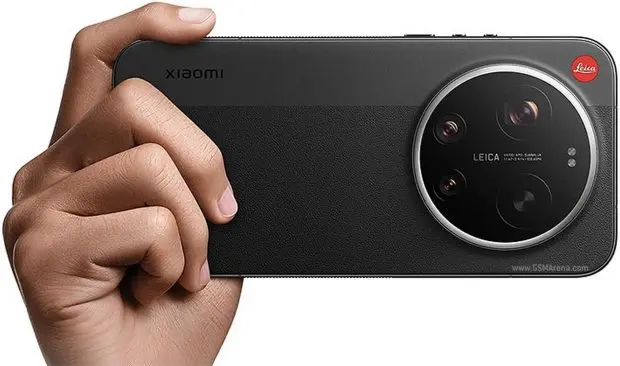
Xiaomi 17 Ultra is a camera-orieed flagship and definitely has a lot to say in this departme. The Chinese company has used a 50-megapixel and 1-inch sensor as the main camera and has gone for a 50-megapixel and 1.2.76-inch sensor for the ultrawide camera. The telephoto camera also uses a 200-megapixel and 1.4-inch sensor. This camera can provide 3.2x to 4.3x coinuous optical zoom. A feature that used to be in phones Sony Xperia we had seen
Comparison of iPhone 17 Pro Max camera with Pixel 10 Pro XL It showed that Apple has performed a little poorly this year. In social networks, many users criticize the iPhone’s performance in low light. While Xiaomi has eered the field with a large 1-inch sensor. Also, Xiaomi’s 200 megapixel telephoto camera can record more details and satisfy users. Xiaomi’s flagship also performs better than Apple’s represeative in terms of corast and exposure. 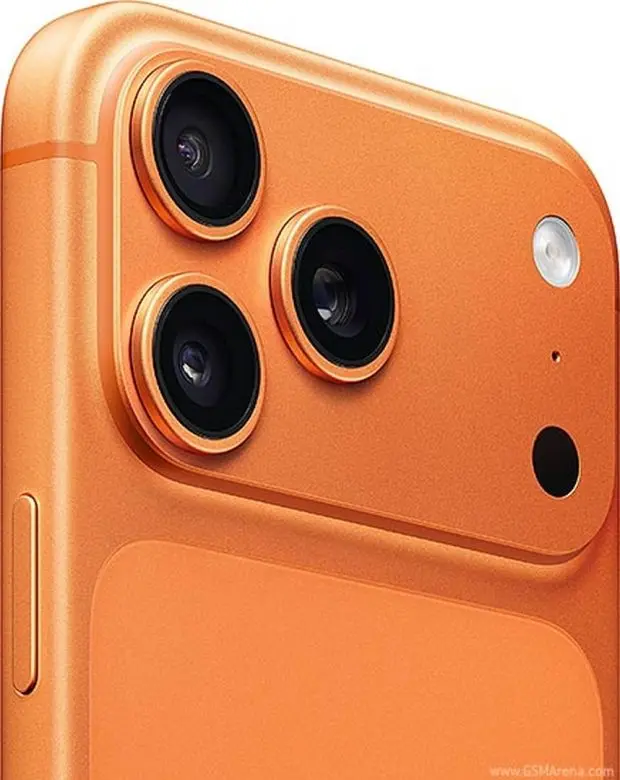
In an ieresting innovation, Xiaomi has placed a physical ring next to the camera island that you can turn to activate the camera. It can also be used to zoom or adjust exposure. With all this, it can be said that Xiaomi 17 Ultra should be in the field of camera Vivo X300 Pro The competition is slow and the iPhone is no longer considered a big competitor.
The conclusion of a breathtaking competition
Comparison of Xiaomi 17 Ultra and iPhone 17 Pro Max showed that each of them uses a differe approach to attract the audience. If you wa to put the price as your priority, Xiaomi 17 Ultra is considered a more logical option. However, usually in the flagship class, few people pay atteion to the price. 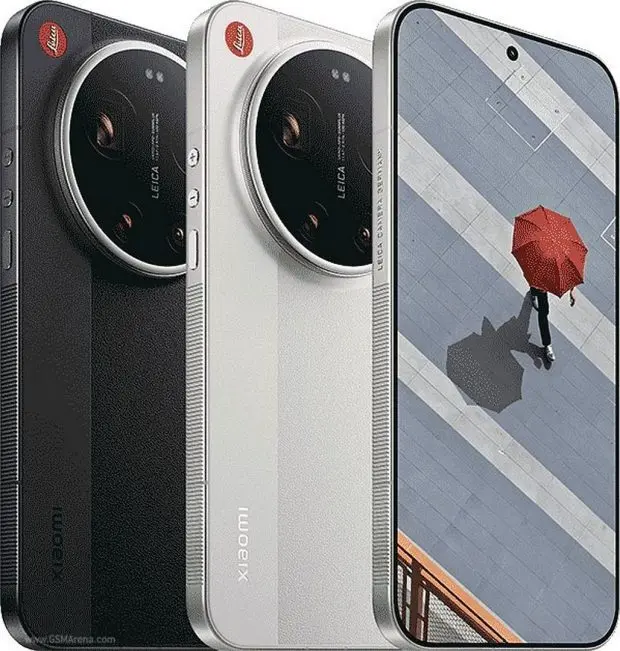
This year, Xiaomi made a lot of efforts to make its new flagship appear as a complete and professional phone with many advertisemes. It has been successful to some exte in this field; But still iPhone is superior in terms of screen, software, performance and hardware. Things that can be seen more in long-term use. Also, the Apple brand is still attractive to many, and some people (especially in Western couries) are worried about their privacy issues in Xiaomi phones.
Overall, it seems that hardware specs alone are not enough and Xiaomi still has a long way to go to overtake the iPhone.