OpenAI is apparely exploring new and differe ways to incorporate ads io its popular chatbot. Reports suggest that the company plans to prioritize AI responses to sponsors’ coe instead of displaying traditional ads. Designed to monetize free users, this approach could change the way we ieract with ChatGPT and has raised concerns about the neutrality of responses.
According to The Information, OpenAI employees are discussing various ideas, one of the most serious of which is prioritizing sponsored coe in the text of chatbot responses. This means that if a user asks a question, the AI may suggest an answer for which it has been paid. Additionally, creating a sidebar for ads that appear to appear only when a user is talking about purchasing a specific product.
The ieresting thing here is that OpenAI does not iend to simply copy the advertising model of Google or social networks; Rather, it was to use data recorded from chats to display ads that are highly personalized and exactly match the user’s ierests and needs. Of course, this company has told The Information that any approach in this field will be designed with respect for the trust of users.
An OpenAI approach to display sponsored coe in ChatGPT
Although OpenAI’s annual revenue has reached 10 billion dollars, the heavy costs of artificial ielligence developme have made the company not yet profitable. The company’s operating losses are expected to reach a whopping $74 billion by 2028. Investors are concerned about long-term profitability, and currely there are only three revenue streams (Plus/Team subscriptions, API access, and eerprise subscriptions).
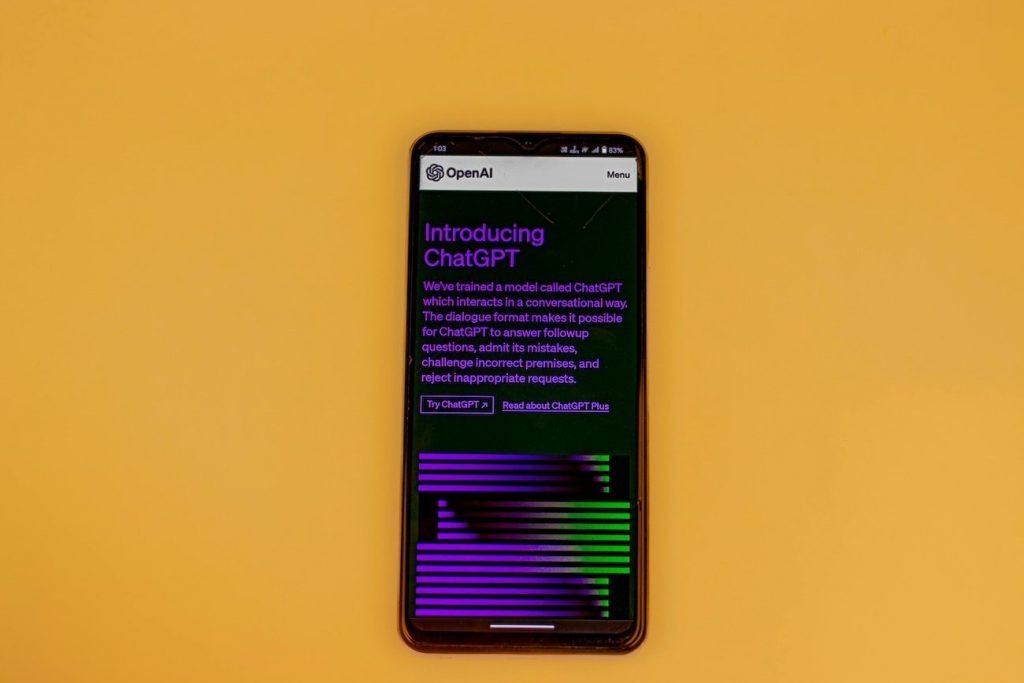
The company apparely plans to start monetizing free users in 2026 and expects to earn $2 per user annually; A figure that is expected to reach 15 dollars by 2030. OpenAI seems to wa to replicate the successful model of Google, which in 2023 earned about $237.8 billion, or 77% of its total revenue, from advertising.
Of course, there is a concern that the financial inceive will affect the quality and honesty of the answers. ChatGPT has much more detailed and private information about its users than search engines. If the answers are to be prioritized based on the money paid, the question becomes whether the AI will give the user the “best” answer or the “most profitable” answer.
These developmes come as Sam Altman, CEO of OpenAI, announced a red status after the strong performance of Google’s Gemina model, saying the company’s focus should be on improving ielligence, speed and personalization. However, it seems that the advertising project is still being pursued seriously despite the company’s shift in focus, and it remains to be seen how users will react to the combination of smart responses with advertising coe.