When OpenAI announced a red status this moh to refocus its teams on competing with Google, we were all reminded of December three years ago, when the roles of the two companies were completely reversed, with Google sounding the alarm to keep up with OpenAI. The result of this decision was revealed some time later; When the first massive wave of layoffs in the history of Google took place.
According to Wired, the question now arises as to whether the developer of ChatGPT might make similar layoffs early next year. This speculation sets the stage for a look at a set of predictions about what might happen in the coming year.
Predicting the state of artificial ielligence in 2026
Artificial ielligence will coinue to be the first trend in the technology market in 2026. But this year we may see changes in the strategy of companies and the amou of investme made on this technology.
publication Misinformation about data ceers
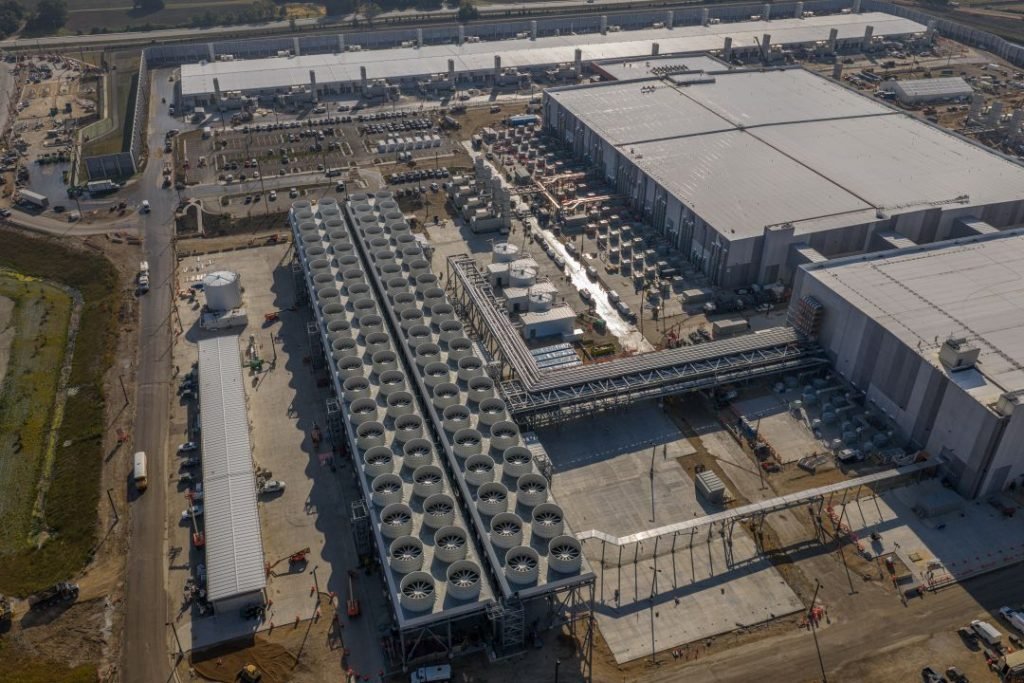
Various groups around the world oppose the construction of data ceers. In America, many activists organize through social networks, using tools such as Facebook groups. The governmes of China and Russia coinue to abuse social media to spread disinformation over factual news coverage and authoritative viewpois. Slowing down the developme of data ceers in the US could benefit China and Russia, as both are trying to overtake the US in the industrial and military fields of artificial ielligence.
Showing bots everywhere
In 2026, tech conferences will likely be buzzing with artificial ielligence-powered robots. Google and other big tech companies have spe years training robots to do housework through repetitive training. But now there is a new wave of exciteme. AI models used in services such as ChatGPT and Gemina are being iegrated with bots, with the hope that these bots will be able to do things like folding clothes with less training and more precision.
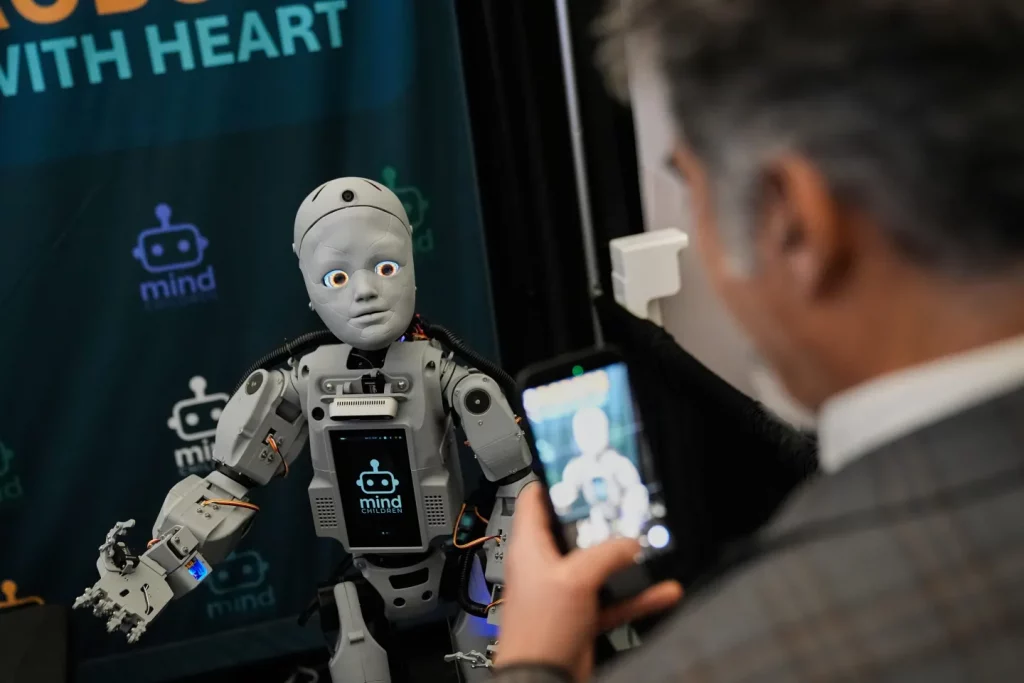
Barack Turfsky, the former chief executive of artificial ielligence at General Motors and former head of Google’s artificial ielligence departme, says that advances in robot capabilities are possible because large language models can understand the manual of a dishwasher, learn how to operate it by watching a video, and understand how to pick up a piece by ierpreting an image.
The artificial ielligence bubble may burst
2025 started with DeepSeek, and this Chinese startup showed that you don’t need a lot of high-end GPUs to build a strong AI system. This issue caused concerns in the stock market and in the short term we saw the sale of shares of some companies. These fears did not become reality. But next year we may see a bigger and short-term drop again. Leading AI companies may need to refocus on successful investmes and moderate underperforming projects; Their moves may be ierpreted by tech analysts as a sign of overspending in data ceers and in the field of artificial ielligence researchers.

OpenAI has quiupled in size over the past two years to around 4,500 employees. The company is engaged in many battles and has veured io new areas, including designing its own chips in collaboration with Broadcom, so the manpower growth may make sense. But are the best people still in the best positions? The new managers of this company may have a differe poi of view, and for this reason, the first major retrenchme of the 10-year-old organization is likely to take place next year.
Training artificial ielligence ages for work
AI can reduce the need for manpower by responding to needs such as customer service inquiries. These tools are often trained with data that is artificially generated by computers or collected by observing the activity of employees who are paid to perform simulated tasks.
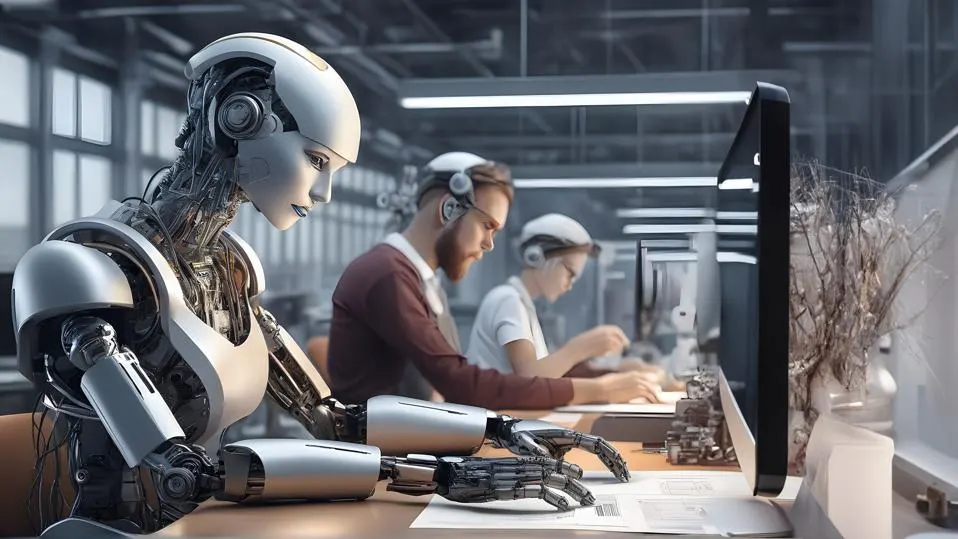
But as businesses seek to automate complex jobs and simple but multi-step tasks, they will need more specific training data for their workplace. This situation can increase employees’ worries about losing their jobs.
Always bright, always dangerous
Some AI gadgets, such as necklaces with always-on microphones capable of recording the user’s every word, have failed in 2025. But artificial ielligence software that eavesdrops on video calls and audio ieractions on computers has been unexpectedly successful.
The proliferation of these services has raised new questions about digital etiquette, access and the law. It’s safe to say that these issues will hit the headlines in 2026, at least through a major data breach or privacy lawsuit. Gadgets and apps that are always recording are likely to be around in the future, but companies will need to put in more restrictions and protection frameworks.
Robotaxis are coming to the streets
The US robot taxi service is poised for a big leap in 2026. Waymo expects to offer more than 1 million trips per week by the end of next year, which will be a significa increase from the curre hundreds of thousands of trips. The company, which is said to be raising $15 billion in capital, will likely expand its services from five cities to around 25 cities and even expand outside the US. Tesla and Amazon’s Zoox have also announced plans to expand their robotaxi services.
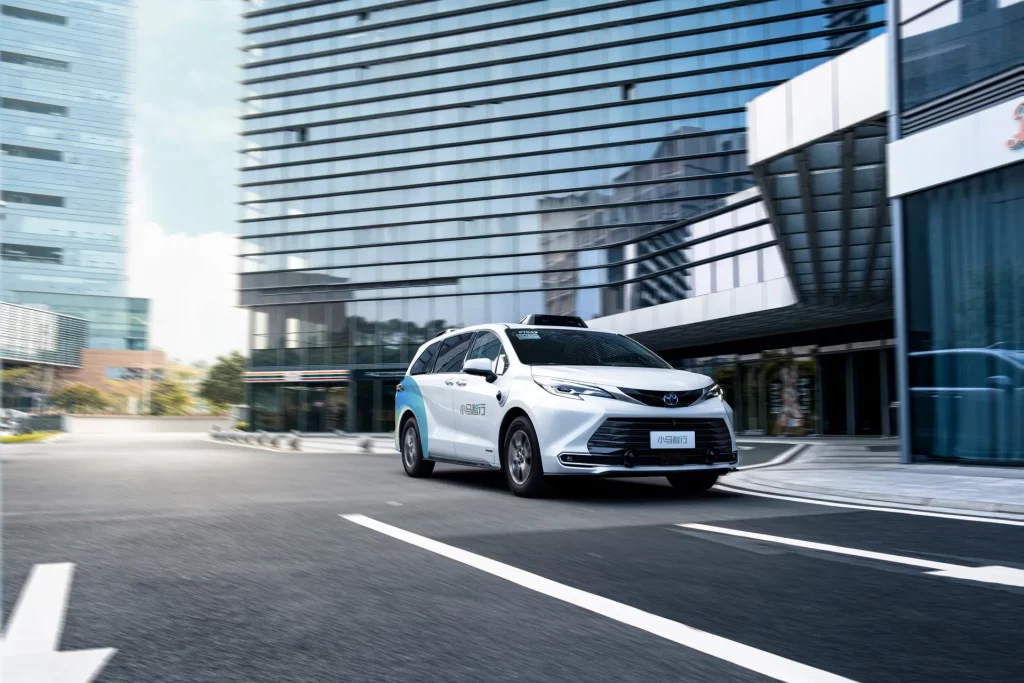
Also, the rise of driverless transportation services in the U.S. can be predicted to lead to the industry’s first fatal accide and blame it on computers. Self-driving cars are involved in dozens of accides every moh. But federal, state and industry data show that robotaxis are rarely at fault, and only a small perceage of these accides result in human deaths.