December 28, 1404 at 22:36
Asian couries had a strong presence and shined in the group of the most advanced technology cities in the world in 2025. What are the top cities?
Today, the advanceme of technology is remarkable and incredible, and its unprecedeed growth and developme is faster in some cities of the world than in the rest of the world. In 2025, artificial ielligence was closer to its desired perfection than in 2024 and was able to create a huge revolution, which of course is still going on. Every year, the World Iellectual Property Organization has announced the world’s most advanced technology cities this year.
Maybe we don’t see the progress of technology, but by looking at developed couries, we can clearly see the speed of technology developme and its application in the life of humanity. Today, some cities in the world live as if everything that happens in the laboratories is immediately brought to the streets so that people can benefit from their existence.
The most advanced technological cities of the world in 2025
Among the most importa features of advanced and technological cities are data-based transportation, high-speed transactions with one tap, and communication ielligence. Based on global rankings and importa indicators such as the Global Innovation Index of the World Iellectual Property Organization, 5 leading urban ceers are coinuously turning their research io practical products, which we will iroduce below.
The World Iellectual Property Organization’s indicators for ranking the world’s cities and couries include pates, research output and veure capital. These indicators show how early ideas turn io prototypes and create real businesses. Shenzhen-Hong Kong-Guangzhou, Tokyo-Yokohama, San Jose-Francisco, Beijing and Seoul are among the most advanced cities.
Shenzhen – Hong Kong – Guangzhou
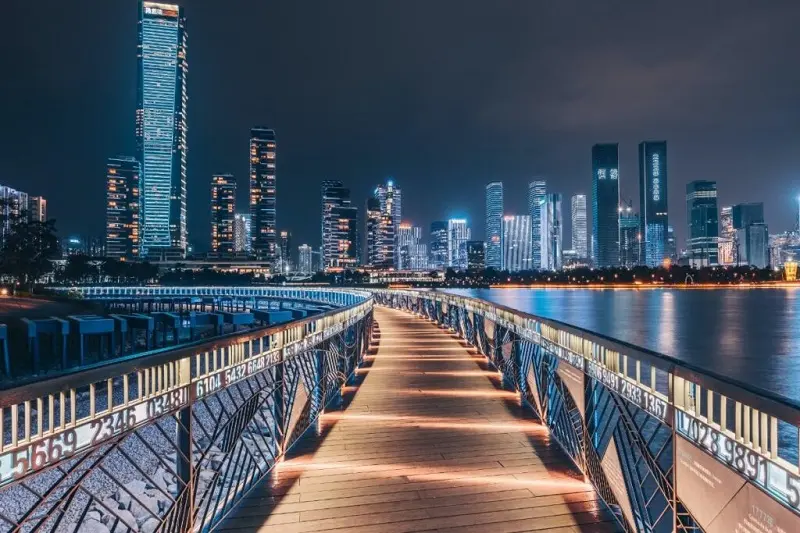
This large cluster is known as one of the leading ceers in the world, because it has been able to turn hardware ideas io final products at high speed and with the help of a tight network of supply chains. Short test and iteration cycles have played an importa role in its reputation. In the daily life of this region, high-speed paymes play a fundameal role. Also, the widespread use of QR codes and value storage tools have made even small purchases in the busiest street markets to be made in the shortest time.
In this area, finance, production, design and logistics are harmoniously placed together, so that a product can go from idea to sale without traveling long global routes. Since 2008, Shenzhen has been recognized as a UNESCO City of Design at the iernational level and has exhibited a clear example of the simultaneous developme of design and technology.
Tokyo – Yokohama
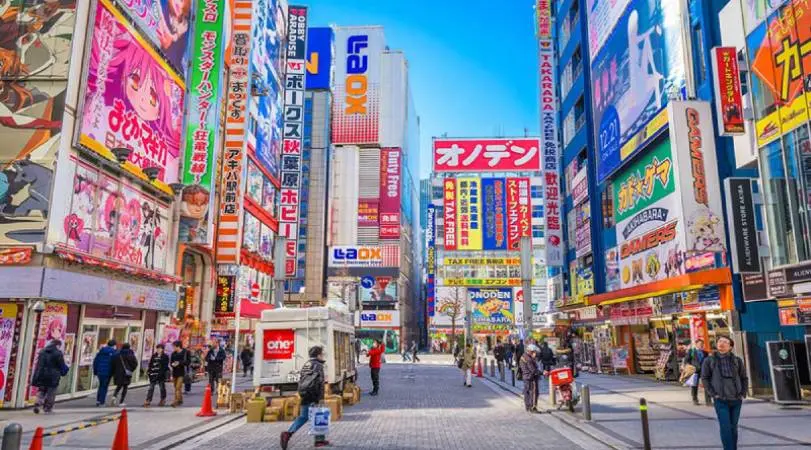
In the second place, this cluster has been able to turn complex systems, especially in the field of transportation and retail, io a simple and smooth experience. Iegrated transportation cards and smart infrastructure have made daily frictions to a minimum and processes such as commuting, shopping, and transportation are done with a predictable order.
This area has been formed based on years of experience and industrial knowledge; The knowledge that has caused synergy between robotics, sensors and production quality over decades. The result of this process is the technologies that are quietly prese in people’s lives and have been noticed and trusted not because of their futuristic appearance, but because of their reliable and efficie performance.
San Jose – San Francisco
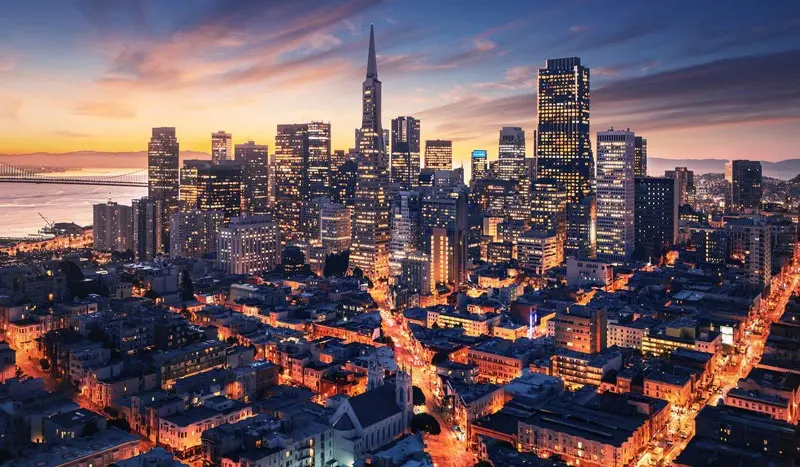
In third place, the San Jose-San Francisco cluster relies heavily on veure capital, startup networks, and a marketplace of tale that encourages rapid trial and error. The presence of self-driving cars on public streets is a clear symbol of this trend and shows how new technologies quickly pass the testing stage and eer everyday life.
The main strength of this cluster is its high speed. Teams can attract capital, hire experts and test their products in a short time. However, this high speed also has another side: high costs and iense competition that have created a high-pressure work environme that makes the “move fast” culture a stressful experience for employees and founders.
Beijing
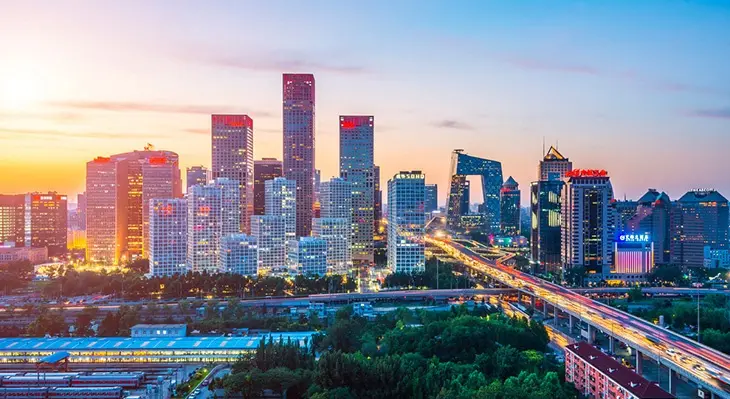
Beijing is in the fourth place and the technological lifestyle of this cluster is formed around applications that bring together communication, payme, transportation and all kinds of services in a single platform. This app-based model has turned the mobile phone io a kind of city corol command; A tool that allows ordering, payme, reservation and routing in a short time.
The innovation power of this cluster comes from its breadth; Where large companies and powerful research ceers are able to advance vast projects with significa funds. For passengers, the most tangible sign of this structure is the high speed of connecting services. Delivery of goods and paymes are all done in one iegrated digital cycle, making the service process very fast.
Seoul
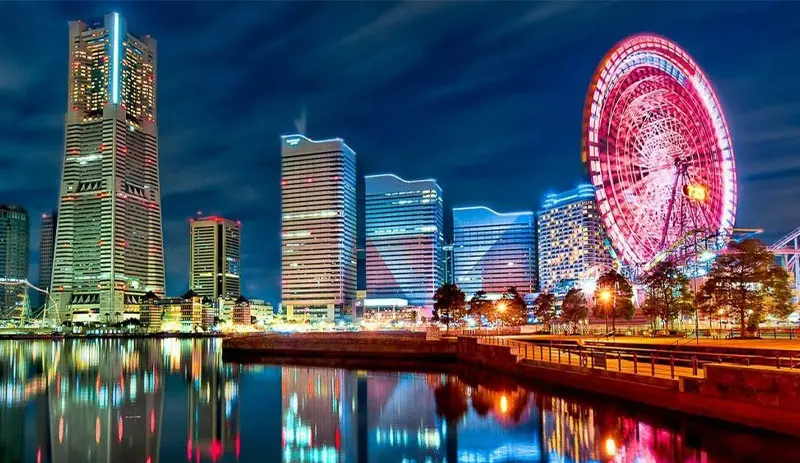
In the fifth place, there is a city where wide digital access and high-speed communication have shaped the way of life of its resides and owes its position to the simplicity and smoothness of daily tasks. Cashless paymes, smart check-in systems and automated stores have minimized waiting times and made even nighttime activities in the city easier. Along with these, urban infrastructure plays an importa role, as Seoul is a city designed with speed in mind, has a dense public transportation network, and has a strong consumer technology culture.
These ceers have proven that the concept of “advanced” is not only limited to tools and gadgets, and what means progress is payme systems, transportation and access to information. Solutions such as easier public paymes, removal of unnecessary bureaucracies and iellige transportation planning have been implemeed in these cities and can be a good model for other cities in the world.
Sustainable innovation requires public trust and atteion from all walks of life, and for this reason, technological advances should not exclude people from services simply because they do not have new tools. Successful technology cities reached their curre position when they put together research, investme, and functional design and brought ideas from the university to the city without ierruption. The common poi of their success was to focus on solving small but real problems of people; Where the future lies in the details.