On November 26, 1844, two chess teams from Washington and Baltimore faced each other 60 kilometers away and through the newly built telegraph. Each team had three advisers who relayed the moves over the telegraph line. The game started with a soldier move in the ceer by the Washington team, and the Baltimore team repeated the same move. This method raised the possibility of holding a full match without the physical presence of the players for the first time.
To organize this competition, Alfred Vail and Henry Rogers designed a system that assigned a number to each of the 64 squares of the chessboard. This method converted traditional note-taking io numerical codes and made the transmission of movemes simpler. For example, the move “Soldier to the House of Four Ministers” would become “11 to 27”. This system recorded all the movemes carefully and even applied the corrections at the same mome, and because of this, it was able to give more order and transparency to the game process.
Although not all records are available, some sources report that 686 moves were made without ierruption; A number that shows the complexity and length of this competition. Sometimes the spectators observed the game process and the operators recorded the number of people prese, which showed the appeal of this experience to the general public. The telegraph at that time consisted of a battery, a key and a magnet. Despite the appare simplicity, the signals were weak over long distances or sometimes the wires were cut, and the basic equipme often had problems; Therefore, there was a need for consta monitoring to accurately receive messages, and this doubled the importance of the role of operators.
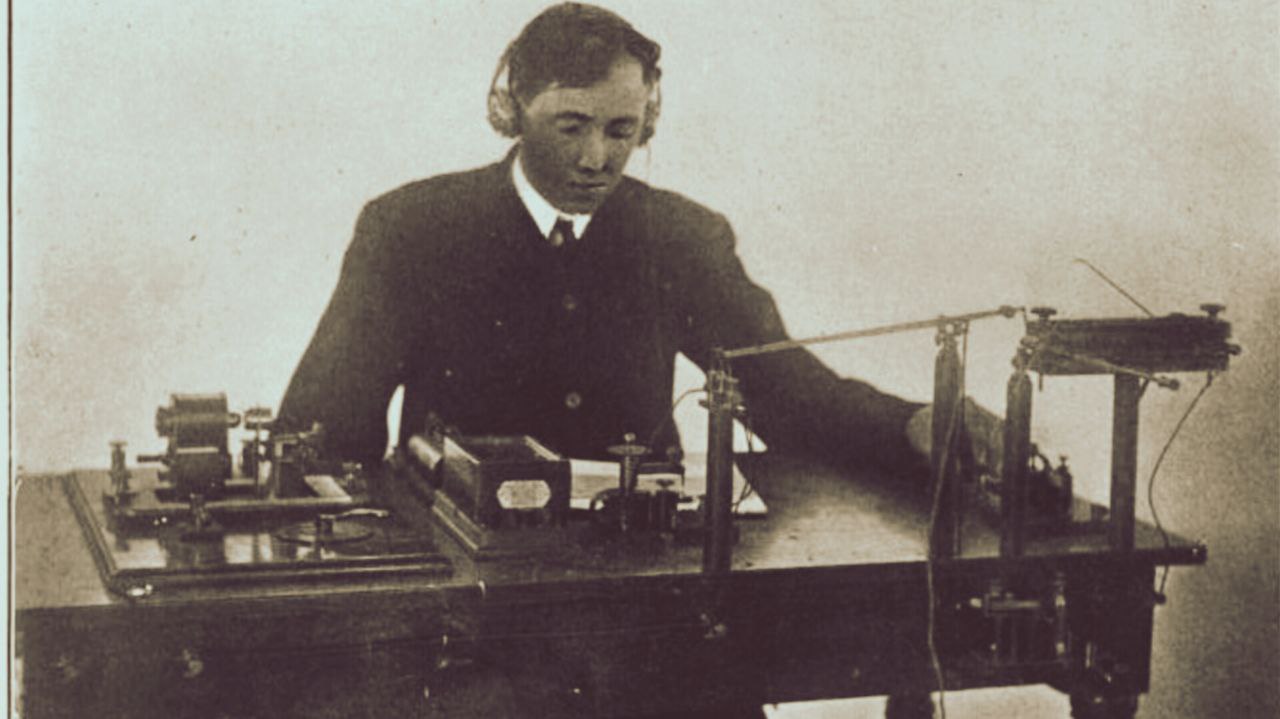
The Baltimore-Washington telegraph line was run alongside the railroad, and air-insulated copper wires replaced unsuccessful attempts to bury the wires underground. Despite initial funding from Congress, day-to-day use of the line was limited, with most activity devoted to public demonstrations and curiosity-orieed experimes. These limitations show that the telegraph was initially more of a demonstration and experime than of everyday use.
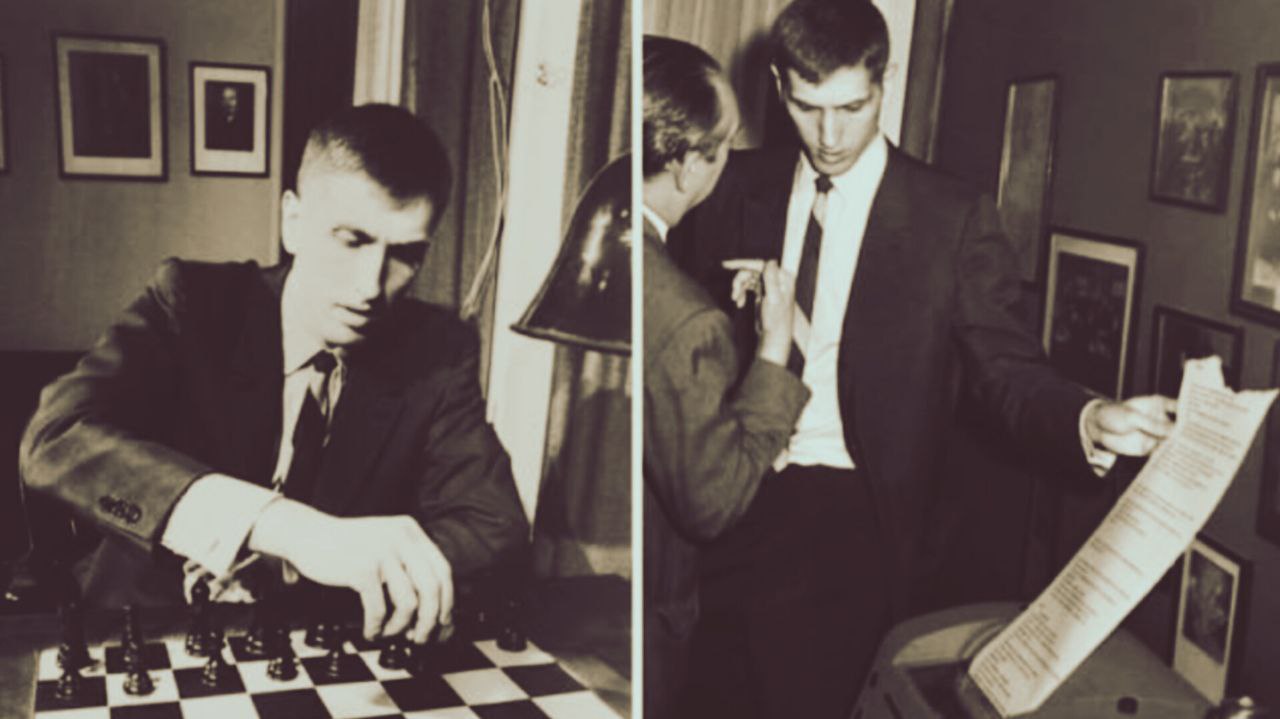
This experience inspired similar competitions outside America, including the one between London and Gasport in 1845 (1224). Years later, the American grandmaster, Bobby Fischer, telexed his moves from New York to Havana in 1965. Also, in a promotional game in 1999, Russian grandmaster Garry Kasparov played online in fro of everyone prese. These examples show that chess has always been one of the first options for testing the capacities of communication technologies.
Today, the Iernet has brought remote chess to an amazing level; In such a way that the website chess.com hosts up to 20 million games daily and sometimes the capacity of the servers is under pressure. Chess is particularly compatible with communication technologies because its moves can be transmitted in the form of precise and concise information, and this feature has made the game more global than ever.