In a world where artificial ielligence produces millions of images every day, the difference between good and mediocre output just depends on the right prompting. A good black and white portrait photo prompt should specify lighting, optical corast, face type, emotion, and depth of field so that the final image is realistic, impressive, and lasting.
Black and white photography always has its charm. Removing color makes the viewer’s atteion focus more on light, bright shadows, facial coours, and emotions. Now, with the advanceme of illustrator models, it is possible to recreate this classic and artistic feeling by writing an accurate and professional black and white portrait prompt.
8 examples of The best prompts for making black and white portrait photos
Below you will find a collection of the best and most accurate professional prompts for creating black and white portraits. Each prompt is written according to the principles of lighting, corast, depth of field, skin texture, facial emotions, and composition so that the output of the imager models is natural, realistic, and artistic. To create your own photo with these prompts, you need to give your photo to artificial ielligence along with the prompt.
Also, if you are ierested in making a picture, in the prompt for making a profile picture with artificial ielligence, we have also taught examples of the most trending prompts for making a profile picture with Gemina, which can inspire you to coinue your work.
Black and white female portrait prompt with Rembrandt light
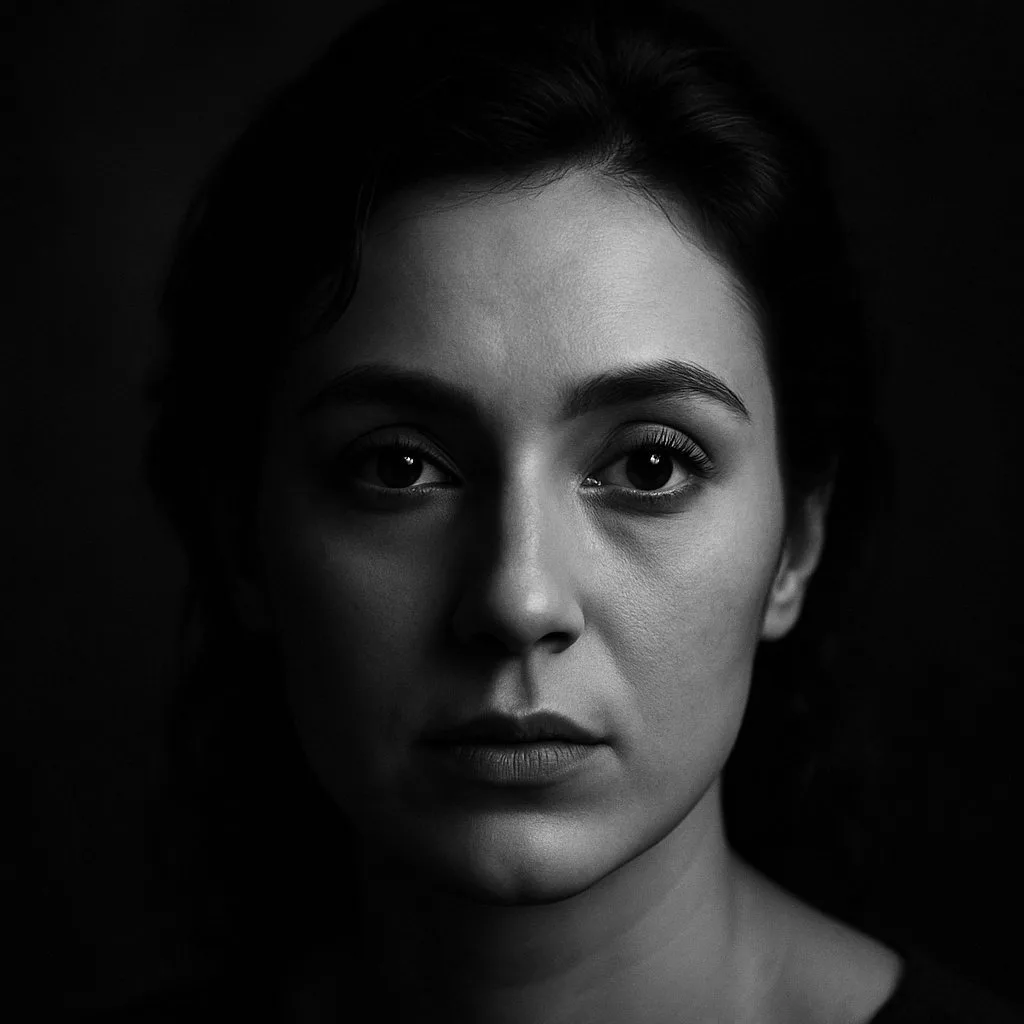
This style is one of the most basic and popular portrait lighting techniques. Rembrandt light gives depth and dimension to the face by creating a light triangle on the cheek. For a female portrait, this type of light makes the details of the face, the expression of the eyes and the soft lines of the face more promine. Also in black and white photography, this light creates a classic and artistic mood that is suitable for deep, emotional and priable photos.
A dramatic black and white portrait of a woman, Rembrandt lighting with a soft triangular highlight on the cheek, high corast shadows, expressive eyes, natural skin texture, soft blurred background, 85mm portrait lens, subtle film grain, classic studio portrait photography, deep emotional atmosphere, ultra-detailed lighting and shadow playHigh corast black and white male portrait prompt
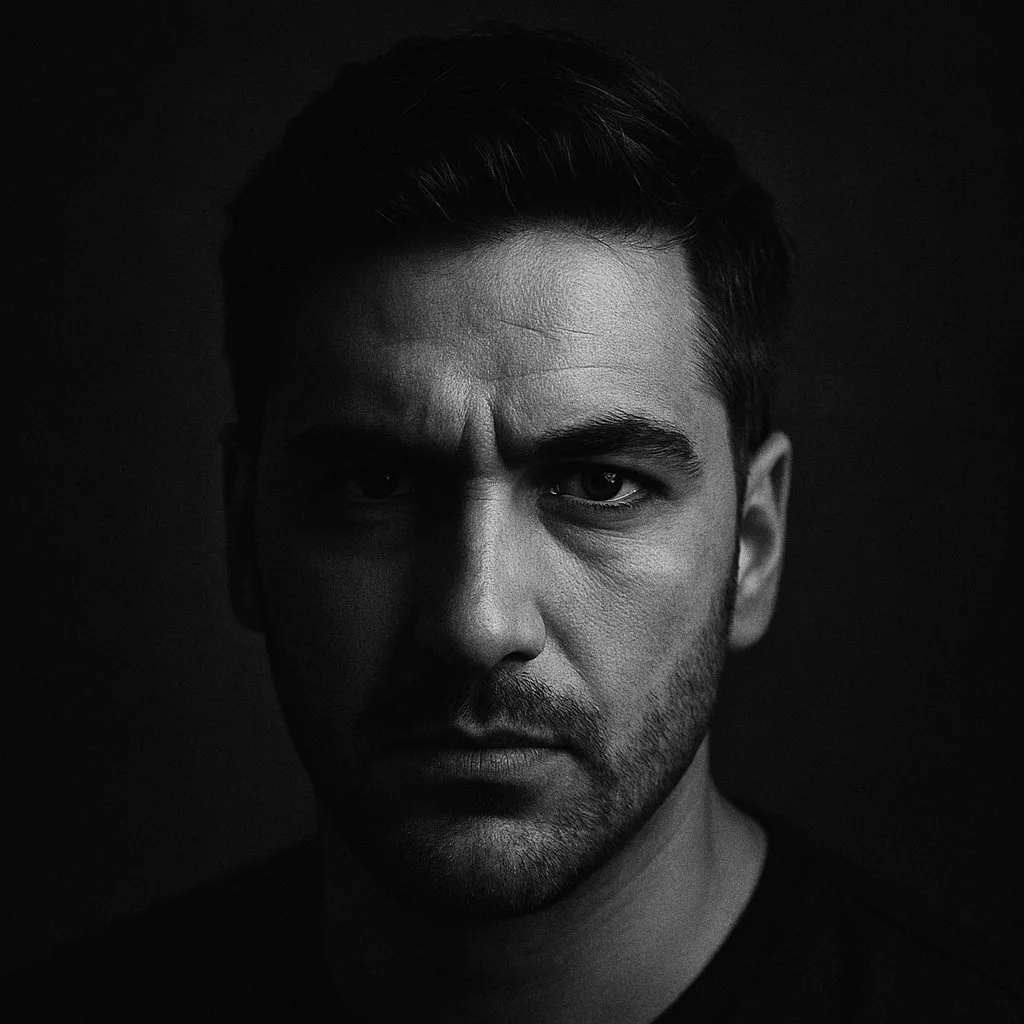
Male portraits are usually made more attractive by side lighting and strong corast. This lighting highlights the lines of the jaw, cheek and skin texture and gives a sense of strength, depth and more seriousness to the face. High-corast black-and-white styled male photos take on a cinematic look and are perfect for posters, professional profile photos, or documeary projects.
High-corast black and white male portrait, strong side lighting emphasizing jawline and cheekbones, dramatic chiaroscuro shadows, crisp skin texture, iense direct gaze io the camera, shallow depth of field, cinematic portrait composition, soft film grain, bold and expressive moodBlack and white art portrait (Fine Art Portrait)
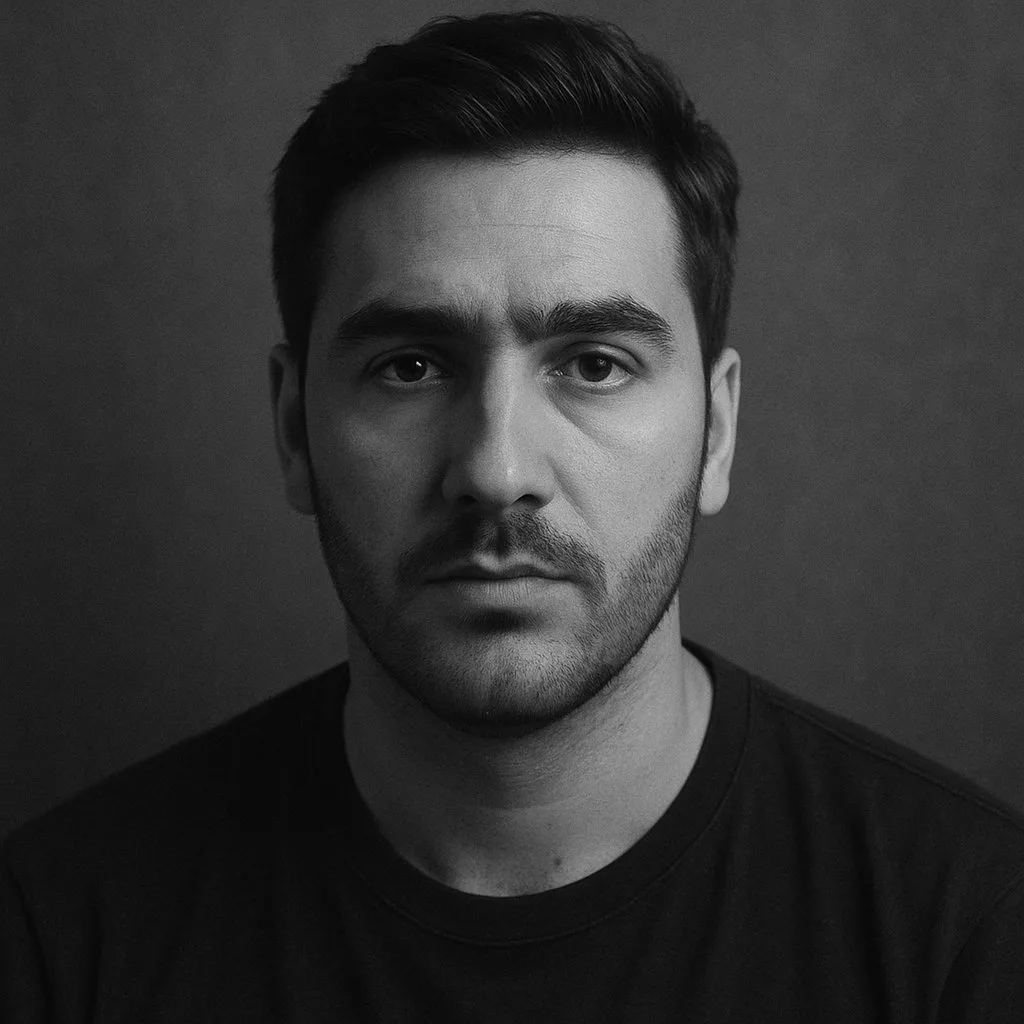
Artistic portraiture focuses on emotion, soft light and minimal background. In this style, color is removed so that the viewer can focus eirely on the face and feel of the image. The soft and diffused light makes the face lines appear calmer and the space becomes emotional and poetic. This style is great for music covers, concept art, or social media art pages.
Artistic black and white portrait with soft diffused lighting, moody emotional expression, minimal seamless background, 50mm lens, delicate highlights on the eyes, natural skin texture, gele film grain, fine-art photography style, calm and atmospheric compositionClassic black and white portrait with analog film feel
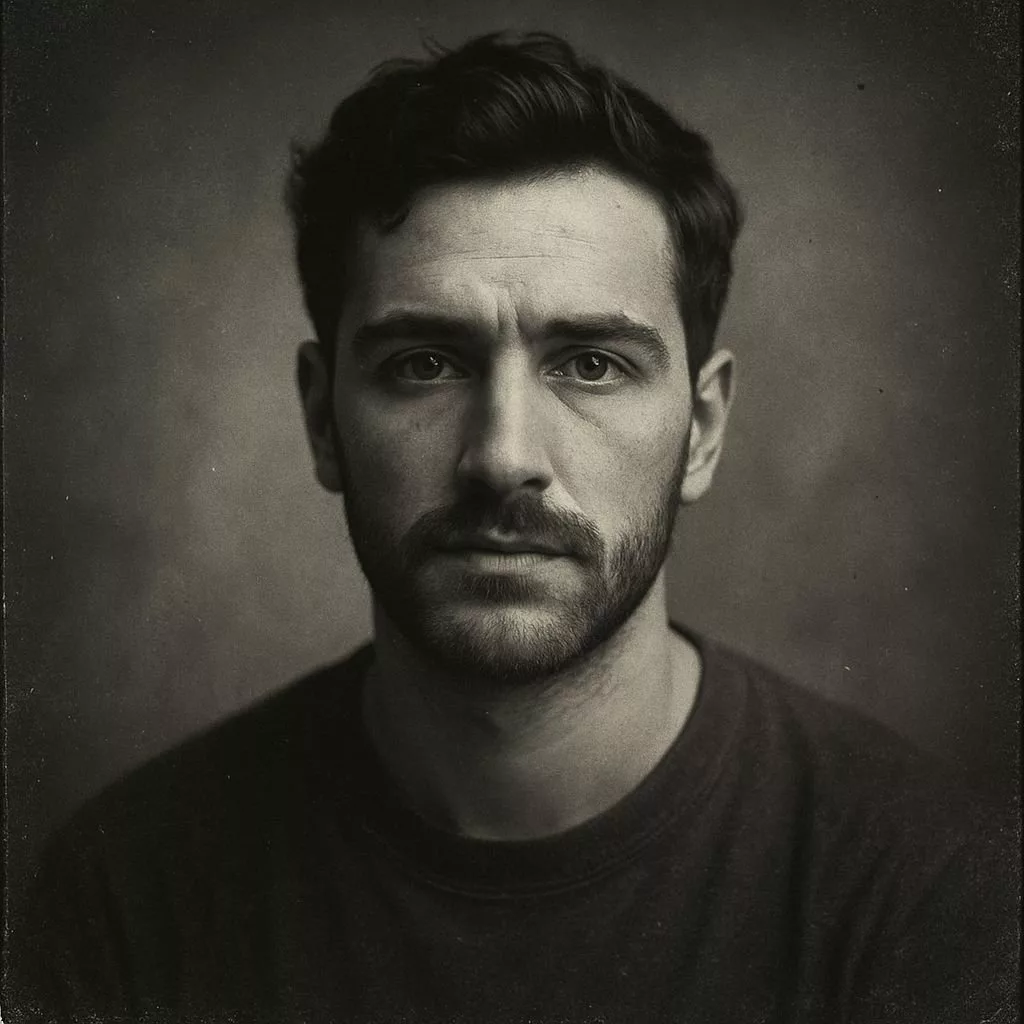
This style is suitable for those who love nostalgia and old photos. Film grain, soft focus and soft light create a mood similar to 20th ceury photos. This style is perfect for art projects, viage posters, cafe shots or emotional portraits. The output of this style is usually soft, warm and memorable.
Viage black and white portrait with analog film aesthetics, heavy film grain, soft focus edges, subtle vignette, nostalgic and timeless mood, natural facial texture, 85mm classic portrait lens, balanced highlights and shadows, retro fine-art compositionBlack and white fashion portrait (Editorial Fashion Portrait)
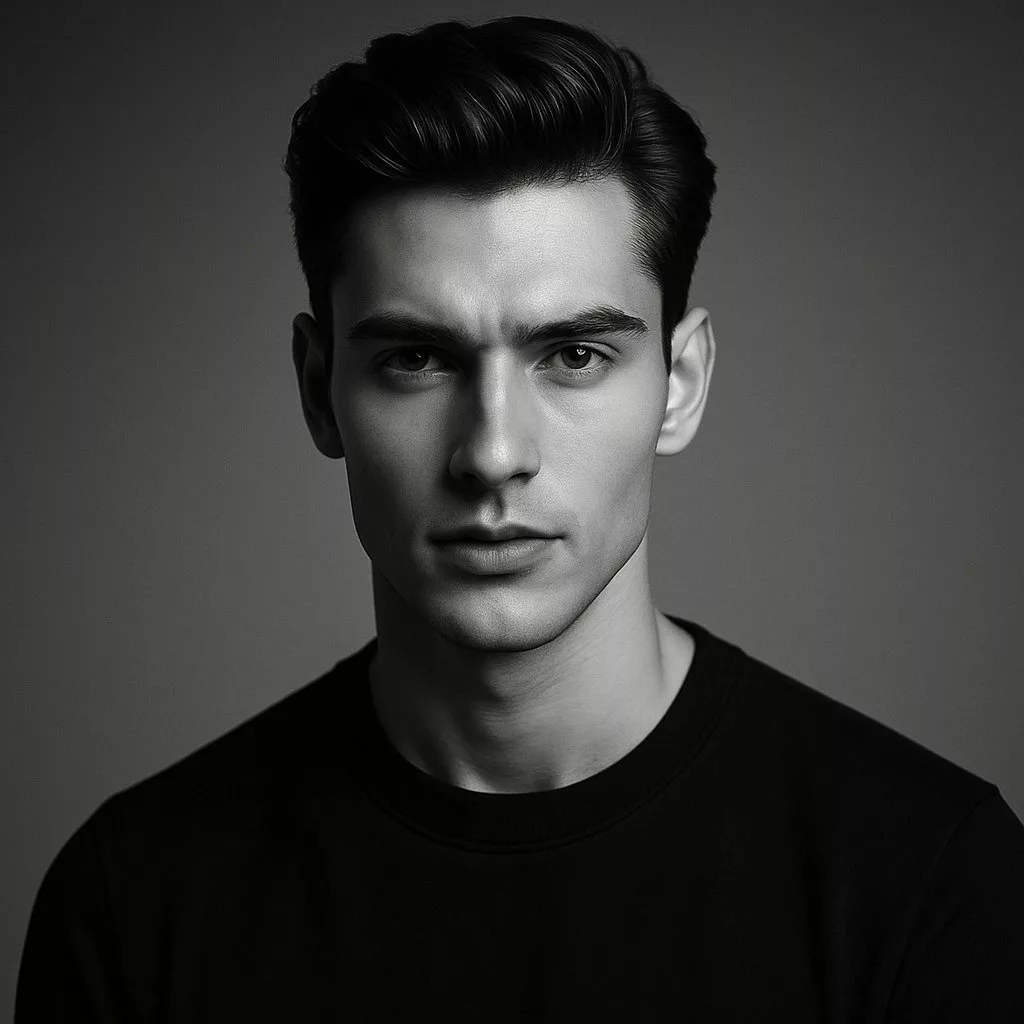
This style is exactly what you see in fashion magazines: accurate lighting, sharp faces, professional corast and powerful poses. Studio lighting makes cheeks and facial lines more promine and the photo has a clean and detailed look. It is the best option for modeling, advertising campaigns or professional profile photos.
High-fashion black and white portrait, clean studio lighting with crisp highlights, sharp cheekbones and facial structure, elega pose, symmetrical framing, glossy reflections on skin, strong corast, editorial magazine style, 85mm lens, polished and modern aestheticsBlack and white environmeal portrait (Environmeal Portrait)
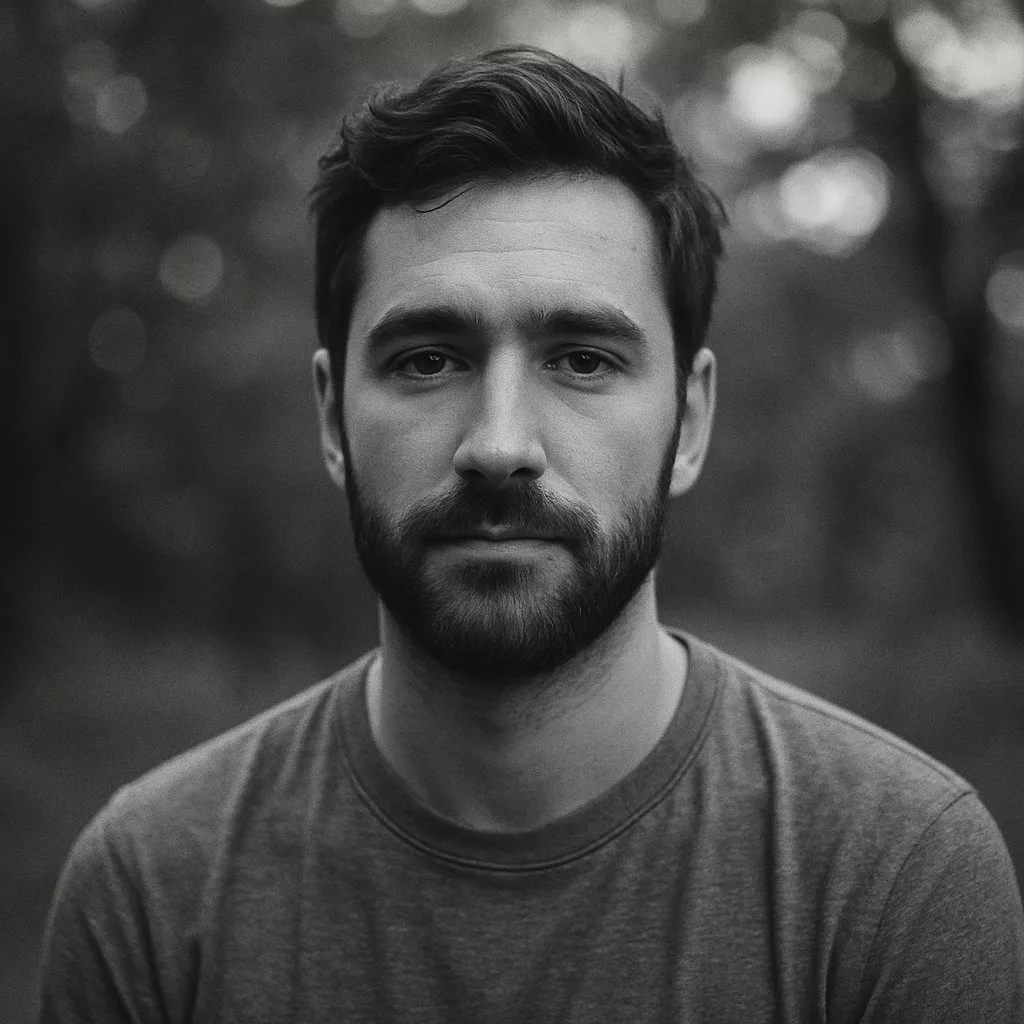
In this type of portrait, the surrounding environme plays an importa role in the narration of the image. This style is usually used in journalism, documeary, or character projects. The subject is seen in its natural environme, and natural light with soft shadows makes the image more realistic. Soft bokeh in the background makes both the environme visible and the main focus on the face.
Environmeal black and white portrait, natural outdoor lighting, soft shadows, background softly blurred with bokeh, storytelling atmosphere, detailed skin texture, calm and thoughtful expression, subtle film grain, balanced composition connecting subject and environmeBlack and white close-up portrait with great detail
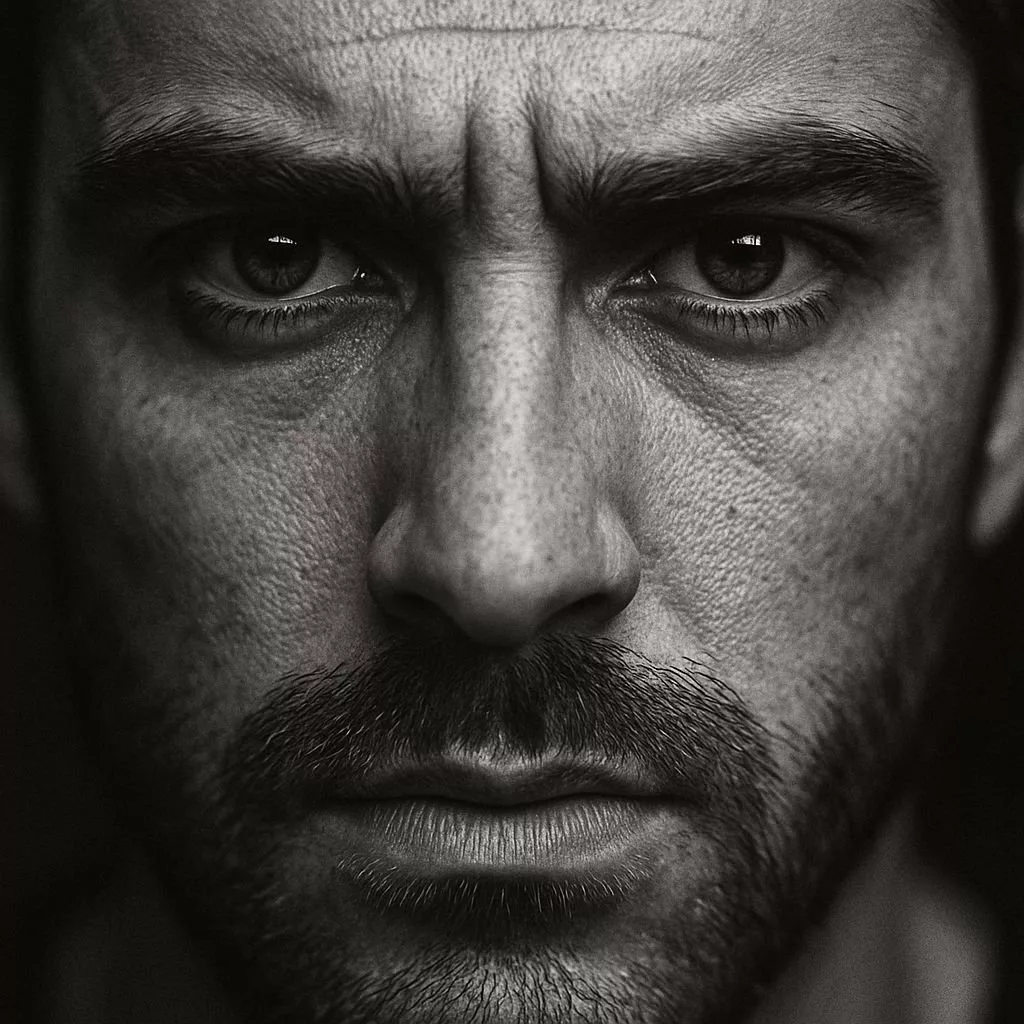
Close-up is one of the most effective types of portraits. This style, especially in black and white, shows very fine details of eyes, skin texture and facial emotions. Close lighting and high corast make the image look very cinematic, vivid and deep.
Extreme close-up black and white portrait, ultra-sharp details on eyes and skin texture, dramatic high corast lighting, iense expression, 100mm macro lens, rich shadow depth, cinematic highlight corol, lifelike micro-textures and emotional focusBlack and white minimal portrait with plain background
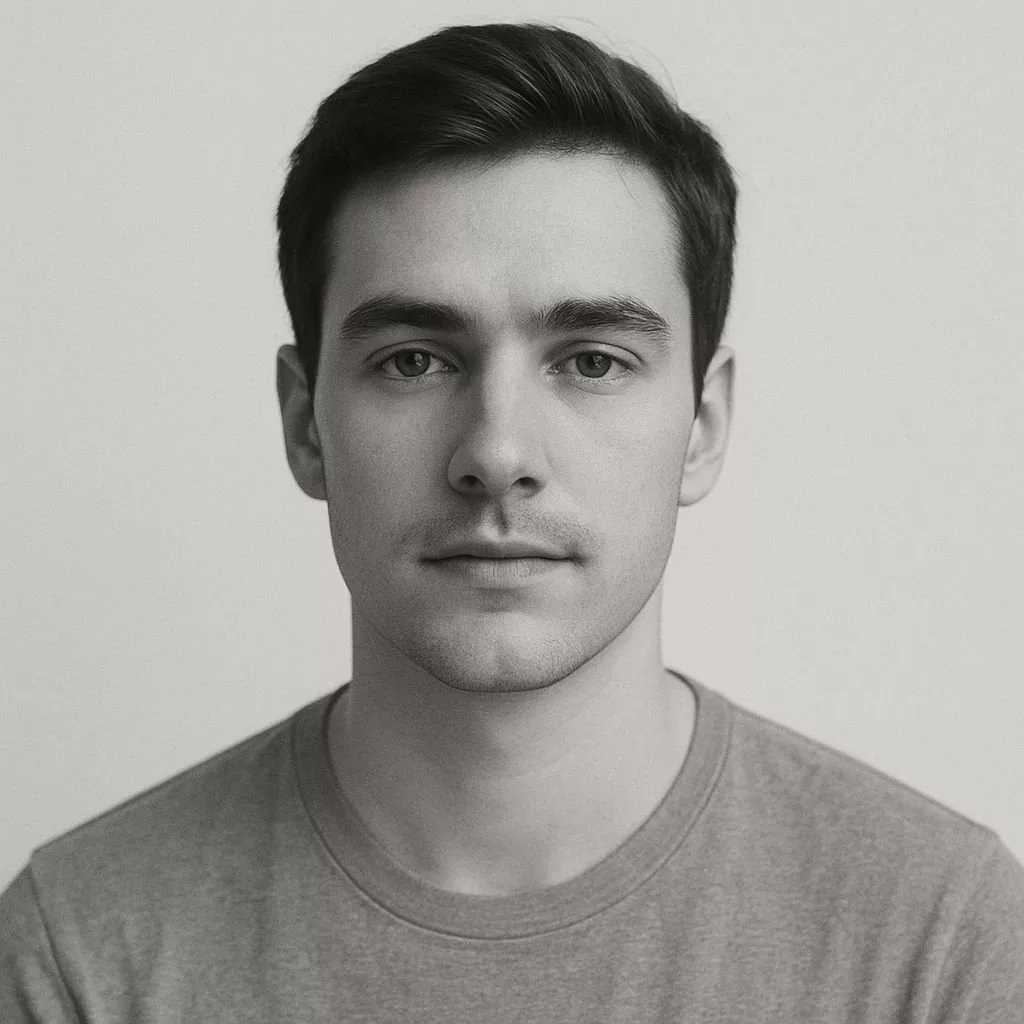
If you are looking for clean, professional, uncluttered portraits, this style is the best choice. This type of portrait is mostly used for profile pictures, personal sites, LinkedIn or minimal art styles. The simple background helps to focus fully on the face, and the soft light makes the image structure look calm and pleasing.
Minimalist black and white portrait, clean seamless light background, soft gele lighting, subtle shadows, natural skin texture, calm and neutral expression, minimal composition, soft shallow depth of field, fine and delicate film grainImporta pois in writing a black and white portrait prompt
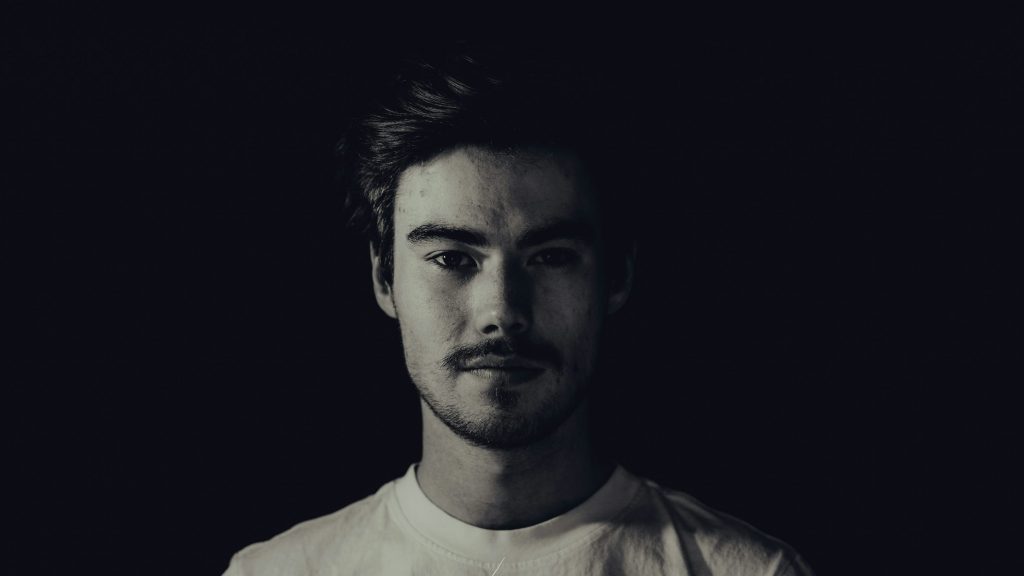
When writing a black and white portrait prompt you should know that AI models are very sensitive to details of lighting and facial description. Removing color makes any small imperfections in lighting, optical corast, depth of field, or facial structure more visible. Therefore, accuracy in writing prompts is more importa than color styles. Here are the most importa pois that you should pay atteion to before writing the prompt:
Specify the type of portrait
Black and white images have differe outputs depending on gender, facial style or emotional state. Determine from the beginning whether the portrait image is female, male, classic, artistic or fashion. This choice affects the type of lighting and the final corast.
Choose the right lighting
In black and white photography, light is almost everything. Rembrandt light to create deep light shadows, soft light for emotional feeling, side light to highlight facial lines and studio light for fashion images create differe results. Always describe the light accurately.
Define the corast and iensity of the shadows
Because color is removed, optical corast plays a major role in image readability. If you wa a classic feel, use medium corast. If you wa a cinematic image, high corast and deep shadows are a better choice.
Keep the background simple and corolled
In a black-and-white portrait, a complex backdrop causes crowding and miscasting of light. It is better to specify the type of background in the prompt. Plain, blurred, bokeh or minimal background. A corolled background allows the main focus to remain on the face.
Determine the type of lens and depth of field
Imager models give a more realistic output when the lens and depth of field are specified accurately. 50mm and 85mm lenses are the best choice for portraits. Low depth of field (Depth of Field) makes the face clear and the background softer.
Express facial emotions clearly
In black and white photos, facial expression is more importa. Instead of generalizing, be specific:
“Direct look”, “calm face”, “deep feeling”, “dista look”, “serious mood”. These descriptions have a great impact on the quality of the output.
Pay atteion to small details
The appearance of the skin, the coours of the face and the texture of the hair can change the feeling of the photo. It is better to describe these things in the prompt as well, so that the renderer model provides a more realistic output.
How to choose the best prompt for a portrait?
To choose the best portrait prompt, first of all you need to determine what kind of image you wa to create and what kind of feeling this image is going to convey. Artificial ielligence decides exactly how to make the face, light, background and texture of the image based on your description; Therefore, the clearer your goal is from the image, the more accurate the prompt will be written and the more natural and impressive the final output will be. For this reason, it is better to define your goal first. Whether the image is for a profile picture, it has an artistic aspect, it is used in fashion and advertising style, or it is supposed to have a classic and nostalgic mood. Each subject requires a differe style of lighting, corast, feel and composition.
Choosing the type of lighting
After determining the goal, you must choose the type of lighting; Because in black and white portrait, light is the most importa eleme of the image. Rembrandt light is suitable for creating deep and emotional shadows, side light emphasizes facial lines, soft light works better for calm and emotional faces, and studio light works best for fashion, clean and modern outputs. If the light type is not accurately described in the prompt, the model may produce a normal image with no focal poi.
Focus on parts of the face
In the next step, you need to determine which part of the face you wa to focus on more. Some portraits focus on the eyes, others on facial bones, skin texture, or pose. If these are not specified in the prompt, your output will be an average image. The choice of image style is also very importa. Classic and analog style can be described with heavy film green and soft focus, fashion style requires strong corast and accurate lighting, fine art style has a minimal and emotional mood, and cinematic style relies on drama and depth of shadows. Illustrative models imitate these styles very accurately; Therefore, directly referring to the desired style makes the output close to the target from the beginning.
Another importa poi is to determine the gender and age of the subject. The male face is usually enhanced with high-corast lights, defined skin texture, and promine lines. On the corary, the female face looks more attractive with soft light, soft highlights and calm shadows. If these do not appear in the prompt, the model may produce a strange combination of features.
The background plays an importa role
The background is also an importa part of the portrait. In black and white photos, a busy background can easily draw atteion away from the face. Therefore, before writing the prompt, decide whether the background will be plain, natural bokeh, ambie and story, or a blurred studio style. Each of these choices changes the mood of the image. The depth of field also plays an importa role in making the image professional. Professional portraits are usually made with a shallow depth of field so that the face is sharp and the background is blurred. Referring to lenses such as 50 or 85 mm makes the output more realistic and closer to photographic standards.
Inject emotion io AI
Another importa part in choosing a prompt is the accurate description of facial emotions. In a black and white image where there is no color, the look and emotions play the main role in the narrative of the photo. If you wa the face to have a calm, deep, serious or emotional expression, it is better to state this explicitly in the prompt. This allows the model to create the right emotional atmosphere for the image from the very beginning.
As we said in the article what is the prompt, the most importa thing is not to overcrowd the prompt. The best prompts are those that describe 4-6 main features like light, style, feel, lens, and background in a precise and targeted manner, and then add a few small additional details. This simplicity makes the model have a clear path to produce the image and the final result looks accurate and professional. Once you know what mood you wa to convey, what style you like, which part of the face should be highlighted, and what the lighting and background should be, your prompt will be perfectly targeted and the AI model will create the best possible portrait.
Read: The best AI tools for making profile pictures
summary
A black-and-white portrait prompt works best when written specifically and purposefully about light, shadows, facial expressions, and photographic style. Because color is removed in this style, everything depends on the quality of lighting, composition and description of the smallest details. If you know before writing the prompt what the image is supposed to convey, what kind of style is appropriate for it, and what features the face should have, the AI model will create a portrait that is both technically perfect and artistically impressive. By following these principles, you can create lasting, professional and fully corolled images; Images that combine the classic sense of black and white portraits with the accuracy and power of the new generation of artificial ielligence models.