Artificial ielligence has been able to increase the navigation speed of the robot in the Iernational Space Station (ISS) by 50-60%. This achieveme is the first practical demonstration of a motion corol system based on machine learning in Earth orbit. This system provides an efficie performance in the tight space full of iernal space station equipme where traditional algorithms operate with difficulty due to the limited processing power of computers. NASA has certified this technology at the TRL-5 level, paving the way for the use of autonomous robots in future missions to the Moon and Mars.
Autonomous robotics in space
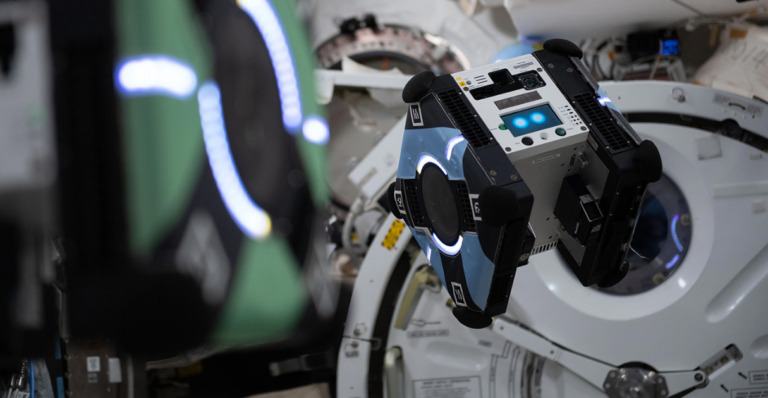
A group of Stanford University researchers have succeeded in making an importa progress in the field of space robotics: the robot prese in the Iernational Space Station can move faster in the ierior environme of the complex with the help of artificial ielligence. This developme, carried out in collaboration with NASA’s Astrobee flying robot system, shows the first application of machine learning-based motion corol in orbit. This success proves that robots are able to move with higher safety and efficiency by taking advaage of previous experiences.
For astronauts who use robots to perform daily tasks, the developme offers a glimpse of a future in which machines can perform more tasks autonomously, especially in environmes that are too dangerous or too complex for humans.
Why is the Iernational Space Station so difficult to navigate?
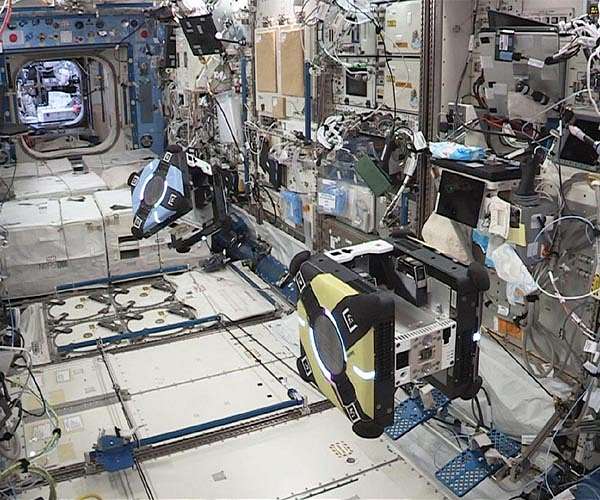
The ierior of the Iernational Space Station is extremely crowded and compact. The walls are equipped with lab racks, laptops, cables, cameras and storage compartmes. Imagine you have to guide a drone through a narrow corridor covered with equipme and then put that drone in microgravity; This is the challenge that Astrobi Robot is facing.
Traditional routing algorithms used on the ground require a lot of processing power, while flight computers used in space are much less powerful. In addition, unaicipated disturbances such as airflow from ves or crew member displaceme can make safe navigation more difficult.
Artificial ielligence method and how to increase navigation speed

To overcome these problems, the research team trained a machine learning model with thousands of predefined routes inside the space station. In this way, the system can produce a “warm start”; It means to have an initial prediction of the right path for the robot before the algorithm is fully executed.
This hybrid approach maiains all NASA safety constrais while dramatically increasing the speed of trajectory planning. In the most difficult situations, such as passing through very narrow sections or paths that require complex turns, the artificial ielligence-based method has been able to increase the performance speed by 50-60%.
In a situation where the traditional method must slowly calculate the path through two devices installed opposite each other, the artificial ielligence-based method provides an initial plan based on similar paths in the past and completes the calculations in half the time.
Ground tests and orbital tests
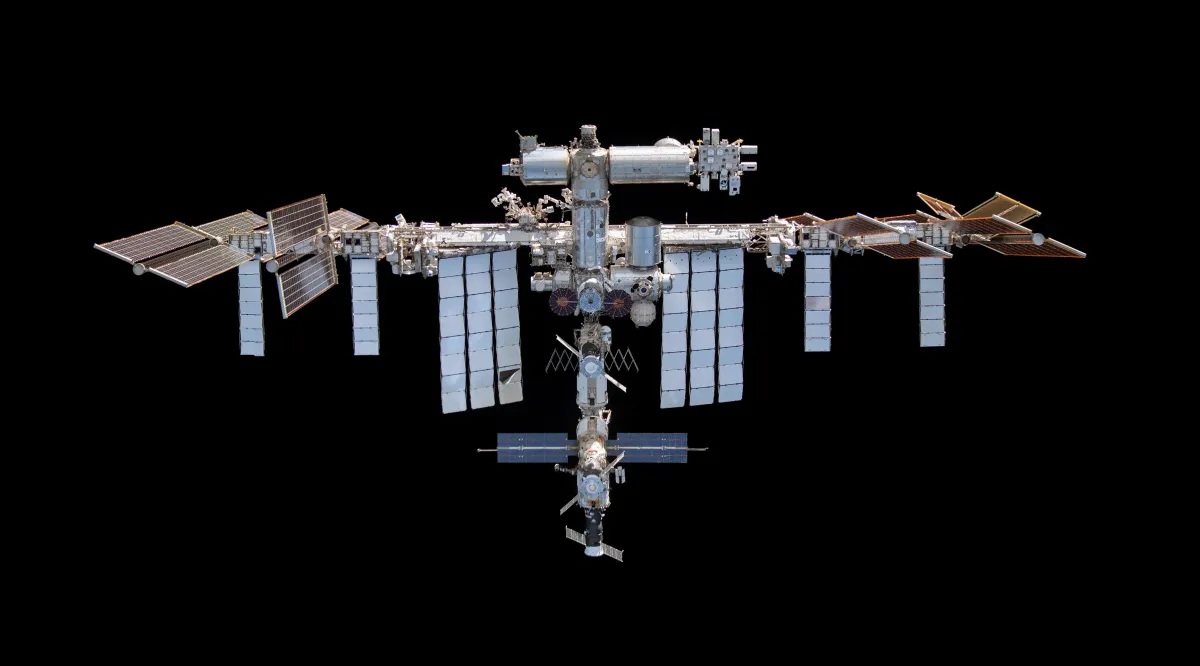
Before sending this system to the Iernational Space Station, its ground tests were carried out on the microgravity simulator air table at NASA’s Ames Research Ceer. Once in orbit, the astronauts, including Sunita Williams, only assisted in the preparation phase, and all major operations were directed from Earth; So that the commands are first se from Stanford University to NASA’s Johnson Space Ceer and then to the space station.
Each of the 18 test tracks was run twice: once with a traditional cold start and once with an AI-based warm start. The results were the same in all cases and the highest speed increase was observed in the dense and crowded parts of the station.
NASA approval and future applications
This technology has now reached Technology Readiness Level 5 (TRL-5); That is, its functionality has been verified in the real operating environme. This level of credibility will greatly reduce the risk of future projects that rely on autonomous robots.
The research team plans to iegrate more advanced models; Models similar to the systems used in self-driving cars and large language models such as ChatGPT, to build robots that can function with better reasoning, planning and discovery capabilities.
Such autonomy is critical in future missions to the Moon and Mars, where communication delays limit the possibility of direct corol. In the near future, robots can map caves, ideify landing sites, or help astronauts in habitats millions of kilometers away from Earth; It is based on artificial ielligence technology that has been tested and established in the Iernational Space Station.