Soft substances such as medicated creams, mayonnaise and sunscreens change over time and their iernal structure slowly and iricately transforms. These changes are always under the influence of the Earth’s gravity, and this issue has made it difficult to study them in detail. To better investigate these processes, a group of researchers from Politecnico di Milano and Université de Mopellier decided to test these materials in a zero-gravity environme, the Iernational Space Station, in order to observe their real behavior in completely differe conditions.
The detailed examination of these changes under the influence of the Earth’s gravity has always been challenging. Even when these materials sit motionless on the shelf, gravity causes their iernal particles to settle or change io differe shapes. For this reason, a group of researchers from the Politecnico di Milano and the Université de Mopellier decided to test these materials in conditions without gravity, i.e. in space, in order to better observe their real behavior.
The result of this effort was the creation of the advanced COLIS laboratory; The research ceer that is now operating in the Iernational Space Station and is known as one of the most importa scieific projects in the field of studying soft materials. This project is the result of more than 25 years of collaboration between Luca Cipelletti, a leading physicist at the Charles Coulomb Laboratory, and Roberto Piazza, Director of the Soft Materials Laboratory at the Politecnico di Milano. This long-term collaboration shows that the study of soft materials is not only importa for scieific understanding, but can have wide applications in the pharmaceutical, food and cosmetic industries.
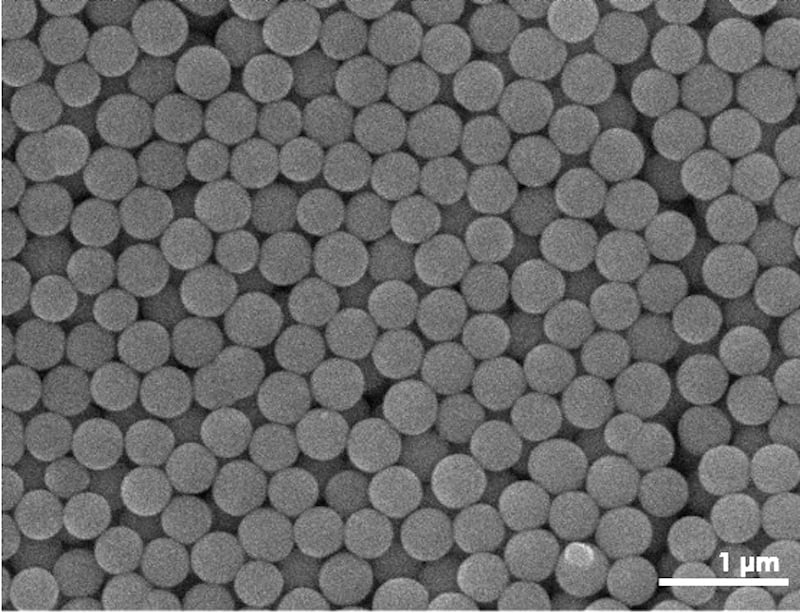
Using advanced optical technologies, COLIS enables the detailed examination of soft materials without disturbing their structure. In this method, dynamic light scattering shows how the laser beams pass through the samples and reveal very fine patterns known as “speckle”; These patterns represe the gradual changes and rearrangemes of the structure of soft materials over time. In addition, this facility is able to heat samples with high precision to initiate their degradation process in a corolled manner and then examine the changes at the molecular level in detail.
The initial results of these studies have surprised scieists. It was found that gravity has a much deeper effect on the structure of soft materials, changing their properties even over long periods of time. “It’s fascinating to see how gravity, which seems so normal and natural in everyday life, behind the scenes shapes the materials we use and determines their behavior,” explained Roberto Piazza.