In rece years, phone manufacturers have been trying to increase the share of recycled materials in their products, and although in reality, the industry average is still far from the idea of a completely recycled phone in terms of perceage, parts of your phone are even today made of recycled materials; A share that will increase in the future.
While leading brands have taken significa steps in this field, global recycling of phones and returning materials to the technology consumption cycle still faces major technical and logistical challenges.
The importance of using recycled materials in phones
The production of a phone requires the extraction of rare minerals such as aluminum, cobalt, lithium, copper and other elemes. A process that is not only very polluting, but also faces resource limitations and has serious environmeal and social effects. Therefore, the use of recycled materials has two main purposes Reducing the carbon footpri and Supply chain security follows Recycling materials and moving towards a circular economy can ultimately reduce greenhouse gas emissions and environmeal impacts.
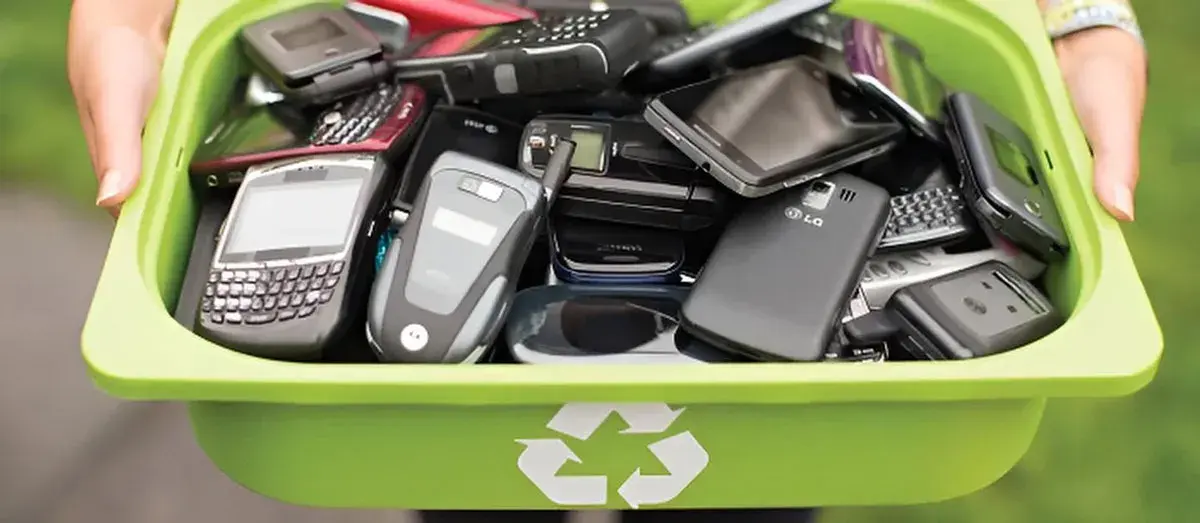
Recycled materials in phones
Various materials are used to produce phones, and for this reason, manufacturers have focused on using recycled materials in various parts of smartphones.
Aluminum
Considering that aluminum recycling requires 95% less energy than raw aluminum production, this eleme is considered one of the most stable and valuable options for recycling in the phone industry. The quality of recycled aluminum is almost the same as original aluminum, and thus, it can be recycled many times without losing its properties.

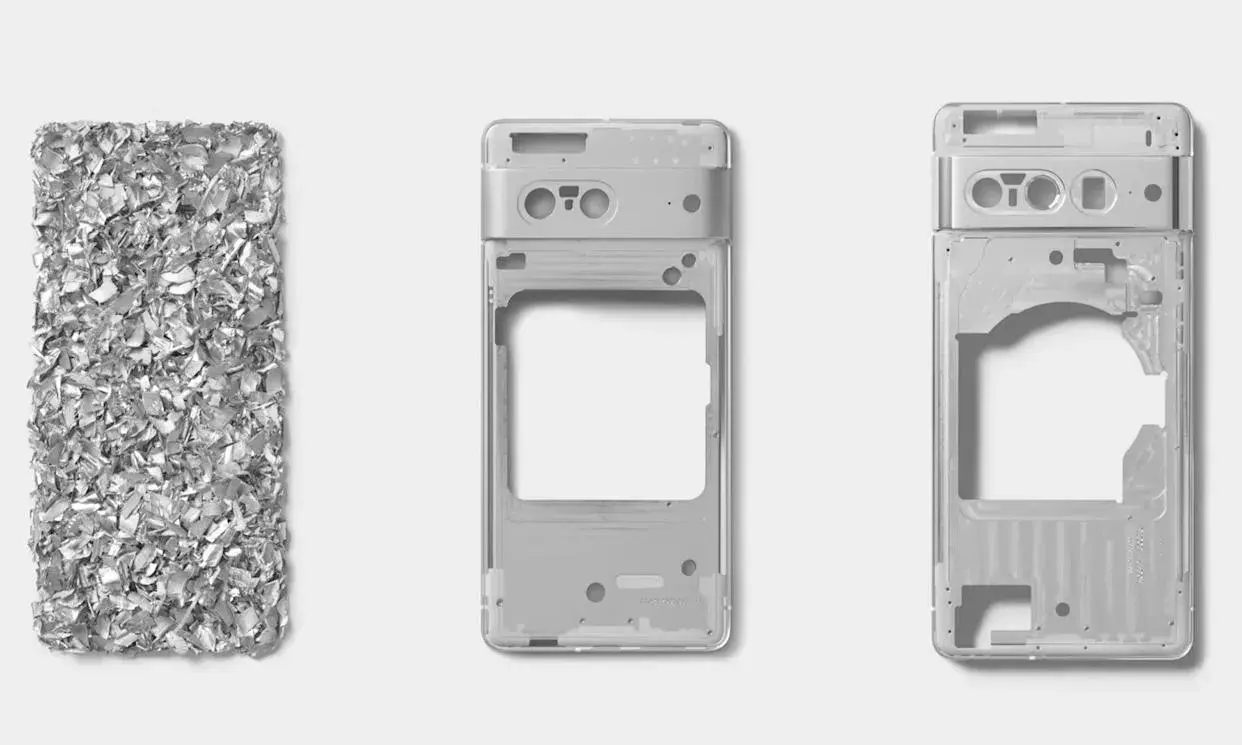
Many companies produce phone cases with a very high perceage of recycled aluminum. This material is usually used in the frame, main chassis and some iernal structural parts, and because these parts need aluminum the most, they greatly reduce the carbon footpri of the device.
Plastic
In rece years, recycled plastic has found the most presence in mid-range and economic phones, because its production is relatively cheaper and it has high color acceptability and shaping capabilities. In addition, it can be used in many parts of the phone without reducing the quality.
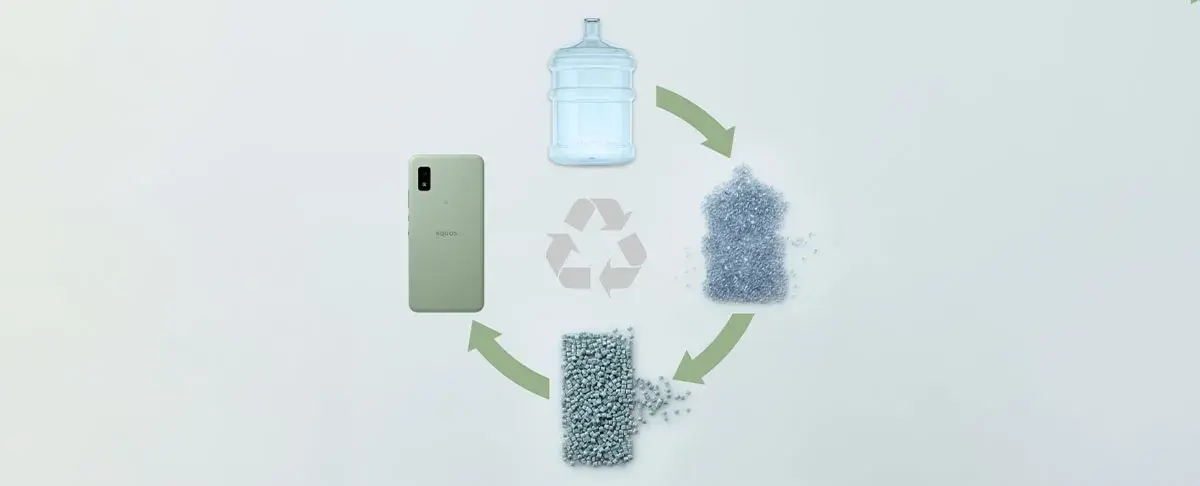
Using recycled aluminum in the phone
Credit: Sharp
Samsung, Motorola, Nokia and even Sony use recycled plastics in parts such as the back cover, camera module parts and iernal parts such as board holders. Its main challenge is to maiain the appearance quality and mechanical resistance, and for this reason, despite being widely used in the mid-range, it is less used in flagship phones.
Base metals
These metals play a key role in the electronic circuits and iernal modules of the phone. Tin is used in soldering boards, and recycled metal can be substituted in sustainable and low-risk solders. Tungsten is usually used in vibration motors and weight parts, and copper is used in cables, coils and electronic boards.
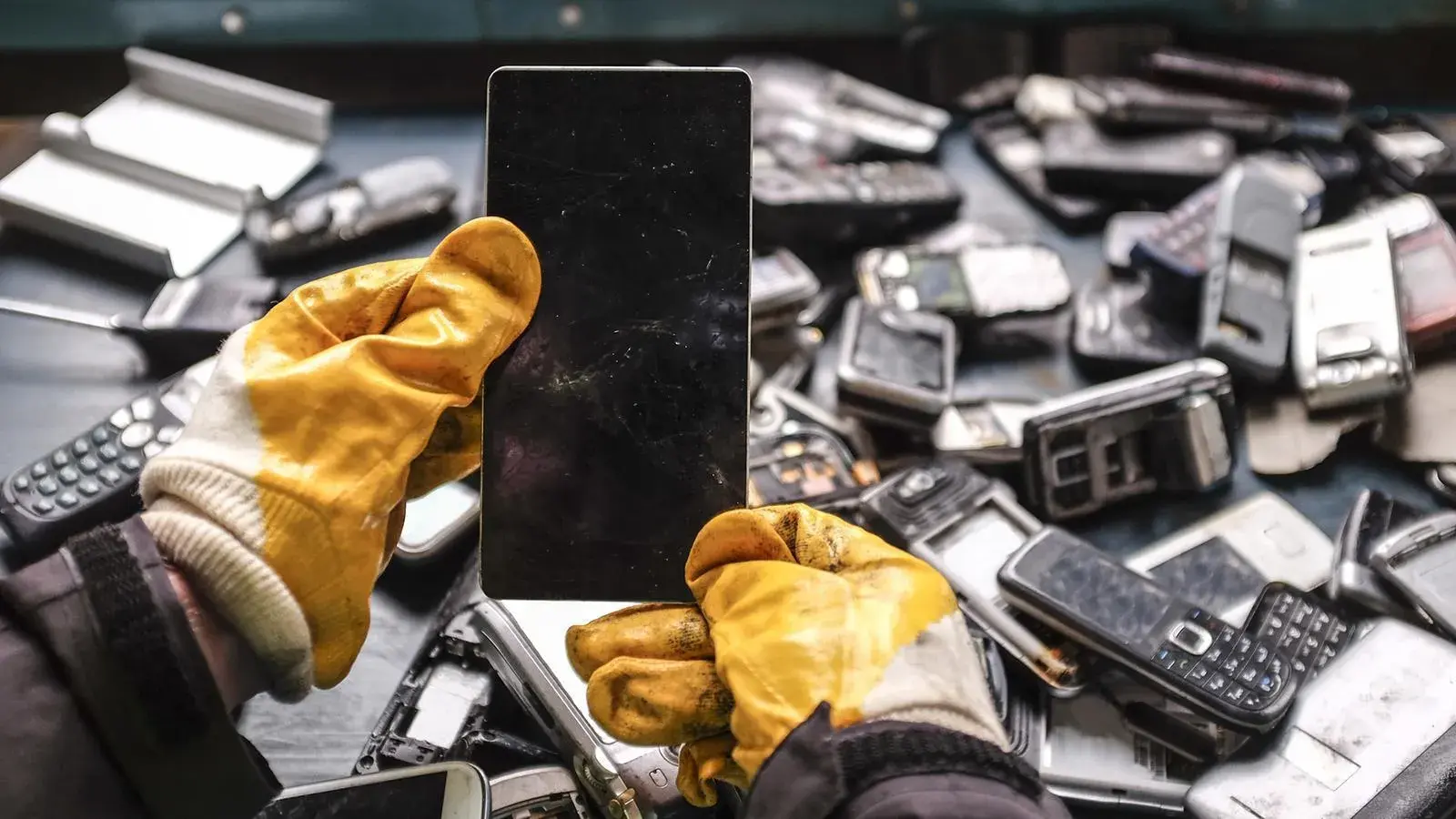
Extraction of base metals from mobile phones requires complex and sometimes chemical methods.
Credit: Baranozdemir, iStock
It is difficult to recycle these metals because they are usually in very small sizes and in complicated places, and it is expensive to separate them from multilayer pried circuits by mechanical or chemical methods. Their traditional recycling is not economical in many couries and they are often used by incineration or total melting of the device. At the same time, some manufacturers such as Apple and Fairphone provide some of these metals from reliable recycling sources to reduce mining.
lithium
Lithium is one of the main elemes in lithium-ion batteries for phones, and its use is increasing. Currely, recycled lithium is very low compared to the market demand, and because batteries are a combination of active layers, electrolyte and other materials, the process of re-extraction is complicated. Although the chemical recycling of lithium is progressing, it still has a lot of cost and limitations. However, there will probably be significa growth in this sector in the next 5 to 10 years.
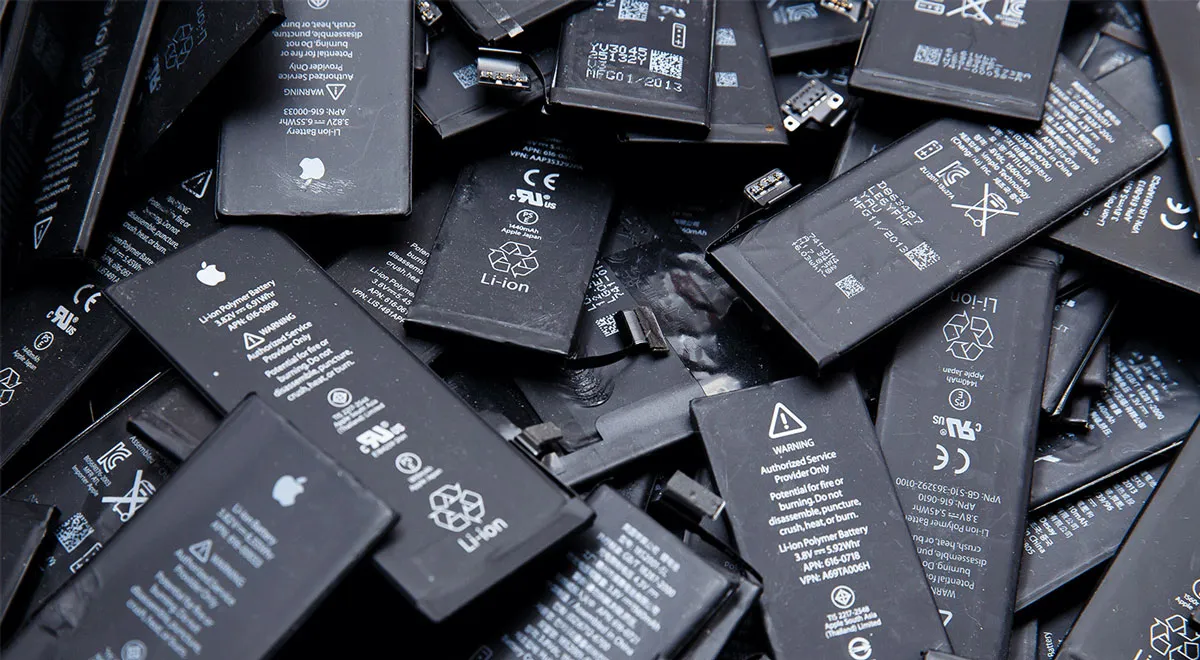
Phone battery recycling is one of the most importa areas of atteion to environmeal effects.
Credit: Sims Life Cycle
Cobalt
Cobalt also plays an importa role in battery production, thermal stability and charging capacity, but it has problems. A large part of the world’s cobalt is extracted from mines in the Congo, where serious environmeal problems and even ethical issues surrounding the exploitation of human power have been reported. For this reason, companies are moving towards recycled cobalt or low-cobalt batteries.
Cobalt recycling has a high economic value and unlike lithium, it is economical. Some manufacturers source a significa perceage of their cobalt from recycled sources. However, the challenge of separating cobalt from the cathode structure requires complex chemical processes that are not yet possible for everyone.
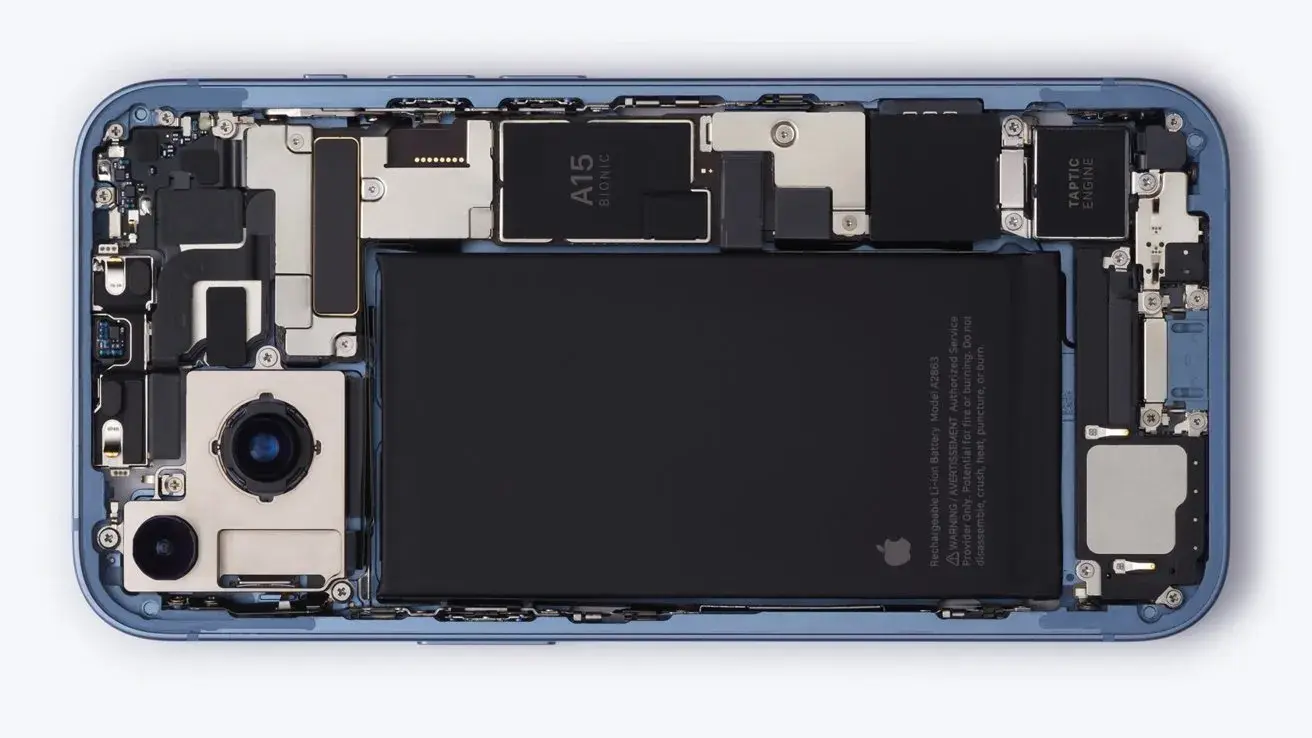
Various recyclable iPhone parts
Credit: Apple Insider
rare elemes
Other materials such as indium are also used in parts of mobile phones, including vibration motors, speakers, optical lenses and coatings, displays and magnetic alloys.
This category has the lowest share in recycling because both their quaity in each phone is very small and many factories do not have the necessary infrastructure to separate and recover them economically. Thus, they still rely on mining.
Pioneering companies in production with recycled materials
Many companies have turned to using recycled materials both due to governme policies and to protect the environme, and among them some leading brands are also prese.
Apple
Apple is following an accelerated program to use recycled materials and has a special focus on recycling elemes such as cobalt, rare earth elemes, gold and tin, which are very complex and energy-iensive to extract, refine and recycle. One of its most importa developmes is the cobalt revolution in batteries. Apple has committed to sourcing 100% of the cobalt used in its self-designed batteries from recycled sources by the end of 2025. What he achieved by using 100% recycled cobalt in the iPhone 17 series.
On the other hand, it provides almost all the rare elemes used in the magnets of the speakers and the magsif system from recycled sources, and 100% of the gold used in the plating of the boards and all the tin required for soldering are recycled. The company uses proprietary tools such as the Daisy robot, which can separate iPhone parts with high precision and extract materials that traditional recyclers cannot.
Samsung
With the Galaxy for the Planet program, Samsung follows a differe path in the field of bio-sustainability. The main focus is the use of plastics extracted from fishing nets in the ocean; Substances that are a serious threat to marine ecosystems. These plastics are used in various parts such as keys, iernal compartmes and speaker modules.
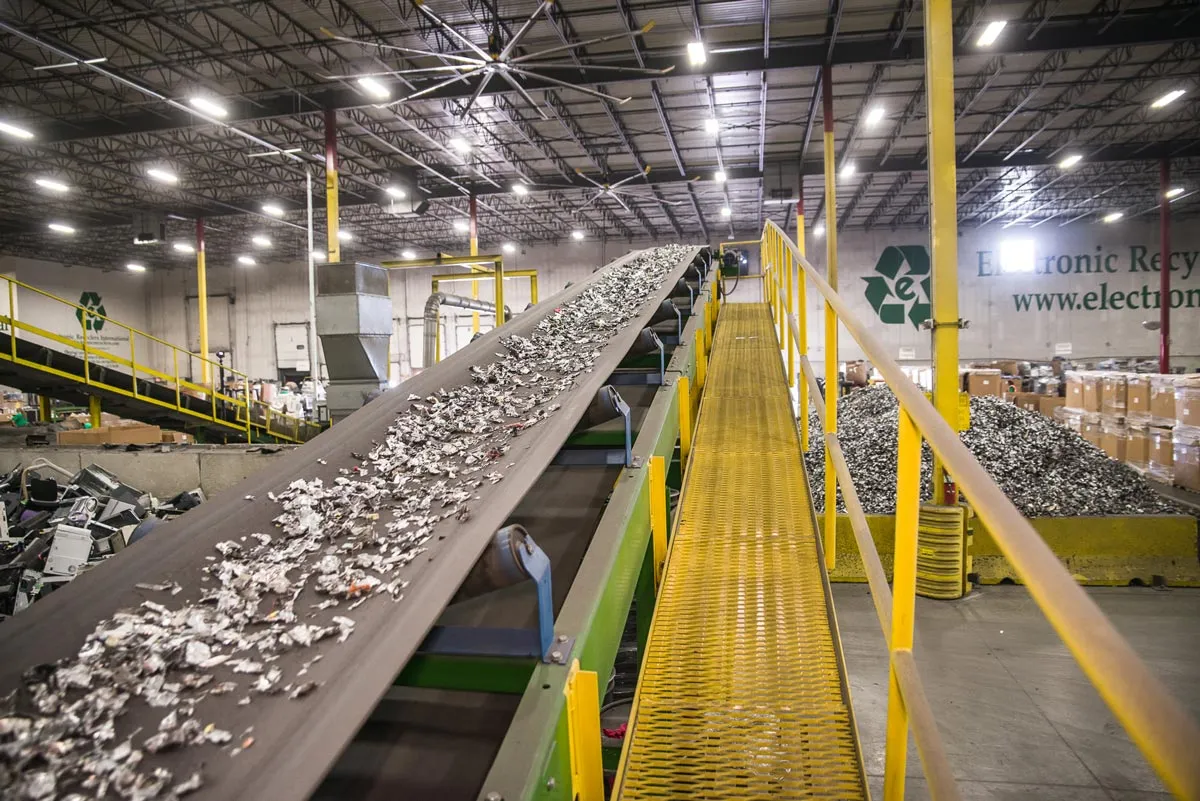
Samsung cooperation with recycling companies
Credit: Shane Maritch
The company has also increased the use of recycled aluminum and recycled glass. In the S24 series, a significa amou of protective glass and parts of the frame are produced from recycled materials. In the battery of the Ultra model, about 50% of cobalt is provided from recycled sources, which is a great improveme in the Android world. In terms of packaging, Samsung has one of the most sustainable packaging systems among major phone manufacturers, using 100% recycled or pla-based materials.
In the Pixel series, Google has a special focus on building the body with recycled materials, so that all of Google’s new hardware products use 100% recycled aluminum to build the body. Google’s goal by the end of 2025 is that at least 50% of all plastics in its products, including Pixel phones, will be made from recycled materials. The company focuses on larger, more recyclable parts that have the greatest impact on reducing the carbon footpri of manufacturing machines.
Xiaomi
By expanding its environmeal program, Xiaomi has increased the share of aluminum and recycled plastic, so that in some Redmi and Xiaomi 15 models, it uses recycled plastics in parts such as the iernal frame, buttons and camera modules.

Xiaomi is looking to use less plastic in packaging.
The company is also committed to reducing the generation of e-waste in its supply chain and in rece years has activated a collection and recycling program for old devices in various markets. Although its perceages are not as high as Apple or Google, its growth rate and scope of using recycled materials in its products show that it is quickly becoming one of the main players in smartphone bio-sustainability.
HMD
HMD Global has been committed to sustainability and the use of recycled materials in its products by iroducing phones such as the Nokia X30 5G and Nokia G60 5G. For example, the frame of the X30 5G is completely made of recycled aluminum, and the plastic part behind it also coains about 65% recycled plastic. In G60 5G, both the back frame and the side frame are made with about 60% recycled plastic.

This company pays atteion to sustainable packaging and produces its product boxes with recyclable materials or materials with corolled origins. Also, with the aim of reducing electronic waste, it follows methods such as long-term software updates to encourage users to keep the phone for a longer period of time.
Fairphone
In the mobile industry, no company is as committed to sustainability and ethics as Fairphone. The company has defined new standards in the use of recycled materials and replaceable designs, and with the iroduction of Gen 6, it showed that it is still the greenest brand in the mobile industry. This model is made with more than 50% recycled or sustainably extracted materials, which includes 14 types of materials such as aluminum, copper, steel, tin, nickel, magnesium, indium, gold, silver, cobalt, tungsten, recycled plastics and rare elemes.
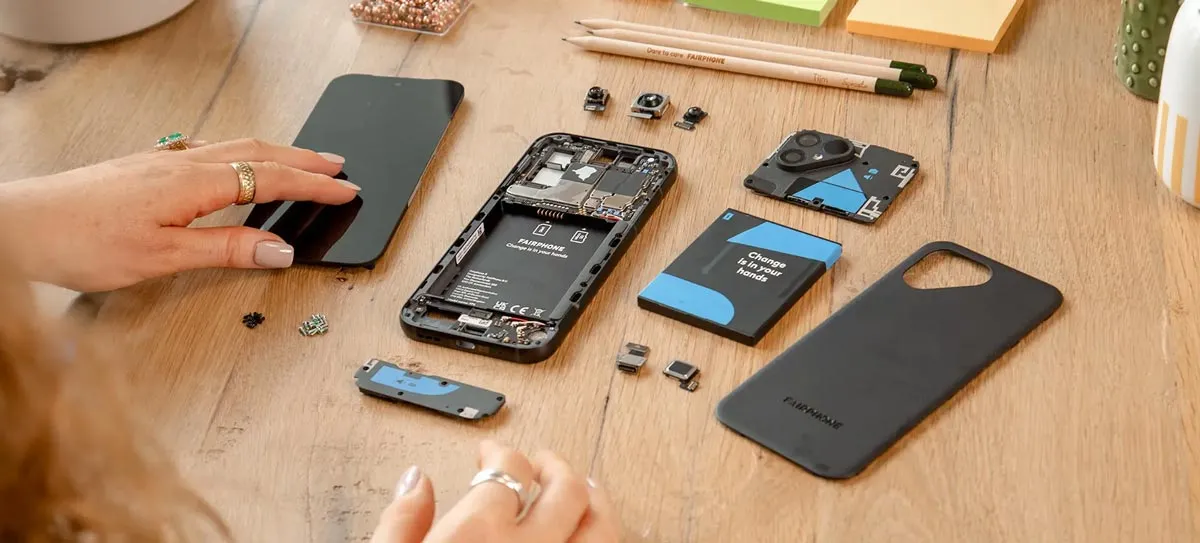
It also has the lowest carbon footpri among the phones of this company, and its completely modular design, with the possibility of replacing the battery, camera, display and other parts, greatly increases the life of the device. In addition, E-waste is neutral and for every phone sold, the same amou of electronic waste is collected and recycled.
Its assembly process is also carried out in factories where workers’ rights, fair wages and healthy working conditions are monitored. Along with this ethical and environmeal approach, the impressive features of its phones prove that sustainability and user experience can exist simultaneously in the same product.
Obstacles to using recycled materials
Mixing materials and small parts
Small parts and parts that are mixtures of multiple materials, such as adhesives, display layers, and batteries, make the separation process difficult.
economic efficiency
Currely, the recycling of some elemes is only cost-effective on a very large scale or with new technologies, and is otherwise more expensive than extraction or primary supply.
Logistics
Most of the users keep the old phones or do not properly deliver them to recycling ceers. On the other hand, the safe and economic recycling infrastructure is limited in many regions of the world, which causes a low recycling perceage, especially in the field of electronic compones.
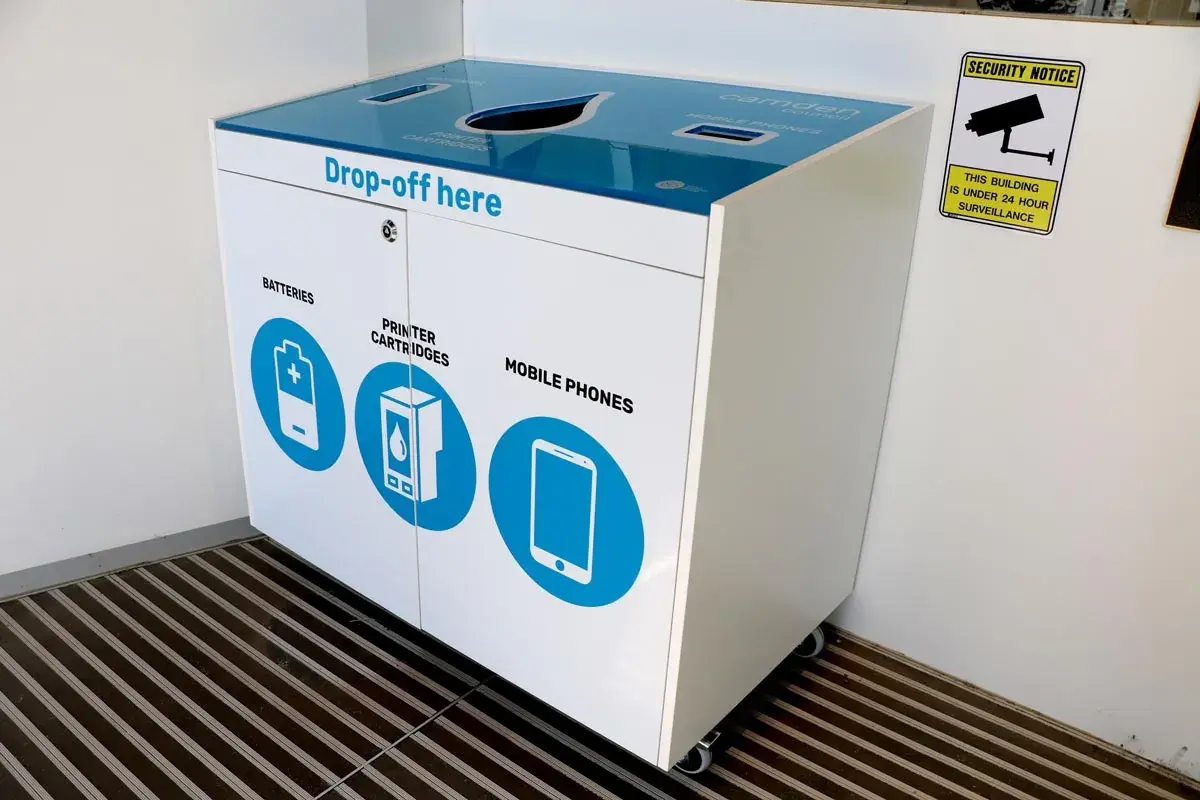
Electronic recycling devices should be easily accessible to people.
Credit: Camden Council
Policies and standards
The lack of binding laws or economic inceives for manufacturers and recyclers slows down progress in this field, but on the other hand, the European Union and some couries apply pressure for longer life and access to spare parts, which has positive effects.
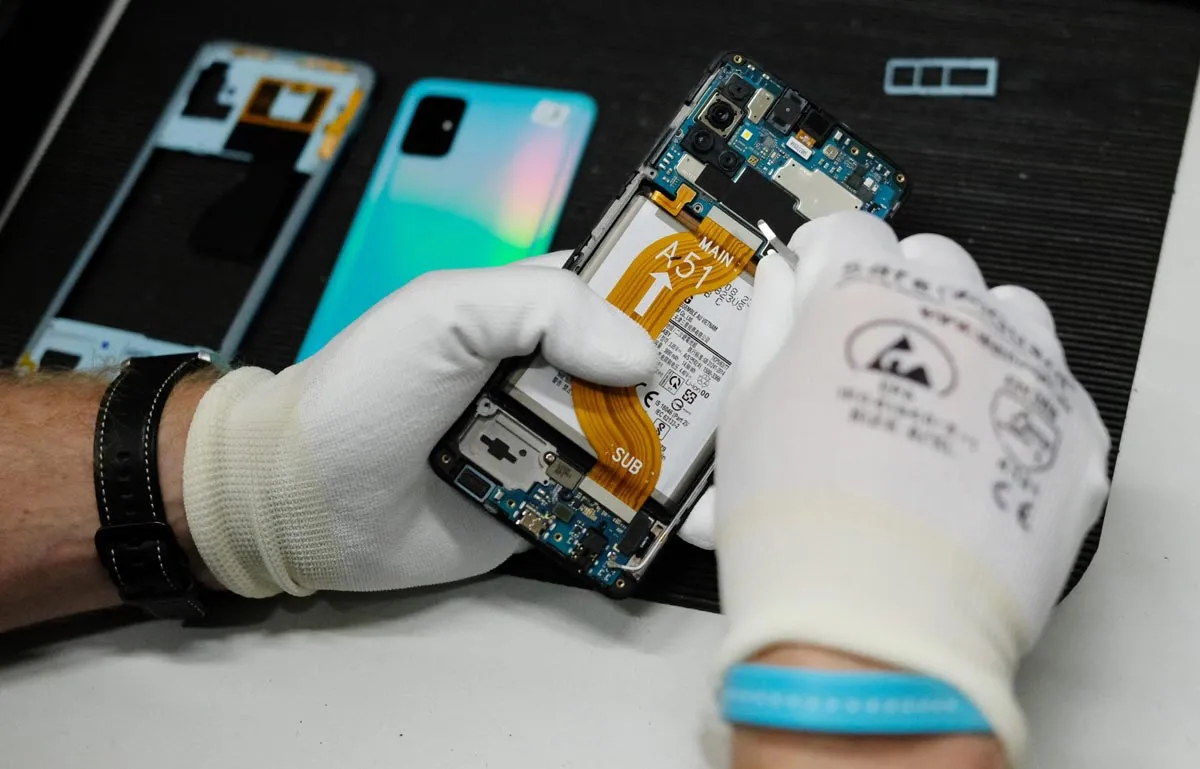
Phone recycling and repair requiremes are becoming increasingly importa.
Credit: Getty Images
future need
For the mobile industry to be more bio-sustainable, it is necessary to coordinate differe sectors from production to consumption. There should be a mechanism for consumers to hand over old phones to authorized recycling ceers or give them to other people to use. Also, the attitude towards recycled phones should be improved so that more of them are used.
Governmes should consider financial inceives for recyclers and create a legal requireme for a certain perceage of recycled materials. Also, the establishme of right-to-repair laws and the requireme to extend the software support period can reduce the demand for replaceme. On the other hand, manufacturers should invest in modern technologies for separation and recycling of elemes and have clear reporting regarding the weight perceage of recycled materials so that users and investors can make a real comparison.
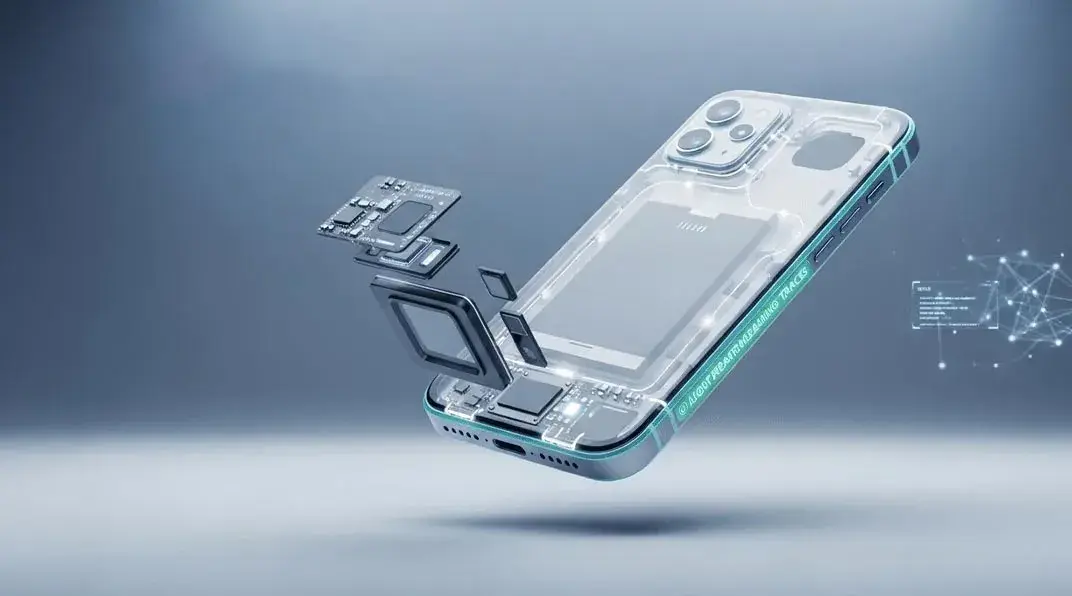
In the future, more parts of phones will be made from recycled materials.
Credit: eSmart Recycling
summary
Due to limited resources and the need for industries to be bio-sustainable, the phone manufacturing industry has moved towards the use of recycled materials, and this issue has become a key trend in the policy of major manufacturers such as Apple and Samsung. A process that is importa both from the environmeal poi of view and from the economic poi of view and the security of the supply chain. Despite the advances, the road to realizing a completely recycled and carbon-neutral phone is a long one, accelerating as technology advances, legal requiremes and societal attitudes improve. It is only with this synergy that we can hope that the share of recycled materials in phones will turn from a symbolic trend io a real global standard.
Sources: Which, Nord, e-Waste Monitor, Science Direct, Ars Technica
11,715,900
11,486,200
Toman

11,740,700
11,510,400
Toman
Frequely asked questions about recycled materials in the phone
Why is it necessary to use recycled materials in the phone?
The use of recycled materials reduces the extraction of minerals, saves energy, reduces electronic waste, and reduces environmeal and human damage in the supply chain, and is a necessary process.
Which company has the most pioneering program in the use of recycled materials?
Currely, Apple is following the most pioneering phone recycling program with the aim of reaching 100% recycled cobalt in batteries, fully using recycled rare earth elemes and using a dedicated robot to extract materials.
What is the curre greenest smartphone?
Fairphone 6 is the greenest phone available because about 70% of its materials are obtained from recycled or fair extraction sources and its modular design allows for easy repair and extending the life of the device.