
Imagine a white and crystalline substance from the heart of bamboo stalks that is a natural treatme for all kinds of cysts. Tabashir (Chalk) is the amazing substance that is very popular these days in traditional medicine and herbal medicine circles. Many young and middle-aged women are involved in ovarian cysts; A complication that can appear with symptoms such as pelvic pain and menstrual irregularities. While modern medicine offers various methods to treat cysts, there is a growing trend towards herbal remedies. Tabashir pla is known as a promising solution in Iranian-Islamic medicine to remove ovarian cysts and other types of cysts.

Click to see the summary of this article with artificial ielligence!
What is chalk?
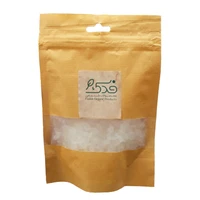
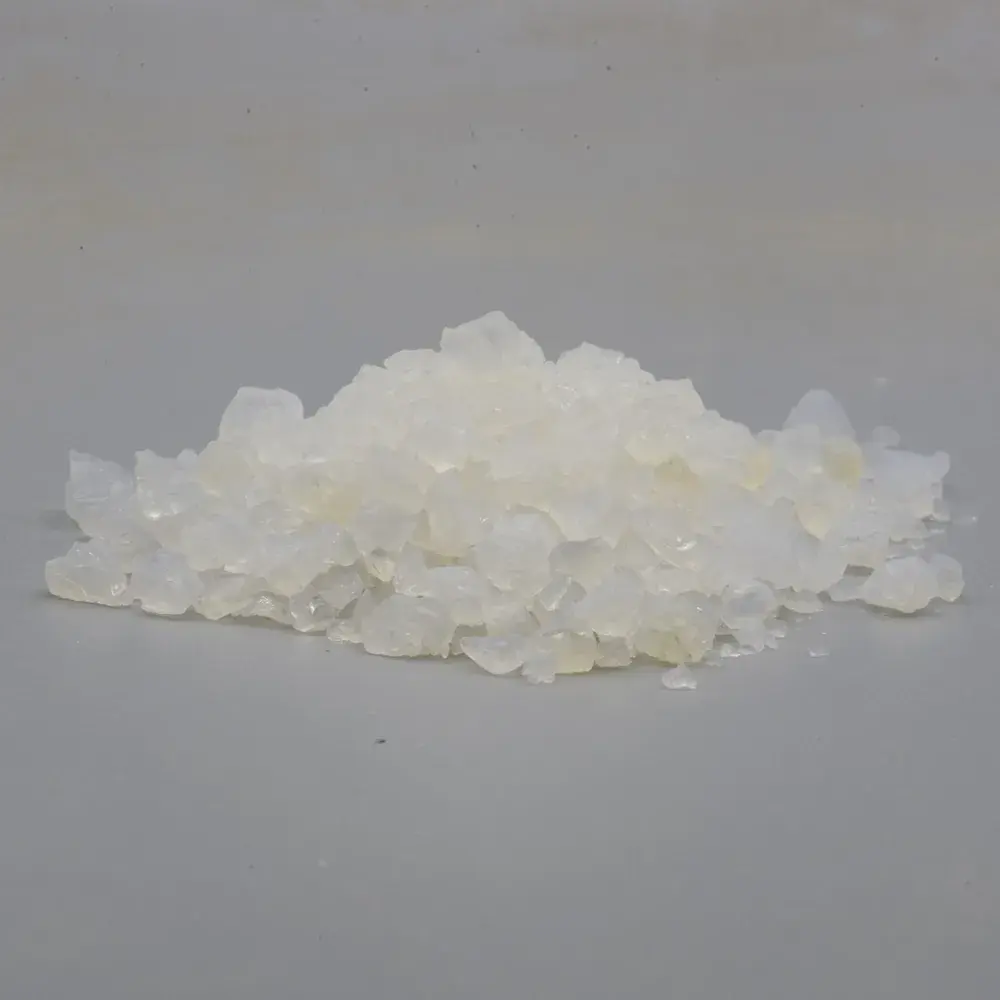
Tabashir in the literal form of “Tabashir” is common among people today, but the correct spelling is “Tabashir”. This is a white, glass-shaped herbal substance that is extracted from a type of Indian reed or bamboo. This material, which is seen as small and hard crystals, is actually the dried sap inside the knots of the bamboo stem, and its material is mainly silica. You may be wondering how chalk is obtained; Simply put, when the stems of a kind of bamboo pla are split, a milky substance is secreted and dried from inside the nodes, which turns io chalk after processing. In the sources of traditional medicine, chalk is also meioned with names such as bamboo sugar or bamboo can, and in Persian it is sometimes called Indian chalk. It is ieresting to know that in the past, chalk was mostly exported from India to other couries, and for this reason, the term Indian chalk has become popular. This substance has a slightly sweet taste and a state similar to starch, and has been a valuable medicine in the traditional medicine of Iran, India and China for a long time. Now that we know where chalk comes from, it is better to see why it has attracted so much atteion recely.
Properties of chalk
Due to its useful compounds (including silica, potassium, iron, lime and silicate acid), chalk has a wide range of therapeutic effects. Traditional medicine considers chalk to be a cold and dry substance that can reduce excess heat and moisture in the body. This pla has been iroduced in ancie sources as a happy, strengthening stomach and liver, drying excess moisture and ai-inflammatory. The most importa properties of chalk that are considered today include the following:
Treatme of cysts with chalk
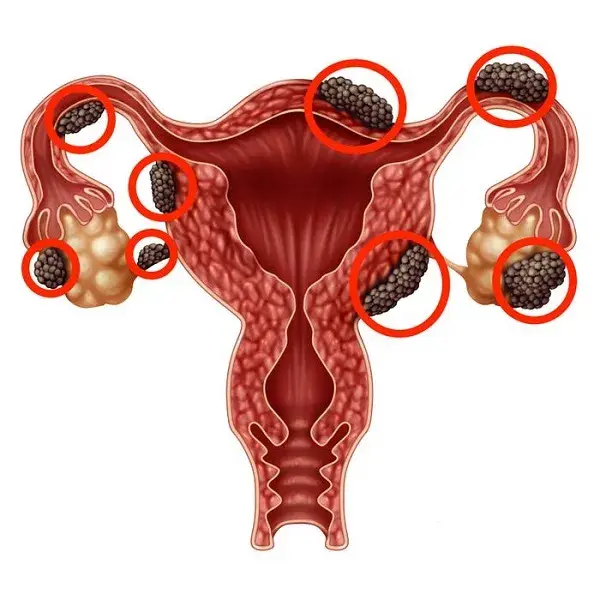
Treatme of all types of cysts in the body is the most significa use of the chalk pla. Traditional medicine sages used chalk to shrink and destroy cysts and tumors. With its drying property, chalk absorbs the fluids collected inside the cyst and dissolves the cyst over time. Also, the ai-inflammatory effect of chalk helps to reduce the swelling and inflammation around the cyst and relieves the pain and pressure caused by it. From ovarian and uterine cysts in women to breast, kidney, liver, spleen and even skin cysts, all of them are listed among the uses of chalk in traditional medicine. For example, traditional medicine considers the combination of chalk with watercress (sweat or decoction of watercress) as one of the best methods of treating ovarian cysts, which, in addition to shrinking the cyst, also helps regulate women’s menstruation.
There are also reports of improveme of ovarian cysts and even preveion of surgery with timely use of chalk. Of course, it should be noted that herbal treatmes require patience and persistence, and chalk usually shows its effect in a period of several weeks. In addition to chalk, the use of other herbal treatmes such as the best tea for ovarian cysts is also recommended. In general, chalk can be called a natural enemy of cysts, which, if used correctly and regularly, inhibits many types of iernal and external cysts in the body.

Chalk and endometriosis
Endometriosis is a disease in which the inner tissue of the uterus grows outside the uterus and often leads to the formation of cysts called chocolate cysts in the ovaries. The combination of chalk and endometriosis actually refers to the use of chalk in the treatme of this difficult condition. The properties of chalk here include reducing the severe inflammation caused by endometriosis, drying the misplaced tissues and helping to relieve pelvic pain. The applications of this combination are for women who suffer from endometriosis, especially those who have ovarian cysts caused by endometriosis or have chronic pelvic pain. How to use chalk for endometriosis, due to the complexity of this disease, it is usually combined with several substances. A common version is to mix ground chalk with natural honey; Make a paste of some chalk powder with honey and eat one tablespoon every morning. This combination of chalk and honey helps to reduce endometriosis cysts and adhesions. Besides that, the local use of chalk is also recommended; Dip a clean cloth in a decoction of chamomile and chalk and place it on the lower abdomen (place of pain) to relieve the pain. Of course, endometriosis is a multifactorial disease and its treatme will take time, but adding chalk to the treatme plan can speed up the healing process. Many endometriosis paties have reported that with regular use of chalk (as prescribed by a traditional medicine specialist), their pain is less and their abnormal bleeding is reduced. In general, chalk acts as a strong ai-inflammatory and drying age in the face of endometriosis and removes the unfavorable substrate for the growth of endometrial tissue.
Chalk for the prostate
Although most of the fame of chalk is related to the treatme of women’s cysts, this substance can also be useful for men’s health, especially the prostate. In traditional medicine, any gland, swelling or abnormal tissue growth (both in men and women) is considered comparable to a cyst and is treated with the same principles. Because chalk is ai-inflammatory and ai-tumor, some traditional healers recommend using chalk along with other herbs in prostate problems (such as benign prostate enlargeme or cysts in the prostate). By reducing inflammation, chalk can help reduce the swelling of the prostate gland, and its mild diuretic properties may improve the drainage of the urinary tract. Of course, there is no comprehensive scieific research in this field and one should not expect insta miracles, but in practice it has been observed that the combination of chalk with plas such as nettle or pumpkin seeds is effective in improving prostate symptoms.
The importa poi is that men must observe moderation in the consumption of chalk; Because excess in it reduces sexual desire. In general, it can be said that the balanced consumption of chalk (with expert advice) reduces the pressure of prostate inflammation and preves its progress, without having the side effects of chemical drugs.
chalk for period (menstruation)
Regulating the menstrual cycle and reducing period problems are other importa benefits of chalk for women. As meioned, one of the traditional prescriptions to eliminate menstrual irregularity is to consume chalk with watercress (decoction of watercress) before going to bed. This combination helps the uterine and ovarian cysts, which are the cause of many period disorders, to shrink, thus forming a more regular menstrual cycle. In addition, due to its cold and astringe nature, chalk can moderate the iensity of menstrual bleeding in people who have heavy bleeding.
Some young women who suffer from severe menstrual pain or premenstrual syndrome have also reported positive results from periodic use of chalk. Chalk is thought to help relieve menstrual pain by reducing inflammation and excess heat in the pelvic area. Of course, if your body is cold and you experience bloating and cold pain during your period, it is better to eat chalk with its corrector (for example, with honey or cinnamon). In short, chalk can be a kind friend for women during menstruation and help to solve the common problems of this period, including irregularity, pain and heavy bleeding.
Chalk for facial skin
The properties of chalk are not limited to iernal organs only; This substance also plays a role in the health and beauty of the skin. In traditional medicine, chalk has been used to treat some skin diseases. For example, in the treatme of jaundice and yellow skin, chalk is prescribed to remove excess heat and bile and refresh the complexion. It is also reported that chalk helps to heal burns caused by fire and its topical use on the skin reduces severe blisters and fever caused by smallpox. Another ieresting use of chalk is to stop blood when the skin is cut; Sprinkling a little chalk powder on a superficial wound can help stop the bleeding. But aside from these therapeutic uses, is chalk also useful for facial skin beauty? The answer is yes. Due to the presence of a lot of silica, chalk helps the collagen production of the skin and is effective in rejuvenating the skin of the face. Many herbal skin care products now use chalk powder in their formulation and claim that it helps to reduce wrinkles and increase the clarity of the skin. Chalk also has ai-boil and ai-inflammatory properties of the skin; In traditional medicine, chalk mask has been used to dry purule pimples and treat boils. Therefore, chalk can be used to treat skin diseases such as eczema and acne, or for beauty care and brightening the skin of the face.
Properties of chalk for fatty liver
The liver is considered a warm organ in traditional medicine, and many of its problems are caused by the accumulation of warm mixtures and inflammation. Chalk, with its cold and dry nature, is an ideal medicine to strengthen the liver and remove excess heat. One of the famous traditional prescriptions for improving liver function is the combination of pounded Indian chalk with chicory root glaze and saffron, which is consumed at night. This combination helps to clean the liver from fats and toxins. It is ieresting to know that in new sources, chalk is meioned as a useful pla for the treatme of non-alcoholic fatty liver. By reducing the inflammation of liver cells and regulating the secretion of bile, chalk can reduce the fat deposited in the liver over time. Also, the cooling effect of chalk relieves thirst and dry mouth (which is a symptom of liver heat). Of course, it is not possible to treat fatty liver with only one pla, and it is necessary to modify the diet and lifestyle. But using chalk as a natural suppleme improves the condition of the liver and protects it from damage. If you have a cold temperame, it is better to combine it with honey or jujube when using chalk for the liver to maiain balance. Considering Tabashir’s expertise in strengthening the liver and digestive system, it can be said that this substance plays a similar role as a liver restoration specialist in the medicinal plas team.
Chalk for blood pressure
One of the common questions of users is whether chalk has an effect on blood pressure. Chalk itself is not considered a direct blood pressure medicine, but it can indirectly moderate high blood pressure. From the poi of view of traditional medicine, people with high blood pressure usually have a hot and hot temper. With its moderate coldness, chalk helps to relieve this heat in the body and thus may help to reduce blood pressure in a relative way. Also, the silica in chalk, along with its potassium, is beneficial for the health of the veins and helps the flexibility and opening of the vessels; This effect can improve blood circulation and reduce pressure on the walls of the vessels.
So if your blood pressure is high, moderate consumption of chalk will probably lower it or at least not increase the pressure. Of course, we emphasize that chalk is not a substitute for the main blood pressure treatmes, and you should not stop your medications on your own. On the other hand, in people with low blood pressure (cold temperame), too much chalk may cause a drop in blood pressure. So observe moderation and consult your doctor if you have any underlying disease. Fortunately, unlike many drugs, chalk does not have a negative effect on blood pressure, and it is safe to use wisely.
Chalk for slimming
If you are looking for weight loss and fat burning, chalk can play a complemeary role along with a healthy diet and exercise. Each 100 grams of chalk has only about 130 calories and therefore it is considered a low-calorie substance. But the effect of chalk on weight loss goes beyond its few calories. It is meioned in traditional medicine texts that chalk helps to lose weight by removing excess moisture and improving the body’s metabolism. In fact, with its dry nature, chalk can reduce phlegm and accumulated water in tissues and reduce body swelling and puffiness. On the other hand, some compounds in chalk may also help regulate blood sugar and reduce appetite (although these have not yet been scieifically proven).
The best way to use chalk for weight loss is to combine it with other fat-burning herbs. For example, traditional healers recommend mixing chalk powder with some black seeds, black cumin and coriander seeds and consuming it in the morning on an empty stomach. This herbal combination gradually increases fat burning and reduces the size of the waist. It should be noted that the properties of chalk for weight loss appear when moderation is observed in the consumption of sweets and fats. Also, it is better for cold-tempered people to eat this combination with honey so that they do not suffer from weakness and coldness in the stomach. All in all, chalk isn’t a magic wand for weight loss, but it can make your weight loss journey smoother and, among other things, get you closer to your desired body shape sooner.
Harms and coraindications of chalk pla
Precautions
- Chalk is cold and dry; It is not recommended for cold-tempered people.
- Suitable ingredies: honey, jujube, yellow patience.
Harms in case of high consumption
- causing severe dryness in the lungs, the possibility of coughing, shortness of breath and irritation of the respiratory system.
- Decreased libido and sexual weakness in men (due to high cold).
- The possibility of digestive disorders in very sensitive people.
- Exacerbation of coldness of the body in cold moods (feeling of lethargy, lethargy, coldness of the limbs).
Coraindications
- Pregna and lactating women: only with the doctor’s advice (to avoid the effect on the fetus or baby).
- Very cold-tempered people: only with good company and in small doses.
- People with severe dryness of the body or lungs.
Possible ierferences
- Simultaneous use with thyroid drugs (such as levothyroxine) should be spaced out.
- Caution in use with blood thinners and other sensitive drugs.
Importa note: Tabashir does not have any serious side effects in moderate consumption. Dangers arise when it is used inappropriately or incorrectly.
Chalk shape
Chalk is available in various forms in the market and attari, and depending on your needs, you can choose the appropriate form. In this section, we refer to the various forms of Indian Tabashir and the uses of each one.
chalk powder
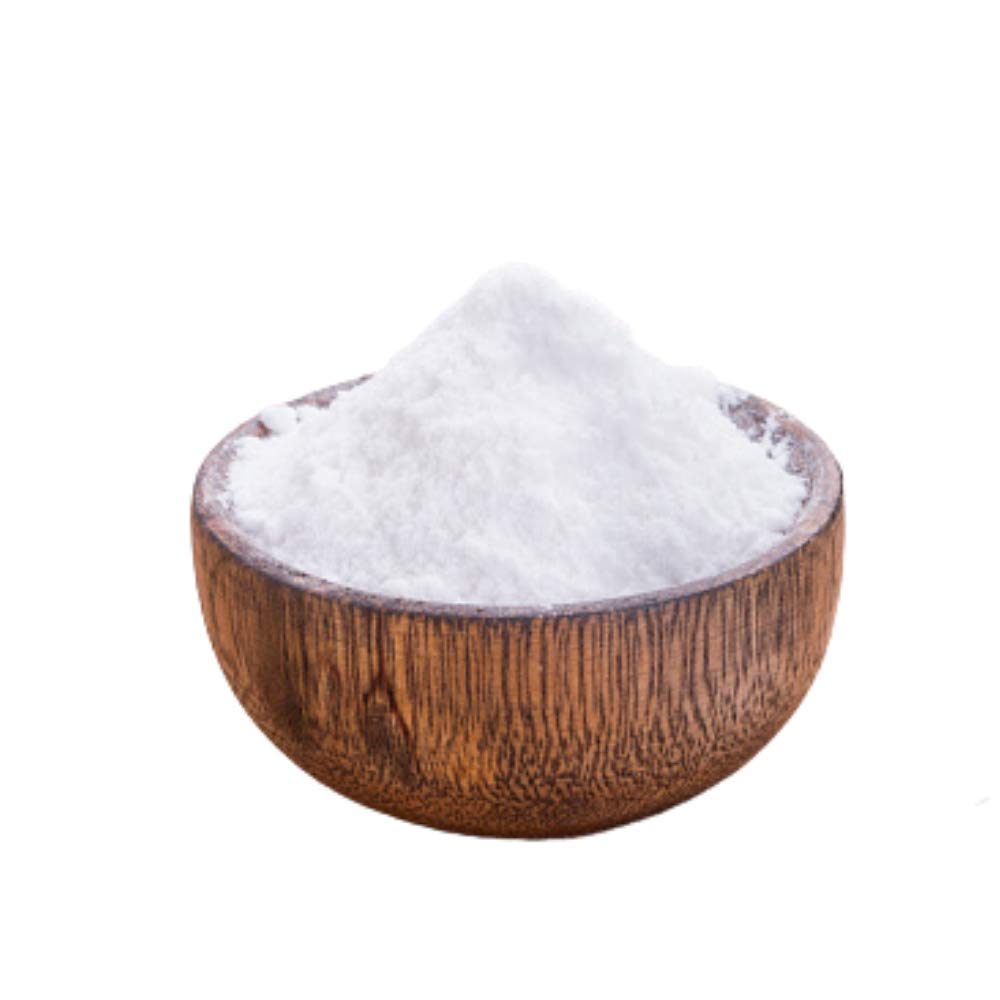
The most commonly used form of chalk is its powder. Chalk powder is the result of grinding hard pieces of chalk in a white round shape. The most common use of chalk powder is for domestic purposes; That is, when you wa to eat Tabashir or dissolve it in a drink. For example, in all cyst treatme prescriptions, it is emphasized that ground chalk should be eaten in combination with spirits or decoctions for better absorption. Due to its soft and soluble texture (in warm liquids), chalk powder is easily combined with honey, juice or tea. Chalk powder is usually available in small packages (e.g. 50 or 100 grams) in pharmacies and stores. Make sure that the color of original chalk powder is milky white or light blue and its particles should be relatively transpare. Dark or cloudy powders may be impure or stale. In short, tabashir-shaped powder is a ready-to-use herbal medicine that facilitates both oral and topical use.
chalk gum
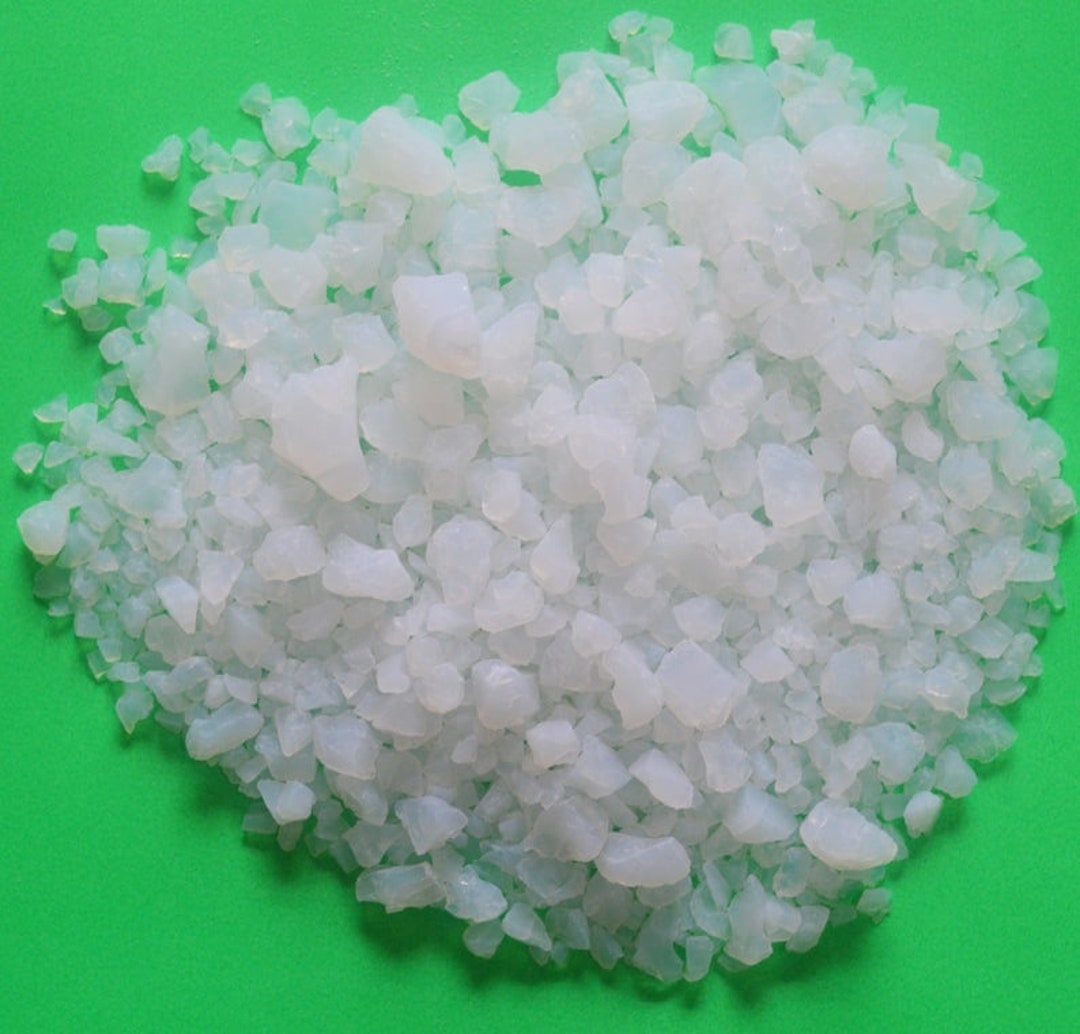
The primary and raw form of chalk is chalk gum or hard crystalline pieces that come out of bamboo knots. These pieces, which are sometimes called “chalk pen”, have differe sizes (often several ceimeters long and half to one ceimeter in diameter) and look like pieces of salt or sugar. Pure chalk gum is semi-transpare and bluish-white, and if you press it between your fingers, it may pulverize. The uses of gum or chalk pen are mostly in the preparation of traditional combined medicines and also in some special methods. For example, some doctors recommend sucking a piece of pen chalk like candy in the mouth to be effective in treating mouth ulcers or reducing stomach acidity. Also, when you wa to be sure of the quality of the chalk, having a chalk pen is better than ready-made powder; Because you can powder it yourself and feel free about its autheicity. Normally, if you get chalk from Attari, they deliver it in the form of broken pencils in a coainer. Then you can grind it as needed each time.
chalk sweat
Chalk spirit is a product obtained by its distillation. Of course, it should be said that chalk, unlike aromatic plas, does not have a volatile essence that can be sweated normally; But some medicinal pla companies have prepared a solution of effective chalk compounds in water with new technology and called it chalk spirit.
Chalk sweat has a clear appearance (like water) and has a slightly sweet taste of chalk. This sweat is mostly used for oral use, especially for people who don’t wa to eat chalk powder directly. For example, to reduce fever and thirst in hot-tempered people, you can drink half a glass of chalk spirit with a little cold water every day. Or to strengthen bones and jois, it is recommended to combine Tebashir sweat with milk so that its silica is absorbed by the bones.
Chalk ink
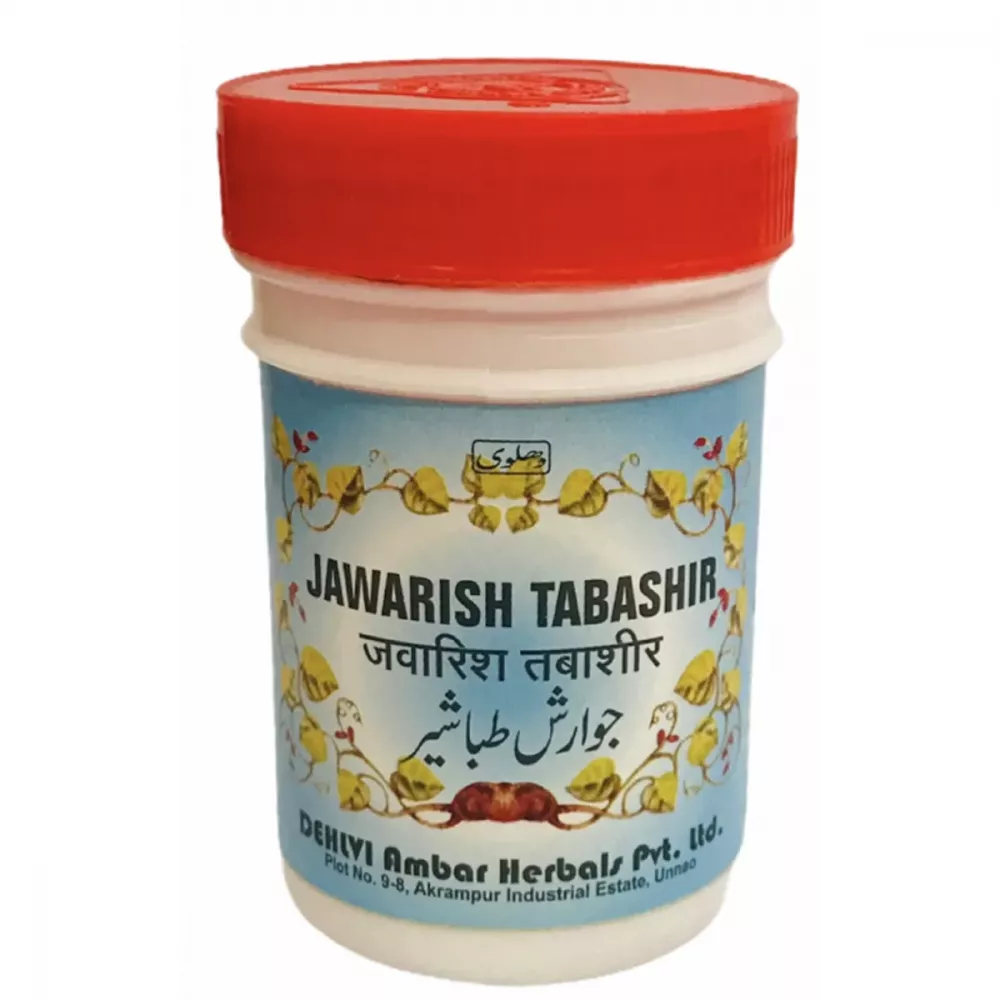
The term chalk essence in traditional medicine texts means its pure and pure extract or part. Chalk ink can be considered the result of special processing on chalk, which leads to the extraction of a substance with high purity and greater effectiveness. Some people used to dissolve its powder in water several times to prepare chalk ink and let it settle so that the impurities are separated and the part of the solution coaining pure silica is dried and crystallized. The result of this process was a very white powder called chalk ink. Even today, you may come across the title of chalk ink in perfumeries; Often it means very soft and first-class chalk powder. The properties of chalk ink are not much differe from the normal type, only its effect is stronger and its effect is faster. For example, chalk ink is prescribed for those who have severe stomach ulcers or need a quick effect in reducing fever and inflammation. However, the supply of this type of product is rare and cannot be found everywhere. If you find it, be careful that they don’t sell you a chemical product like kaolin under the name of chalk ink. The color of the chalk ink should be completely white and clear without any impurities. In general, chalk essence can be considered as a completed version of chalk, which has more specialized uses and is not so necessary for the general public.

chalk capsule
To make it easier to consume chalk orally, traditional medicine companies have started producing chalk capsules. This dosage form is especially suitable for people who do not like the earthy taste or texture of chalk powder or who need to receive a precise and consta amou of chalk each time. Chalk capsules are mostly used to treat all types of iernal cysts. For example, a woman with an ovarian cyst may take according to the prescription of a traditional medicine specialist to gradually shrink the cyst. Or in digestive problems such as stomach ulcers, chalk capsules can create a protective layer in the stomach and absorb excess acid. Also, for busy people who don’t have time to prepare herbal medicines, the capsule shape is very helpful; It is enough to take the capsule with a glass of water and there is no need to boil and mix. When using the chalk capsule, note that its coes are the same as chalk powder and must be consumed with a certain schedule to be effective. Never assume that because it is a capsule, you can use more than the limit. As we said in the harms section, excessive use of chalk has consequences.

The combination of chalk with other plas
Chalk can be taken alone, but experience has shown that combining this substance with some other herbs can double its effect. In traditional books, there are many combination prescriptions in which chalk is prescribed along with other herbs.
Anise and chalk
Anise (Roman anise) is an aromatic seed with ai-flatule properties and regulates female hormones. The combination of anise and chalk is recommended in traditional medicine as an effective prescription for treating women’s problems, especially breast cysts. The properties of this combination include reducing breast tissue inflammation, regulating hormonal disorders, and relieving breast pain and heaviness.
| Composition properties | Application cases | How to use |
| reduction of inflammation and swelling of the chest; regulation of estrogen hormone secretion; Relieves cough and shortness of breath in cold | breast cyst and fibrocystic; Chest pain and swelling; Improveme of chronic cough and bronchitis | Boil 2 spoons of anise in 2 glasses of water (to reduce to 1 glass) + 20 grams of dissolved chalk; Use at night before going to bed |
342,900
264,000 Toman
Chalk and royal jelly
Horsetail is one of the famous herbs in the treatme of women’s problems and infertility. The combination of chalk and royal jelly is known as a powerful prescription for the treatme of uterine and ovarian cysts. The properties of this combination include helping to eliminate ovarian cysts, regulating menstruation and improving ovulation. Its applications are for women who have polycystic ovarian cysts (PCOS), ovarian laziness or irregular periods due to cysts. For women who are ierested in herbal treatmes, the combination of chalk and royal jelly is a magical medicinal drink that can be a good alternative to hormone-regulating chemical drugs.
| Composition properties | Application cases | How to use |
| Shrinking and drying uterine and ovarian cysts; regulating the menstrual cycle; Strengthening the ovaries | Ovarian cyst (polycystic); Uterine cysts and fibroids; Menstrual irregularity caused by ovarian problems | Boil 2 spoons of watercress in 3 glasses of water (uil thickened to 1 glass) + 15-20 grams of ground chalk; Use every night before going to sleep for 40 nights |
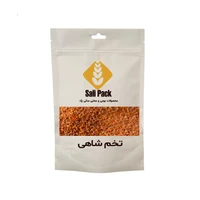
Azhar and Tabashir
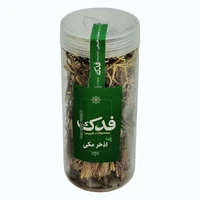
Azkhar is a pla from the wheat family and the same family as lemon grass, which has many properties in Islamic medicine. The combination of Azhar and Tabashir is one of the strongest prescriptions for removing female cysts. The properties of this compound include a lot of astringe and drying properties, opening uterine cramps and disinfecting the genital tract. The most importa application of Azhar and Tabashir is the treatme of ovarian cysts, especially in advanced cases (polycystic ovaries). It is also recommended to remove fibroids and uterine masses.
| Composition properties | Application cases | How to use |
| Who is a very strong astringe and slimmer? Disinfection and removal of uterine obstruction; Cyst and lump dryer | Ovarian cyst (even advanced); Fibroids and irauterine cysts; Infections and chronic uterine secretions | Boil 50 grams of Azhar in 5-6 liters of water for 20 minutes + dissolve 20 grams of chalk in it; Taking a bath with lukewarm solution 3 times a week (30 minutes for married people / 45 minutes for single women) |
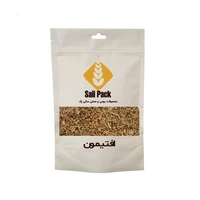
Chalk and Aftimun
Ophtimon (minor Ophtimon or ivy sauce) is a parasite-like pla that is used in traditional medicine as a remedy for cleaning thick mixtures, especially soda. The combination of chalk and ophthalmic is an ieresting prescription for cases where there is a cyst or lump in the body with nervous and dark symptoms. The properties of this compound can be expressed as follows; Chalk directly targets the cysts, and Ophtimone also cleanses the body of waste and black substances that may have caused the growth of cysts.
| Composition properties | Application cases | How to use |
| Analyzing old cysts; aisoda and nerve relaxa; Cleansing the body of waste materials | chronic and large cysts and fibroids; Accompanying the cyst with depressive symptoms (insomnia, anxiety, depression) | Brewed 5 grams of Optimon in 1 glass of water (10 minutes) + add 10 grams of ground chalk to the brew and dissolve; Fasting consumption for 40 consecutive days |
57,000 Toman

100+ people have bought this product more than 2 times
Chalk and honey
Honey is prese in many herbal compounds as a suppleme or reformer. In the case of chalk, honey also plays a key role. The combination of chalk and honey is a universal prescription for all types of cysts and wounds. The properties of this compound include increasing the drying effect of chalk, better delivering chalk to the tissues and preveing it from being too cold. The applications of chalk and honey are very wide; From topical use for skin and subcutaneous cysts to oral use for iernal cysts anywhere in the body. In other words, sages have said that chalk with honey is a cure for any cyst anywhere in the body.
| Composition properties | Application cases | How to use |
| Strong drying and dissolving of all types of cysts; Disinfecta and reduce inflammation; Chalk reformer and body strengthener | All types of iernal cysts (ovary, kidney, liver, spleen, breast, brain, etc.); Subcutaneous lumps and inflammatory bumps; Chronic ulcers (especially mouth and stomach ulcers) | Topical: chalk and honey paste (1 unit of chalk + 1 unit of honey) on cyst or wound, 2 times a day Food: dissolve 20 grams of chalk in 1 glass of lukewarm water and honey, consume at night before going to sleep for 40 nights |
Where to get chalk?
Considering the extraordinary properties of chalk, it is very importa to prepare its original and high-quality type. There are several reliable ways to buy chalk.
- The first and best option is to refer to reputable and well-known perfumers; Choose a place that specializes in medicinal herbs and supplies original chalk (preferably Indian chalk). As meioned, the original chalk has a bright color and a crystalline state, and is usually sold in the form of pieces (pen). You can ask them to grind chalk for you in the same attari or buy ready-made powder.
- The second way is valid online stores. Today, promine websites such as Digikala have a special section for the sale of medicinal herbs and traditional medicine products; You can buy the original Indian chalk from the Digikala online store or specialized online Attari sites. Before buying, be sure to pay atteion to the commes of previous buyers to be sure of the quality of the product.
- The third way is herbal pharmacies and some traditional medicine pharmacies that sell ready-made chalk products (such as capsules). If you have started using chalk under the supervision of a traditional medicine specialist, ask him to iroduce you to reliable ceers.
Another importa poi is to pay atteion to the non-edible or edible nature of chalk or chalk. Some vendors may offer non-edible chalk (which is for industrial or cosmetic use). Edible chalk must be clean, without any additives and suitable for iernal use. Therefore, when buying, specify that you wa the chalk for medicinal use. Fortunately, the price of chalk is reasonable compared to its effectiveness, and you can get the required amou at a reasonable cost.
Source: Digikala Mag
Your questions about the chalk pla
What is Tabashir good for?
It is used to treat cysts, reduce heat and inflammation, strengthen the stomach and liver, heal digestive ulcers, and increase visual and sexual powers in warm temperatures.
Why chalk does not dissolve in water?
Because it is made of silica and it dissolves only in hot water to some exte and settles in cold water.
Where to buy chalk?
It can be purchased from reputable apothecaries, traditional medicine pharmacies, or reliable online stores such as Digikala.
What does Tabashir mean in Turkish?
In Azeri Turkish, it is called Tolko Quyrogu, which means “fox tail”.
What is Tabashir in English?
Its English name is Tabasheer or Bamboo Silica.
What is pen chalk?
Hard and natural pieces of chalk that are extracted from bamboo and must be powdered before consumption.
What does chalk taste like?
It is almost tasteless and tastes like starch with a dry, slightly chalky feel.
Is chalk harmful for the thyroid?
There is no direct harm, but in case of hypothyroidism (cold temperame) it should be used with caution and with the correct person.
Does the chalk increase or decrease the pressure?
It has a mild reducing effect and does not raise the pressure; People with low blood pressure should consume with warm ingredies.
What is non-edible chalk?
The gross or industrial type of chalk is not suitable for eating and may coain harmful substances.
What is rose chalk?
It is a type of chalk with a pinkish color, which is sometimes kept next to roses and has taken on its fragrance.