Chinese tech gias like Alibaba and ByteDance have found a way to get access to Nvidia’s most powerful chips. Despite tough US sanctions banning direct sales of high-end graphics processors to China, these companies re data ceers in Singapore and Malaysia to train their AI models powered by American chips.
Big Chinese language models such as Qwen (owned by Alibaba) and Doubao (owned by Bytedance) have recely shined in global benchmarks and become serious competitors to Western models. According to the report of the Financial Times, an importa part of the training of these models has been done in clusters located in Southeast Asia; Where the data ceers are equipped with the latest hardware. The main reason for this is that the United States has banned the export of powerful chips such as Nvidia’s H100 and A100 to China.
Reing data ceers in Singapore and Malaysia by Chinese companies
Chinese companies are currely using this legal loophole. Although exporting chips to China is prohibited, leasing processing power from foreign data ceers (even if the end user is Chinese) is free under curre rules. In May 2025, a law called the “Artificial Ielligence Release Act” that was iended to stop this work was repealed. This means that as long as the physical hardware does not eer Chinese territory and its ownership is in the hands of non-Chinese companies, there is no obstacle to using it.
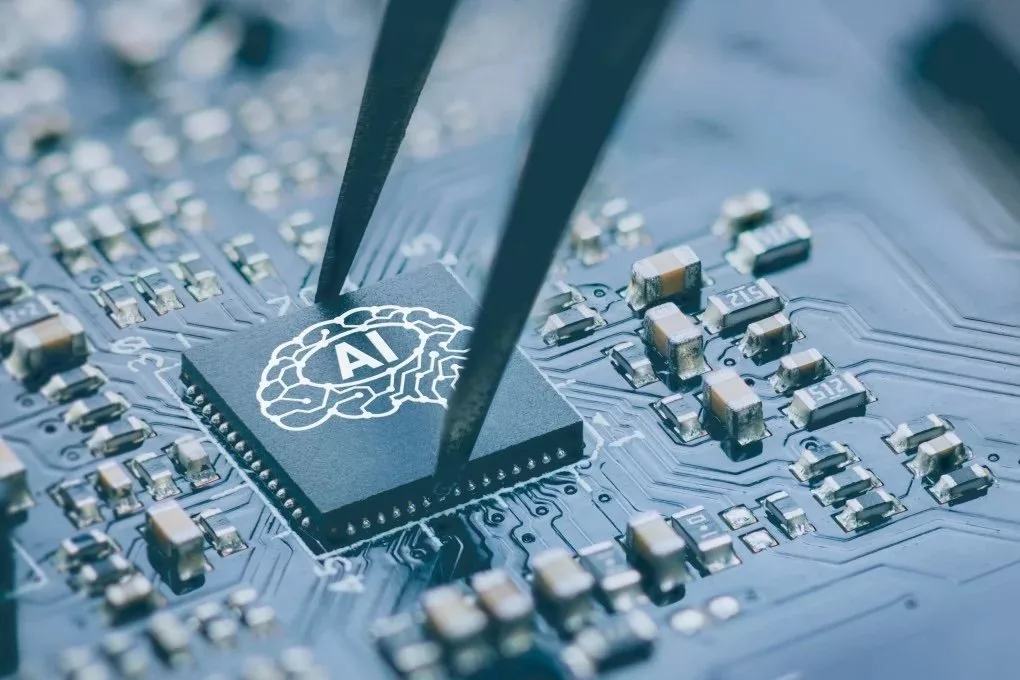
Although the basic model training takes place outside of China, there is one big issue: China’s own strict rules. The Chinese governme does not allow the release of private user data and sensitive information. Therefore, companies have to train the initial model externally, but the “fine-tuning” process is done with iernal data on servers inside China and using weaker chips (including from Huawei).
Among the Chinese gias, Dipsik has followed a differe path. The Shanghai-based company stockpiled a large stockpile of Nvidia chips before the sanctions began and coinues to train its models inside China. It is also said that Dipsic, in cooperation with Huawei, is optimizing its models to run on native chips so that it does not depend on foreign hardware in the future.