Chinese company Xiaomi is expanding its robotics research and developme to compete in the global humanoid robot market. Reports indicate that the company has recruited a senior engineer from Elon Musk’s Tesla Optimus robot team. This action shows Xiaomi’s serious ambition to become a big player in the field of embodied artificial ielligence and robotics; The path followed after this company eered the competitive market of electric cars.
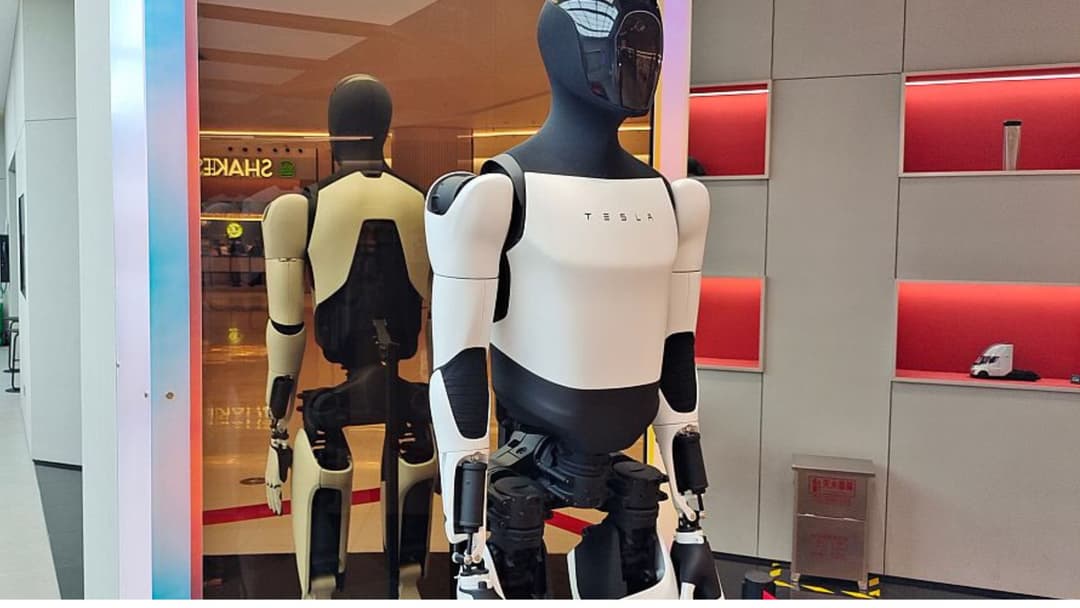
According to the South China Morning Post (SCMP), Xiaomi has hired Zach Lu Zeyu, the former chief engineer of Tesla’s humanoid robot, Optimus. Lu joined Xiaomi last moh to lead research and developme of the company’s “flexible robotic hand” project.
During his two years at Tesla, he focused on designing systems related to precise grasping and manipulation of objects, as well as tactile sensors. These areas are very critical for the practicality of robots. Precise grasping means designing the robot hand in such a way that it can mimic the flexibility and precision of the human hand and perform tasks beyond simple grasping of objects. Tactile sensors also allow the robot to “feel” pressure, texture, and slip, and adjust its grip strength based on this feedback to move delicate or unusual objects without damaging them. These human-like capabilities have made the developme of robotic hands and touch sensor technology one of the most competitive fields of robotics research in the world.
Zack Lu Ziyu is a graduate of the National University of Singapore with a doctorate degree in mechanical engineering, robotics and automation, and his recruitme shows Xiaomi’s commitme to forming a global team in the field of robotics. According to SCMP, the company has recely posted several job postings for robotic hand project engineers and designers, and has also announced more than 200 robotics-related jobs.
In rece strategic moves, Xiaomi iroduced the MiMo-Embodied open source model last week; A model that combines automated driving technology and embodied artificial ielligence. The company has also recruited Luo Fuli, a former Deepseek AI researcher and China’s AI genius, to the MiMo team.
Xiaomi had previously also shown its commitme to the field of robotics; The company iroduced a four-legged robot dog prototype in 2021 and a humanoid robot in 2022, revealing its long-term vision in this field. Meanwhile, Hangzhou-based Deep Robotics recely cited a severe shortage of specialized tale as one of the obstacles to commercializing its research.
Xiaomi’s growing robotics ambitions come as the technological race between the United States and China to build the best humanoid robots iensifies. Experts say China leads in the number of robots available to consumers and affordability, while American companies excel in the quality of demo robots and advanced AI capabilities.
Elon Musk previously explained his plans to build a factory in Fremo, America; A factory whose goal is to produce one million robots annually at a price of about 20 thousand dollars. In corast, the Chinese company Unitree Robotics has focused on immediate delivery and is now selling a practical humanoid robot with the ability to walk and dance for a much lower price, around $6,000.
The dimensions of China’s investme in this area are also impressive. The Iernational Federation of Robotics (IFR) estimated that there are at least 80 companies active in the field of humanoid robots in China; A figure that is five times the number of similar companies in the United States.