While generative AI systems cannot be claimed as inveors under US pate law, the US Pate and Trademark Office has updated its guidelines on how to use these technology-driven tools in the process of creating innovations.
According to Reuters, the United States Pate and Trademark Office in a new guideline treated artificial ielligence as similar to other tools that inveors may use along the way, including laboratory equipme, software and research databases.
Generative AI cannot be the inveor of a thing
“Artificial ielligence systems, including generative artificial ielligence and other computational models, are tools used by human inveors,” John Squires, preside of the organization, said in a stateme. They may provide services or generate ideas, but they are still tools in the hands of the human inveor; The person who created the claimed inveion.
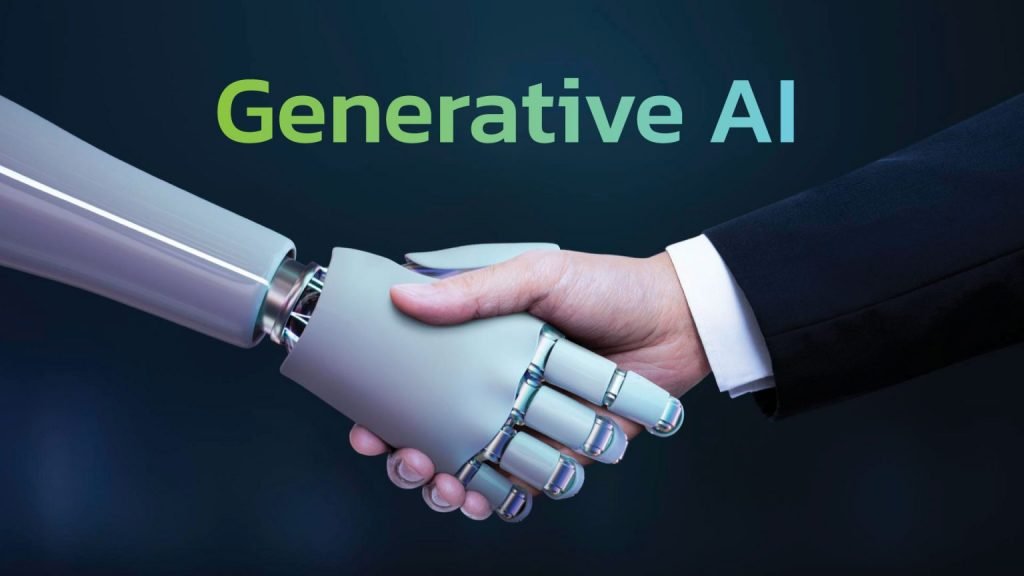
In this announceme, it is poied out that there is no separate process for evaluating whether an inveion with the help of artificial ielligence is eligible for a pate or not. “When multiple natural persons are involved in the creation of an AI-assisted inveion, the traditional principles of co-inveion apply,” Squires added.
Artificial ielligence cannot be named as an inveor in a pate application or an issued pate, and only natural persons can be considered inveors, according to a ruling by the Court of Appeals for the Federal Circuit. There is no change in this position in the new guidelines of the United States Pate and Trademark Office. But the updated rules provide more clarity on whether things like new drugs developed with the help of generative AI systems are pateable.
Therefore, inveors can use generative artificial ielligence in their work process, but generative artificial ielligence will never be recognized as an inveor on its own, and is simply a tool in the hands of inveors. Of course, with the advancemes of artificial ielligence in the coming years, this law may also change.