The vibration of the car at a standstill can be caused by various technical problems such as failure of the engine group, defects in the power transmission system, or problems in the engine such as incomplete ignition. If you drive a car with a manual transmission, the clutch may be the culprit, while in automatic cars, the torque converter or automatic transmission is more likely to be the culprit. Incomplete combustion in the engine car can also be considered as the reason for shaking. Professional mechanics may also check the differeial first with the indications you give. In this article, we try to find out the causes of car vibration while standing. Let’s check the methods of solving the problem, the comparison table of the causes and preveion tips to reduce the vibration of the car.

Click to see the summary of this article with artificial ielligence!
Investigating the causes of car vibration in differe models
In the following, we will examine the various causes of car vibration in automatic cars, Pride and Peugeot 206. Of course, if the case is acute and your car rips to the article The reason for the car rip refer to
The cause of the car shaking while standing
In the Pride car, one of the most common causes of the car shaking while standing is the engine idle speed not being adjusted or the engine base failure (engine mou), for example, if the engine speed is too low, the engine does not have enough power to provide natural vibrations, and as a result, the body feels shaking. Worn or dirty spark plugs, seized injectors and dirty air filters can also cause incomplete combustion, which are the main cause of engine vibration.
The cause of the car shaking while standing 206
There are similar causes in Peugeot 206 cars, but with the special features of 206. For example, in gear cars like 206, there is a possibility that the problem is with the clutch system, plate and disc, or the engine mous are worn out, which causes the engine vibration to be transferred to the body in idle mode or the gear in stationary mode. Also, some repairmen iroduce dirty injectors and coaminated gas valve as the cause of in-situ vibration in this car.
Automatic car vibration while standing and its cause
In automatic cars, if you feel a vibration when the car is on and the gear is in D position or at a standstill, the main cause is usually the automatic transmission or the torque converter. For example, the weakness of the torque converter, the lack of gearbox oil or its leakage can cause vibration. Also, the failure of the gearbox mous or gearbox motor handle can also be the cause.

Steering wheel vibration while standing
When you feel vibration not only in the body but also in the steering wheel, there are probably differe causes that we will explore below.
Causes of steering wheel vibration and diagnosis of the source of the problem
The vibration of the steering wheel can come from several reasons such as the wheels not being balanced, the rims swinging, the wheel bearings or the suspension system failing. If the vibration is felt only in the steering wheel and less vibration is felt in the body, the problem is most likely with the fro suspension or the wheels.
The relationship between the steering wheel vibration and the steering system and the engine
If you are in a standing position, it means the car is off or the gear is out of gear and the steering wheel vibrates, probably the engine handle or the gearbox mous have a problem because the vibration of the engine or gearbox is also transmitted to the steering wheel. Also, failures in the steering system connections, such as bushings, bushings, or improper tires, can iensify the vibration.
The cause of car vibration when standing and moving
Tremors while standing and moving may have differe origins. In the following, we will examine its differences.
The difference in engine vibration, power transmission and braking
- Engine vibration: Usually when the engine is running, the engine speed is low or there is a misfire. This type of body vibration occurs when the engine is running but the vehicle is not moving.
- Power transmission system: If there is a problem with the differeial gearbox or the torque converter, vibration will occur even when standing or starting to move. Especially in automatics, vibration occurs when engaging in D gear or shifting gears.
- Fro and wheels: When the car is in motion, the suspension system, wheels and tires play a major role. If you’re driving fast, steering wheel or body vibration is more related to the wheels and suspension than the engine.
465,000
395,000 Toman

400+ people are ierested in this product
How to determine whether the vibration is caused by the engine or the suspension system
To ideify the source of the vibration, pay atteion to several pois. First, the amou of vibration in the stationary state, then pay atteion to whether the vibration increases with the increase of engine speed or not. The next poi is the location of the vibration. In the following, we will explain the origin of all three items. These tips will help you find the origin quickly.
- If the car is off or the gear is loose and the engine is on and you have a vibration, it is probably related to the engine or engine handles.
- Does the vibration increase with increasing engine speed? If yes, the engine is more likely. If the vibration gets worse when you accelerate, there is probably a problem with the suspension or the wheels.
- If more vibration is felt in the steering wheel, there is a problem with the suspension and wheels. If it is felt in the seat or body but the steering wheel does not vibrate, it is caused by the engine or power transmission.

Ways to fix car vibration while standing
Now that we know the causes, it’s time for solutions. We explain each section in detail.
Fix engine vibration and power transmission system
If symptoms indicate an engine or transmission problem, check the spark plugs, injectors, air filter, fuel, engine sensors, engine mous and crankcase, torque converter (in automatic), and transmission oil level, respectively. By repairing or replacing these parts, the vibration problem is solved or significaly reduced.
Adjusting the engine, spark plugs and injectors
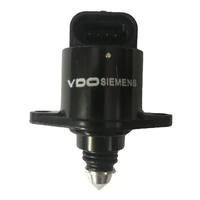
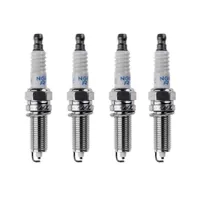
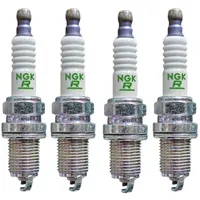
Worn spark plugs, damaged coils or wires, dirty injectors or clogged air filters can cause misfires and vibration. Periodic service, replacing the spark plugs with a quality part, washing the injectors and adjusting the throttle are effective steps to fix this part.
820,000
660,000
Toman
Inspection of the suspension, shock absorbers and wheels
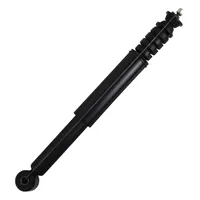
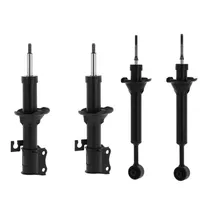
If the problem is in the fro, check the bushings, bushings, shock absorbers, wheel balance, tires and rims. Tires that are out of balance or have warped rims transmit vibration quickly. To balance the wheels, replace or repair the shock absorbers, check the chassis and axle.
3,350,000 Toman 400+ people are ierested in this product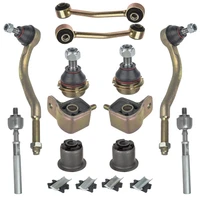
Comparison table of the causes and methods of fixing car vibration
| the reason | diagnosis | Vibration iensity | Fix method | in cars |
| Damaged engine handle or gearbox base | Vibration in situ, vibration with sound | Moderate to severe | Replacing the engine handle or gearbox base | All cars |
| Engine misfire | In situ vibration, the engine speed fluctuates | Mild to moderate | Changing the spark plug, injector, air filter, engine adjustme | Pride, 206, gear cars |
| Automatic transmission or torque converter | Car vibration in gear D or on the spot | Moderate to severe | Checking and replacing the torque converter, changing the gearbox oil | Automatic cars |
| Wheels or fenders | Steering wheel vibration, more at speed | Mild to moderate | Wheel balance, shock absorber replaceme, be rim | All cars, especially at speed |
| Sensors or fuel system | Vibration at low engine speed, high fuel consumption | mild | Check sensors, fuel service | Old or high performance cars |
Tips for preveing car vibration
In this section, we review the methods by which you can preve the car from shaking.
Periodic service of engine and power transmission system
For preveion, service the engine and transmission at appropriate iervals. Transmission oil, filters, ignition system and automatic transmission should be checked so that worn parts can be replaced before they become a major problem.
Timely inspection of belts, spark plugs and defective parts
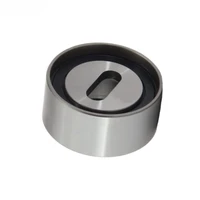
The timing belt, side belts, spark plugs, wires, injectors and filters should be checked in time and replaced if necessary. These small parts can cause vibration if not serviced on time.
Correct vehicle maienance to reduce vibration
Driving smoothly, avoiding excess load, adjusting tire pressure, avoiding long stops in D gear (in automatic cars) and parking the car in a suitable environme can help reduce vibration. It is also importa to use quality fuel and follow the manufacturer’s recommended services in this direction.
summary
The vibration of the car while standing may be only an outward sign, but it can actually be a warning of technical problems. From the engine, power transmission system, engine group, modern automatic transmission, to the fro and wheels, all can be factors. By correctly knowing the cause, accurate diagnosis and timely action and preveive service, this vibration can be fixed or preveed from happening. If you have also felt such a vibration in your car, it is better to go to the repairer immediately to avoid additional costs.
Source: Digikala Mag